Overview
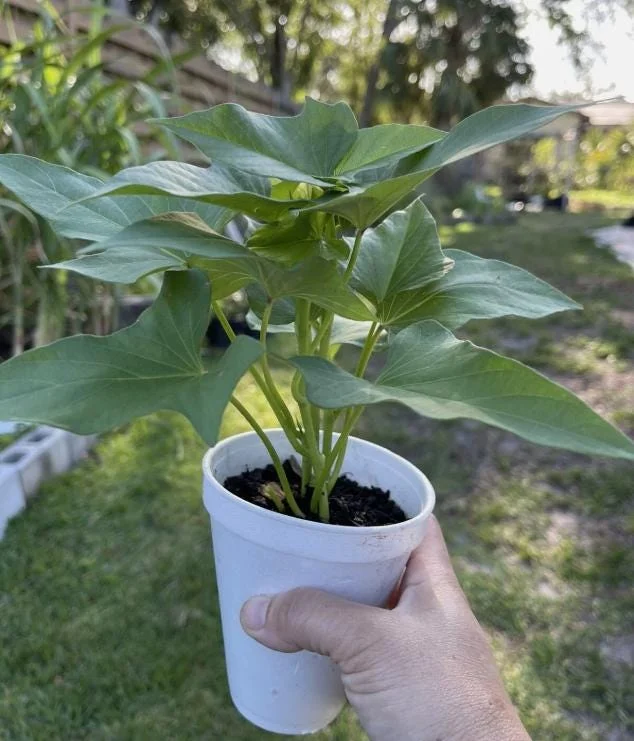
Embark on a rewarding gardening journey with these exquisite purple okinawa sweet potato plants. This offering provides 5 healthy, live plants of Ipomoea batatas, ready to be transplanted into your home garden or raised beds. Originating from Okinawa, Japan, these sweet potatoes are renowned for their striking deep purple flesh, which is not only visually appealing but also packed with antioxidants. Unlike common orange sweet potatoes, the Okinawa variety offers a distinct, subtly sweet flavor and a creamy texture, making it a versatile ingredient in both savory and sweet dishes. Growing your own grow okinawa sweet potato plants ensures a fresh, organic supply of this superfood right from your backyard.
These vigorous growers are an excellent choice for gardeners looking for an interesting and productive edible plant. They thrive in warm climates and can be cultivated in a variety of settings, from traditional garden plots to container gardens. The lush foliage of these ipomoea batatas plants also adds an attractive, tropical touch to your landscape, making them a dual-purpose plant for both culinary and ornamental appeal. Prepare to enjoy bountiful harvests of these unique and healthy root vegetables.
Key Benefits
Integrating these beautiful and beneficial plants into your garden offers numerous advantages, from their nutritional value to their ease of cultivation. Here are some compelling reasons to choose purple okinawa sweet potato plants:
- Rich in Antioxidants: The vibrant purple color of the flesh indicates a high concentration of anthocyanins, powerful antioxidants known for various health benefits, including anti-inflammatory properties and supporting cellular health. Enjoy a truly healthy edible root crop plants.
- Unique Flavor & Texture: Experience a distinct, subtly sweet taste and a creamy, moist texture that sets them apart from conventional sweet potatoes, making them a gourmet addition to your meals.
- Versatile Culinary Use: Ideal for baking, roasting, mashing, or even making vibrant purple fries and desserts. Their unique color makes dishes visually stunning.
- Vigorous Growth & High Yield: These plants are known for being prolific producers, providing a generous harvest from just a few plants, perfect for feeding your family or sharing with friends.
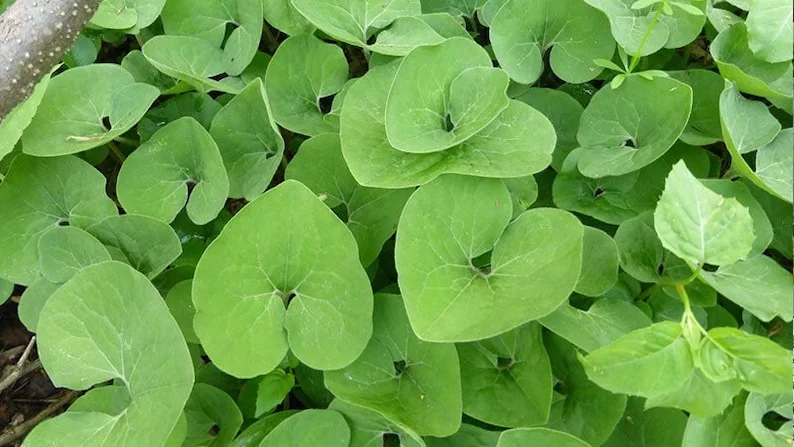
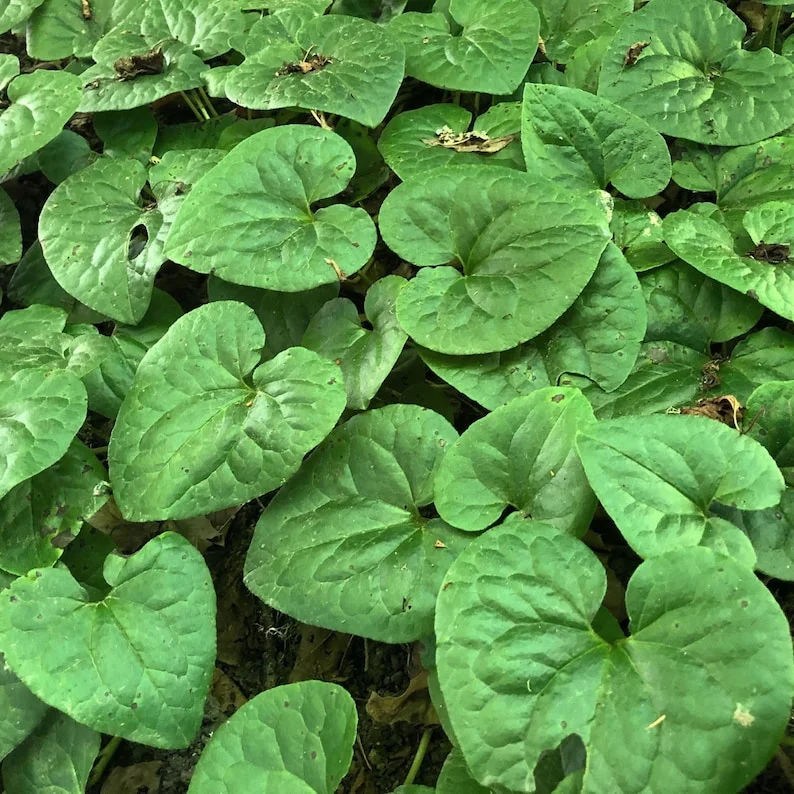
- Ornamental Appeal: Beyond their edible roots, the lush, heart-shaped green leaves of ipomoea batatas plants add a beautiful, tropical aesthetic to your garden, functioning as an attractive groundcover or trailing plant.
- Nutrient-Dense Food Source: Besides antioxidants, they are a good source of vitamins A and C, fiber, and essential minerals, contributing to a balanced and nutritious diet. Discover the many purple sweet potato benefits.
- Adaptable for Various Settings: Suitable for in-ground gardens, raised beds, and even large containers, offering flexibility for different gardening spaces.
Plant Care & Growing Tips
Caring for your purple okinawa sweet potato plants is relatively straightforward, making them an excellent choice for both novice and experienced gardeners. They thrive in warm, sunny conditions. Choose a location that receives at least 6-8 hours of direct sunlight per day. Good air circulation is also beneficial to prevent fungal issues. Ensure the soil is well-draining and rich in organic matter. A slightly acidic to neutral pH (6.0-7.0) is ideal. When planting, space your grow okinawa sweet potato plants about 12-18 inches apart to allow for adequate root development and foliage spread. Water immediately after planting.
Once established, these plants are quite drought-tolerant, but consistent moisture will lead to larger, more succulent roots. Water deeply once or twice a week, especially during dry spells, allowing the top inch or two of soil to dry out between waterings. Avoid overwatering, as this can lead to root rot. Fertilize sparingly with a balanced, organic fertilizer, or one slightly higher in potassium, every 4-6 weeks during the growing season. Too much nitrogen can promote excessive foliage growth at the expense of root development. Keep an eye out for common garden pests, though sweet potatoes are generally quite resilient. Harvesting typically occurs 90-120 days after planting, when the leaves begin to yellow and die back. Dig carefully to avoid damaging the delicate roots of your edible root crop plants.
Size & Details
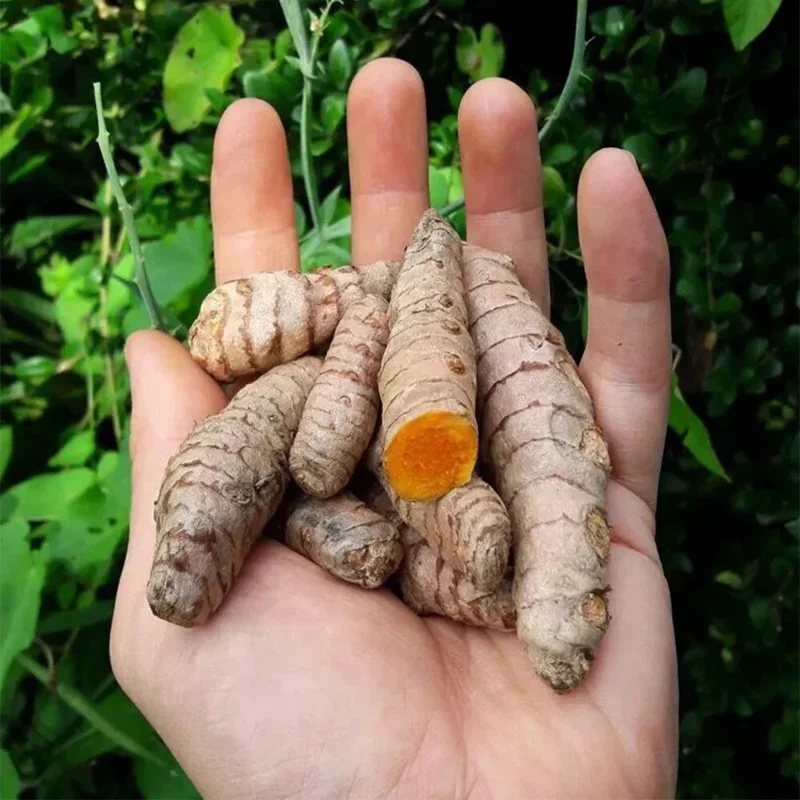
This offering includes 5 live purple okinawa sweet potato plants, each carefully grown and ready for transplanting. These young plants are typically shipped in a compact, healthy state, usually with a well-developed root system and several new leaves, ensuring a strong start in your garden. Upon arrival, they will be approximately 4-6 inches tall, ready to quickly establish themselves. The mature plants will produce a sprawling vine that can reach 5-10 feet in length, with the edible roots developing underground. The tubers themselves can vary in size, from small, finger-like roots to larger, softball-sized sweet potatoes, depending on growing conditions and duration in the soil. Expect your first harvest approximately 3-4 months after planting, providing a continuous supply throughout the warm season. These plants are ideal for creating a productive and visually appealing garden space, offering significant purple sweet potato benefits.
Frequently Asked Questions
- Q: How big do these purple okinawa sweet potato plants get? A: The vines of purple okinawa sweet potato plants can spread quite extensively, reaching lengths of 5-10 feet. The edible roots grow underground and vary in size, typically ranging from a few ounces to over a pound each, depending on growing conditions and how long they are left in the ground.
- Q: Is this an indoor or outdoor plant? A: These are primarily outdoor plants that thrive in warm climates. While they can be started indoors in colder regions to get a head start, they need significant outdoor space and warmth to produce a good harvest of tubers.
- Q: How much sunlight do these ipomoea batatas plants need? A: For optimal growth and tuber production, ipomoea batatas plants require full sun, meaning at least 6-8 hours of direct sunlight per day. More sun generally leads to larger and more abundant sweet potatoes.
- Q: Is this plant easy to care for? A: Yes, Okinawa sweet potato plants are generally considered easy to care for. They are quite resilient once established and require consistent watering, especially during dry periods, and occasional feeding.
- Q: What condition will the plants arrive in? A: Your grow okinawa sweet potato plants will arrive as healthy, live starts, typically 4-6 inches tall, with a strong root system, carefully packaged to ensure their safe journey to your home. They will be ready for immediate planting.
- Q: When is the best time to plant purple sweet potato plants? A: The best time to plant is in late spring or early summer, after all danger of frost has passed and soil temperatures have warmed up, typically when daytime temperatures consistently stay above 65°F (18°C).
- Q: Will these edible root crop plants survive winter in my zone? A: As tropical plants, edible root crop plants like the Okinawa sweet potato are not frost-hardy. In USDA Zones 9 and above, they can often be grown as perennials. In colder zones, they are typically grown as annuals and harvested before the first frost.
- Q: What are the main purple sweet potato benefits? A: The main purple sweet potato benefits include being exceptionally rich in anthocyanin antioxidants, providing a good source of vitamins A and C, fiber, and having a unique, subtly sweet flavor and creamy texture that makes them a healthy and delicious addition to any diet.
- Q: Can I grow these in containers? A: Yes, these plants can be successfully grown in large containers, at least 15-20 gallons in size, to allow sufficient space for root development. Ensure good drainage.
- Q: Do these plants produce flowers? A: While sweet potato plants are known for their edible tubers, they do occasionally produce small, trumpet-shaped, lavender or white flowers, especially in warmer climates. The focus, however, is on the root crop.








Reviews
There are no reviews yet.