Overview
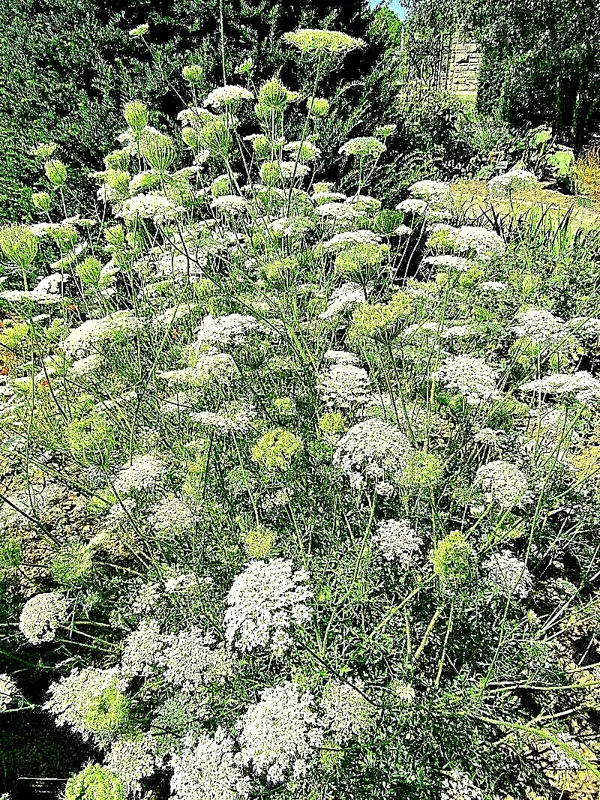
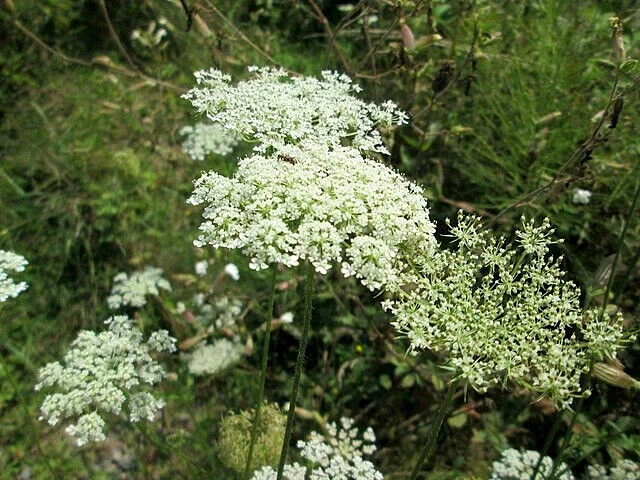
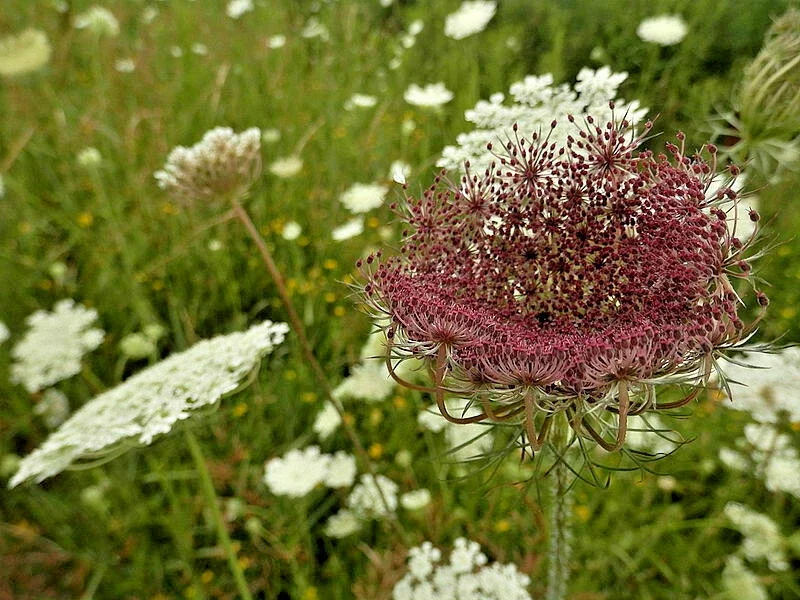
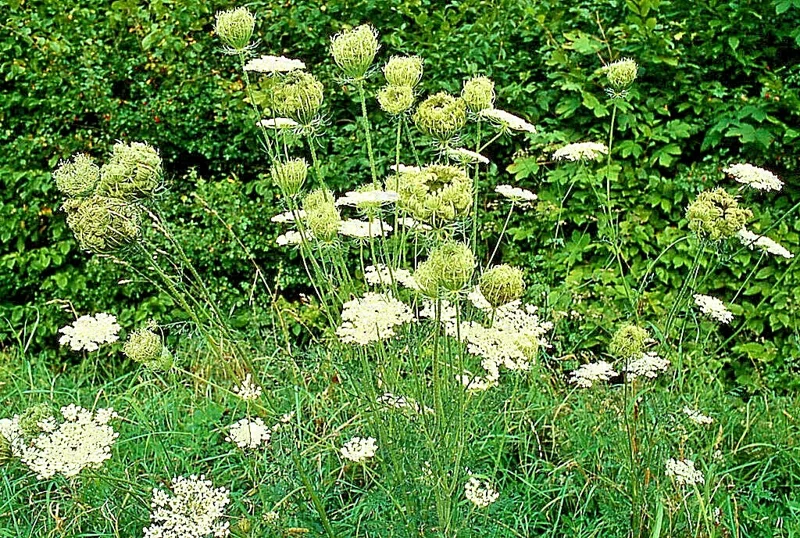
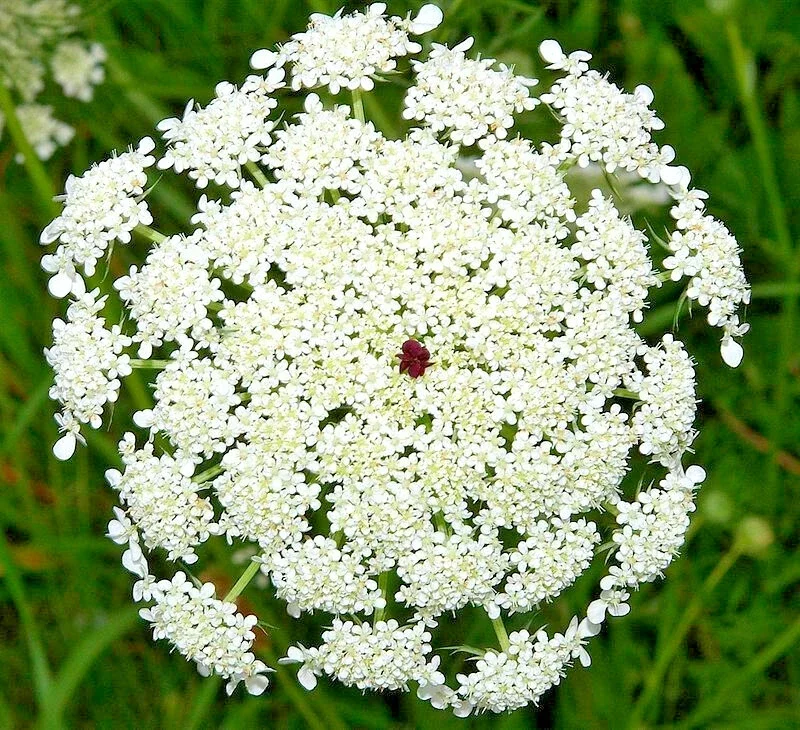
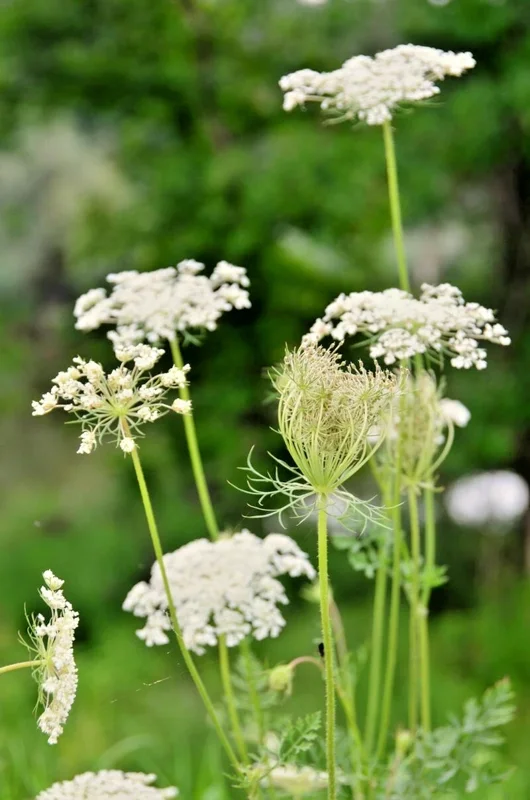
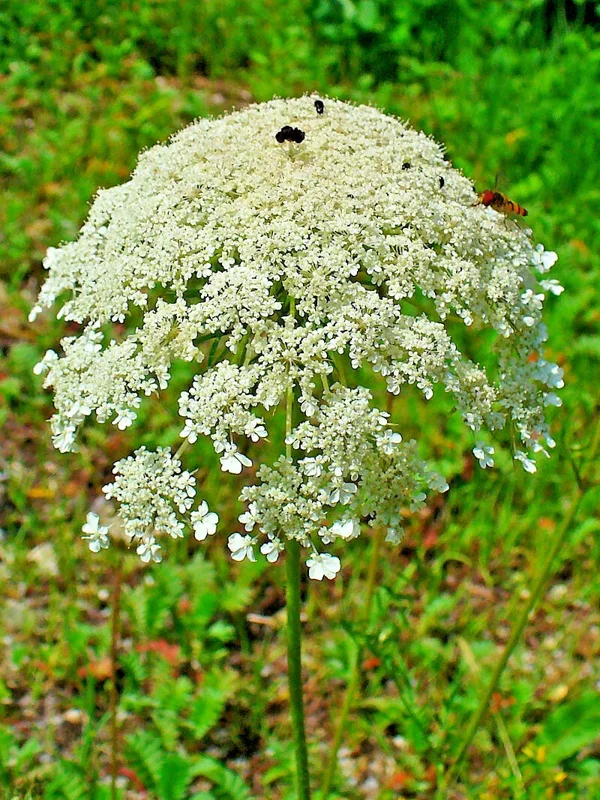
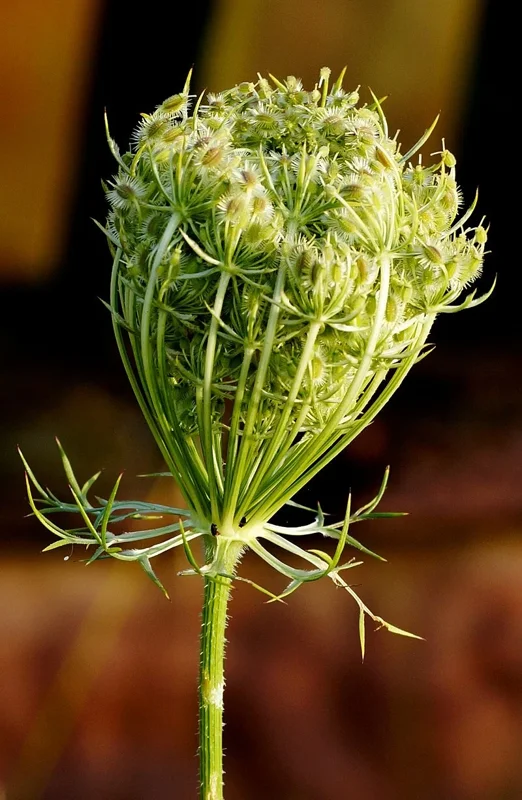
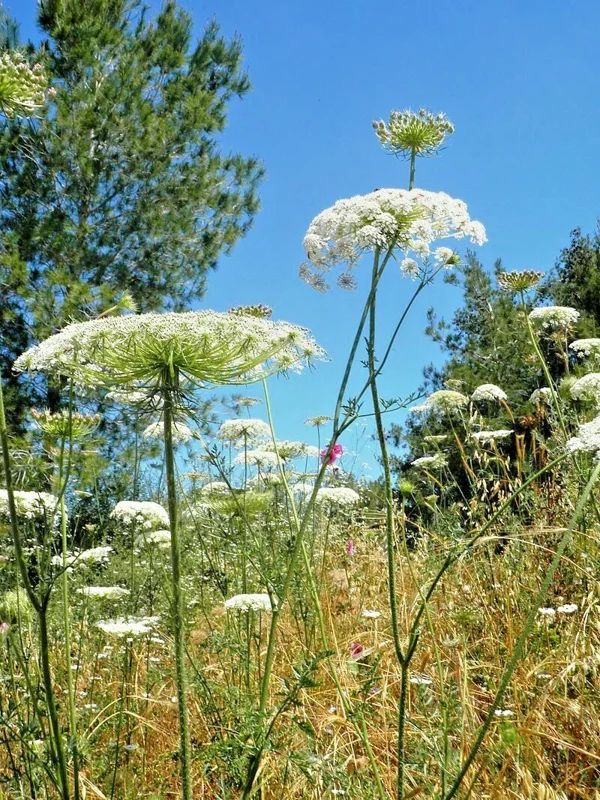
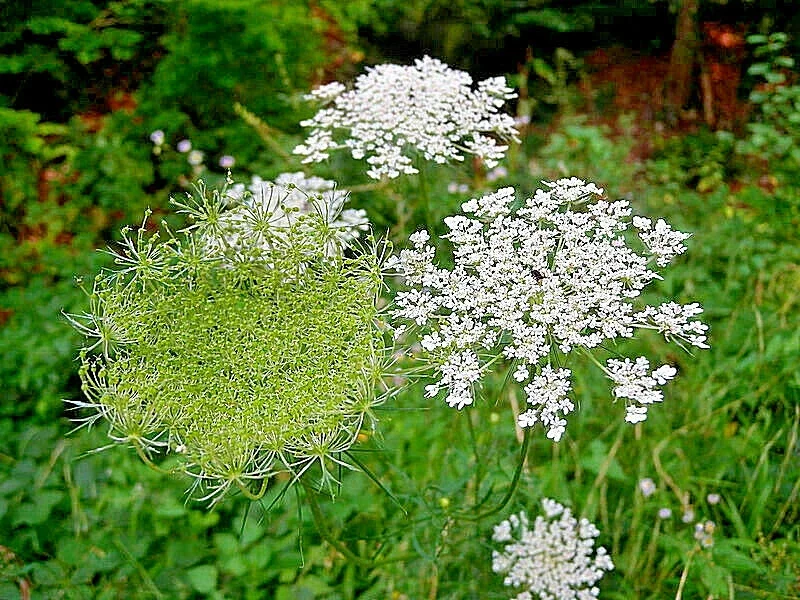
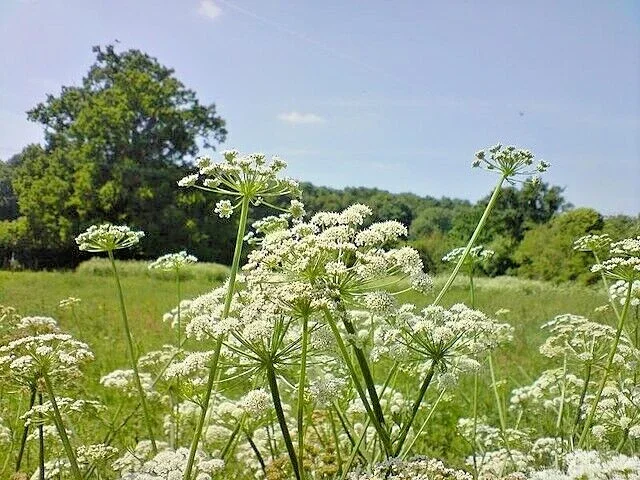
Embark on a delightful gardening journey with our bulk offering of Queen Anne’s Lace seeds. This generous pack contains 10,000 seeds of Daucus Carota, commonly known as Wild Carrot or Queen Anne’s Lace seeds. Renowned for its delicate, lace-like white flower clusters, this biennial plant is a favorite among gardeners seeking to add a touch of natural elegance and charm to their outdoor spaces. Ideal for meadows, cottage gardens, or simply naturalizing open areas, Daucus Carota seeds are incredibly easy to grow and provide a stunning display from summer into fall. These flowers also serve as a vital food source for various pollinators, including butterflies and beneficial insects, making them an excellent choice for a thriving ecosystem.
Our bulk flower seeds ensure you have an ample supply to create expansive drifts of these beautiful blooms. Whether you’re an experienced gardener or just starting, growing Queen Anne’s Lace from seed is a rewarding experience. The hardy nature of these wild carrot seeds means they can adapt to a variety of climates and soil conditions, flourishing with minimal intervention once established. Prepare to transform your garden into a serene haven with these captivating and beneficial flowers.
Key Benefits
Cultivating Queen Anne’s Lace seeds offers a multitude of advantages for your garden and local environment. These versatile flowers bring both aesthetic appeal and ecological benefits.
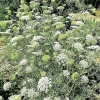
- Enhances Garden Aesthetics: The intricate, pure white flower heads of Queen Anne’s Lace create a beautiful, airy texture, perfect for softening garden edges, filling gaps, or providing a delicate backdrop to other colorful blooms. Their timeless beauty adds a touch of rustic charm.
- Attracts Pollinators: These flowers are a magnet for beneficial insects, including butterflies, bees, and predatory wasps, which help pollinate other plants and control garden pests. Planting Daucus Carota seeds contributes to a healthier, more vibrant garden ecosystem.
- Low Maintenance & Hardy: Once established, Queen Anne’s Lace requires very little care. It is drought-tolerant and adaptable to various soil types, making it an excellent choice for gardeners looking for beautiful, yet undemanding, plants.
- Excellent for Cut Flowers: The long-lasting blooms are superb for fresh floral arrangements, adding a wild, natural elegance to bouquets and centerpieces. Harvest them regularly to encourage more flowering throughout the season.
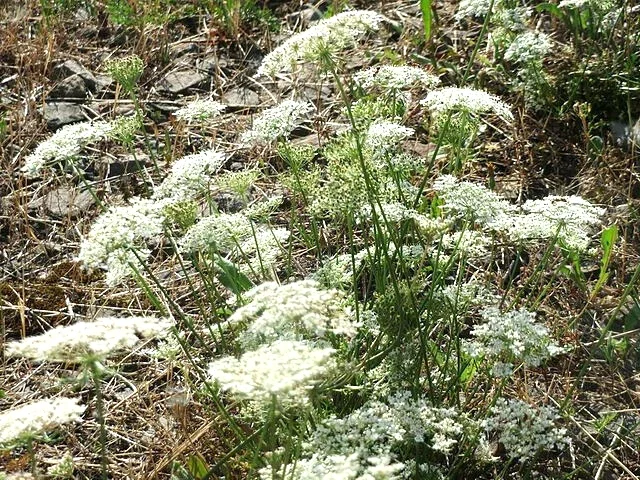
- Naturalizes Easily: These wild carrot seeds readily self-sow, allowing them to naturalize in suitable areas and create beautiful, expansive displays over time. This makes them perfect for meadows and large landscape projects.
- Edible Roots & Foliage: While primarily grown for its flowers, the taproot of young Queen Anne’s Lace is edible, resembling a small, pale carrot. The young leaves can also be added to salads. (Always confirm identification before consuming wild plants.)
- Cold Resistant & Fast Growing: Known for their resilience, these seeds are cold resistant and germinate relatively quickly, providing a fast-growing solution for garden beautification.
Plant Care & Growing Tips
Successfully growing Queen Anne’s Lace from our bulk flower seeds is straightforward, thanks to its robust nature. To ensure optimal growth, choose a location with full sun to partial shade. Full sun (at least 6 hours of direct sunlight per day) will promote the most abundant flowering, while partial shade can be tolerated, especially in hotter climates, though flowering might be less prolific. The specific climate suitability ranges from Highland, Marine West Coast, Mediterranean, Cold, to Temperate, making it a versatile choice for many regions.
When it comes to soil, Queen Anne’s Lace seeds prefer well-draining soil. While adaptable, they thrive in loam, peat, or sandy soils with a neutral pH. Avoid heavy, waterlogged soils, as this can lead to root rot. Prepare the seedbed by loosening the soil to a depth of 6-8 inches and removing any weeds. Sow the seeds directly outdoors in spring after the last frost, or in late summer/early fall for blooms the following year. Lightly cover the seeds with about 1/4 inch of soil, as they need some light to germinate. Keep the soil consistently moist until germination occurs, which typically takes 10-21 days.
Watering requirements for mature plants are medium; they are quite drought-tolerant but will benefit from occasional watering during prolonged dry spells. Fertilization is generally not necessary, especially in moderately fertile soil, as excessive nutrients can promote foliage growth over flowering. The plant habit is bushy and clumping, making it a great filler. This biennial typically flowers in its second year. For ongoing blooms, allow some plants to self-seed. These Daucus Carota seeds are very easy to cultivate, making them perfect for gardeners of all experience levels.
Size & Details
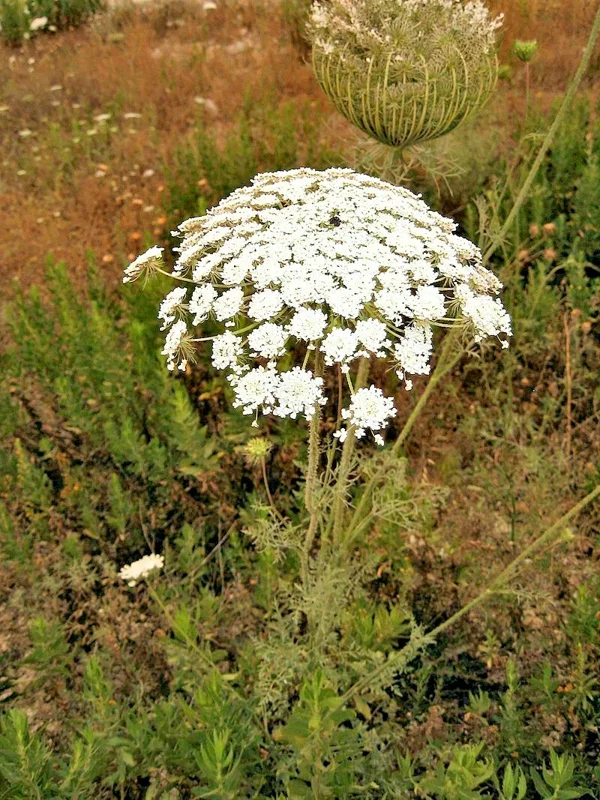
This offering includes a generous quantity of 10,000 Queen Anne’s Lace seeds (Daucus Carota). These bulk flower seeds are designed to provide extensive coverage for larger garden projects, meadows, or naturalized areas. Queen Anne’s Lace typically grows to a height of 2-4 feet (24-48 inches) with a spread of about 1-2 feet (12-24 inches) when mature, forming a bushy, clumping habit. The delicate white flower umbels can reach 2-4 inches in diameter.
As a biennial, the plant forms a rosette of fern-like foliage in its first year and then sends up flowering stalks in its second year, blooming from summer through fall. The seeds are shipped as fresh, new seeds, ready for planting. They are suitable for outdoor cultivation and are hardy in USDA Hardiness Zones 3 (-40 to -30 °F) and above, showcasing excellent cold resistance. With a very easy cultivating difficulty, you can expect a fast-growing and rewarding experience from these wild carrot seeds.
Frequently Asked Questions
- Q: How many Queen Anne’s Lace seeds are included in this bulk pack? A: This bulk pack contains approximately 10,000 Queen Anne’s Lace seeds, providing an ample supply for large garden projects or widespread naturalization.
- Q: What is the best time to plant these Daucus Carota seeds? A: For best results, sow the seeds directly outdoors in spring after the last frost, or in late summer/early fall for blooms the following year.
- Q: How tall does Queen Anne’s Lace typically grow? A: Queen Anne’s Lace generally grows to a height of 2-4 feet (24-48 inches) tall, with some variation depending on growing conditions.
- Q: Is Queen Anne’s Lace seeds considered an indoor or outdoor plant? A: Queen Anne’s Lace seeds are best suited for outdoor cultivation. They thrive in garden beds, meadows, and naturalized areas.
- Q: What kind of sunlight does this plant need? A: Queen Anne’s Lace prefers full sun (at least 6 hours of direct sunlight daily) but can tolerate partial shade, especially in warmer climates.
- Q: Is growing Queen Anne’s Lace difficult for beginners? A: No, growing Queen Anne’s Lace is considered very easy. It is a hardy and adaptable plant that requires minimal care once established.
- Q: What USDA Hardiness Zones are suitable for these seeds? A: These seeds are hardy and suitable for USDA Hardiness Zones 3 and above, demonstrating good cold resistance.
- Q: What type of soil is best for wild carrot seeds? A: Wild carrot seeds prefer well-draining soil types such as loam, peat, or sand, with a neutral pH.
- Q: Can the roots of Queen Anne’s Lace be eaten? A: Yes, the taproot of young Queen Anne’s Lace is edible and resembles a small, pale carrot. Always ensure proper identification before consuming any wild plant.
- Q: How long does it take for Queen Anne’s Lace to bloom from seed? A: As a biennial, Queen Anne’s Lace typically blooms in its second year after planting.





Reviews
There are no reviews yet.