Overview
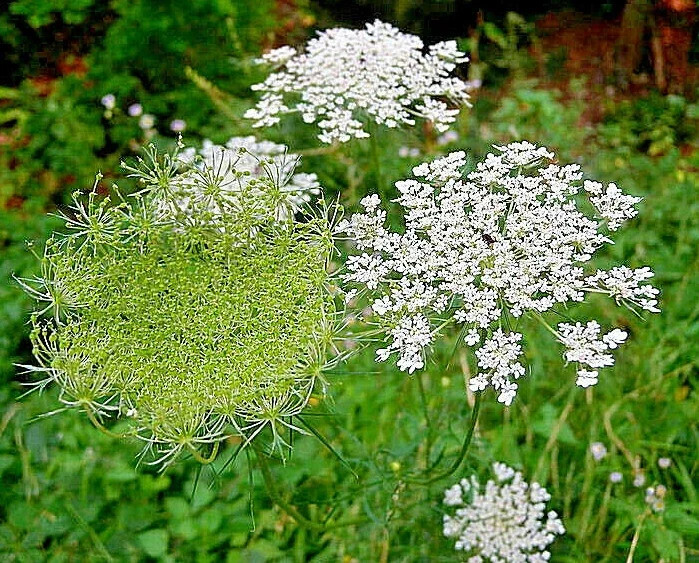
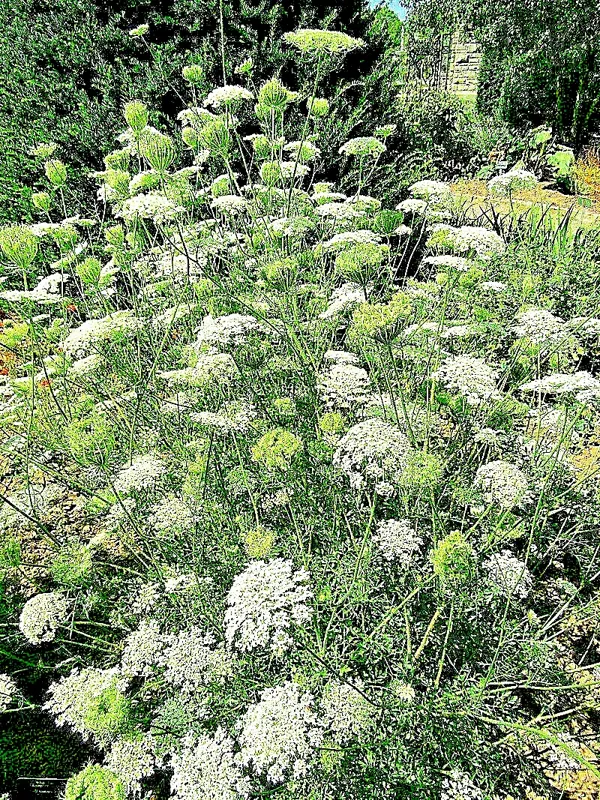
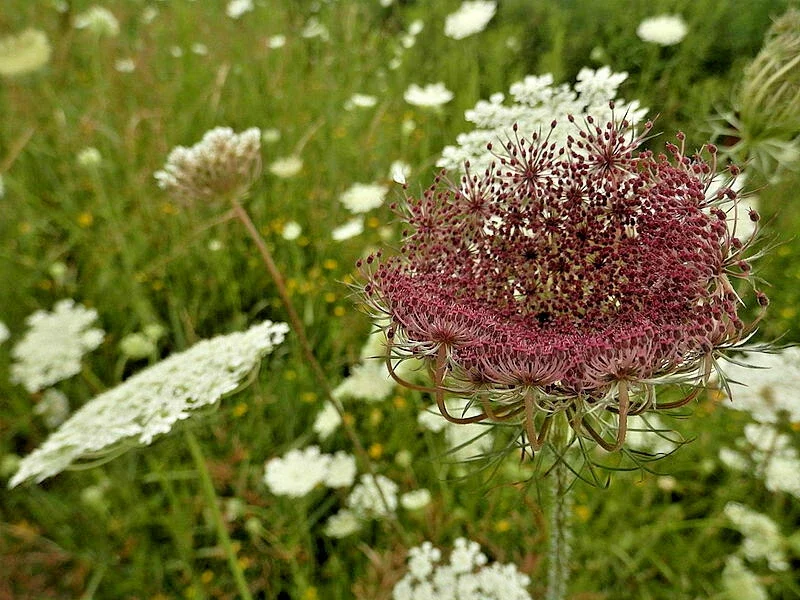
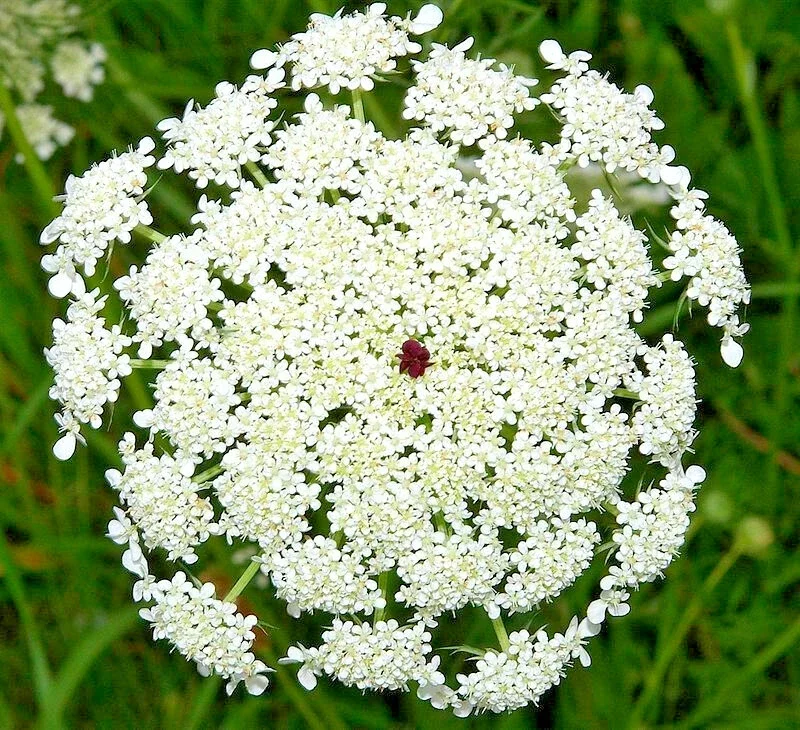
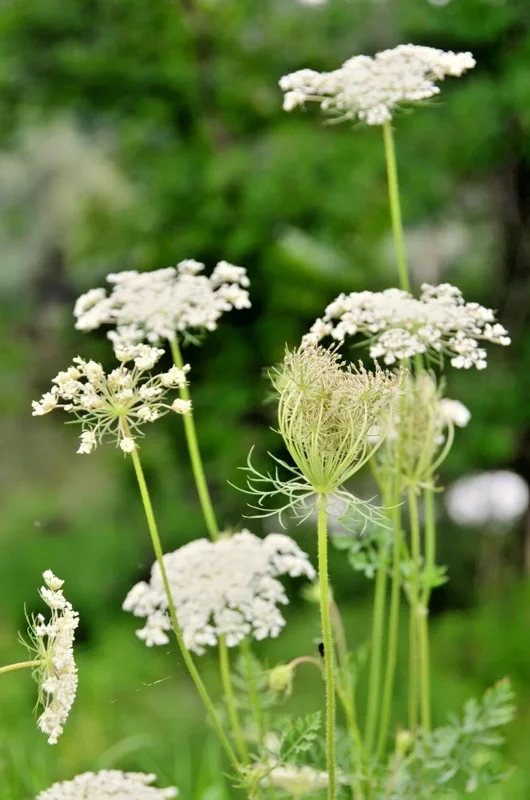
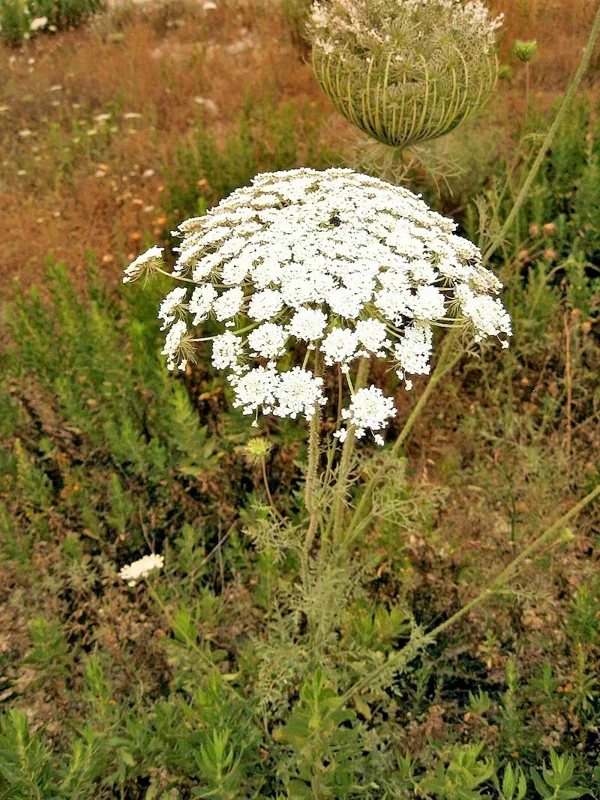
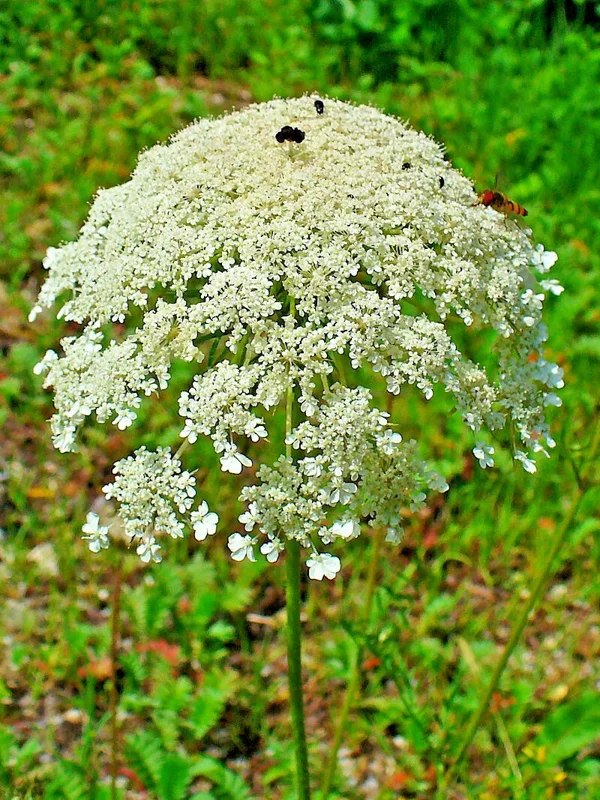
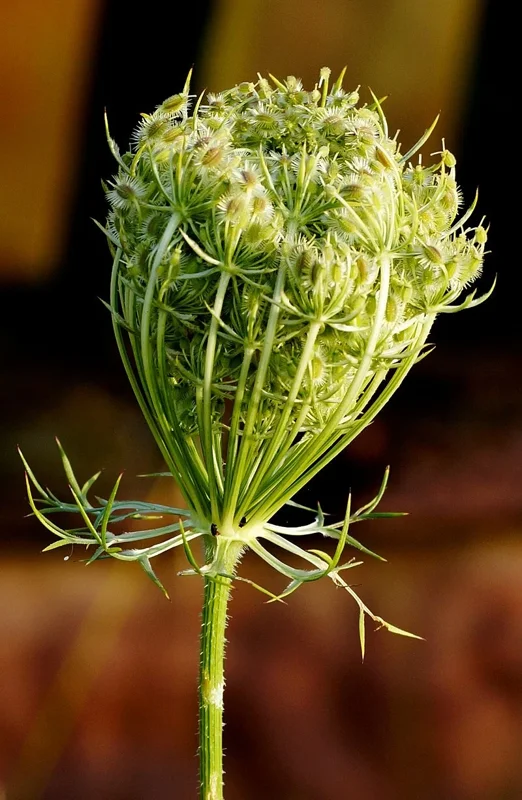
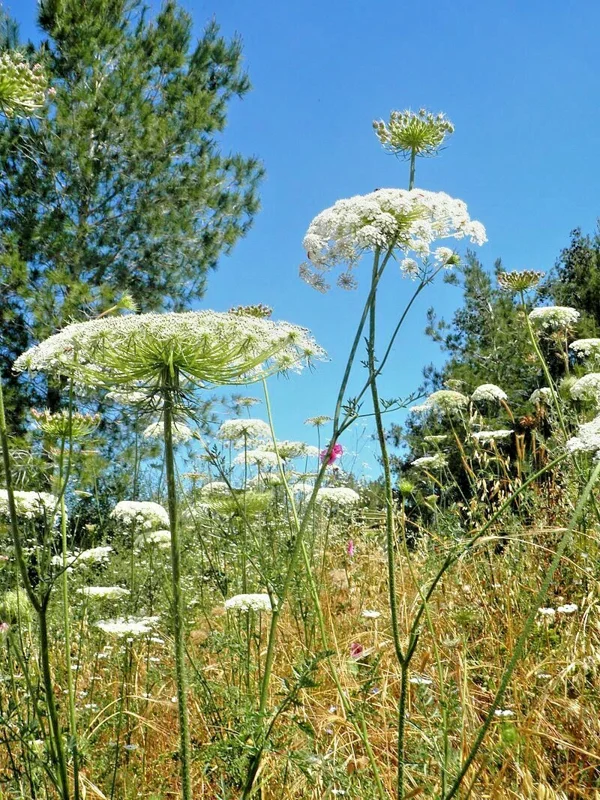
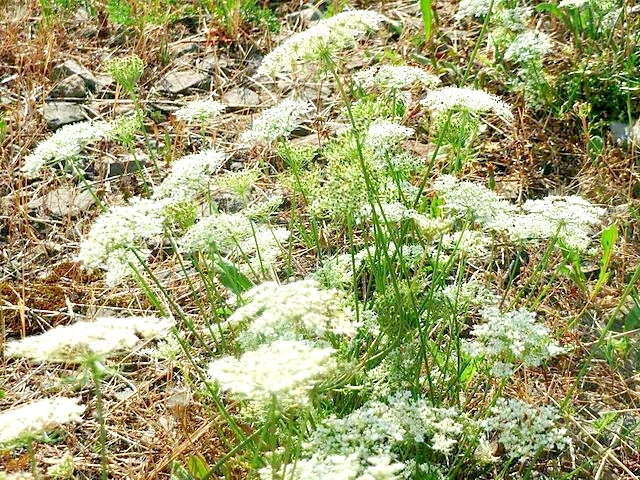
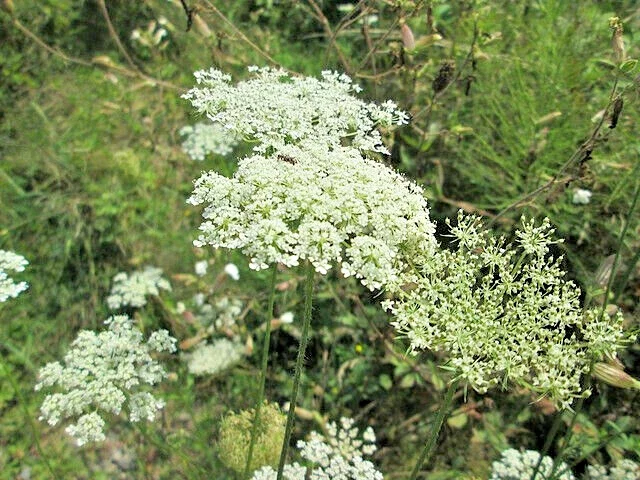
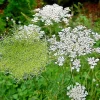
Introduce the timeless elegance of Queen Anne’s Lace seeds to your garden. Known scientifically as Daucus Carota, this beloved wildflower is celebrated for its intricate, lace-like white flower clusters that resemble delicate doilies. Often referred to as wild carrot seeds, Queen Anne’s Lace is a hardy biennial that establishes itself quickly, providing a stunning display in its second year. Perfect for cottage gardens, meadows, or naturalized landscapes, these seeds offer an opportunity to cultivate a plant that is both beautiful and beneficial to local ecosystems. Its presence attracts a variety of pollinators, including bees and butterflies, contributing to a vibrant and healthy garden environment. Our high-quality Daucus Carota seeds ensure a successful planting experience, allowing you to enjoy these iconic blooms with ease.
Key Benefits
Planting Queen Anne’s Lace seeds offers a multitude of benefits for both the gardener and the environment. These resilient wildflowers are incredibly easy to grow and maintain, making them an excellent choice for gardeners of all experience levels. Beyond their aesthetic appeal, they play a crucial role in supporting local wildlife.
- Attracts Pollinators: The umbrella-shaped flower heads of Queen Anne’s Lace are a magnet for bees, butterflies, and other beneficial insects, promoting biodiversity in your garden.
- Low Maintenance: Once established, these hardy biennial seeds require minimal care, thriving in a variety of conditions with little intervention.
- Naturalizes Easily: Ideal for creating wild, naturalistic landscapes, Queen Anne’s Lace readily self-seeds, establishing beautiful drifts over time.
- Versatile Garden Use: Perfect for adding a delicate, airy texture to flower beds, borders, rock gardens, or simply for filling open spaces with charming white blooms.
- Cut Flower Potential: The elegant flowers make lovely additions to fresh bouquets, bringing a touch of natural beauty indoors.
- Cold Resistant: As a hardy plant, Daucus Carota seeds are known for their ability to withstand colder climates, making them suitable for a wide range of USDA zones.
- Edible Roots: While primarily grown for its flowers, the taproot of young Queen Anne’s Lace is edible, resembling a small, tough carrot.
Plant Care & Growing Tips
Growing Queen Anne’s Lace seeds is a straightforward and rewarding experience, suitable for even novice gardeners. These resilient wildflowers prefer a site with ample sunlight and well-draining soil. For optimal growth, plant your Daucus Carota seeds in an area that receives full sun to partial shade, meaning at least 6 hours of direct sunlight per day. While they can tolerate some shade, more sun generally leads to more robust flowering. The ideal soil type is a loamy, sandy, or peat-rich mixture with a neutral pH. Good drainage is crucial to prevent root rot, so avoid heavy, waterlogged soils.
Watering requirements for Queen Anne’s Lace are moderate. Water regularly after planting until the seedlings are established, keeping the soil consistently moist but never soggy. Once mature, these plants are relatively drought-tolerant and will only need watering during extended dry periods. They are incredibly hardy, thriving in USDA Hardiness Zones 3-9, and can tolerate cold, temperate, and even some highland climates. Fertilization is generally not necessary, as Queen Anne’s Lace is adapted to grow in less fertile soils. Common problems include overcrowding, which can be managed by thinning seedlings. This hardy biennial seeds plant is known for its very easy cultivating difficulty, making it a joy to watch flourish in your garden space.
Size & Details
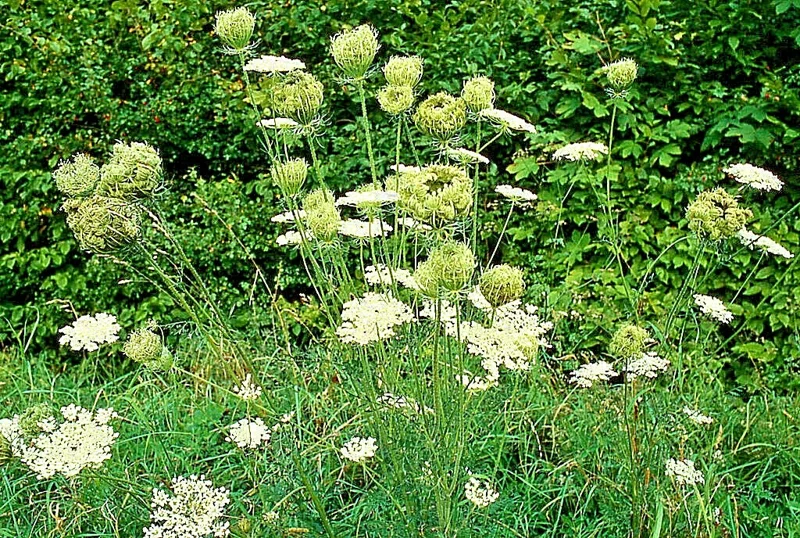
Each packet contains over 1000 Queen Anne’s Lace seeds, providing an abundant supply for establishing a beautiful wildflower patch or naturalizing a large area. These wildflower seeds bulk quantities ensure you have plenty to scatter and enjoy. Queen Anne’s Lace typically grows 1 to 4 feet tall, with a bushy and clumping growth habit, creating a lush display of foliage before flowering. The delicate white blooms emerge in the summer and continue into the fall, offering an extended season of interest. As a biennial, the plant forms a rosette of leaves in its first year and then flowers, sets seed, and dies in its second year, often self-seeding to continue the cycle. These seeds are perfect for outdoor planting and will establish quickly to bring a touch of natural beauty to your landscape.
Frequently Asked Questions
- Q: How big does Queen Anne’s Lace get? A: Queen Anne’s Lace typically grows between 1 and 4 feet tall, with a bushy growth habit. Its size can vary depending on soil fertility and sunlight exposure, but it generally creates a substantial presence in the garden.
- Q: Is this an indoor or outdoor plant? A: Queen Anne’s Lace seeds are intended for outdoor planting. This wildflower thrives in garden beds, meadows, and naturalized areas, preferring open spaces to grow and spread.
- Q: How much sunlight does it need? A: For best results, Queen Anne’s Lace requires full sun, meaning at least 6 hours of direct sunlight per day. It can tolerate partial shade, but flowering may be less prolific in shadier conditions.
- Q: Is this plant easy to care for? A: Yes, Queen Anne’s Lace is considered very easy to care for. Once established from Daucus Carota seeds, it is quite hardy and low-maintenance, making it an excellent choice for beginner gardeners or those seeking naturalistic planting.
- Q: What condition will the seeds arrive in? A: Your wildflower seeds bulk order will arrive as fresh, high-quality seeds, carefully packaged to ensure viability and readiness for planting. We ensure they are new seeds suitable for immediate or future sowing.
- Q: How long until it blooms? A: As a biennial, Queen Anne’s Lace will typically form foliage in its first year and then produce its characteristic white flowers in its second year, usually blooming from summer into fall.
- Q: Will it survive winter in my zone? A: Yes, Queen Anne’s Lace is very hardy and can survive winters in USDA Hardiness Zones 3-9. It is cold resistant and well-adapted to temperate climates, making it a reliable choice for many regions.
- Q: What is the best time to plant wild carrot seeds? A: The best time to plant wild carrot seeds is in spring or fall. Spring planting allows for germination after the last frost, while fall planting allows for natural stratification over winter, leading to spring germination.
- Q: Can the roots of Queen Anne’s Lace be eaten? A: Yes, the taproot of young Queen Anne’s Lace is edible, although it tends to be tougher and less flavorful than cultivated carrots. It should be harvested when young and tender.
- Q: Does this plant attract beneficial insects? A: Absolutely. One of the key benefits of planting Queen Anne’s Lace is its ability to attract a wide array of beneficial insects, including predatory wasps and ladybugs, which help control garden pests, as well as pollinators like bees and butterflies.




Reviews
There are no reviews yet.