Overview
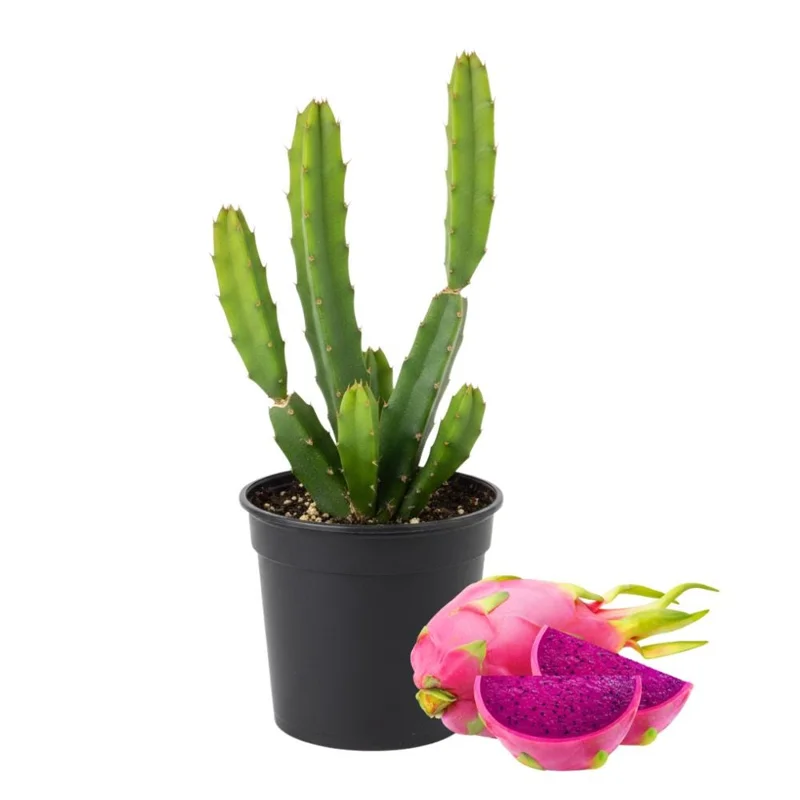
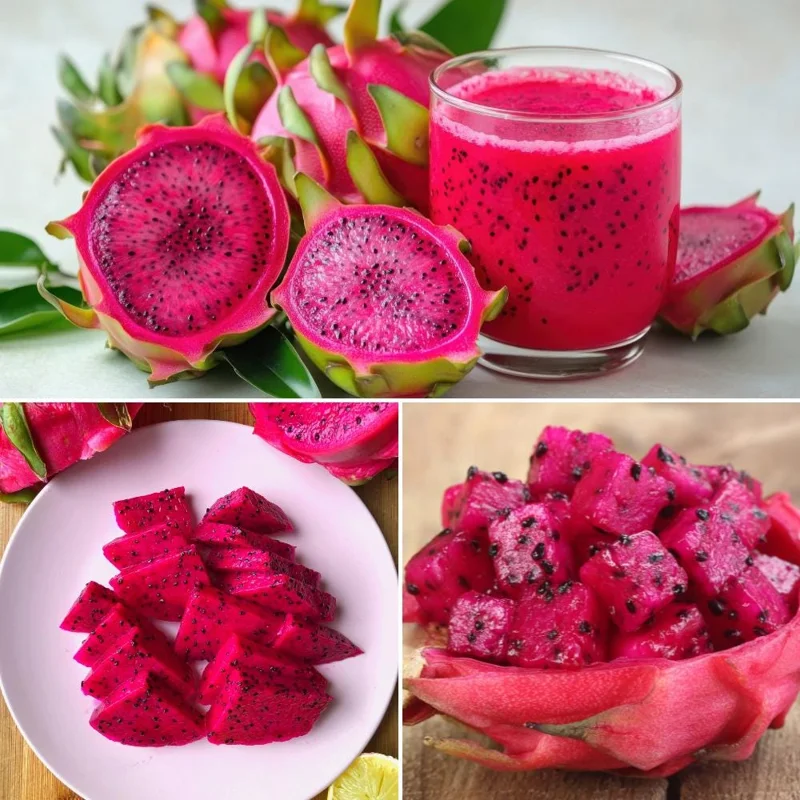
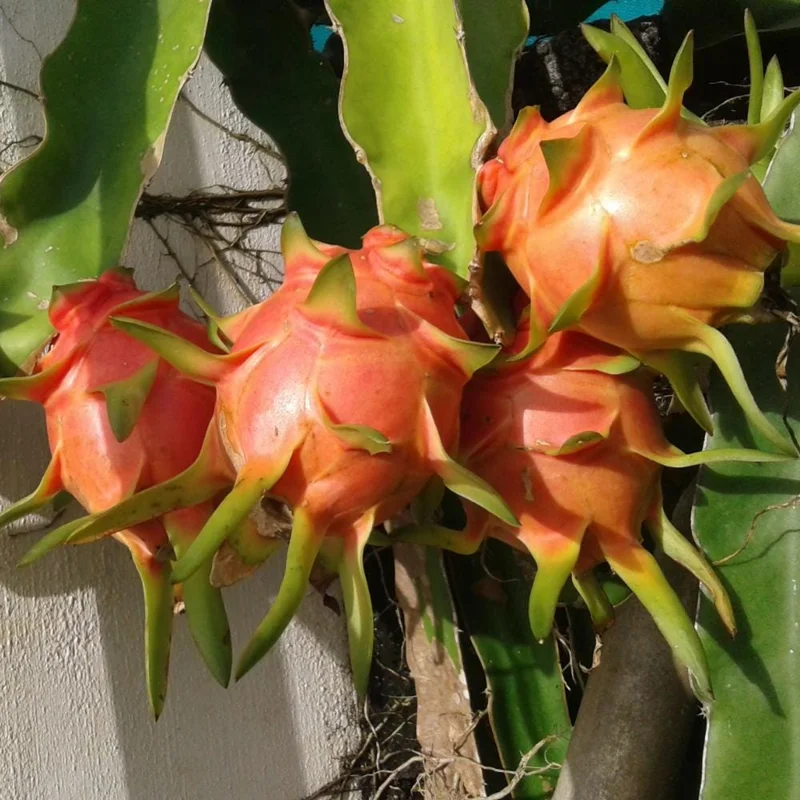
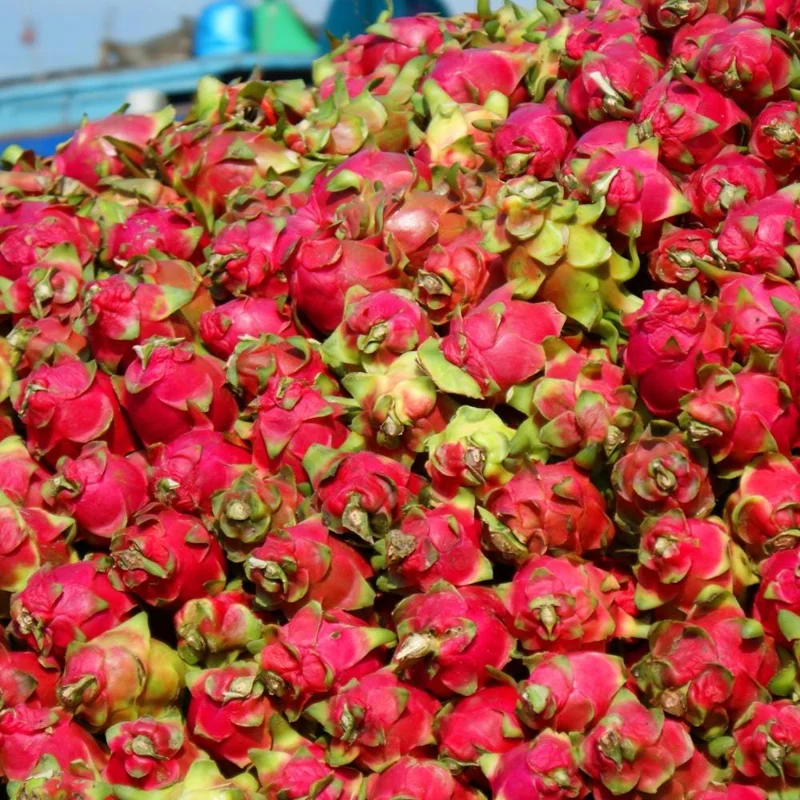
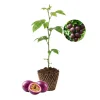
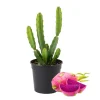
Embark on an exciting gardening journey with your very own red dragon fruit live plant. This vibrant and exotic climbing cactus, also known as Pitaya, offers not only a stunning visual appeal with its segmented green stems but also the promise of delicious, nutrient-rich fruit. Originating from Central and South America, the dragon fruit plant is a tropical marvel that can be grown in various settings, from sun-drenched gardens to bright indoor spaces. Our healthy young plants, measuring approximately 4-7 inches tall, are ready to establish themselves and begin their journey towards producing the iconic red-skinned fruit with white or red flesh speckled with tiny black seeds. Growing your own red dragon fruit live plant provides a rewarding experience, allowing you to enjoy fresh, organic produce right from your home.
The dragon fruit plant is a fascinating specimen, belonging to the cactus family but featuring a unique vining habit. It’s an excellent choice for gardeners looking for something out of the ordinary, providing both an ornamental display and a culinary delight. Whether you’re an experienced horticulturist or a budding green thumb, cultivating this plant is an accessible and enjoyable endeavor. Its robust nature and relatively straightforward care make it a popular choice for those wanting to add a touch of the tropics to their environment.
Key Benefits
Bringing a red dragon fruit live plant into your home or garden offers a multitude of advantages beyond just its exotic appeal. This versatile plant provides both aesthetic beauty and practical benefits for any plant enthusiast.
Delicious Edible Fruit: The primary draw of the red dragon fruit live plant is its ability to produce the highly sought-after dragon fruit. Known for its subtly sweet taste and vibrant appearance, dragon fruit is a healthy addition to smoothies, salads, or enjoyed on its own.
Unique Ornamental Value: With its distinct segmented stems and climbing habit, this plant serves as an intriguing decorative element. It adds a tropical flair to patios, balconies, or indoor spaces, especially when trained on a trellis.
Relatively Low Maintenance: As a cactus, the red dragon fruit live plant is surprisingly resilient and forgiving. It tolerates periods of drought and doesn’t demand constant attention, making it suitable for busy gardeners.
Adaptable Growth: This adaptable plant can thrive in various environments, from large garden beds to containers, as long as it receives adequate sunlight and support for its climbing habit.
Health Benefits of Fruit: Dragon fruit is packed with antioxidants, vitamins, and fiber, contributing to a healthy diet and offering a range of nutritional advantages.
Engaging Growing Experience: Watching the plant grow, flower, and eventually fruit is a deeply satisfying experience, connecting you with nature and the joy of self-sufficiency.
Plant Care & Growing Tips
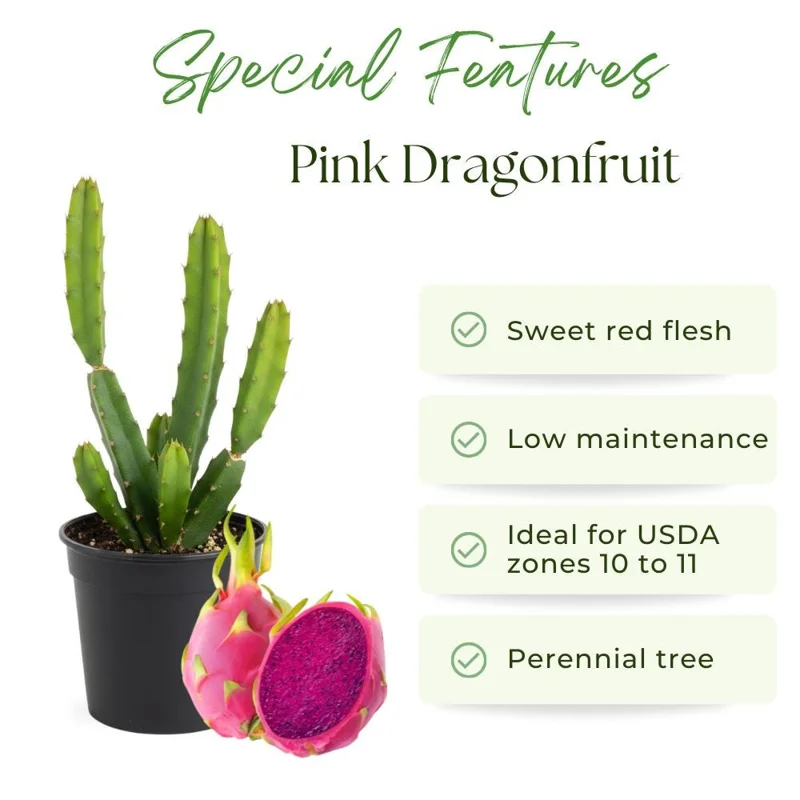
Caring for your red dragon fruit live plant is a rewarding experience that requires understanding its specific needs to ensure healthy growth and fruit production. This climbing cactus thrives in conditions that mimic its native tropical environment. For optimal development, provide plenty of warmth and sunlight. It performs best in USDA hardiness zones 10–11, where it can be grown outdoors year-round. In cooler climates, it can be grown in containers and brought indoors during colder months, making it a versatile choice for many gardeners interested in how to grow dragon fruit.
When it comes to sunlight, the red dragon fruit live plant prefers full sun to partial sunlight. Aim for at least 6 hours of direct sunlight per day if growing outdoors. If indoors, place it near a bright south-facing window or under grow lights. Water moderately, allowing the top few inches of soil to dry out completely between watering sessions. Overwatering can lead to root rot, so good drainage is crucial. Use a well-draining potting mix, ideally one formulated for cacti or succulents, or a general potting mix amended with perlite or sand. Provide a sturdy trellis or support structure early on, as the plant will develop a trailing habit and needs something to climb.
Fertilize your dragon fruit plant during its active growing season (spring and summer) with a balanced, slow-release fertilizer or a liquid fertilizer diluted to half strength. Reduce fertilization in fall and winter. Monitor for common pests like aphids or mealybugs and treat with insecticidal soap if necessary. Pruning can help manage the plant’s size and encourage branching, leading to more fruit production. With proper care, your red dragon fruit live plant will flourish, eventually rewarding you with its exotic and delicious fruit, making it an excellent edible cactus plant.
Size & Details
This offering includes one healthy red dragon fruit live plant, meticulously grown and prepared for shipping. Each plant measures approximately 4 to 7 inches tall from the base of the soil to the tip of its tallest stem. These young plants are shipped in a nursery pot, ready for transplanting into a larger container or directly into your garden if conditions allow. Dragon fruit plants are known for their relatively fast growth rate under ideal conditions, quickly developing into a substantial dragon fruit climbing cactus. While they can reach impressive sizes in their natural habitat, they can be maintained at a manageable size through pruning when grown in containers.
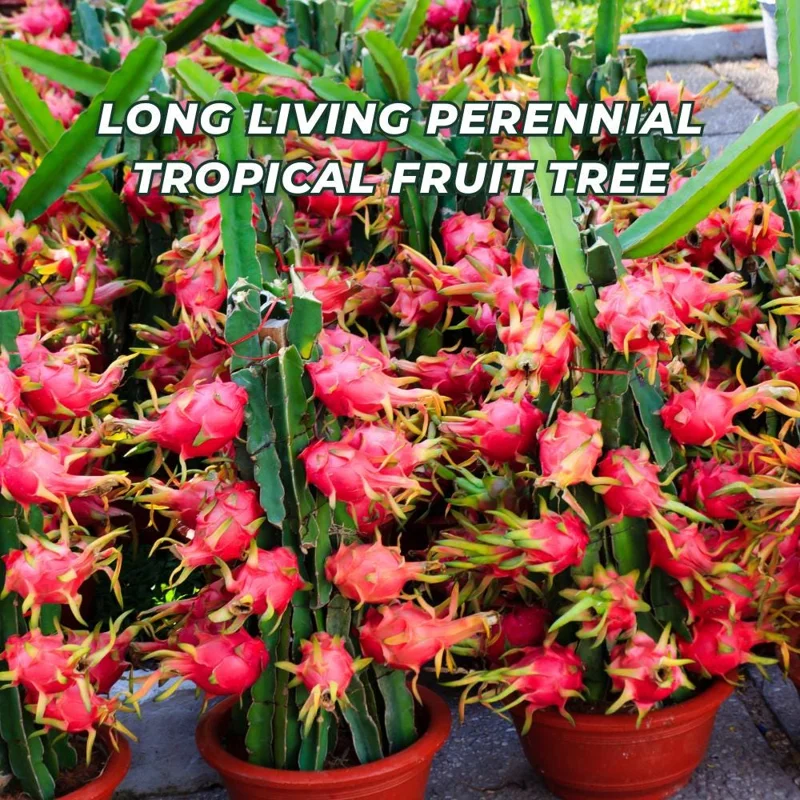
The plant will arrive with segmented green stems, indicative of its cactus lineage. It requires a support structure, such as a trellis or post, to facilitate its climbing and trailing habit. Expect the plant to establish itself within a few weeks of planting. While fruiting time varies depending on growing conditions and maturity, a well-cared-for plant can begin producing fruit within 1-3 years. This red pitaya plant is a long-lived perennial, promising many seasons of growth and potential harvests.
Frequently Asked Questions
Q: How big does this plant get? A: This red dragon fruit live plant is shipped at 4-7 inches tall. With proper care and support, it can grow several feet long as a climbing vine, but its size can be managed through regular pruning.
Q: Is this an indoor or outdoor plant? A: This plant is suitable for both indoor and outdoor growing. Outdoors, it thrives in USDA zones 10-11. In cooler climates, it can be grown indoors near a bright window or brought inside during winter.
Q: How much sunlight does it need? A: Your dragon fruit climbing cactus prefers full sun to partial sunlight, ideally receiving at least 6 hours of direct sun daily for optimal growth and fruit production.
Q: Is this plant easy to care for? A: Yes, dragon fruit plants are relatively easy to care for, especially for a tropical edible cactus plant. They require well-draining soil, moderate watering, and a support structure for climbing.
Q: What condition will it arrive in? A: Your plant will arrive healthy and well-packaged in a nursery pot, ready for you to transplant and begin its journey in your home or garden.
Q: How long until it blooms and fruits? A: A healthy red dragon fruit live plant can begin to flower and produce fruit within 1 to 3 years, depending on growing conditions and maturity.
Q: What’s the minimum temperature it can tolerate? A: Dragon fruit plants are sensitive to cold. They prefer temperatures above 50°F (10°C) and should be protected from frost, making them suited for warm climates or indoor cultivation.
Q: Can I grow this red pitaya plant in a container? A: Absolutely! This plant is an excellent candidate for container growing, especially if you need to move it indoors during colder months. Ensure the container has good drainage and provide a trellis.
Q: What kind of soil is best for this edible cactus plant? A: A well-draining soil mix is crucial. A cactus or succulent mix, or a standard potting mix amended with perlite or sand, works well to prevent waterlogging.
Q: How often should I water my dragon fruit plant? A: Water thoroughly when the top few inches of soil are dry to the touch. It’s better to underwater than overwater, as excessive moisture can lead to root issues. Adjust frequency based on temperature and humidity.





Reviews
There are no reviews yet.