Overview
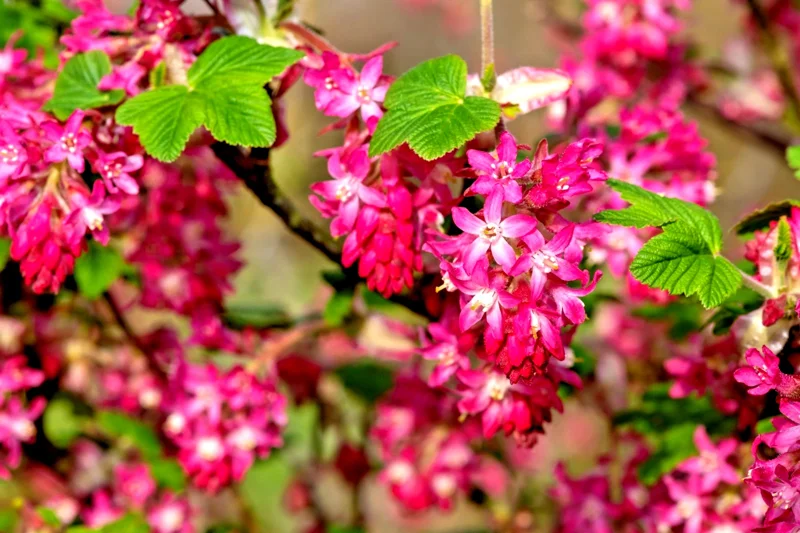
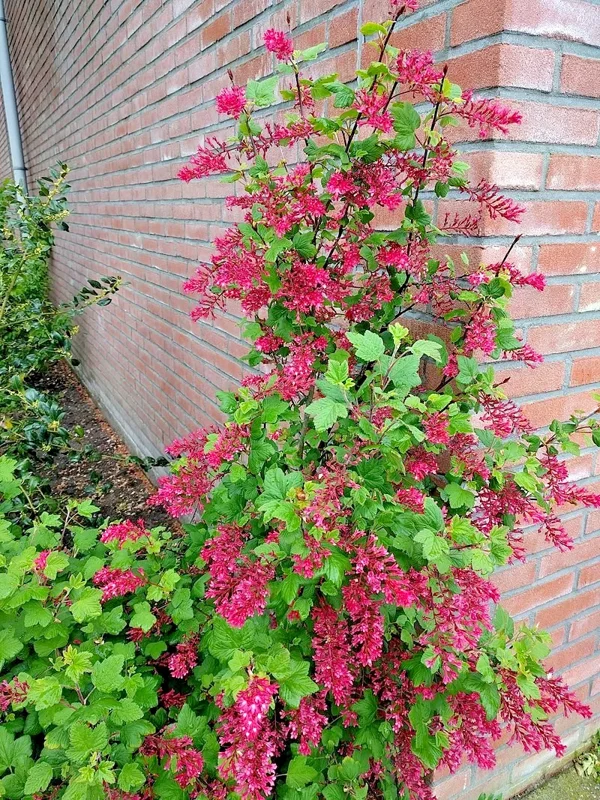
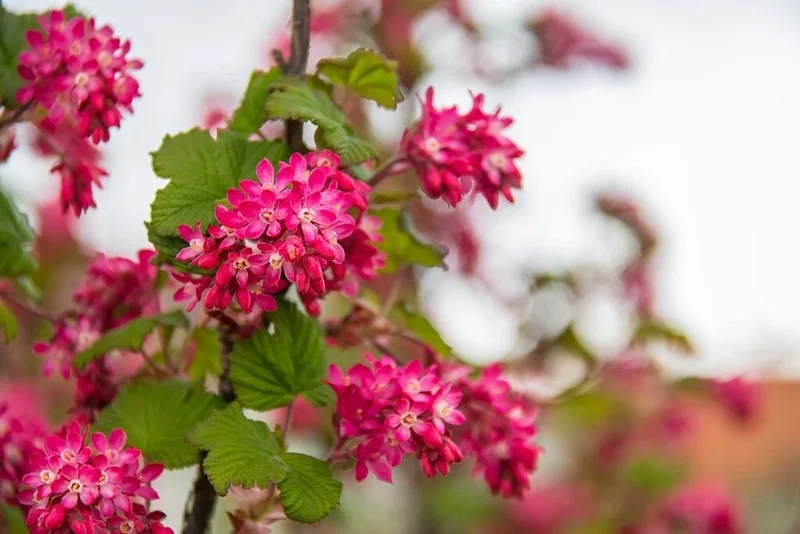
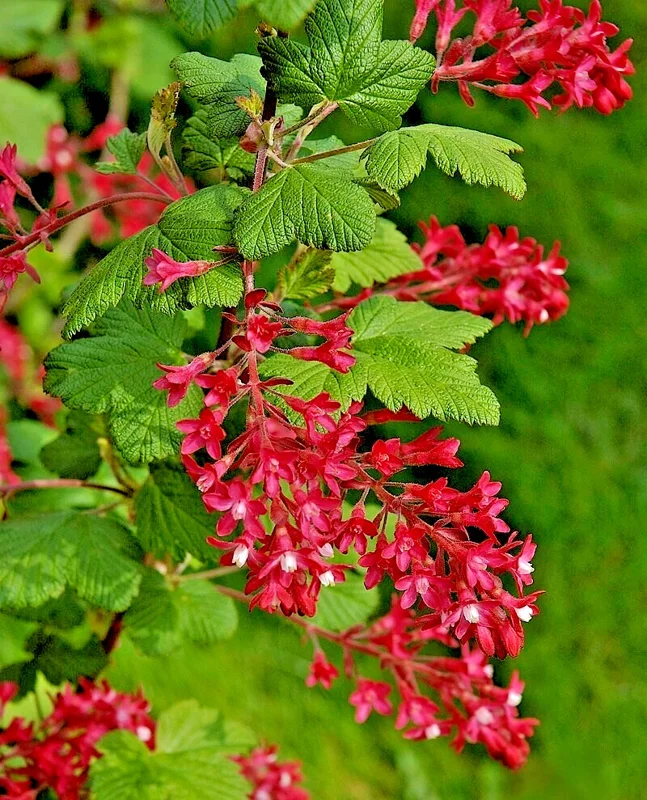
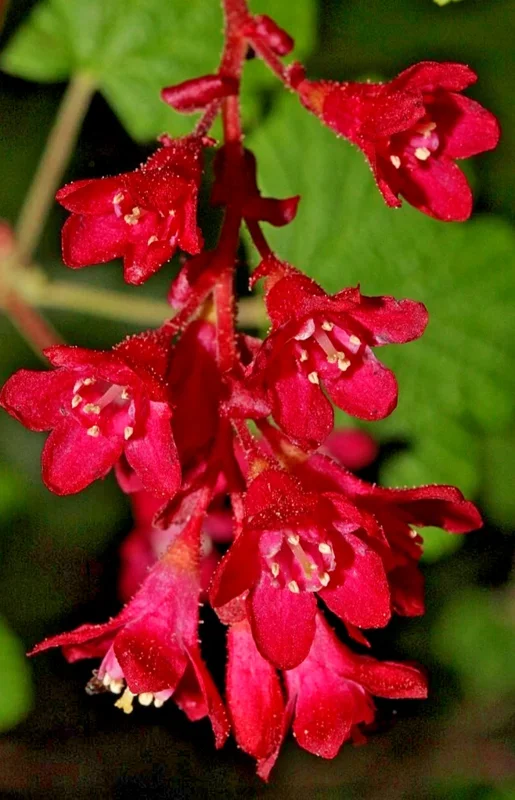
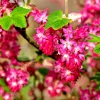
Embark on a rewarding gardening journey with our premium red flowering currant seeds. This offering includes 500 high-quality seeds of Ribes sanguineum, commonly known as the Red Flowering Currant. This remarkable plant is celebrated for its stunning clusters of red to pink flowers that emerge in early spring, providing a vital nectar source for pollinators and a spectacular visual display in any garden. Beyond its ornamental beauty, this deciduous shrub produces small, dark, and tasty edible berry seeds, which can be enjoyed fresh or used in jams, jellies, and desserts. Growing from seed allows you to cultivate a robust and naturalized habitat, perfect for attracting birds and beneficial insects, while adding a touch of wild elegance to your landscape. Whether you’re an experienced horticulturist or a budding gardener, these Ribes sanguineum seeds offer an exciting opportunity to grow a versatile and resilient plant.
The Red Flowering Currant is a native shrub to western North America, making it well-adapted to various climates. It’s a fantastic choice for those looking to enhance biodiversity and create a sustainable garden space. With proper care, these seeds will germinate into healthy plants that thrive for years, offering both aesthetic pleasure and a bountiful harvest of berries. This pack of 500 seeds provides ample opportunity for extensive planting, whether you’re creating a hedge, a border, or integrating them into a naturalistic planting scheme.
Key Benefits
The red flowering currant seeds offer a multitude of benefits for both your garden and the local ecosystem. From their early spring display to their delicious fruit, these plants are a true asset.
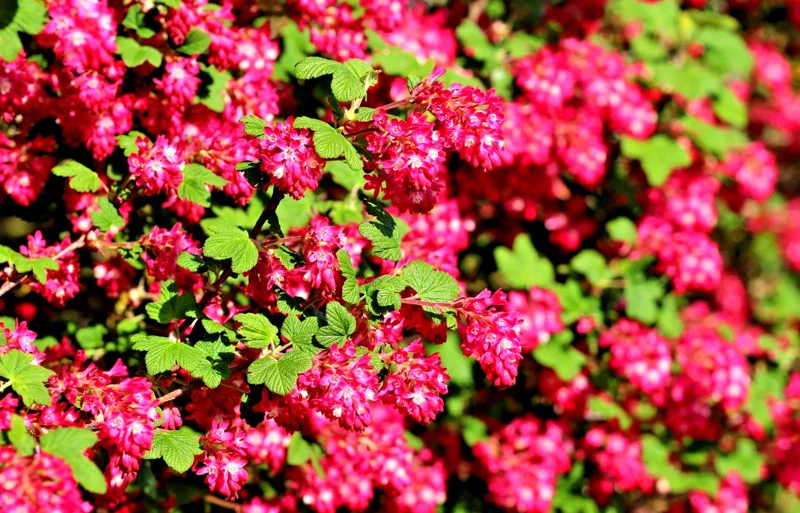
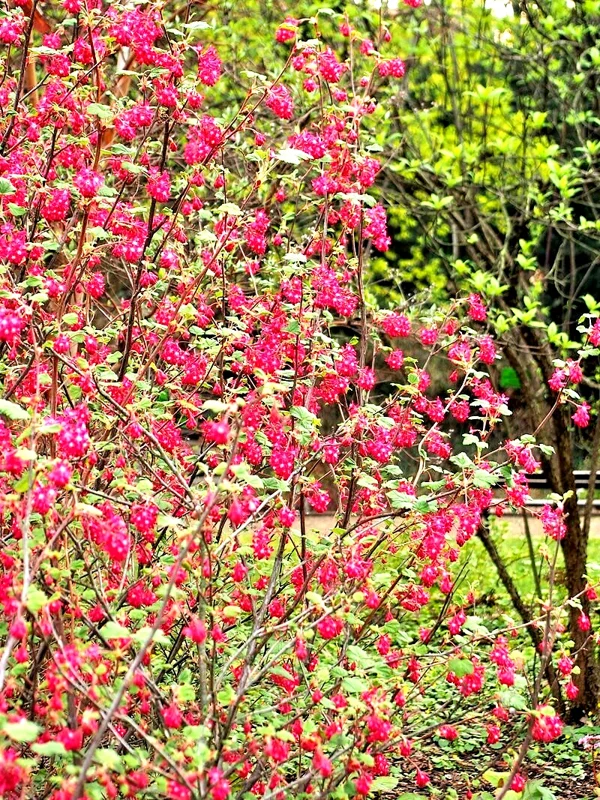
- Stunning Spring Blooms: Witness an explosion of vibrant red to pink flowers in early spring, providing a breathtaking spectacle and an important food source for early-season pollinators like hummingbirds and bees. These blooms are a welcome sign of spring after a long winter.
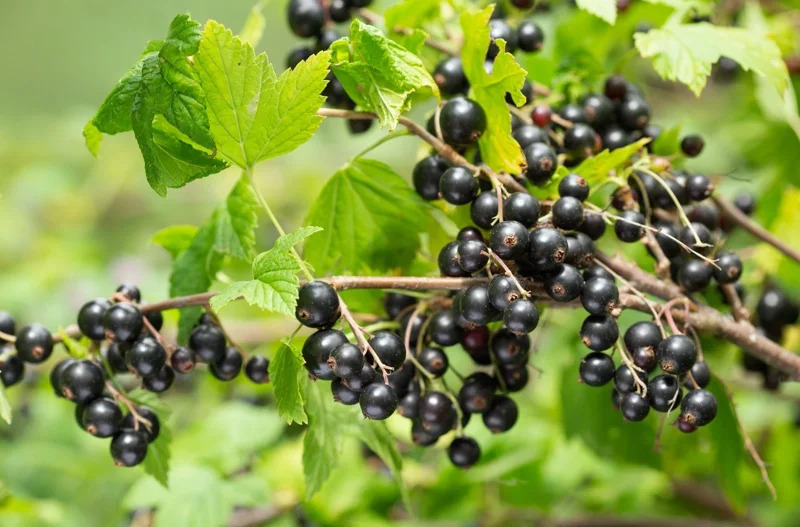
- Delicious Edible Berries: Enjoy small, dark, and flavorful berries that mature in summer. These edible berry seeds develop into fruits rich in antioxidants, perfect for fresh consumption, baking, or making preserves, offering a unique taste profile.
- Attracts Wildlife: The flowers draw in hummingbirds and butterflies, while the berries are a favorite food source for various bird species, contributing to a healthy and active garden ecosystem. Supporting local wildlife is a key benefit of planting perennial currant seeds.
- Low Maintenance & Hardy: Once established, the Red Flowering Currant is remarkably drought-tolerant and requires minimal care, making it an excellent choice for busy gardeners or those in drier climates. It’s a resilient plant that can withstand various conditions.
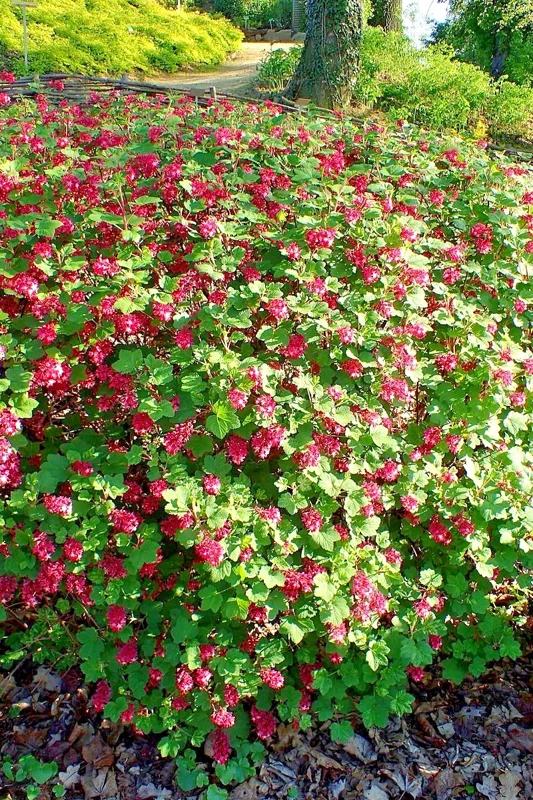
- Versatile Landscape Use: Ideal for hedges, borders, woodland gardens, or as a specimen plant, its clumping growth habit adds structure and beauty to diverse garden designs. The versatility of flowering shrub seeds makes them suitable for many applications.
- Erosion Control: Its extensive root system helps stabilize soil, making it beneficial for planting on slopes or in areas prone to erosion. This practical benefit adds to the plant’s value.
- Cold Resistant: Known for its ability to withstand cold temperatures, it thrives in a wide range of USDA hardiness zones, ensuring successful growth in many regions.
Plant Care & Growing Tips
Growing red flowering currant seeds successfully begins with proper planting and ongoing care. These hardy shrubs are relatively easy to establish and maintain, rewarding you with beautiful blooms and tasty berries.
For germination, cold stratification is often beneficial. Place the seeds in a moist medium (like sand or peat moss) in a sealed bag and refrigerate for 2-3 months. After stratification, sow the seeds shallowly in a well-draining soil mix, either indoors 6-8 weeks before the last frost or directly outdoors in early spring after the danger of frost has passed. Ensure consistent moisture during germination. Once seedlings emerge, provide them with plenty of light, gradually acclimating them to outdoor conditions if started indoors. The Red Flowering Currant prefers a site with full sun to partial shade. While it can tolerate some shade, full sun exposure will result in the most abundant flowering and fruiting. Aim for at least 6 hours of direct sunlight per day for optimal growth. The plant is adaptable to various soil types, including loam, peat, sand, and silt, but it absolutely requires well-draining soil. Avoid heavy clay soils that retain too much moisture, as this can lead to root rot. A neutral soil pH is generally preferred.
Watering requirements are moderate. During its establishment phase, water regularly to keep the soil consistently moist but not waterlogged. Once established, it becomes quite drought-tolerant, particularly in cooler climates. However, during prolonged dry spells, occasional deep watering will be beneficial. Fertilization is typically not essential for established plants, especially if planted in fertile soil. If your soil is poor, a balanced, slow-release fertilizer applied in early spring can encourage growth. Pruning can be done in late winter or early spring to remove dead or weak branches and to shape the shrub. This also encourages new growth and better berry production. The Red Flowering Currant is generally pest and disease resistant, but monitor for common garden issues like aphids or powdery mildew, and address them promptly with organic solutions if possible. These perennial currant seeds will grow into robust plants that require minimal intervention once mature.
Size & Details
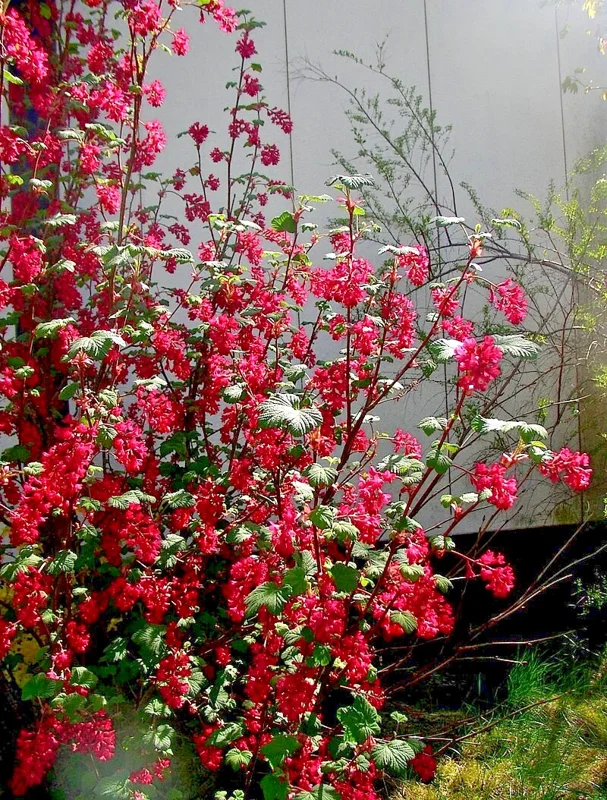
This package contains 500 red flowering currant seeds, providing a generous quantity for planting multiple shrubs or for larger landscaping projects. The Red Flowering Currant (Ribes sanguineum) is a deciduous shrub that typically grows to a height of 6-10 feet (1.8-3 meters) with a similar spread, forming a dense, clumping habit. The growth rate is considered moderate to fast, allowing you to establish a sizable plant within a few years. Flowers appear in early spring, typically from March to May, followed by berries that ripen in summer, usually from July to August. These flowering shrub seeds will develop into plants that are cold resistant and suitable for USDA Hardiness Zones 6-10, making them versatile for many regions across the United States. The seeds are fresh and ready for planting, offering a high potential for successful germination when provided with proper stratification and growing conditions.
Frequently Asked Questions
- Q: How many Red Flowering Currant plants can I expect from 500 seeds? A: While germination rates vary, with 500 red flowering currant seeds, you can expect a good number of successful seedlings. Many gardeners plant extra to account for natural attrition, ensuring a healthy stand of plants.
- Q: Is this an indoor or outdoor plant? A: The Red Flowering Currant (Ribes sanguineum) is an outdoor perennial shrub. It thrives in various outdoor garden settings and is not typically grown as an indoor plant.
- Q: How much sunlight does the Red Flowering Currant need? A: This plant prefers full sun to partial shade. For the best flowering and fruiting, aim for at least 6 hours of direct sunlight per day.
- Q: Is this plant easy to care for? A: Yes, once established, the Red Flowering Currant is considered low maintenance and quite hardy. It’s an excellent choice for both beginner and experienced gardeners.
- Q: What condition will the seeds arrive in? A: Your Ribes sanguineum seeds will arrive fresh and carefully packaged, ready for you to begin the stratification and planting process.
- Q: When is the best time to plant these perennial currant seeds? A: After cold stratification, sow seeds indoors 6-8 weeks before the last frost or directly outdoors in early spring once the danger of frost has passed.
- Q: Will the Red Flowering Currant survive winter in my zone? A: Yes, these plants are cold resistant and hardy in USDA Zones 6-10, meaning they are well-equipped to survive winter in these regions.
- Q: Can I use the berries from these plants? A: Absolutely! The berries are edible and can be enjoyed fresh, or used to make delicious jams, jellies, and other culinary treats. They are a true benefit of growing edible berry seeds.
- Q: What type of soil is best for red flowering currant seeds? A: The plant prefers well-draining soil, adaptable to loam, peat, sand, or silt, with a neutral pH. Good drainage is key to preventing root issues.
- Q: How tall does the Red Flowering Currant typically grow? A: These shrubs generally reach a height of 6-10 feet (1.8-3 meters) with a similar spread, forming a beautiful, clumping form in your garden.



Reviews
There are no reviews yet.