Overview
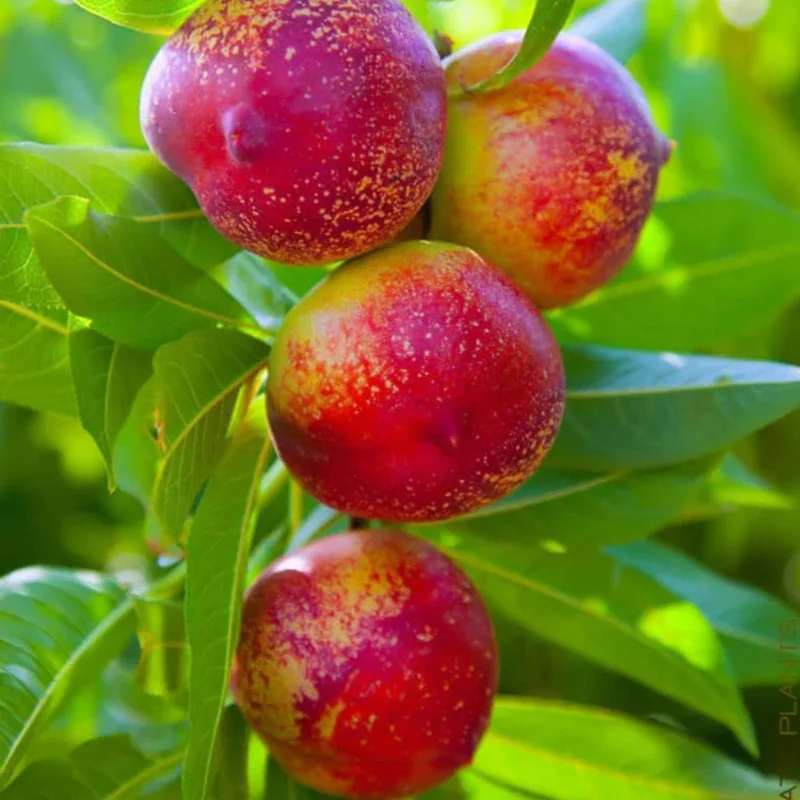
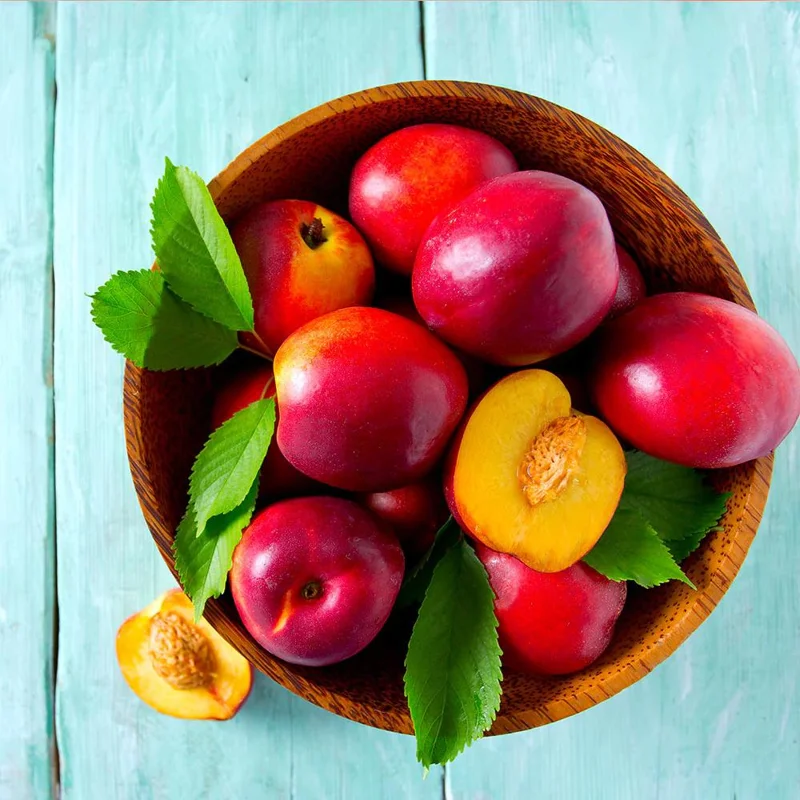
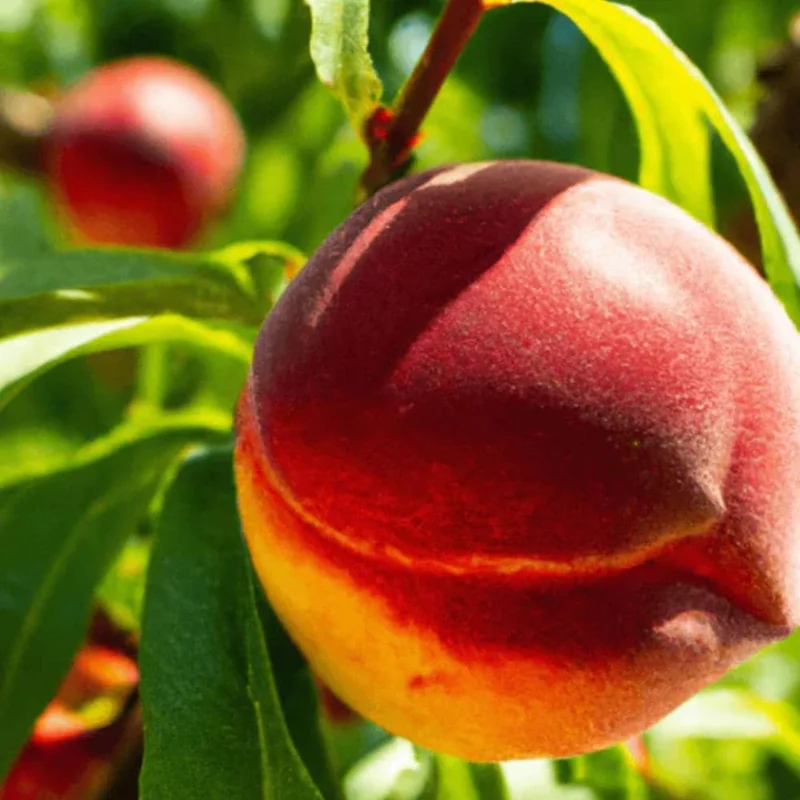
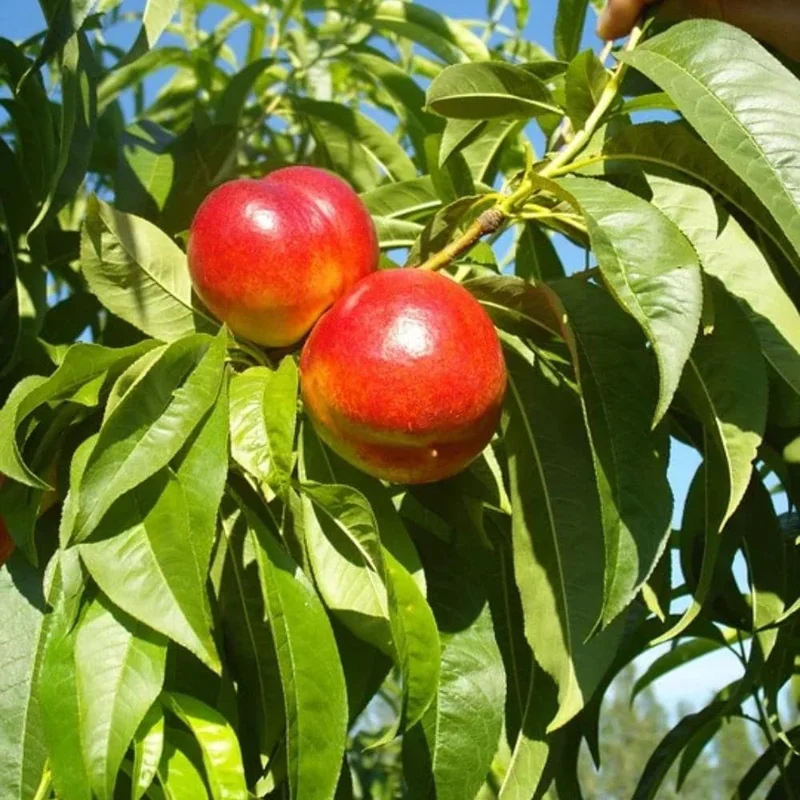
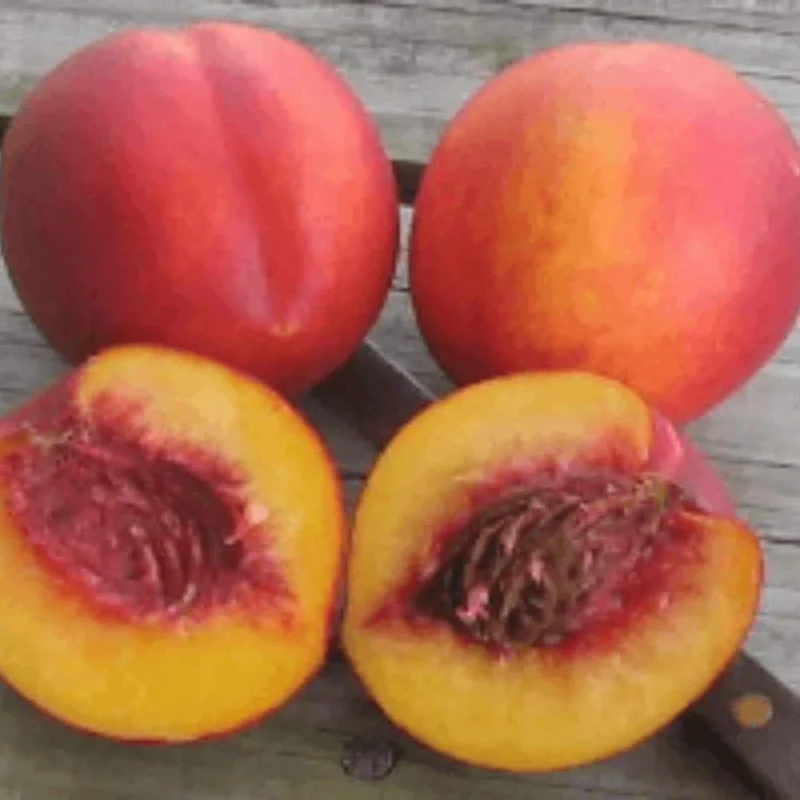
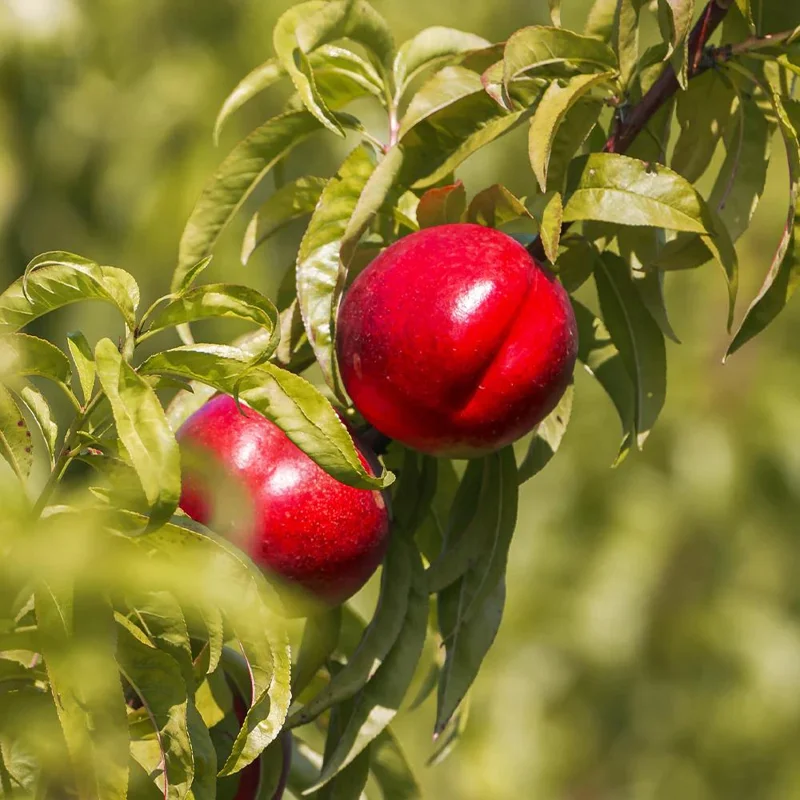
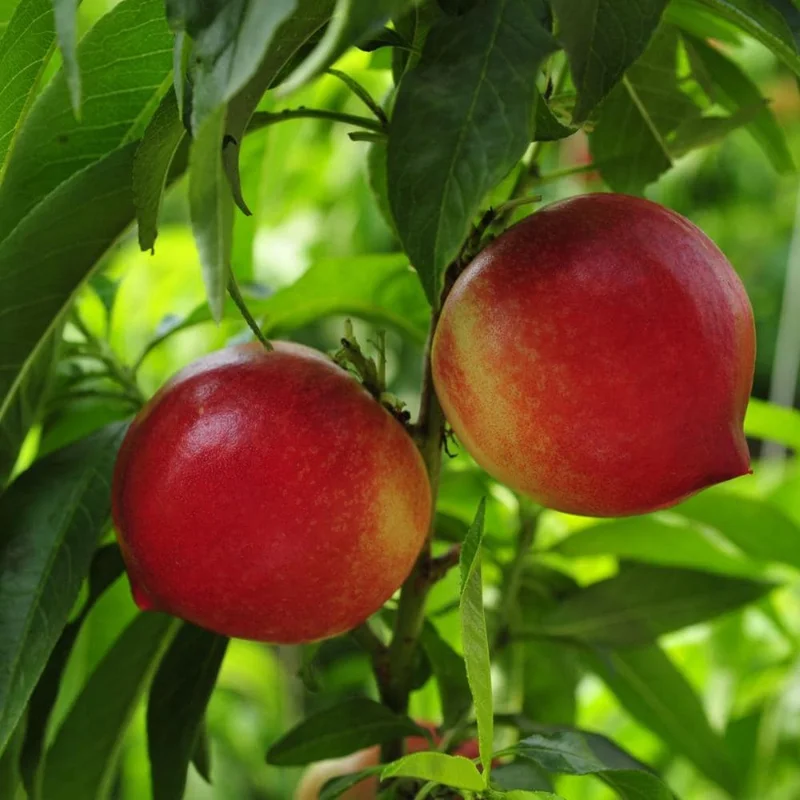
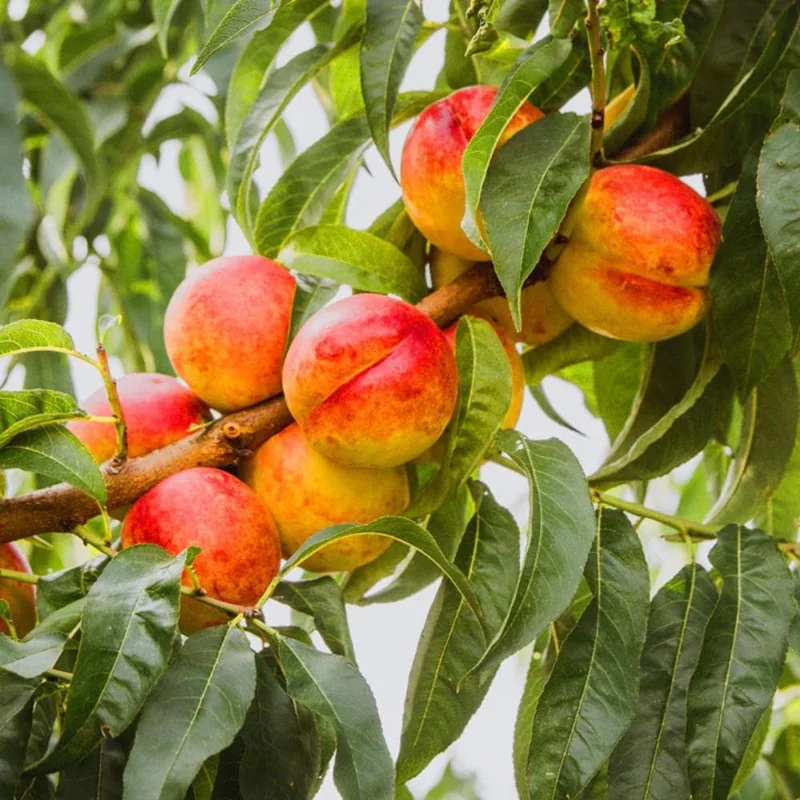
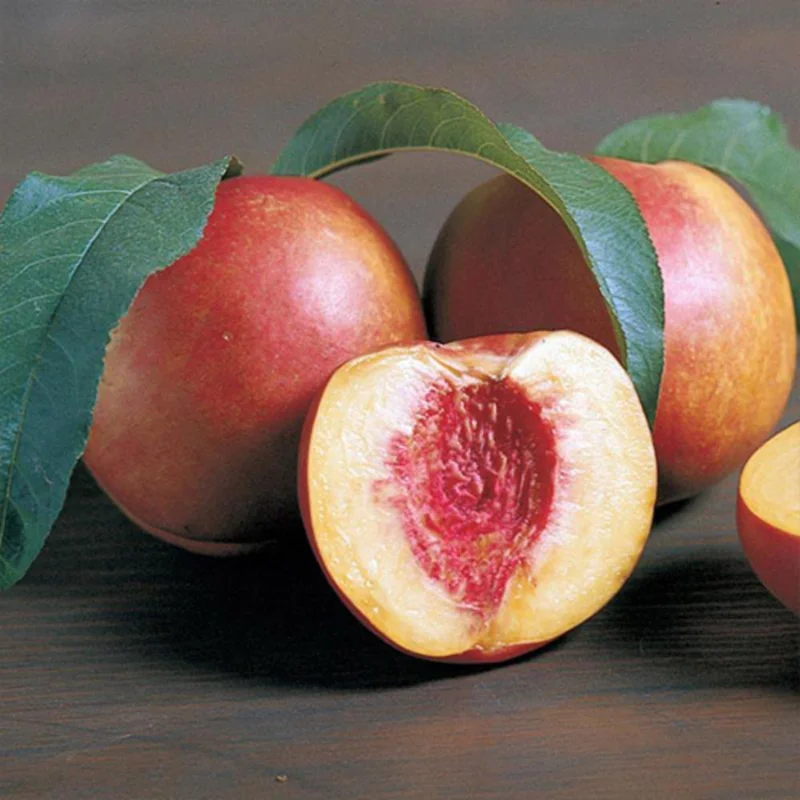
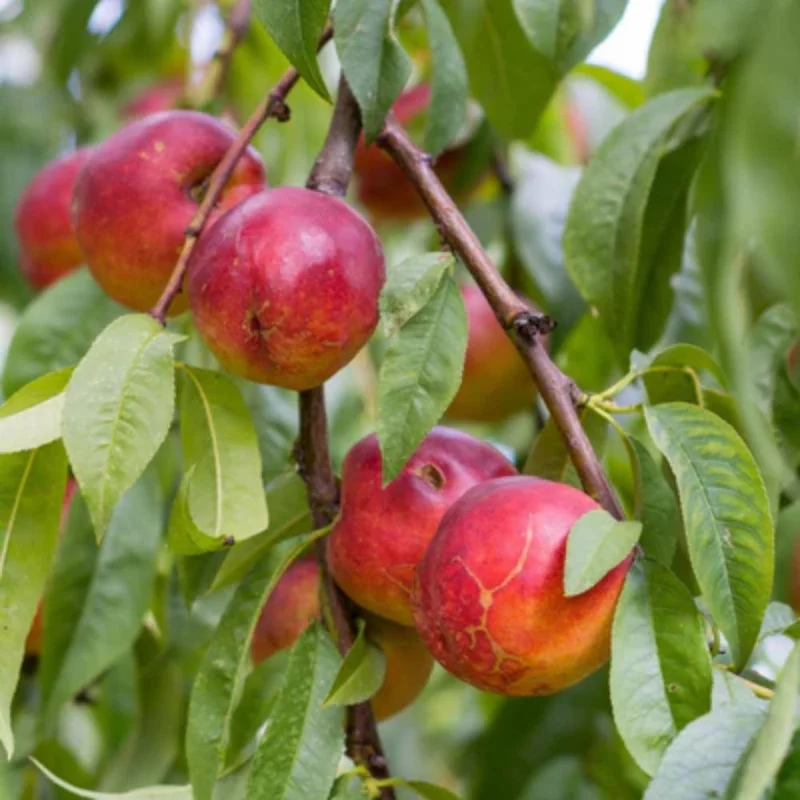
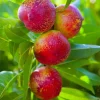
Bring the joy of fresh, homegrown fruit to your garden with a Red Gold Nectarine Tree live plant. This vigorous and productive fruit tree is renowned for its delicious, freestone nectarines that boast a beautiful red blush over a golden-yellow skin. Each Red Gold Nectarine Tree live plant is expertly grafted, ensuring a robust growth habit and faster establishment compared to seed-grown trees. Standing approximately 1 to 2 feet tall upon arrival, this starter tree is perfectly sized for planting in your backyard orchard, integrating into an edible landscape, or even thriving in a substantial patio container. Imagine plucking your own sweet, juicy nectarines right from your garden, a true delight for any fruit enthusiast. This variety is celebrated for its reliable yields and superb flavor, making it a fantastic addition to any home garden.
The ‘Red Gold’ nectarine (Prunus persica var. nucipersica ‘Red Gold’) is a popular choice among home growers and commercial orchards alike, valued for its high-quality fruit and adaptability. This grafted fruit trees specimen arrives ready for planting, offering you the opportunity to nurture a productive fruit-bearing tree from its early stages. Whether you’re an experienced gardener or just starting your journey into growing nectarine trees, the Red Gold Nectarine is a rewarding choice that promises bountiful harvests of delectable fruit.
Key Benefits
Adding a Red Gold Nectarine Tree live plant to your landscape offers numerous advantages, from fresh fruit to aesthetic appeal. This tree is a fantastic investment for any home gardener looking to enhance their outdoor space with both beauty and productivity.
- Delicious Homegrown Fruit: Enjoy a consistent supply of sweet, juicy, freestone nectarines with a vibrant red and gold skin, perfect for eating fresh, baking, or preserving. The superior flavor of homegrown fruit is unmatchable.
- Grafted for Vigor: Our Red Gold Nectarine Tree live plant is grafted onto a suitable rootstock, promoting faster establishment, improved disease resistance, and earlier fruit production compared to trees grown from seed.
- Versatile Planting Options: Ideal for traditional backyard orchards, this tree also thrives in garden spaces, edible landscapes, and can even be grown successfully in large containers on patios or decks, making it suitable for various garden sizes.
- Attractive Ornamental Value: Beyond its fruit, the Red Gold Nectarine tree offers beautiful spring blossoms, adding ornamental beauty to your garden before the fruit even begins to develop.
- Reliable Producer: ‘Red Gold’ is a well-known and trusted variety, celebrated for its consistent and abundant yields under proper care, ensuring you have plenty of fruit to enjoy.
- Enhances Edible Landscapes: Integrate this backyard orchard trees into your landscape design, combining edible bounty with natural beauty. It’s a perfect choice for those interested in sustainable living and fresh produce.
- Supports Local Ecosystem: Nectarine blossoms attract pollinators like bees, contributing to the health of your garden’s ecosystem and encouraging biodiversity.
Plant Care & Growing Tips
Proper care is essential for a thriving Red Gold Nectarine Tree live plant and a bountiful harvest. Nectarine trees generally require consistent attention, but the rewards are well worth the effort. For successful growing nectarine trees, understanding their specific needs is crucial.
This Red Gold Nectarine Tree live plant thrives in full sun, meaning it needs at least 6-8 hours of direct sunlight per day to produce the best fruit. Choose a planting location that receives ample morning sun, as this helps dry morning dew and reduce fungal issues. Well-drained soil is paramount; nectarines do not tolerate soggy roots. If your soil is heavy clay, amend it generously with organic matter like compost to improve drainage. A slightly acidic to neutral pH (6.0-7.0) is ideal. When planting the grafted fruit trees, ensure the graft union remains above the soil line.
Watering should be consistent, especially during the first few years after planting and during fruit development. Deep watering once or twice a week is generally better than frequent shallow watering, encouraging deeper root growth. Reduce watering in cooler, wetter weather. Fertilize your Red Gold Nectarine Tree live plant in early spring before new growth begins, using a balanced fruit tree fertilizer or a slow-release option. Pruning is vital for nectarine trees, typically done in late winter or early spring while the tree is dormant, to shape the tree, encourage air circulation, and promote fruit production. Remove any dead, diseased, or crossing branches. Nectarine trees prefer a moderate climate and are generally suited for USDA Hardiness Zones 5-9. Protect young trees from late spring frosts if temperatures drop unexpectedly. Watch out for common pests and diseases like peach leaf curl or aphids, and address them promptly with appropriate organic or chemical treatments.
Size & Details
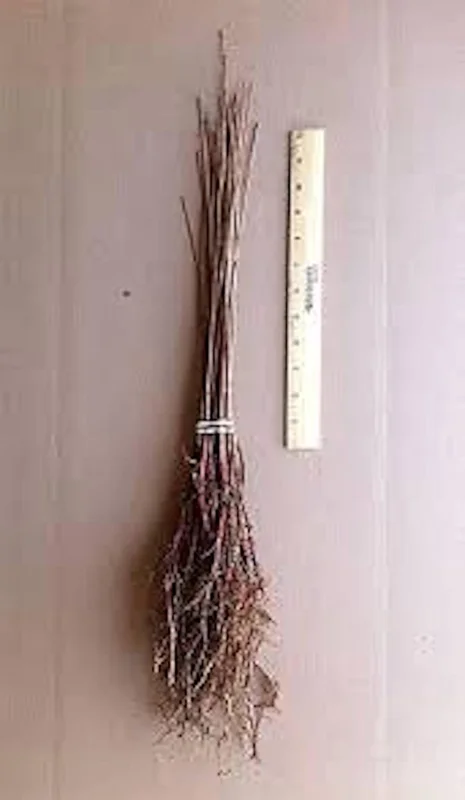
This Red Gold Nectarine Tree live plant arrives as a vibrant, healthy starter tree, typically measuring 1 to 2 feet in height from the base of the root ball to the top of the plant. It is a grafted specimen, which means it has been propagated to ensure robust growth and reliable fruit production. The tree is shipped in a nursery pot, ready for immediate planting or repotting into a larger container upon arrival. With proper care, nectarine trees can grow to a mature height of 15-20 feet, though they can be kept smaller with regular pruning, making them suitable for backyard orchard trees even in limited spaces.
Expect your Red Gold Nectarine Tree live plant to begin bearing fruit within 2-4 years after planting, with full production typically achieved by 5-7 years. The ‘Red Gold’ variety is a freestone nectarine, meaning the flesh easily separates from the pit, making it highly desirable for fresh eating and processing. This variety is known for its excellent flavor and good storage qualities. Providing adequate space for root development and canopy spread will enable your tree to reach its full potential, yielding delicious fruit for many years to come.
Frequently Asked Questions
- Q: How big will my Red Gold Nectarine Tree live plant get? A: With proper care and pruning, a Red Gold Nectarine tree can reach a mature height of 15-20 feet. However, it can be maintained at a smaller, more manageable size through regular pruning, making it suitable for various garden sizes.
- Q: Is this an indoor or outdoor plant? A: This Red Gold Nectarine Tree live plant is an outdoor fruit tree, best suited for planting directly in the ground in a garden or backyard orchard. It can also be grown in very large outdoor containers.
- Q: How much sunlight does a nectarine tree need? A: Nectarine trees, including the Red Gold variety, require full sun, meaning at least 6-8 hours of direct sunlight per day to ensure optimal fruit production and overall tree health.
- Q: What condition will the tree arrive in? A: Your grafted fruit trees will arrive as a live, healthy starter plant, approximately 1-2 feet tall, typically shipped in a nursery pot with its root ball intact. It should be planted or repotted soon after arrival.
- Q: When is the best time to plant a Red Gold Nectarine Tree live plant? A: The best time to plant a nectarine tree is in early spring or fall, when temperatures are mild. This allows the tree to establish its root system before extreme heat or cold.
- Q: How long until this tree starts producing fruit? A: With good care, you can expect your Red Gold Nectarine tree to start bearing fruit within 2-4 years after planting, with increasing yields as it matures.
- Q: What kind of soil is best for growing nectarine trees? A: Nectarine trees prefer well-drained, fertile soil with a slightly acidic to neutral pH (6.0-7.0). Amending heavy clay soils with organic matter is recommended to improve drainage.
- Q: Is this nectarine variety self-pollinating? A: Yes, ‘Red Gold’ nectarine is a self-pollinating variety, meaning you only need one tree to get fruit. However, planting multiple nectarine or peach trees can often lead to even better yields.
- Q: What USDA Hardiness Zones is this tree suitable for? A: The Red Gold Nectarine tree is generally suitable for USDA Hardiness Zones 5-9, requiring a certain number of chill hours to produce fruit.
- Q: What are the benefits of grafted fruit trees? A: Grafted fruit trees generally establish faster, are more vigorous, and often begin bearing fruit sooner than trees grown from seed. The rootstock can also confer disease resistance or control tree size.



Reviews
There are no reviews yet.