Overview
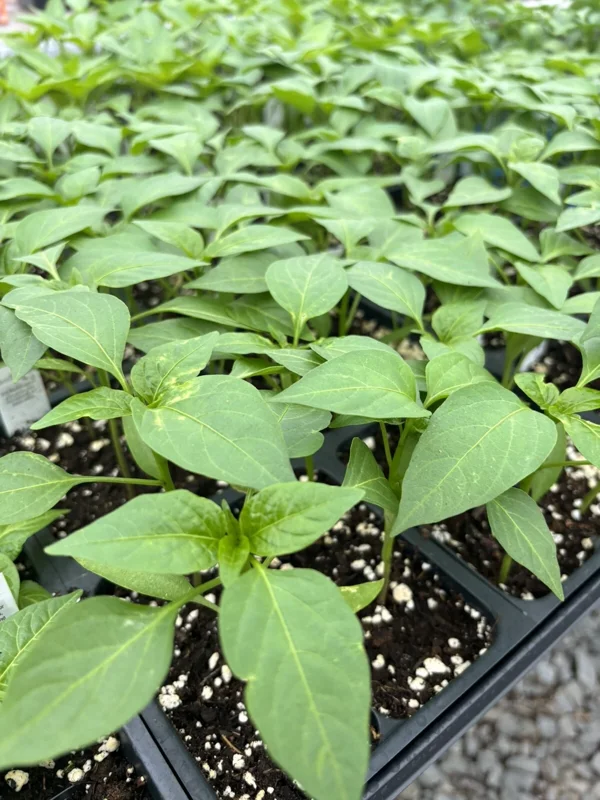
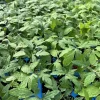
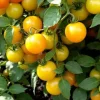
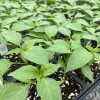
Embark on a thrilling culinary journey by growing your own Red Sriracha chili pepper live plant. This offering includes a lot of 3 vibrant, healthy plants, each in its vegetative growth stage, ensuring they are well-established and ready for transplanting into your garden or larger pots. Sriracha peppers are renowned for their intense heat and distinctive flavor, making them a favorite among hot pepper enthusiasts and chefs alike. These particular plants are known for producing bright red, elongated chili peppers, perfect for crafting homemade hot sauces, adding a spicy kick to meals, or simply enjoying fresh. Growing your own super hot pepper plants allows for complete control over their cultivation, from organic practices to harvesting at peak ripeness for the freshest, most potent flavor.
The Sriracha chili pepper, often associated with the famous Thai sauce, offers a medium to high heat level, making it versatile for various dishes. These vigorous plants are a fantastic addition to any vegetable garden, patio, or even a sunny windowsill for those with limited outdoor space. They promise a bountiful harvest of these sought-after peppers, providing a continuous supply of heat and flavor throughout the growing season.
Key Benefits
Cultivating Red Sriracha chili pepper live plant brings numerous advantages to both the gardener and the gourmet. These plants are not just about heat; they offer a rewarding gardening experience and a fresh, flavorful ingredient for your kitchen.
- Authentic Flavor: Enjoy the true, robust flavor of Sriracha peppers, far superior to store-bought varieties, enhancing your dishes with a genuine spicy essence.
- Abundant Harvest: Each plant is designed to produce a generous yield of red chili peppers, ensuring you have plenty for cooking, preserving, or sharing.
- Freshness Guaranteed: Harvest your peppers at their peak, guaranteeing maximum flavor and heat for your sauces, salsas, and meals.
- Gardening Satisfaction: Experience the joy and satisfaction of growing your own food, watching these resilient plants mature from vegetative stage to fruit-bearing.
- Versatile Culinary Use: Ideal for making homemade Sriracha sauce, adding to stir-fries, marinades, or drying for chili flakes.
- Decorative Appeal: The vibrant red peppers against the green foliage create an attractive visual display in your garden or on your patio.
- Pest Resistance: Chili plants are generally robust and can deter some common garden pests, contributing to a healthier garden ecosystem.
Plant Care & Growing Tips
Caring for your Red Sriracha chili pepper live plant is straightforward, making them suitable for both experienced gardeners and enthusiastic beginners looking to grow super hot pepper plants. These plants thrive with proper attention to their environment and nutritional needs.
Sunlight Requirements
Sriracha chili peppers are sun-loving plants and require at least 6-8 hours of direct sunlight per day to produce a high yield of fruit. In hotter climates, some afternoon shade can prevent scorching, but generally, full sun is best. For indoor cultivation, a south-facing window or supplemental grow lights are essential to mimic their natural habitat and promote healthy growth.
Watering & Soil Moisture
These plants prefer consistently moist, but not waterlogged, soil. Water deeply when the top inch of soil feels dry to the touch. Overwatering can lead to root rot, so ensure good drainage. During hot, dry periods, daily watering may be necessary. Reduce watering as fruits begin to ripen.
Soil Type & Drainage
A well-draining, fertile soil mix is crucial. A blend of potting soil with compost and perlite or vermiculite works well. The ideal pH for chili peppers is slightly acidic to neutral, between 6.0 and 7.0. Ensure pots have drainage holes to prevent water accumulation.
Temperature Range & USDA Hardiness Zone
Sriracha peppers are warm-season crops. They prefer temperatures between 70-85°F (21-29°C) during the day and no lower than 50°F (10°C) at night. They are typically grown as annuals in most regions but can be perennial in USDA Zones 9-11. Protect plants from frost, which can severely damage or kill them.
Fertilization
Feed your Sriracha pepper care with a balanced fertilizer during the vegetative stage. Once flowers and fruits begin to form, switch to a fertilizer higher in phosphorus and potassium to encourage fruit production. Follow package instructions for application rates, typically every 2-4 weeks during the growing season.
Common Problems & Solutions
Watch out for common pepper pests like aphids, spider mites, and whiteflies. Use insecticidal soap or neem oil for organic control. Ensure good air circulation to prevent fungal diseases like powdery mildew. Proper watering and nutrient management are key to preventing blossom end rot, a common issue in peppers.
Size & Details
This offering includes a lot of 3 Red Sriracha chili pepper live plant, each in a robust vegetative stage, typically measuring approximately 4-6 inches tall from the base of the soil to the top of the foliage, depending on growth rates. These plants are grown in individual nursery pots, ready for direct transplanting into your garden beds or larger containers. Sriracha chili plants are known for their vigorous growth, often reaching a mature height of 2-3 feet tall and a similar spread, forming a bushy, productive pepper plant. They will begin to flower and set fruit approximately 70-80 days after transplanting, providing a continuous harvest throughout the summer and into early fall, depending on your climate. The peppers themselves typically grow 2-4 inches long and ripen to a striking bright red color. These plants are cultivated in the United States, ensuring they are acclimatized to common growing conditions for successful cultivation. For those interested in growing Sriracha chili, these established plants offer a significant head start over seeds.
Frequently Asked Questions
- Q: How big do these Red Sriracha chili pepper live plants get? A: Each plant can typically grow to a height of 2 to 3 feet and spread similarly, becoming quite bushy and productive. Their size can vary slightly based on growing conditions and care.
- Q: What condition will the plants arrive in? A: The plants are shipped in their vegetative stage, healthy and established in individual nursery pots, carefully packaged to ensure safe arrival. They will be ready for transplanting upon receipt.
- Q: Is this an indoor or outdoor plant? A: While they thrive outdoors in full sun during warm seasons, these super hot pepper plants can also be grown indoors in a sunny location or under grow lights, especially in cooler climates or for year-round harvesting.
- Q: How much sunlight does a Sriracha pepper plant need? A: For optimal growth and fruit production, Sriracha pepper plants require at least 6-8 hours of direct sunlight daily. More sun generally leads to more peppers.
- Q: Is this plant easy to care for? A: Yes, Sriracha pepper care is relatively easy. They are robust plants that require consistent watering, plenty of sunlight, and occasional feeding to produce a bountiful harvest, making them suitable for gardeners of all experience levels.
- Q: When is the best time to plant these chili peppers? A: The best time to transplant these live plants outdoors is after all danger of frost has passed in your region, typically in late spring or early summer, when soil temperatures have warmed.
- Q: How long until these plants produce peppers? A: After transplanting, you can expect the plants to begin flowering and setting fruit within approximately 70-80 days, with continuous production throughout the warm season.
- Q: Can I use these peppers to make actual Sriracha sauce? A: Absolutely! These authentic Sriracha chili peppers are perfect for making your own homemade Sriracha sauce, allowing you to control the ingredients and flavor profile. This is a great way to enjoy hot pepper gardening.
- Q: What kind of soil is best for growing Sriracha chili? A: A well-draining, fertile soil mix is ideal for Sriracha peppers. Amending your garden soil with compost or using a high-quality potting mix for containers will yield the best results.
- Q: Will these plants survive winter? A: In most regions of the US, Sriracha pepper plants are grown as annuals. However, in USDA Zones 9-11, they can survive mild winters and produce for multiple seasons if protected from cold snaps.



Reviews
There are no reviews yet.