Overview
Experience the joy of growing your own exotic fruit with this premium Sapodilla live plant. Revered for its uniquely sweet and succulent fruit, the Sapodilla (Manilkara zapota) is a beautiful evergreen tree that thrives in warm climates. Also known as Chico or Naseberry, this particular specimen stands proudly at 2 to 3 feet tall and is ready to establish itself in your garden or a larger container. Originating from Southern Mexico, Central America, and the Caribbean, the Sapodilla is a slow-growing, long-lived tree that offers both ornamental beauty and delicious, highly sought-after fruit. This Sapodilla fruit tree is a fantastic choice for enthusiasts looking to cultivate tropical produce at home, promising a rewarding and flavorful harvest.
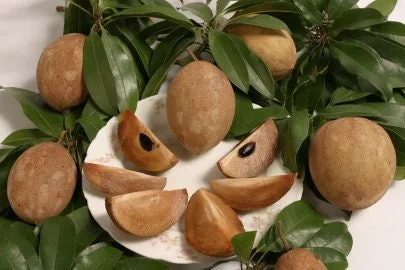
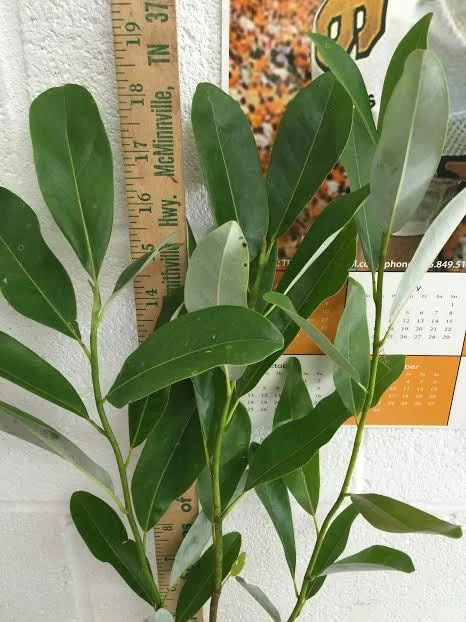
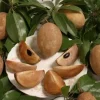
The Sapodilla is cherished not only for its fruit but also for its attractive, glossy green leaves and sturdy structure. It can be grown as a specimen tree, a patio plant, or even trained in a greenhouse in cooler regions. The fruit itself has a brown, somewhat rough skin and a granular, sweet flesh often compared to a pear infused with brown sugar or caramel. This Sapodilla live plant provides an excellent opportunity to add a touch of the tropics and a source of fresh, homegrown fruit to your landscape.
Key Benefits
Cultivating a Sapodilla live plant offers a multitude of advantages, from its unique fruit to its aesthetic appeal. Here are some of the prime benefits you’ll enjoy:
- Delicious, Exotic Fruit: Harvest your own sweet, caramel-flavored Sapodilla fruits, a rare treat not commonly found in regular grocery stores. The fruit is rich in vitamins A and C, and essential minerals.
- Ornamental Value: With its dense canopy of glossy, dark green leaves, the Sapodilla fruit tree makes an attractive addition to any garden, providing shade and visual interest year-round.
- Adaptable Growth: While preferring warm climates, this plant can be grown in large containers on patios or indoors in colder zones, allowing a wider range of gardeners to enjoy it.
- Long-Lived and Productive: Sapodilla trees are known for their longevity and can produce fruit for many decades once established, offering a continuous supply of delicious harvests.
- Low Maintenance: Once established, the Sapodilla live plant is relatively low-maintenance and drought-tolerant, making it suitable for gardeners seeking productive yet undemanding fruit trees.
- Unique Flavor Profile: The distinct taste of Sapodilla fruit, often described as a blend of brown sugar, pear, and sweet potato, offers a unique culinary experience for desserts, smoothies, or fresh eating.
- Homegrown Goodness: Enjoy the satisfaction and health benefits of eating fresh, organic fruit grown right in your backyard, free from pesticides and chemicals.
Plant Care & Growing Tips
Caring for your Sapodilla live plant is straightforward, especially if you provide it with the right conditions. This tropical fruit tree thrives in warm, humid environments, but can adapt to various settings with proper attention. For optimal growth and fruit production, ensure your Sapodilla receives plenty of sunlight. It prefers full sun, meaning at least 6-8 hours of direct sunlight per day. If growing indoors or in a greenhouse, place it near a south-facing window or use supplemental grow lights to meet its light requirements.
Watering should be consistent, especially during dry periods and when the tree is young. Allow the top few inches of soil to dry out slightly between waterings to prevent root rot. Sapodillas prefer well-draining soil, ideally a sandy loam with a slightly acidic to neutral pH (6.0-7.0). Good drainage is crucial, whether planted in the ground or in a pot. Fertilize your Sapodilla fruit tree with a balanced slow-release fertilizer designed for tropical fruit trees, starting in spring and continuing through the growing season. Reduce fertilization during the dormant winter months. Protect young trees from frost, as they are not cold-hardy. Established trees may tolerate brief dips to freezing temperatures, but prolonged cold can cause damage. Many gardeners wonder how to grow Sapodilla successfully, and the key lies in consistent warmth, adequate sunlight, and well-managed watering.
Pruning is generally minimal, focusing on removing dead or diseased branches and shaping the tree for better air circulation and light penetration. Pests are not a major issue, but keep an eye out for common garden pests like aphids or scale insects and treat them with organic horticultural oils if necessary. With proper care, your Sapodilla live plant will flourish and provide you with delicious fruit for years to come. Understanding Sapodilla care can pave the way for a bountiful harvest.
Size & Details
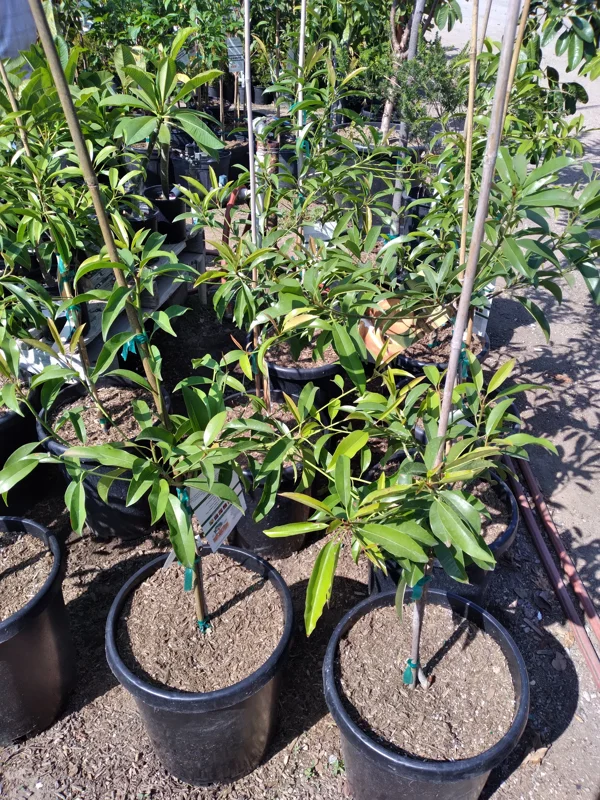
This offering is for one robust Sapodilla live plant, meticulously grown and nurtured to reach a height of 2 to 3 feet tall. It is shipped securely in a 3-gallon pot, providing a healthy root system and a strong foundation for continued growth. The plant is ready for transplanting into a larger container or directly into your garden, depending on your climate and growing preferences. Sapodilla trees are typically slow-growing, especially in their early years, but once established, they can reach heights of 20-40 feet in ideal conditions. In containers, their size can be managed with pruning.
Expected time to fruit production varies, but with good care, your Sapodilla fruit tree could begin bearing fruit within 3-5 years. The fruit typically matures in late spring to fall, offering a delightful harvest. This plant is a fantastic way to grow Sapodilla and enjoy fresh, tropical fruit at home. The robust size and established root system of this Sapodilla live plant ensure a strong start in its new environment, providing a satisfying and long-term addition to your edible landscape.
Frequently Asked Questions
- Q: How big does this plant get? A: This Sapodilla live plant ships at 2 to 3 feet tall in a 3-gallon pot. In ideal conditions, a mature Sapodilla tree can reach heights of 20-40 feet, but its size can be managed with pruning, especially if grown in a container.
- Q: Is this an indoor or outdoor plant? A: Sapodilla is a tropical fruit tree. It thrives outdoors in USDA Zones 9-11. In cooler climates, it can be grown in a large container and brought indoors during colder months, or cultivated in a greenhouse.
- Q: How much sunlight does it need? A: The Sapodilla fruit tree requires full sun, meaning at least 6-8 hours of direct sunlight daily, to ensure healthy growth and optimal fruit production.
- Q: Is this plant easy to care for? A: Once established, Sapodilla trees are relatively low-maintenance. They require consistent watering when young and during dry spells, well-draining soil, and protection from frost. Generally, Sapodilla care is considered moderate.
- Q: What condition will it arrive in? A: Your Sapodilla live plant will arrive securely packaged in its 3-gallon nursery pot, with its root system intact and ready for transplanting. We take great care to ensure healthy plant delivery.
- Q: When is the best time to plant this Sapodilla? A: The best time to plant is in spring or early summer after the last chance of frost, allowing the plant ample time to establish before winter. If growing in a container, it can be transplanted any time of year.
- Q: What’s the minimum temperature this plant can tolerate? A: Mature Sapodilla trees can tolerate brief dips to around 28-30°F (-1 to -2°C), but young plants are more sensitive and should be protected from temperatures below 40°F (4°C). This is key to successfully grow Sapodilla.
- Q: Can I grow Sapodilla in a large pot? A: Yes, Sapodilla trees can be successfully grown in large containers, which is an excellent option for those in colder climates who need to move the plant indoors during winter. Ensure the pot has good drainage.
- Q: How long until it fruits? A: A Sapodilla live plant typically begins bearing fruit within 3-5 years after planting, given proper care and ideal growing conditions.
- Q: What does Sapodilla fruit taste like? A: Sapodilla fruit has a unique, very sweet flavor often compared to a blend of brown sugar, caramel, and pear, with a slightly granular texture. It’s a truly delicious tropical treat.




Reviews
There are no reviews yet.