Overview
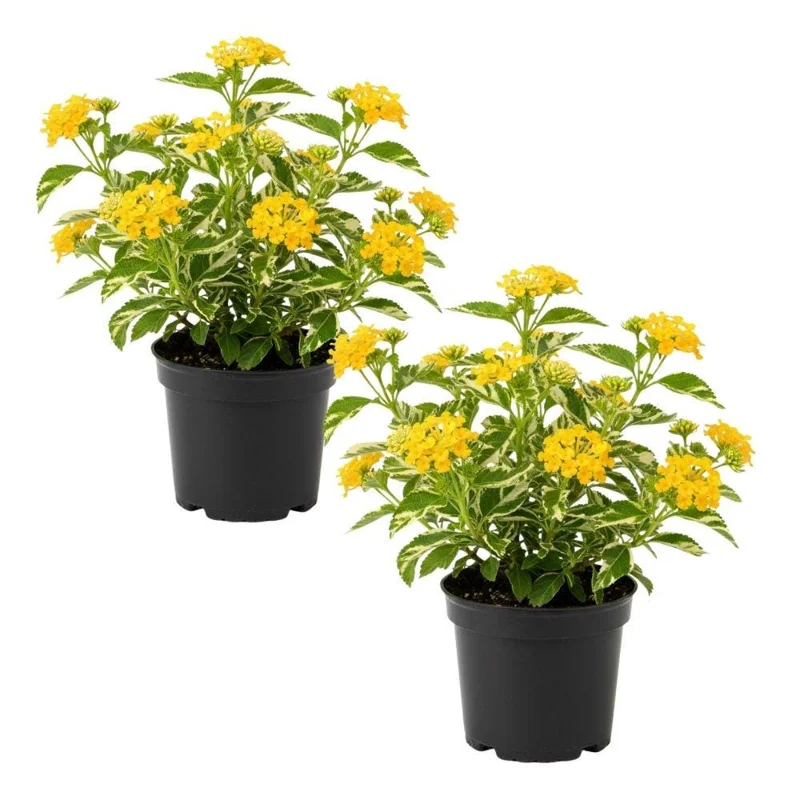
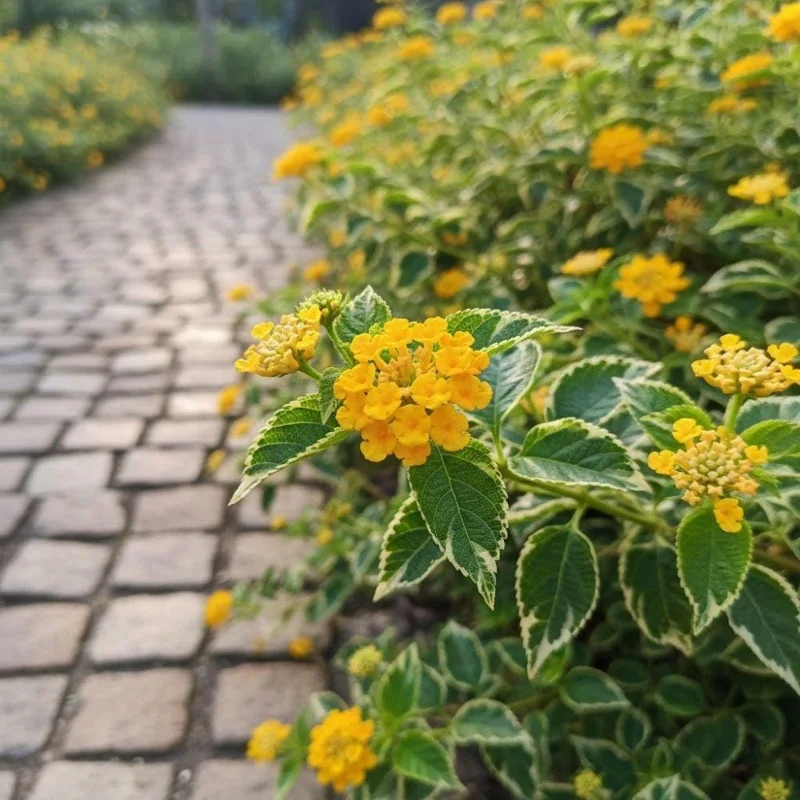
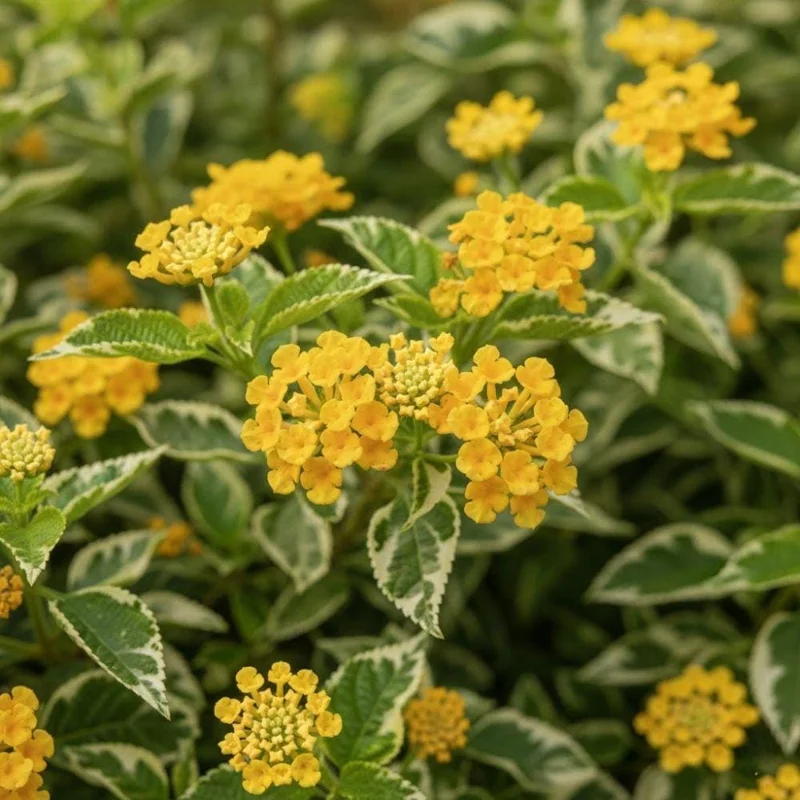
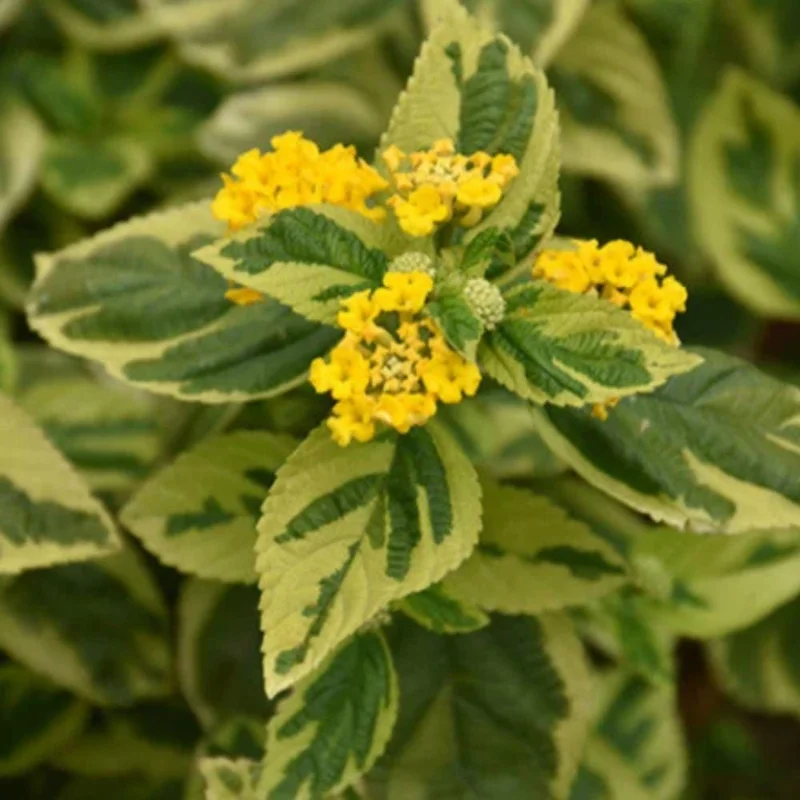
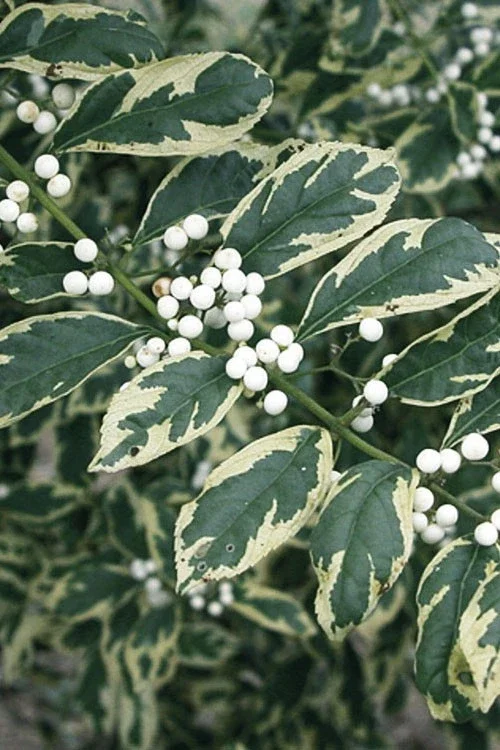
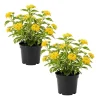
Introduce a burst of sunshine and unique visual texture to your garden with our variegated yellow lantana live plant. This offering includes a set of two live plants, each standing 6-10 inches tall, ready to bring vibrant color and lush foliage to your outdoor landscape. The Lantana camara, commonly known as Lantana, is celebrated for its continuous display of cheerful yellow blooms that form in tight clusters, attracting pollinators and delighting gardeners. What sets this particular variety apart is its striking variegated leaves, which feature green centers with lighter, often creamy-yellow margins, adding an extra layer of ornamental interest even when not in full bloom. These robust perennial plants are a fantastic choice for gardeners looking for low-maintenance, high-impact flowering shrubs that perform exceptionally well in warm climates and sunny conditions, offering extended periods of vibrant color throughout the growing season.
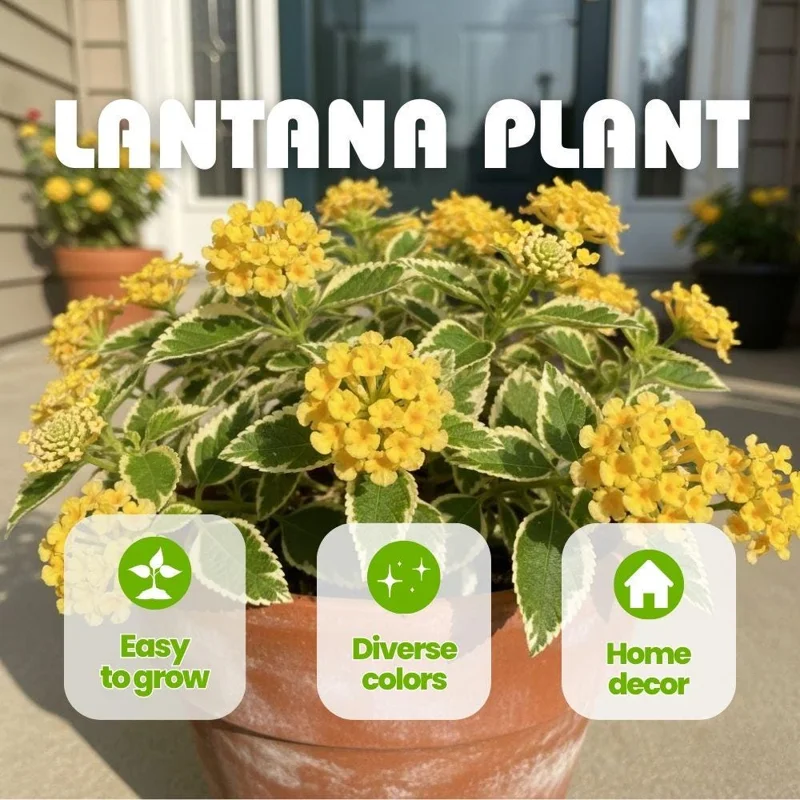
Known for their resilience and adaptability, these variegated yellow lantana live plant specimens are an excellent addition to diverse garden designs. They are particularly effective in creating colorful borders, filling garden beds, or adding a tropical touch to patio containers. Their spreading or slightly trailing growth habit also makes them suitable for cascading over walls or as groundcover in appropriate settings. Enjoy the dynamic beauty of these plants as they transform your garden into a lively and colorful sanctuary.
Key Benefits
Investing in a variegated yellow lantana live plant brings numerous advantages to your garden and outdoor living areas. These plants are not only visually appealing but also remarkably easy to care for, making them a favorite among both novice and experienced gardeners. Here are some of the key benefits you can expect:
- Abundant Yellow Blooms: Enjoy a continuous display of bright yellow flowers from spring through fall, providing consistent color and cheer to your landscape. The clusters of small, trumpet-shaped flowers create a stunning visual impact.
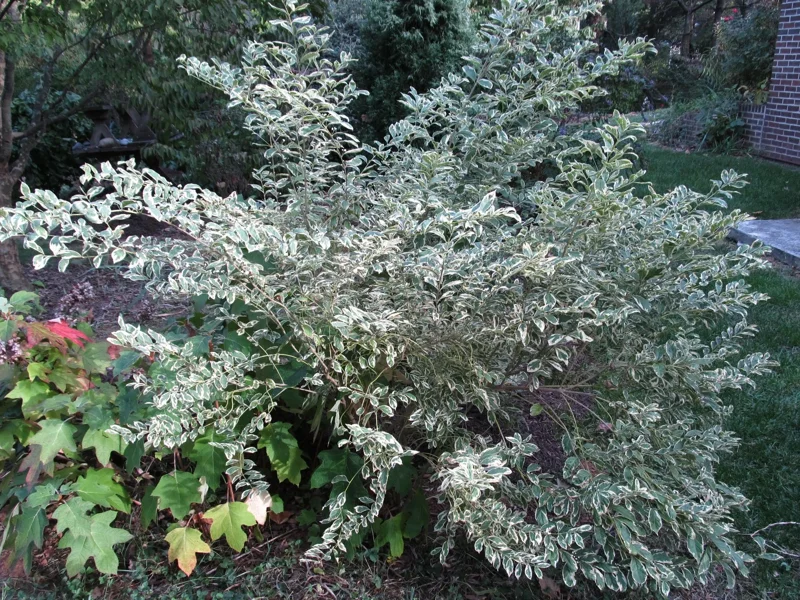
- Striking Variegated Foliage: Beyond the flowers, the unique variegated leaves with their green and lighter-toned edges offer year-round visual interest and contrast, enhancing the overall aesthetic of your garden beds and containers.
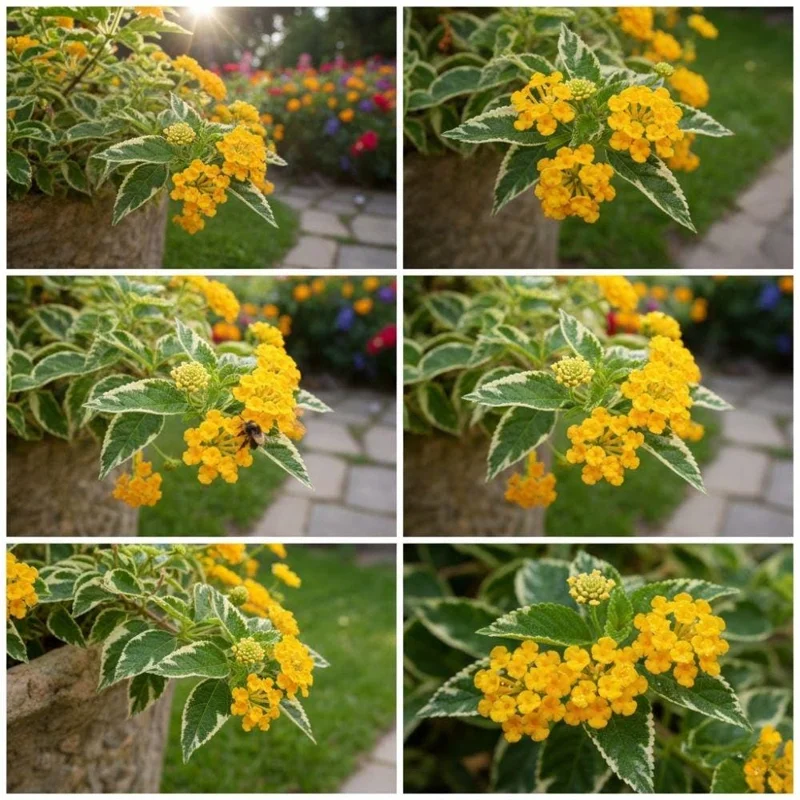
- Attracts Pollinators: The vibrant flowers are a magnet for butterflies, bees, and hummingbirds, contributing to a healthy and biodiverse garden ecosystem. This makes them an excellent choice for wildlife-friendly gardens.
- Drought-Tolerant and Low Maintenance: Once established, these plants are remarkably tolerant of dry conditions and require minimal care, making them ideal for busy gardeners or those in water-restricted areas. They thrive with little fuss.
- Versatile Landscape Use: Whether you’re looking to fill garden beds, create colorful borders, add impact to containers, or even use them as a trailing groundcover, the adaptable nature of the perennial lantana plant makes it suitable for a wide range of applications.
- Extended Bloom Period: Unlike many other flowering plants, lantana offers an exceptionally long blooming season, providing continuous color and beauty from the warmer months well into the cooler autumn days.
- Heat-Loving Performance: These plants absolutely thrive in hot, sunny conditions where many other plants might struggle, making them perfect for sunny spots in your garden.
Plant Care & Growing Tips
Caring for your variegated yellow lantana live plant is straightforward, as these plants are known for their hardiness and adaptability. To ensure your plants flourish and produce an abundance of their signature yellow flowers, follow these simple guidelines. Lantana thrives in full sun, meaning they need at least six hours of direct sunlight per day. The more sun they receive, the more prolific their blooms will be. For soil, they prefer well-draining conditions and are not particular about soil type, as long as it doesn’t stay waterlogged. A good quality potting mix for containers or amended garden soil with compost will provide adequate nutrients and drainage.
When it comes to watering, lantana plants are quite drought-tolerant once established. Water thoroughly when the top inch or two of soil feels dry to the touch, then allow the soil to dry out slightly before the next watering. Overwatering can lead to root rot, so err on the side of underwatering. These plants are typically hardy in USDA zones 9-11 as perennials, but can be grown as annuals in colder climates. Fertilize sparingly; an all-purpose slow-release granular fertilizer in spring is usually sufficient to support their vigorous growth and continuous blooming. Pruning can be done in early spring to shape the plant and encourage bushier growth. Deadheading spent flowers is not strictly necessary but can promote more blooms and prevent the formation of berries, which can be toxic. Watch out for common pests like whiteflies and spider mites, which can be managed with insecticidal soap if necessary. Proper care will ensure your yellow lantana care routine is minimal and rewarding.
Size & Details
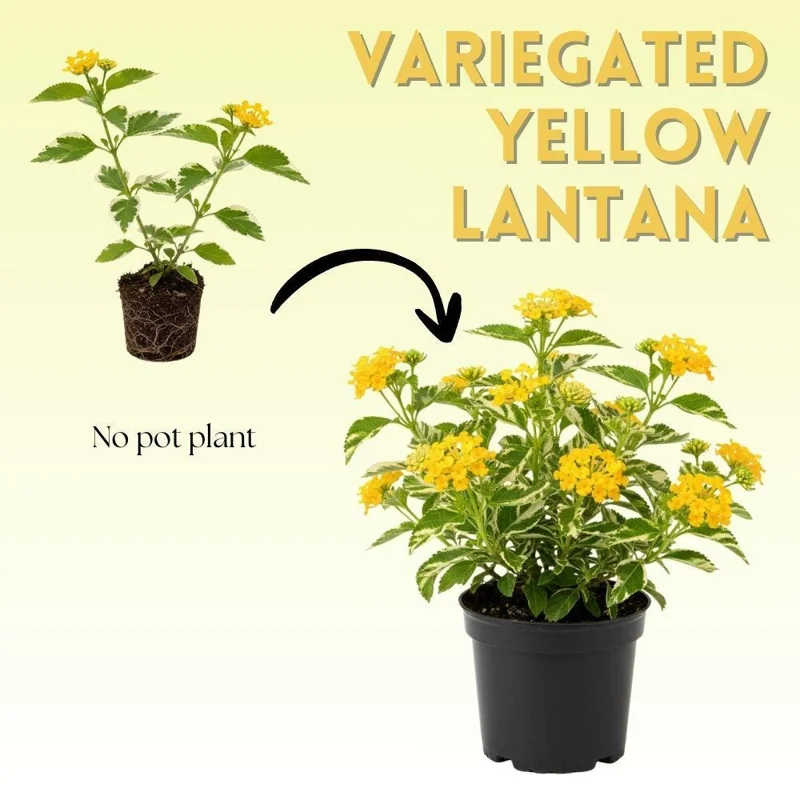
This offering includes a set of two variegated yellow lantana live plant specimens, each carefully nurtured to reach a height of approximately 6-10 inches tall at the time of shipment. These plants are shipped without a pot, allowing you to plant them directly into your chosen garden bed or container upon arrival. Lantana plants exhibit a moderate to fast growth rate, quickly filling out their designated space. When mature, these plants can spread significantly, typically reaching heights of 1-3 feet and widths of 3-6 feet, depending on growing conditions and pruning. The exact mature size will vary based on climate, soil quality, and whether they are grown as perennials or annuals. Their branching growth habit creates a full, lush appearance, making them excellent choices for groundcover or cascading over the edges of planters. Expect flowers to begin appearing from late spring through summer and often into fall, providing an extended season of vibrant color. These plants are ready to establish quickly in your garden, offering beautiful trailing lantana flowers and foliage.
Frequently Asked Questions
- Q: How big does this plant get? A: Each variegated yellow lantana live plant typically grows to a mature height of 1-3 feet and can spread 3-6 feet wide, forming a dense, bushy or trailing mound. Its ultimate size can depend on your climate and growing conditions.
- Q: Is this an indoor or outdoor plant? A: The perennial lantana plant is primarily an outdoor plant, thriving in full sun. While it can be brought indoors in colder climates during winter, it generally prefers outdoor conditions to flourish.
- Q: How much sunlight does it need? A: Lantana requires full sun, meaning at least 6 hours of direct sunlight per day, to produce the most abundant blooms and maintain healthy foliage. Less sun can result in fewer flowers and leggy growth.
- Q: Is this plant easy to care for? A: Yes, lantana is considered a very easy-to-care-for plant, especially once established. It is drought-tolerant and requires minimal fertilizing, making it suitable for beginners and busy gardeners. This makes yellow lantana care quite simple.
- Q: What condition will it arrive in? A: Your plants will arrive as 6-10 inch tall live specimens, shipped without a pot. They are carefully packaged to ensure they reach you in good health, ready for planting in your garden.
- Q: How long until it blooms? A: If planted in suitable conditions, your variegated yellow lantana live plant should start producing flowers within a few weeks of planting, often blooming continuously from late spring through fall.
- Q: Will it survive winter in my zone? A: Lantana is a perennial in USDA Zones 9-11. In colder zones, it is typically grown as an annual or can be brought indoors to overwinter. The plant is not frost-tolerant.
- Q: What’s the minimum temperature it can tolerate? A: Lantana plants are sensitive to frost and generally cannot tolerate temperatures below freezing (32°F or 0°C). They thrive in warm temperatures and will be damaged or die back in cold conditions.
- Q: Can these plants be used in hanging baskets? A: Absolutely! The slightly trailing growth habit of this outdoor flowering shrubs makes it an excellent choice for hanging baskets, where its vibrant blooms and variegated foliage can cascade beautifully.
- Q: Is the plant pet-safe? A: All parts of the lantana plant, especially the berries, are considered toxic if ingested by pets and humans. It’s advisable to keep pets away from the plant or plant it in areas inaccessible to them.


Reviews
There are no reviews yet.