Overview
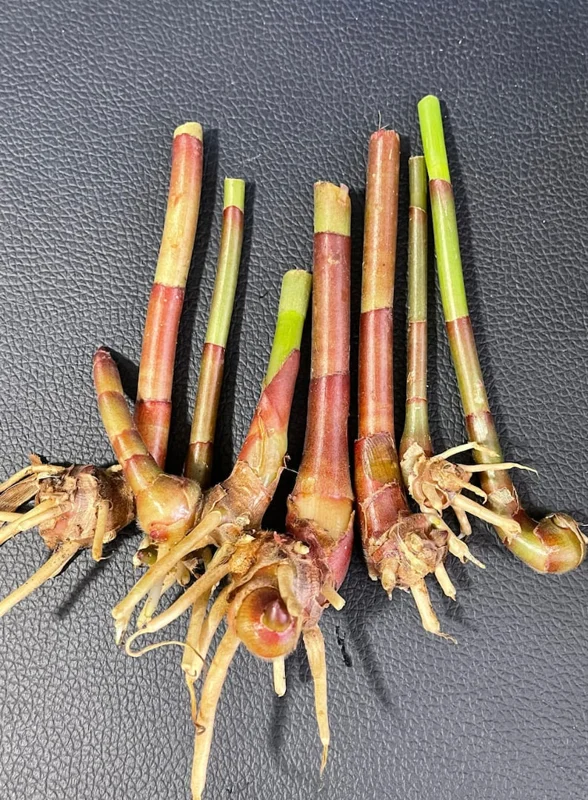
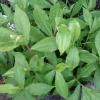
Introduce a remarkable botanical specimen to your collection with this set of three insulin plant live cutting (Costus igneus). Often referred to as the ‘Insulin Plant’ or ‘Spiral Flag’, Costus igneus is a fascinating perennial herb native to the tropical regions of the Americas. This particular offering provides you with three robust, rooted cuttings, each measuring approximately 5-8 inches in length, ensuring a strong start for your new plants. The insulin plant live cutting is cherished not only for its attractive, spiraling foliage and vibrant orange flowers but also for its traditional uses and potential health benefits, making it a popular choice for health-conscious gardeners and plant enthusiasts alike. These rooted cuttings are an excellent way to establish this unique herb in your home garden or as a distinctive potted plant.
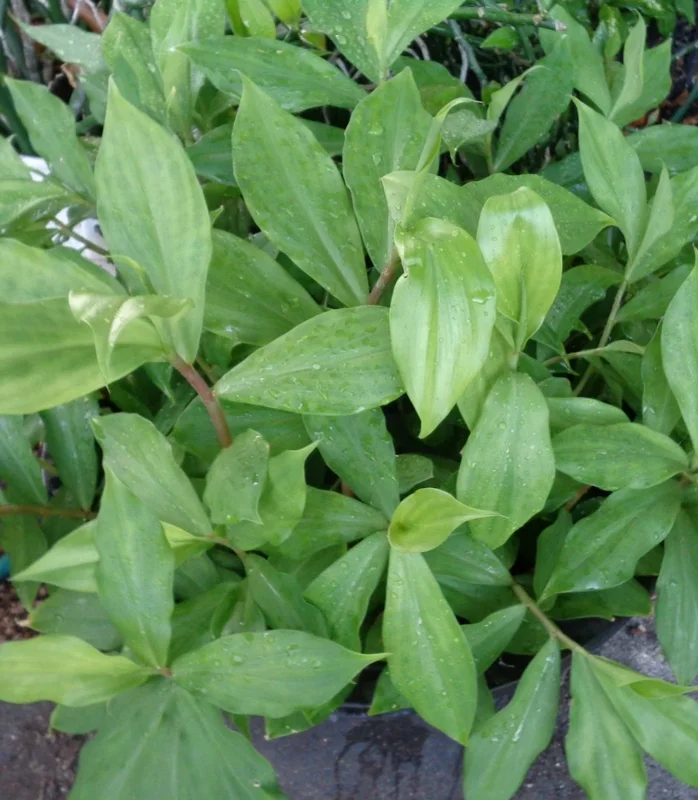
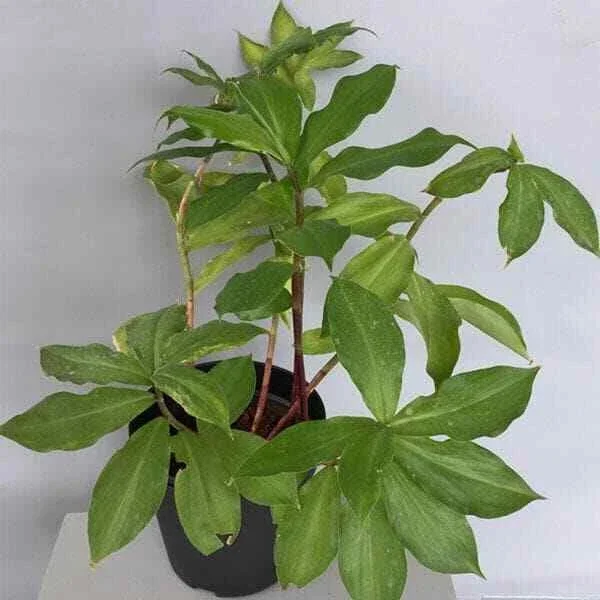
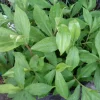
The Costus igneus is a relatively easy plant to grow, especially when starting with well-established rooted cuttings like these. Its striking appearance, with broad, ovate leaves that grow in a spiral arrangement around the stem, adds an exotic touch to any plant display. Whether you’re looking to expand your medicinal herb garden or simply add a visually interesting plant, the Costus igneus plant is an outstanding choice. These cuttings are carefully prepared to ensure they are ready for planting upon arrival, providing you with a head start on cultivating this extraordinary species.
Key Benefits
Growing the insulin plant live cutting offers a range of benefits, from its aesthetic appeal to its unique properties. This plant is a valuable addition to any garden or indoor collection, providing both beauty and potential wellness advantages.
- Distinctive Ornamental Value: The Costus igneus features striking spiraling stems and lush green leaves, creating an eye-catching display. Its unique growth habit and occasional bright orange flowers add an exotic and decorative touch to gardens, patios, or indoor spaces, making it a conversation starter.
- Ease of Cultivation: Starting with a Costus igneus plant from rooted cuttings simplifies the growing process. These established cuttings have a higher success rate compared to seeds, allowing even novice gardeners to enjoy cultivating this special herb with confidence.
- Traditional Wellness Herb: Historically, the insulin plant has been recognized in various traditional practices for its potential health-supporting properties. Many individuals cultivate this plant for its traditional uses, particularly in relation to blood sugar management.
- Adaptable Growth: The insulin plant live cutting can thrive in a variety of settings, from garden beds in warmer climates to containers on patios or indoors in cooler regions. Its adaptability makes it a versatile choice for different gardening styles and environments.
- Low Maintenance: Once established, Costus igneus is a relatively low-maintenance plant. It requires consistent watering and some basic care, but it is generally resilient and forgiving, making it suitable for busy gardeners.
- Air Purification: Like many leafy plants, the insulin plant contributes to a healthier indoor environment by aiding in air purification. Its foliage helps to filter airborne toxins, improving the air quality in your home or office.
- Sustainable Gardening: Growing your own herbs, such as the Costus igneus plant, supports sustainable living practices. It allows you to have fresh, readily available plant material for your needs, reducing reliance on external sources.
Plant Care & Growing Tips
Proper insulin plant care is essential to ensure your Costus igneus rooted cuttings thrive and develop into healthy, mature plants. These plants prefer a warm, humid environment, mimicking their tropical origins. For optimal growth, provide your insulin plants with bright, indirect sunlight. While they can tolerate some direct morning sun, intense afternoon sun can scorch their leaves, especially in hotter climates. If growing indoors, place them near a window with filtered light or use a sheer curtain to diffuse strong sunlight. Outdoors, choose a location that receives partial shade, particularly during the hottest part of the day.
Watering should be consistent, keeping the soil moist but not waterlogged. Allow the top inch of soil to dry out slightly between waterings. Overwatering can lead to root rot, so ensure your pots have good drainage. During the growing season (spring and summer), the plant will require more frequent watering. Reduce watering in the cooler months when the plant’s growth slows down. The ideal soil for Costus igneus is a well-draining, rich potting mix. A blend of garden soil, compost, and sand or perlite works well to provide both nutrients and adequate drainage. The plant prefers slightly acidic to neutral soil (pH 6.0-7.0).
The insulin plant live cutting is sensitive to cold temperatures. It thrives in temperatures between 60°F and 85°F (15°C-30°C). In USDA zones 8 and below, it’s best to grow Costus igneus in containers that can be moved indoors during winter, or treat it as an annual. In warmer zones (9-11), it can be grown outdoors year-round. Fertilize your insulin plant every 4-6 weeks during the active growing season with a balanced liquid fertilizer diluted to half strength. Common problems include yellowing leaves due to overwatering or nutrient deficiency, and spider mites in dry conditions. Regular inspection and appropriate adjustments to watering and feeding, along with occasional misting, can help prevent these issues. Understanding how to grow insulin plant successfully involves consistent attention to these environmental factors.
Size & Details
This offering includes a set of three insulin plant live cutting, each meticulously selected for health and vigor. Each rooted cutting measures approximately 5-8 inches in length, providing a substantial start for your cultivation efforts. These cuttings are already rooted, significantly increasing their chances of successful establishment compared to unrooted cuttings or seeds. They are shipped in a manner that protects their delicate roots and foliage, ensuring they arrive in optimal condition, ready for immediate planting. The Costus igneus plant is known for its moderate growth rate, and with proper care, these cuttings will quickly develop into mature plants, typically reaching heights of 2-3 feet when grown in ideal conditions, though they can be kept smaller in containers with pruning.
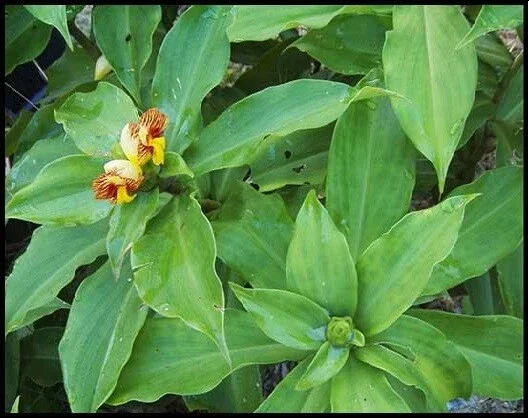
The mature plant develops a clumping habit, spreading slowly from its rhizomes. While the primary focus is on the foliage, the plant also produces attractive, cone-like flower heads with bright orange-red flowers, usually appearing in late summer to fall. These flowers are not only beautiful but also attract pollinators. With consistent care, you can expect your insulin plant live cutting to establish within a few weeks and show significant growth within the first growing season. The plant’s overall size and spread will depend on growing conditions, pot size if containerized, and pruning practices, offering flexibility for various garden designs or indoor spaces.
Frequently Asked Questions
- Q: How big does this insulin plant live cutting get? A: Each rooted cutting is 5-8 inches long upon arrival. With proper care, the mature plant typically grows to about 2-3 feet tall and can spread to a similar width, forming attractive clumps. Its size can be managed with container growing and occasional pruning.
- Q: Is this an indoor or outdoor plant? How much sunlight does it need? A: The Costus igneus plant can be grown both indoors and outdoors, depending on your climate. It thrives in bright, indirect light or partial shade. If grown outdoors, protect it from harsh afternoon sun. Indoors, place it near a window with filtered light.
- Q: Is this plant easy to care for? Is it good for beginners? A: Yes, the insulin plant live cutting is considered relatively easy to care for, especially when starting with rooted cuttings. With consistent watering, proper light, and well-draining soil, it’s a great choice for beginners looking to cultivate a unique and beneficial herb.
- Q: What condition will the cuttings arrive in? Is it shipped in soil? A: Your 3 insulin plant live cutting will arrive as healthy, rooted specimens, carefully packaged to protect their roots and foliage. They will likely be shipped with some growing medium around the roots to maintain moisture, but you will need to plant them in your chosen pot or garden bed upon arrival.
- Q: What is the best way to plant these rooted cuttings? A: Upon arrival, plant each insulin plant live cutting in a pot with well-draining potting mix or directly into a prepared garden bed. Ensure the roots are covered, and the base of the stem is at soil level. Water thoroughly after planting.
- Q: How long until the Costus igneus plant starts showing significant growth? A: You can expect to see significant new growth from your rooted cuttings within a few weeks of planting, provided they are given appropriate light, water, and warmth. They establish relatively quickly.
- Q: Will it survive winter in my zone? What’s the minimum temperature? A: The insulin plant care requires warm temperatures. It is hardy in USDA zones 9-11, where it can remain outdoors year-round. In cooler zones, it should be grown in containers and brought indoors when temperatures drop below 50°F (10°C).
- Q: Are there any specific soil requirements for how to grow insulin plant successfully? A: Yes, the insulin plant prefers a rich, well-draining soil mix. A combination of garden soil, compost, and a draining agent like perlite or sand will provide the ideal conditions for root development and overall plant health.
- Q: How frequently should I water my insulin plant live cutting? A: Water the plant whenever the top inch of soil feels dry to the touch. It prefers consistently moist, but not waterlogged, soil. Adjust watering frequency based on environmental factors like temperature, humidity, and pot size.
- Q: What are the ‘diabetes plant benefits’ often associated with this plant? A: The diabetes plant benefits refer to the traditional use of Costus igneus in various cultures for supporting blood sugar management. While many people grow it for this reason, it’s important to consult with a healthcare professional for any health concerns.






Reviews
There are no reviews yet.