Overview
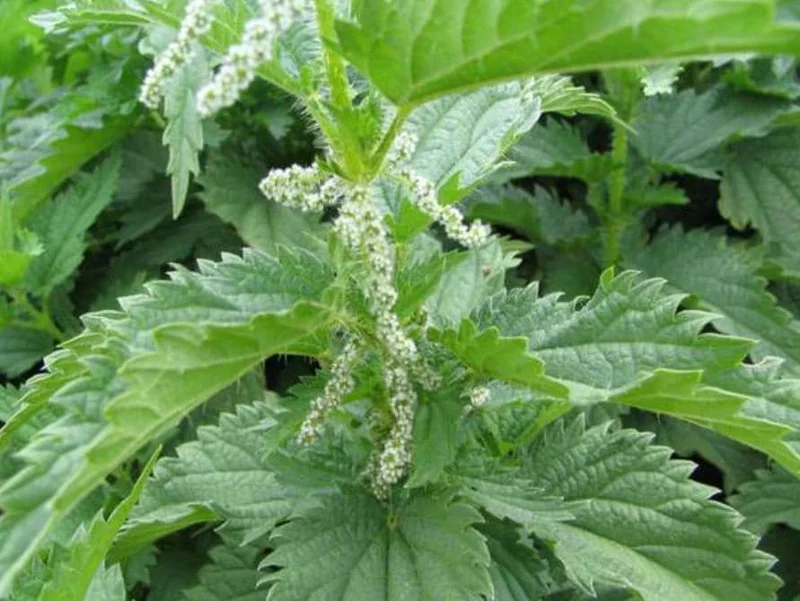
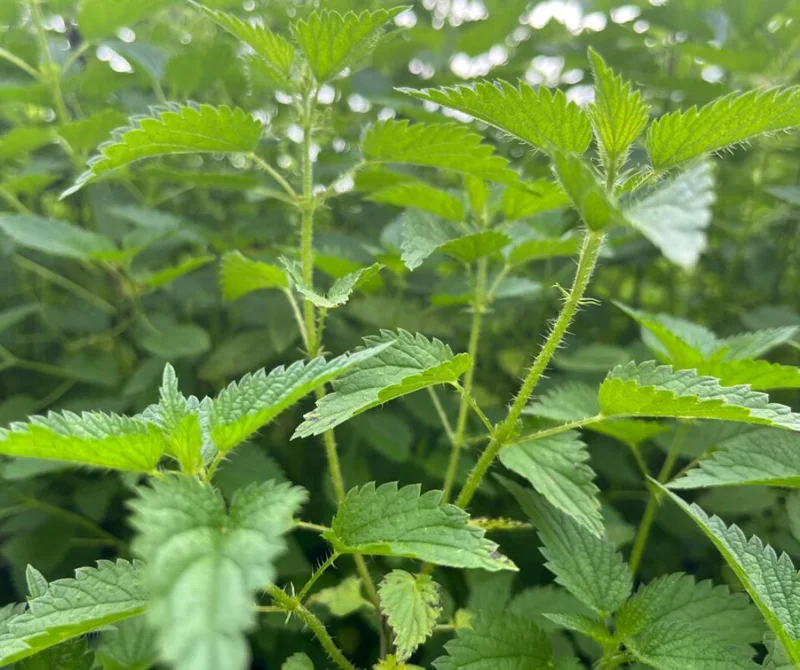
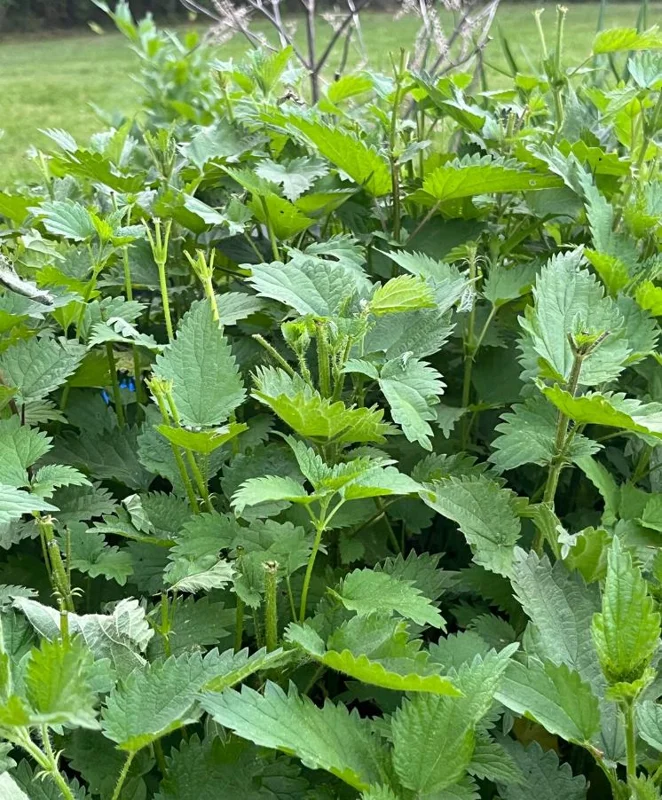
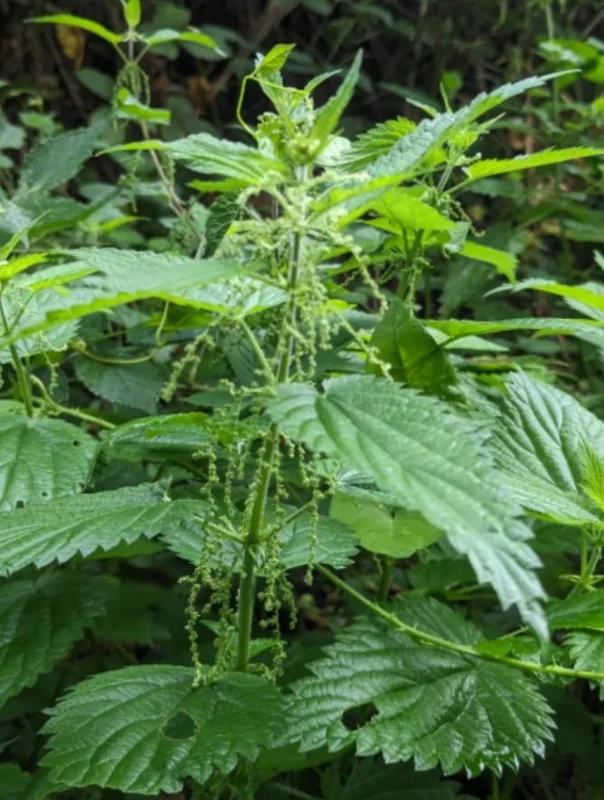
Introduce a powerhouse of natural goodness to your garden with this set of 3 stinging nettle bare roots. Scientifically known as Urtica dioica, this hardy perennial herb is celebrated for its wide array of medicinal, culinary, and ecological advantages. Unlike many plants, every part of the nettle, from its nutrient-dense leaves to its roots, has been traditionally utilized in teas, soups, herbal remedies, and various natural wellness practices for centuries. These bare roots offer a straightforward and effective way to establish a thriving patch of this invaluable plant, making it an excellent addition for both novice and experienced gardeners looking to incorporate a truly functional herb into their outdoor space.
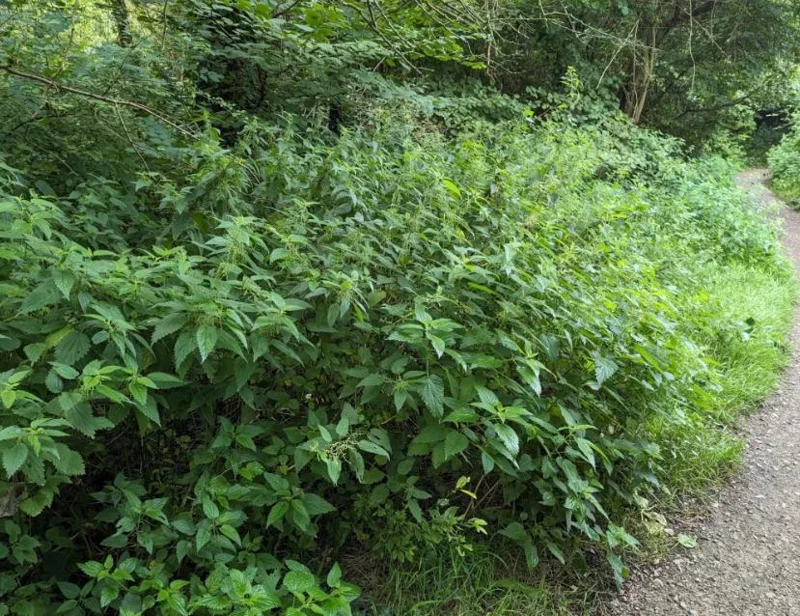
Stinging nettle bare roots are an ideal choice for those interested in sustainable gardening and natural foraging. This fast-growing plant flourishes in diverse garden settings, including dedicated herb gardens, medicinal plant collections, and permaculture designs. Its robust nature and adaptability make it a low-maintenance yet highly rewarding crop, providing a continuous supply of fresh, nutrient-rich foliage. By planting these bare roots, you’re not just growing a plant; you’re cultivating a piece of herbal history that continues to offer significant benefits today.
Key Benefits
Adding stinging nettle bare roots to your garden provides a multitude of advantages, from health benefits to ecological contributions. This versatile plant is a must-have for any gardener focused on wellness and natural living.
- Rich in Nutrients: Nettle leaves are packed with vitamins A, C, and K, as well as minerals like iron, calcium, magnesium, and potassium. Incorporating them into your diet can boost overall nutritional intake.
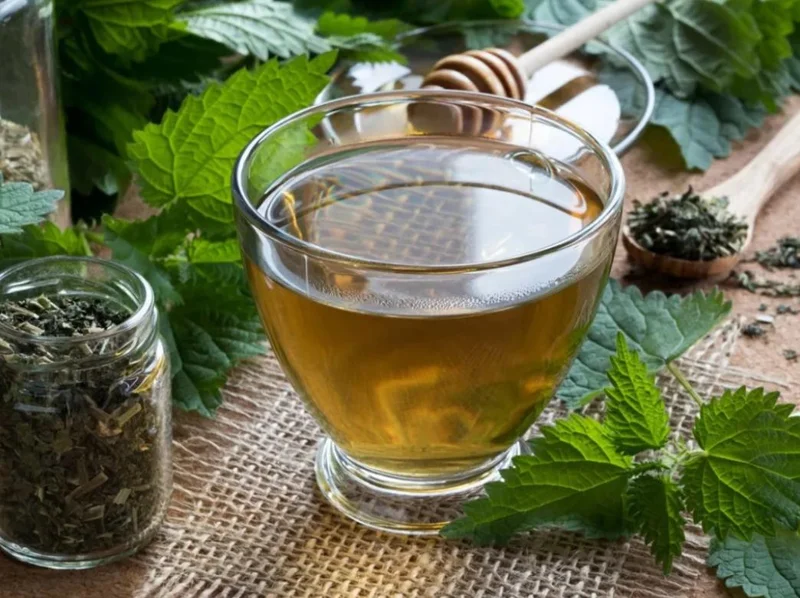
- Medicinal Properties: Traditionally used for its anti-inflammatory effects, nettle is often consumed as a tea or tincture to support joint health, alleviate seasonal allergies, and aid in detoxification.
- Culinary Versatility: Once blanched or cooked, the “sting” disappears, leaving a delicious, spinach-like flavor. Perfect for soups, stews, pesto, and herbal infusions. Enjoy fresh edible nettle plant leaves in your kitchen.
- Ecological Support: Stinging nettle acts as a host plant for several butterfly species and provides early season food for pollinators, enhancing biodiversity in your garden.
- Hardy and Resilient: As a perennial, once established, urtica dioica plant requires minimal care and returns year after year, offering a reliable harvest.
- Permaculture Essential: Its ability to thrive in various conditions and its nutrient accumulation properties make it an excellent choice for permaculture systems, improving soil health over time.
- Easy to Grow: These bare roots make it simple to grow stinging nettle, even for beginners, ensuring a successful and rewarding gardening experience.
Plant Care & Growing Tips
Growing stinging nettle bare roots is a rewarding experience, as this plant is quite resilient and adaptable. To ensure optimal growth and a bountiful harvest, understanding its preferred conditions is key. Stinging nettle thrives in USDA zones 3–10, indicating its wide tolerance for various climates. When selecting a planting site, consider an area that receives full sun to partial shade. While it can tolerate some shade, more sunlight generally leads to a denser, more vigorous plant. This flexibility makes it suitable for many garden layouts, from dedicated herb beds to naturalized areas.
Soil conditions are crucial for the health of your urtica dioica plant. It prefers moist, fertile, and well-drained soil. Amending your garden soil with compost or other organic matter before planting will significantly improve its fertility and drainage. The ideal planting time for bare roots is in spring or fall, allowing them to establish before extreme temperatures set in. Space your bare roots 12–18 inches apart to give each plant ample room to grow and spread. Consistent watering is vital, especially during dry spells, to keep the soil consistently moist but never waterlogged. Fertilization is generally not heavily required if the soil is rich in organic matter, but a light application of a balanced organic fertilizer in spring can encourage robust growth. Keep an eye out for common garden pests, though stinging nettle is generally quite resistant. Regular harvesting of leaves also helps to maintain plant vigor and prevent it from becoming too leggy.
For those looking to grow stinging nettle for culinary or medicinal purposes, understanding its growth habits is important. The plant can spread readily, so consider containing it if you have limited space or prefer a more manicured garden. Harvesting the top few inches of new growth frequently will encourage bushier plants and prevent flowering, which can make the leaves tougher. Always wear gloves when handling fresh nettle to avoid its characteristic sting. Once processed (blanched, dried, or cooked), the stinging hairs are neutralized, and the leaves become safe and delicious to consume. This easy-to-care-for medicinal herb plant will quickly become a favorite in your garden.
Size & Details
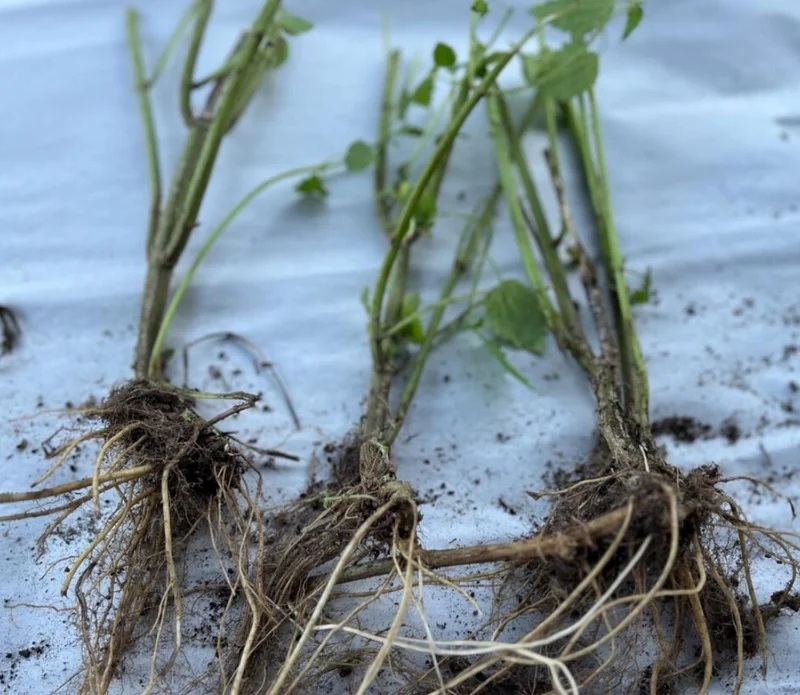
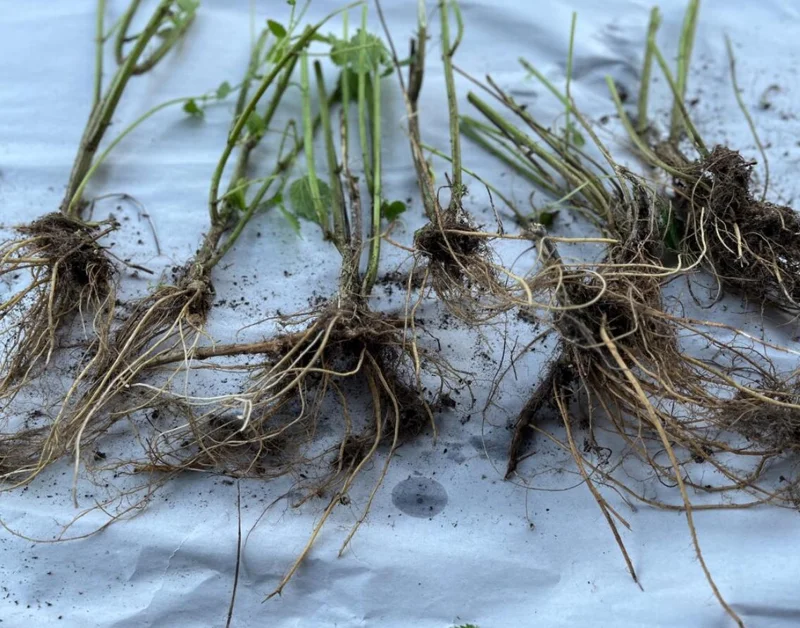
This offering includes a set of 3 stinging nettle bare roots (Urtica dioica). Each bare root is a dormant section of the plant’s root system, ready to sprout new growth once planted. They are shipped without soil or foliage, ensuring a compact and efficient delivery. Once planted, these perennial herbs will establish quickly, typically reaching heights of 2-4 feet at maturity, though regular harvesting can keep them more compact. The spread can be significant, often forming dense patches over time, making it excellent for naturalizing areas or for gardeners who appreciate its self-sustaining nature.
Expected growth rate is moderate to fast, with visible shoots appearing within a few weeks of planting in favorable conditions. While the bare roots themselves do not have a specific ‘pot size’, they are robust and designed for direct planting into garden beds. The leaves are typically harvested when young and tender, usually from spring through early summer. This edible nettle plant is a long-term investment for your garden, providing years of harvests from a single planting. Its resilience and vigor ensure that you will have plenty of fresh nettle for all your culinary and herbal needs.
Frequently Asked Questions
- Q: How big does this plant get? A: Once established, stinging nettle bare roots can grow to be 2 to 4 feet tall. Regular harvesting of the upper leaves can help to keep the plant more compact and encourage bushier growth.
- Q: Is this an indoor or outdoor plant? A: Stinging nettle is primarily an outdoor plant, thriving in garden beds and naturalized areas. While it can be grown in large containers, it prefers the space of an outdoor garden to spread.
- Q: Is this plant easy to care for? Is it good for beginners? A: Yes, urtica dioica plant is considered very easy to care for and is an excellent choice for beginners. It’s quite hardy and adaptable, requiring minimal attention once established, making it simple to grow stinging nettle.
- Q: What condition will it arrive in? A: Your order will arrive as a set of 3 dormant bare roots. These are live plant roots, free of soil and foliage, ready for planting directly into your garden.
- Q: Can I use stinging nettle in cooking? A: Absolutely! Once blanched, steamed, or cooked, the stinging hairs are neutralized, and the leaves can be used like spinach in soups, stir-fries, pesto, and teas. It’s a fantastic edible nettle plant.
- Q: When is the best time to plant these bare roots? A: The best time to plant stinging nettle bare roots is in the spring or fall. This allows the roots to establish themselves before the peak heat of summer or the deep cold of winter.
- Q: Will this medicinal herb plant survive winter in my zone? A: Stinging nettle is a very hardy perennial and thrives in USDA zones 3–10. It will die back to the ground in colder climates but will reliably return in the spring from its established root system.
- Q: What is the minimum temperature this plant can tolerate? A: As a perennial in USDA zones 3-10, stinging nettle can tolerate winter temperatures well below freezing, typically down to -30°F (-34°C) once established.
- Q: How much sunlight does it need? A: Stinging nettle bare roots prefer full sun to partial shade. For the most vigorous growth and best leaf production, aim for at least 4-6 hours of direct sunlight per day.
- Q: Is it safe for pets? A: While the fresh plant can cause irritation due to its stinging hairs, once cooked or dried, it is generally considered safe. However, like with any plant, it’s best to consult a vet if you have concerns about pet consumption.


Reviews
There are no reviews yet.