Overview
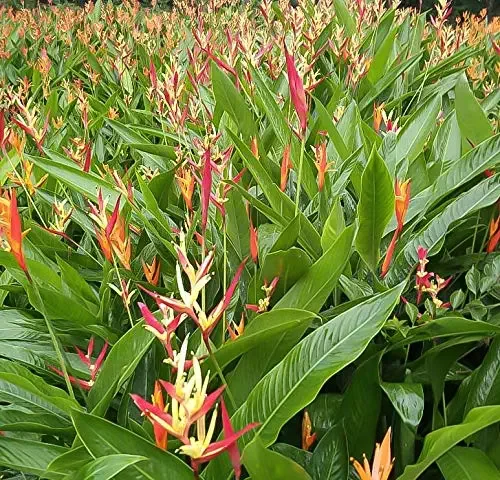
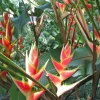
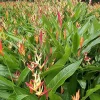
Transform your outdoor space into a vibrant, tropical paradise with this exquisite set of 4 Heliconia Lady Di Psittacorum rhizomes. Heliconia psittacorum, commonly known as Parrot’s Beak or Parakeet Flower, is renowned for its striking, colorful bracts that resemble exotic birds. These well-rooted rhizomes are ready to be planted, offering a fantastic opportunity to grow these magnificent plants with relative ease. The ‘Lady Di’ variety is particularly cherished for its brilliant red, orange, and yellow hues, adding a dramatic splash of color to any landscape. Ideal for gardeners seeking to introduce an eye-catching, low-maintenance tropical element, these psittacorum rhizomes will quickly establish themselves, bringing a touch of the tropics right to your backyard or patio. Whether you’re an experienced gardener or just starting, growing these beautiful heliconias from rhizomes is a rewarding experience.
Heliconias are native to tropical regions of the Americas and are celebrated worldwide for their unique and long-lasting inflorescences. They are often used in cut flower arrangements due to their durability and spectacular appearance. This particular offering provides a robust start for your tropical garden endeavors, ensuring you receive healthy, viable rhizomes ready for planting. Expect vigorous growth and a truly spectacular display once established. These plants thrive in warm, humid environments, making them a perfect addition to many southern US gardens or as container plants in cooler climates.
Key Benefits
Adding Heliconia Lady Di to your garden comes with a host of advantages, enhancing both the aesthetic and ecological value of your space. These plants are not just beautiful; they are also remarkably resilient and beneficial:
- Stunning Visual Appeal: The primary benefit of these colorful Heliconia rhizomes is their breathtaking beauty. The ‘Lady Di’ variety produces vibrant, parrot-like flowers in shades of red, orange, and yellow, creating an instant focal point in any garden or landscape. Their unique shape and brilliant colors are truly captivating.
- Attracts Pollinators: Heliconias are known to attract hummingbirds and other beneficial pollinators, bringing life and movement to your garden. These natural visitors contribute to a healthy ecosystem and provide endless enjoyment for nature lovers.
- Low Maintenance: Once established, Heliconia Lady Di rhizomes are relatively low maintenance, requiring minimal care to thrive. They are robust plants that can withstand various conditions, making them suitable for busy gardeners.
- Tropical Ambiance: Instantly transform any outdoor area into a lush, exotic haven. The bold foliage and spectacular blooms of these plants evoke a strong sense of the tropics, perfect for creating a relaxing and inviting atmosphere.
- Excellent for Cut Flowers: The long-lasting and striking flowers are perfect for cutting and bringing indoors. They make dramatic additions to floral arrangements, adding an exotic touch to your home decor.
- Fast Growing: Heliconias are known for their vigorous growth, quickly filling out spaces and providing a substantial display in a relatively short period after planting the psittacorum rhizomes.
- Versatile Planting Options: While ideal for in-ground planting in warm climates, these heliconias also perform exceptionally well in large containers, allowing gardeners in cooler regions to enjoy their tropical splendor by moving them indoors during colder months.
Plant Care & Growing Tips
To ensure your Heliconia Lady Di rhizomes flourish, understanding their specific care requirements is key. These tropical plants thrive in conditions that mimic their native habitats, primarily warmth, humidity, and plenty of light. Proper planting and ongoing care will lead to stunning displays of their unique flowers.
Sunlight Requirements
Heliconias prefer full sun to partial shade. In tropical and subtropical regions, full sun is ideal for maximizing bloom production and vibrant coloration. In hotter climates, some afternoon shade can be beneficial to prevent leaf scorch. If growing in containers, ensure they receive at least 6 hours of direct sunlight daily for the best results. The more light these colorful Heliconia plants receive, the more prolific their flowering will be.
Watering Schedule and Soil Moisture
These plants love consistent moisture. The soil should be kept consistently damp but not waterlogged. Water thoroughly when the top inch of soil feels dry to the touch. During hot, dry periods, daily watering may be necessary. Reduce watering in cooler months or if the plant enters a dormant phase. Good drainage is crucial to prevent root rot, so avoid standing water.
Soil Type and Drainage Requirements
Heliconias thrive in rich, well-draining soil. A loamy soil amended with organic matter, such as compost or well-rotted manure, is ideal. The soil pH should be slightly acidic to neutral (6.0-7.0). If planting in containers, use a high-quality potting mix that retains moisture but drains freely. Ensure your pots have adequate drainage holes.
Temperature Range and USDA Hardiness Zone
Heliconia psittacorum is a tropical plant and is sensitive to cold. It is best suited for USDA Hardiness Zones 9-11, where it can be grown outdoors year-round. In colder zones, it can be grown as an annual or overwintered indoors in containers. Protect from frost; temperatures below 50°F (10°C) can damage the foliage and inhibit growth. Ideal temperatures for growth are between 70-85°F (21-29°C).
Fertilization Schedule and Type
Feed your heliconias regularly during the growing season (spring through fall) with a balanced, slow-release fertilizer. Alternatively, a liquid fertilizer applied every 2-4 weeks can be used. Look for a fertilizer with a slightly higher phosphorus content to encourage blooming. Reduce or stop fertilizing during the dormant winter months. Proper feeding will support robust growth and abundant flowers from your tropical garden plants.
Common Problems and Solutions
While generally robust, heliconias can occasionally face issues. Pests like spider mites or mealybugs can appear, especially in dry conditions. Treat with insecticidal soap or neem oil. Yellowing leaves can indicate overwatering (if soil is soggy) or underwatering (if soil is dry and crispy). Adjust your watering schedule accordingly. Lack of blooms often points to insufficient sunlight or nutrients, so ensure proper light exposure and consistent feeding. Ensure optimal care for your Heliconia plant care to avoid common problems.
Size & Details
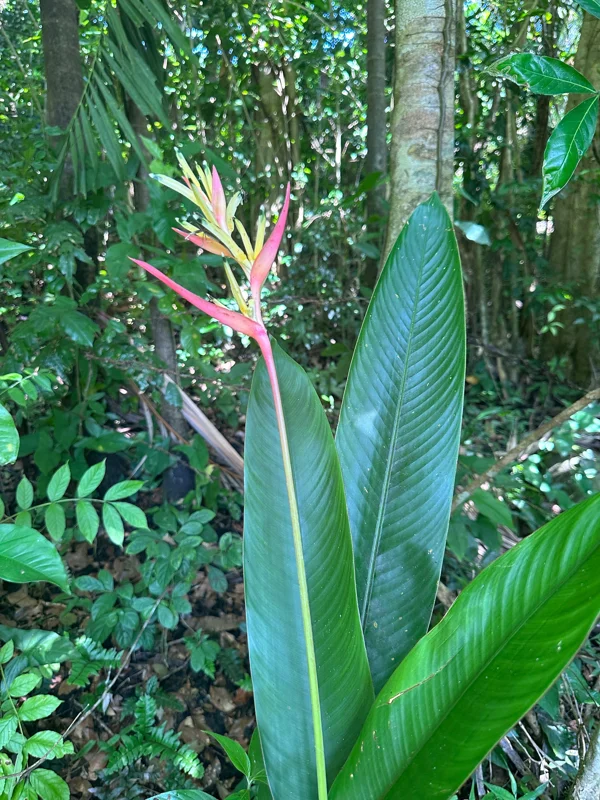
This offering includes a set of 4 Heliconia Lady Di Psittacorum rhizomes, each carefully selected for health and vitality. These rhizomes are well-rooted and ready to be planted directly into your garden or containers. When mature, Heliconia psittacorum ‘Lady Di’ typically grows to a height of 3 to 6 feet, with a spread of 2 to 4 feet, forming attractive clumps of upright foliage and vibrant blooms. The growth rate is vigorous in optimal conditions, with flowering often beginning in the first year after planting, especially in warmer climates. Each rhizome has the potential to produce multiple stems, leading to a lush and full plant over time. The striking inflorescences typically emerge from late spring through fall, providing a long season of color. These plants are shipped as dormant or semi-dormant rhizomes, ensuring they travel well and are ready for a strong start in their new environment. Proper planting depth and spacing will encourage healthy clump formation from these psittacorum rhizomes.
Frequently Asked Questions
- Q: How big do these Heliconia Lady Di rhizomes get when mature? A: When mature, the Heliconia psittacorum ‘Lady Di’ typically reaches a height of 3 to 6 feet with a spread of 2 to 4 feet. The size can vary slightly depending on growing conditions and climate, but they form substantial, eye-catching clumps.
- Q: Are these an indoor or outdoor plant? A: Heliconia ‘Lady Di’ are primarily outdoor tropical plants best suited for USDA Zones 9-11. In colder zones, they can be grown in large containers and brought indoors during winter, making them versatile tropical garden plants.
- Q: How much sunlight do these Heliconia rhizomes need? A: For the most abundant blooms and vibrant color, Heliconias prefer full sun, meaning at least 6 hours of direct sunlight per day. In very hot climates, some afternoon shade can be beneficial to prevent leaf burn.
- Q: What condition will the rhizomes arrive in? A: Your Heliconia Lady Di rhizomes will arrive well-rooted, healthy, and ready for planting. They may be dormant or semi-dormant, which is normal for rhizomes and ensures they establish well once planted.
- Q: Is this plant easy to care for? Is it good for beginners? A: Heliconia ‘Lady Di’ is considered relatively easy to care for once established, making it a good choice for both experienced and novice gardeners looking to grow colorful Heliconia. Consistent watering and adequate sunlight are the main requirements.
- Q: How long until it blooms after planting the rhizomes? A: With optimal care and suitable conditions, Heliconia psittacorum rhizomes can begin to bloom within the first year after planting. Established plants will bloom more prolifically each subsequent year.
- Q: What is the best time to plant Heliconia rhizomes? A: The best time to plant Heliconia rhizomes is in spring or early summer, after all danger of frost has passed and soil temperatures have warmed up. This gives them ample time to establish before cooler weather.
- Q: Can I grow these Heliconia in a container? A: Yes, these psittacorum rhizomes are excellent for container gardening, especially in regions outside their hardiness zones. Use a large pot with good drainage and a rich potting mix, and bring it indoors during winter.
- Q: How often should I fertilize for good Heliconia plant care? A: During the active growing season (spring through fall), fertilize every 2-4 weeks with a balanced liquid fertilizer or use a slow-release granular fertilizer once every 2-3 months. Reduce feeding in winter.
- Q: Are these plants drought tolerant? A: While established heliconias can tolerate short periods of dryness, they prefer consistently moist soil and are not considered drought-tolerant. Regular watering is essential for vigorous growth and flowering.



Reviews
There are no reviews yet.