Overview
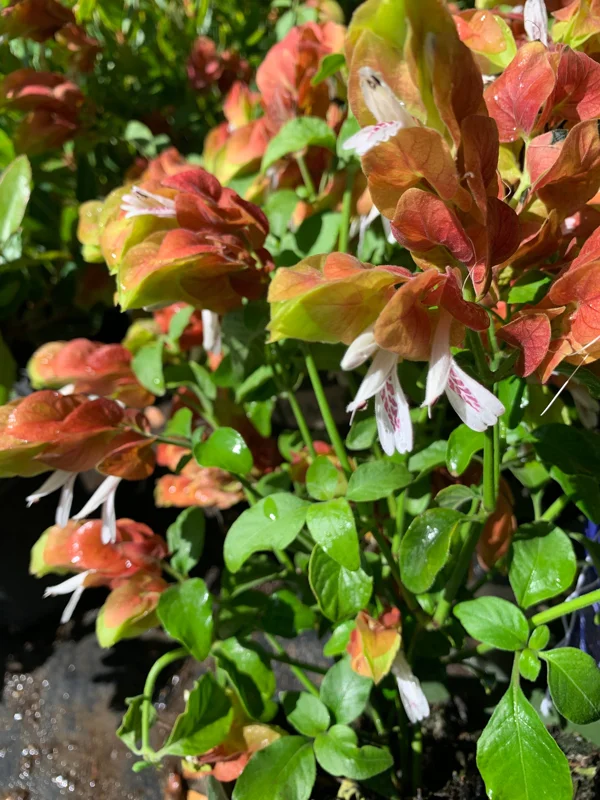
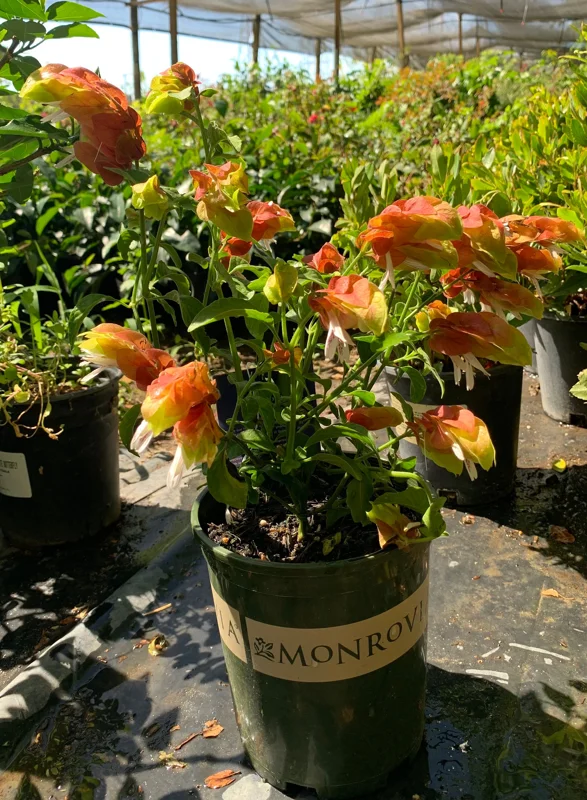
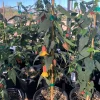
Bring a touch of the tropics to your home or garden with the fascinating shrimp plant live plant. Known botanically as Justicia brandegeeana, this unique shrub gets its common name from its arching, overlapping bracts that resemble a cooked shrimp. Originating from Mexico, the shrimp plant live plant is a prolific bloomer, producing these striking inflorescences for much of the year, especially in warmer climates. Its vibrant colors, typically shades of red, pink, or yellow, make it a standout specimen in any collection. Whether you’re an experienced horticulturist or a budding plant enthusiast, the shrimp plant offers an easy-to-grow and visually rewarding experience. This particular offering is a healthy, established plant, approximately 1 ft tall and ready to thrive in its new environment, arriving in a convenient 6 inch pot.
The shrimp plant live plant is a versatile addition, equally at home as an indoor potted plant, bringing vibrant color to your living space, or as an outdoor ornamental in suitable climates. Its distinctive appearance makes it a fantastic conversation starter and a focal point in mixed borders, containers, or hanging baskets. Beyond its aesthetic appeal, the shrimp plant is relatively low-maintenance, making it an excellent choice for those seeking exotic beauty without demanding care. Its continuous blooming cycle ensures long-lasting visual interest, providing a splash of color even during periods when other plants might be dormant.
Key Benefits
The shrimp plant live plant offers a multitude of benefits, making it a popular choice for both indoor and outdoor gardening. Its unique form and persistent bloom provide continuous visual interest and a touch of the exotic. Here are some of the key advantages of cultivating this remarkable plant:
- Unique Ornamental Appeal: The primary draw of the shrimp plant is its unusual and captivating flower-like bracts that truly resemble shrimp. These striking inflorescences create an instant focal point in any garden or room, adding an exotic and playful element to your plant collection.
- Extended Blooming Period: Unlike many flowering plants with short bloom cycles, the shrimp plant live plant is known for its exceptionally long blooming season. In optimal conditions, it can produce its distinctive bracts almost continuously, providing consistent color and interest throughout most of the year.
- Attracts Pollinators: When grown outdoors, the vibrant bracts and small white flowers of the shrimp plant are highly attractive to hummingbirds and butterflies. This makes it a wonderful addition to a pollinator garden, helping to support local ecosystems and bringing lively activity to your outdoor space.
- Low Maintenance & Easy Care: Despite its exotic appearance, shrimp plant care is surprisingly straightforward. It tolerates a range of conditions and is not overly demanding, making it suitable for beginner gardeners or those seeking a beautiful plant that doesn’t require constant attention.
- Versatile Growth Habit: The shrimp plant can be grown as a compact shrub in garden beds, a stunning container plant on patios, or an eye-catching houseplant. Its adaptability allows it to fit into various landscaping designs and indoor decor schemes, providing flexibility for its placement.
- Drought Tolerance: Once established, the shrimp plant exhibits a good degree of drought tolerance, making it a resilient choice for gardeners in regions with drier periods. This reduces the need for frequent watering, contributing to its low-maintenance profile.
- Tropical Ambiance: With its lush foliage and vibrant, unusual blooms, the shrimp plant effortlessly creates a tropical atmosphere. It’s perfect for bringing a vacation-like feel to your outdoor living areas or transforming an indoor space into a verdant oasis.
Plant Care & Growing Tips
Successful growing shrimp plant requires attention to a few key environmental factors, though it is generally considered an easy-care plant. Providing the right conditions will ensure a healthy, vigorously blooming specimen. The shrimp plant live plant thrives in warm, humid environments, mimicking its native Mexican habitat.
Sunlight Requirements: This plant prefers bright, indirect light to partial shade. When grown outdoors, it can tolerate full sun in coastal areas or cooler climates, but in hot, arid regions, some afternoon shade is beneficial to prevent leaf scorch. Indoors, place your shrimp plant near a bright window where it receives several hours of indirect light daily. Too little light will result in leggy growth and fewer blooms, while too much direct, intense sun can burn the leaves and fade the bracts. Achieving the right balance is crucial for abundant flowering.
Watering Schedule & Soil Moisture: Keep the soil consistently moist but never waterlogged. Water thoroughly when the top inch of soil feels dry to the touch. During hot summer months or when the plant is actively blooming, it may require more frequent watering. Reduce watering slightly in winter, especially for indoor plants. Good drainage is paramount; soggy soil can lead to root rot. If you are concerned about shrimp plant care regarding watering, always check the soil moisture before adding more water. Ensure your pot has drainage holes.
Soil Type & Drainage: The shrimp plant prefers a well-draining, fertile soil mix. A standard potting mix amended with some compost or perlite works well. For outdoor planting, ensure your garden soil is rich in organic matter and drains freely. Heavy clay soils should be amended with sand and compost to improve drainage and aeration, which are vital for healthy root development of the shrimp plant live plant. Aim for a slightly acidic to neutral pH (6.0-7.0).
Temperature Range & USDA Hardiness Zone: Being a tropical plant, the shrimp plant is sensitive to cold. It thrives in temperatures between 60-75°F (15-24°C). It is generally hardy in USDA Zones 9-11, where it can be grown outdoors year-round. In colder zones, it is best grown as an annual or brought indoors before the first frost. Protect it from temperatures below 50°F (10°C) to prevent damage. Humidity is also appreciated, especially for indoor shrimp plant specimens; consider misting or using a pebble tray.
Fertilization Schedule & Type: Feed your shrimp plant every 2-4 weeks during its active growing and blooming season (spring through fall) with a balanced liquid fertilizer diluted to half strength. A fertilizer formulated for flowering plants, with a slightly higher phosphorus content, can encourage more prolific blooming. Reduce or cease fertilization during the winter months when growth naturally slows down. Regular feeding supports the continuous production of its vibrant bracts.
Common Problems & Solutions: The shrimp plant is generally pest-resistant, but occasionally may encounter common houseplant pests like spider mites, aphids, or whiteflies, especially when grown indoors. Inspect your plant regularly and treat any infestations promptly with insecticidal soap or neem oil. Yellowing leaves can indicate overwatering or nutrient deficiency, while browning leaf tips might suggest low humidity or underwatering. Leggy growth with few blooms usually points to insufficient light. Adjusting environmental conditions and proper growing shrimp plant techniques will generally resolve most issues.
Size & Details
This offering is for one healthy shrimp plant live plant, carefully nurtured and established for optimal growth in your home or garden. The plant typically stands approximately 1 ft tall from the base of the soil to the top of its foliage, providing an immediate visual impact. It is shipped securely in a 6 inch pot, ensuring the root system is well-protected and ready for transplanting or continued growth in its current container. The shrimp plant is known for its moderate to fast growth rate under ideal conditions, quickly developing into a lush, shrub-like form. While individual growth rates vary, you can expect this plant to fill out and produce its characteristic blooms readily.
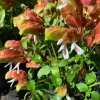
The mature size of a shrimp plant live plant can reach up to 3-5 feet tall and wide when grown outdoors in ideal conditions, though it can be kept smaller through pruning. As an indoor shrimp plant, it typically remains more compact, usually reaching 2-3 feet in height. It produces its distinctive, colorful bracts that can be red, pink, yellow, or even bicolored, with small white flowers emerging from within. These bracts can appear almost year-round in warm climates, offering continuous beauty. This plant is a fantastic choice for adding vertical interest and a burst of tropical color to any setting, whether it’s a patio container, a garden bed, or a bright indoor spot.
Frequently Asked Questions
- Q: How big does this shrimp plant live plant get? A: This plant is approximately 1 foot tall when shipped in its 6-inch pot. Outdoors, it can grow 3-5 feet tall and wide, while indoors it typically stays more compact, around 2-3 feet. Its size can also be managed with regular pruning.
- Q: What size pot does it come in? A: The shrimp plant live plant is shipped in a sturdy 6-inch nursery pot, providing a good starting size for its root system and allowing it to settle before any necessary repotting.
- Q: Is this an indoor or outdoor plant? A: The shrimp plant is versatile. It can be grown outdoors year-round in USDA Zones 9-11. In cooler climates, it makes an excellent container plant that can be brought indoors during winter, or grown as a vibrant indoor shrimp plant year-round.
- Q: How much sunlight does it need? A: This plant prefers bright, indirect light to partial shade. If grown outdoors, it can handle full sun in cooler regions but benefits from afternoon shade in hot climates. Indoors, place it near a window with ample indirect light.
- Q: Is this plant easy to care for? A: Yes, shrimp plant care is generally considered easy. It’s a relatively low-maintenance plant that tolerates a range of conditions once established, making it suitable for both novice and experienced gardeners.
- Q: What condition will it arrive in? A: Your shrimp plant live plant will arrive carefully packaged, healthy, and ready to thrive. We take great care to ensure the plant is protected during transit, so it arrives in excellent condition.
- Q: How often should I water my shrimp plant? A: Keep the soil consistently moist but not waterlogged. Water thoroughly when the top inch of soil feels dry to the touch. Reduce watering slightly during cooler months. Proper drainage is crucial to prevent root rot.
- Q: Will it survive winter in my zone? A: If you are in USDA Zones 9-11, your shrimp plant can likely survive winter outdoors. In colder zones, it must be brought indoors before temperatures drop below 50°F (10°C) or treated as an annual.
- Q: What are the distinctive features of the growing shrimp plant? A: The most distinctive feature is its unique, arching bracts that resemble cooked shrimp, giving the plant its common name. These colorful bracts, usually red, pink, or yellow, surround small white flowers and bloom for extended periods.
- Q: Is Justicia brandegeeana the same as a shrimp plant? A: Yes, Justicia brandegeeana is the botanical name for the popular shrimp plant. It’s often referred to by both its common and scientific names in gardening circles.



Reviews
There are no reviews yet.