Overview
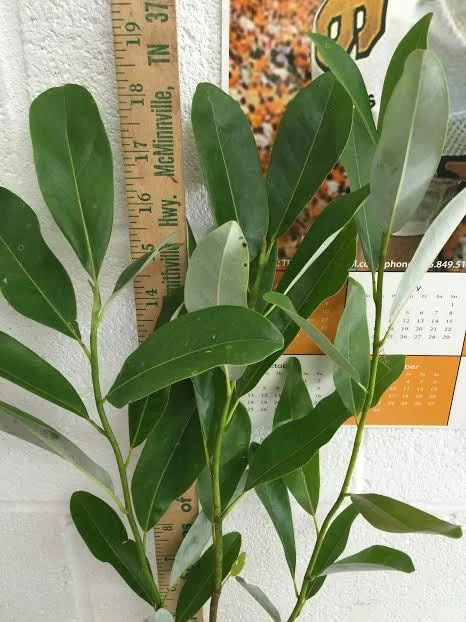
Introduce the captivating spice bush live plant (Lindera benzoin) to your landscape. This exceptional native shrub, also known as Pond Berry, is a cherished addition for gardeners seeking both beauty and ecological benefit. Known for its sweet, spicy fragrance emanating from its stems, leaves, and fruits when bruised, the spice bush live plant creates a sensory experience in any outdoor space. Reaching an admirable height of 3-4 feet and a width of 2 feet at maturity, it forms a well-shaped shrub with deep green leaves that transform into a brilliant yellow in the fall. This plant is not just a visual treat; it’s a vital component of local ecosystems, providing sustenance and habitat for numerous bird species. If you’re looking to enhance your garden with a low-maintenance, high-impact native plant, the Lindera benzoin is an excellent choice.
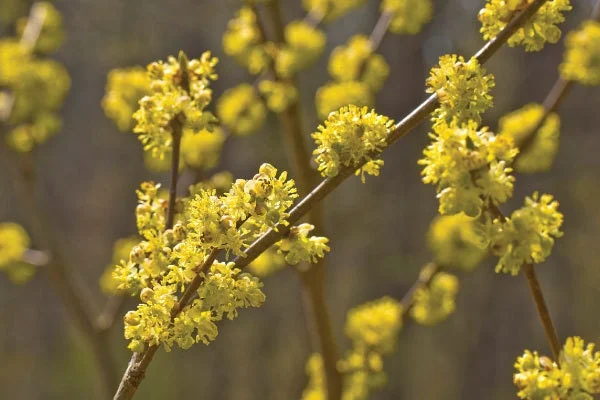
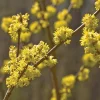
The spice bush live plant is a deciduous shrub belonging to the laurel family, making it a robust and adaptable species. It produces delicate clusters of yellow flowers in early spring before its leaves emerge, adding an early splash of color to the awakening garden. These flowers mature into shiny red berries, which are a particular favorite of many bird species, including wood thrushes. Its ecological value, combined with its aesthetic appeal and ease of care, makes it a popular choice for native plant gardens, wildlife habitats, and general landscaping across its hardiness range.
Key Benefits
Choosing a spice bush live plant for your garden offers a multitude of advantages, enriching your outdoor environment in various ways:
- Ecological Keystone: This native shrub is a crucial host plant for the Spicebush Swallowtail butterfly and provides essential food for over 20 species of birds, including wood thrushes, which relish its red berries. Planting a spice bush live plant directly contributes to local biodiversity.
- Fragrant Foliage: Enjoy the distinctive sweet and spicy aroma released when the leaves, stems, or fruits are bruised, adding a unique sensory element to your garden experience.
- Stunning Fall Color: The deep green leaves of the spice bush transform into a spectacular bright yellow in autumn, providing a vibrant display that brightens the late-season landscape.
- Adaptable & Resilient: Tolerant of a range of light conditions from full sun to shady locations, and preferring moist soils, this shrub is highly adaptable, making it suitable for various garden settings.
- Low Maintenance: Once established, the lindera benzoin shrub requires minimal care, making it an excellent choice for busy gardeners or those new to native plant cultivation.
- Year-Round Interest: From early spring flowers and summer foliage to fall color and winter berries, the spice bush offers visual appeal throughout the seasons.
- Natural Landscaping: Its attractive form and moderate size make it ideal for naturalized areas, woodland gardens, or as a specimen plant in a mixed border.
Plant Care & Growing Tips
Caring for your spice bush live plant (Lindera benzoin) is relatively straightforward, as it is a hardy and adaptable native species. For optimal growth, choose a location with at least partial sun, though it can tolerate full sun or even shadier spots. In shadier conditions, the fall color might be less intense, but the plant will still thrive. Aim for 4-6 hours of sunlight daily, especially if you desire abundant berry production and vibrant fall foliage.
The growing spice bush prefers consistently moist soils, making it an excellent choice for areas that retain some humidity or near water features. However, ensure good drainage to prevent waterlogging, especially in heavier clay soils. Amending the soil with organic matter can improve both moisture retention and drainage. Water regularly, especially during dry spells and in its first year after planting, to help establish a strong root system. Once established, it is fairly drought-tolerant but will perform best with consistent moisture.
The lindera benzoin shrub is hardy in USDA Zones 4-9, demonstrating excellent cold tolerance. It generally does not require extensive fertilization; a light application of a balanced, slow-release fertilizer in early spring can be beneficial, particularly for younger plants or those in less fertile soil. Pruning is usually limited to removing dead, damaged, or crossing branches to maintain a healthy structure. You can also prune for shape after flowering, but be mindful that excessive pruning may reduce berry production. Pest and disease issues are generally minimal for this robust native plant, making it a truly low-maintenance addition to your garden. Understanding how to support a native spicebush for birds and other wildlife will ensure your plant thrives and contributes to its ecosystem.
Size & Details
Each purchase includes one healthy spice bush live plant, shipped in a 4-inch quart pot. The plant will arrive standing between 10-14 inches tall, ready for immediate planting in your garden or a larger container. The Lindera benzoin is a moderate-growing shrub, typically reaching a mature height of 3-4 feet and a spread of about 2 feet, creating a dense and attractive form. It develops a strong root system quickly once planted, ensuring its vigor and resilience. Expect the plant to begin flowering in early spring, with berries developing in late summer and fall. This particular size is ideal for establishing a fragrant spice bush rapidly in your desired location, allowing it to begin contributing to your garden’s aesthetic and ecological value without a long wait.
Frequently Asked Questions
- Q: How big does this spice bush live plant get at maturity? A: The Lindera benzoin typically grows to a mature height of 3-4 feet and a width of about 2 feet, forming a nicely shaped, dense shrub.
- Q: Is this an indoor or outdoor plant? A: The spice bush is an outdoor native shrub, best suited for garden beds, naturalized areas, or large outdoor containers in USDA Zones 4-9.
- Q: How much sunlight does the growing spice bush need? A: It thrives in partial sun (4-6 hours daily) but can also tolerate full sun or shadier locations. Fall color may be more vibrant with more sun.
- Q: What condition will the plant arrive in? A: Your spice bush live plant will arrive in a 4-inch quart pot, 10-14 inches tall, healthy and ready for planting, with its root ball intact.
- Q: Is the lindera benzoin shrub easy to care for? A: Yes, it is considered low-maintenance. Once established, it is quite hardy and requires minimal care, especially if planted in its preferred moist, well-draining soil.
- Q: When is the best time to plant a fragrant spice bush? A: Spring or early fall are generally the best times to plant, allowing the roots to establish before extreme summer heat or winter cold.
- Q: Will this native spicebush for birds survive winter in my zone? A: Yes, it is very cold-hardy and will thrive in USDA Zones 4-9, making it suitable for a wide range of climates.
- Q: What kind of soil does it prefer? A: The spice bush prefers moist, well-draining soil. Amending with organic matter can help achieve ideal conditions.
- Q: How long until it produces berries? A: Established plants typically produce berries in late summer to early fall after flowering in spring. Younger plants may take a season or two to fully establish and produce.
- Q: Does this plant have a strong fragrance? A: Yes, the common name refers to the sweet, spicy fragrance of the stems, leaves, and fruits when bruised. This is a key characteristic of the spice bush live plant.



Reviews
There are no reviews yet.