Overview
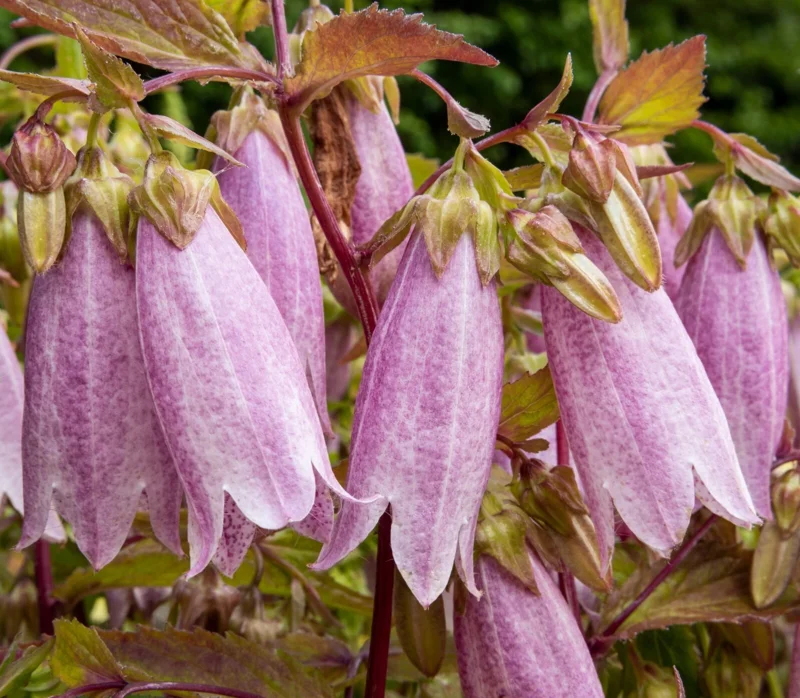
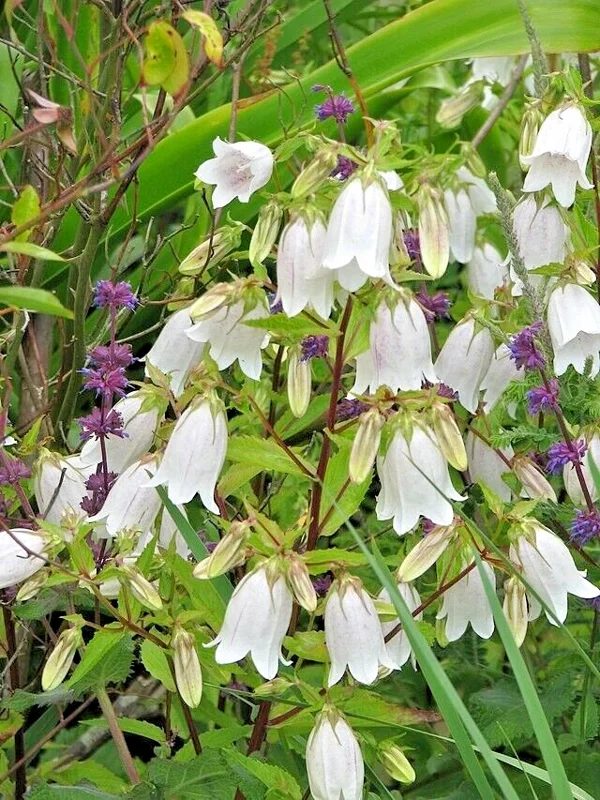
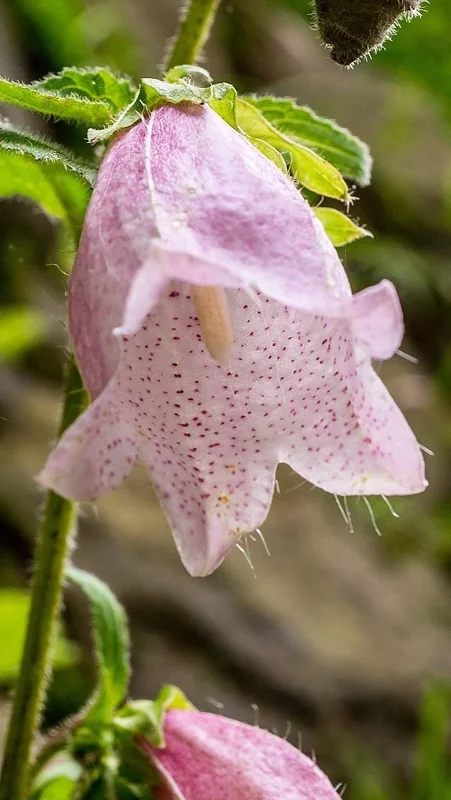
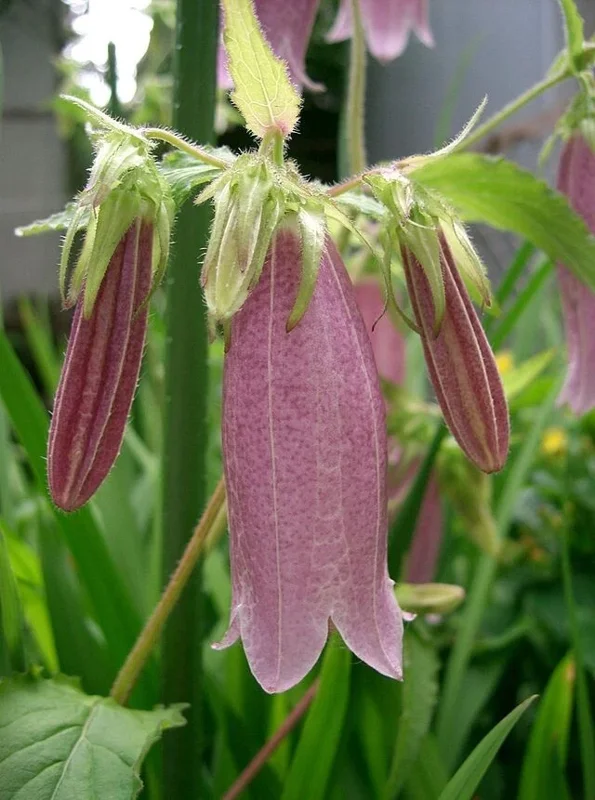
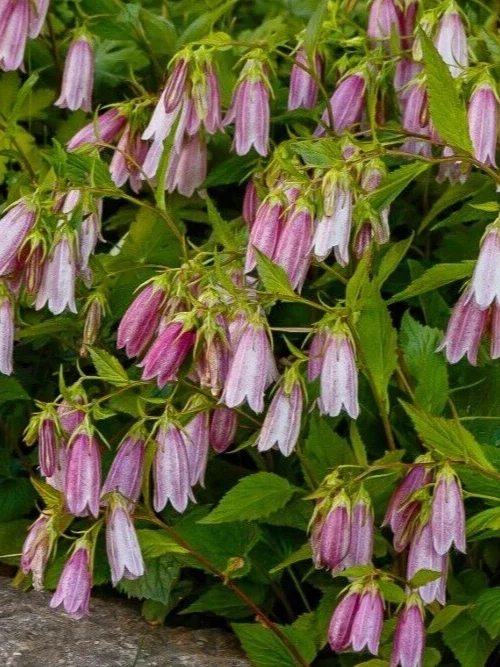
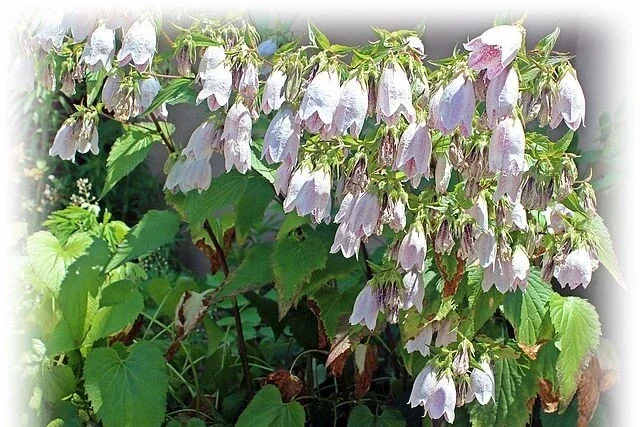
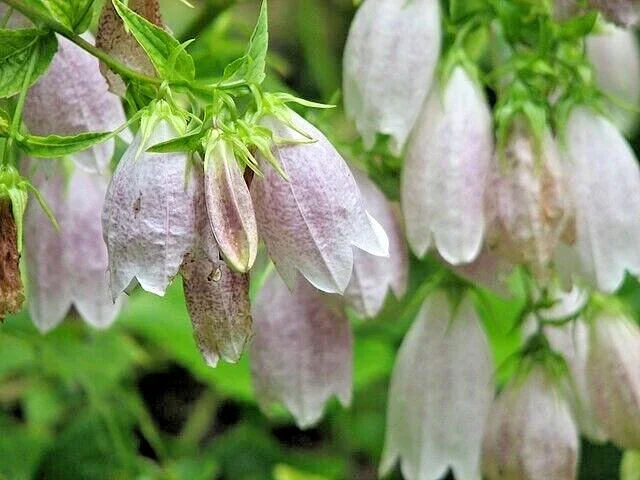
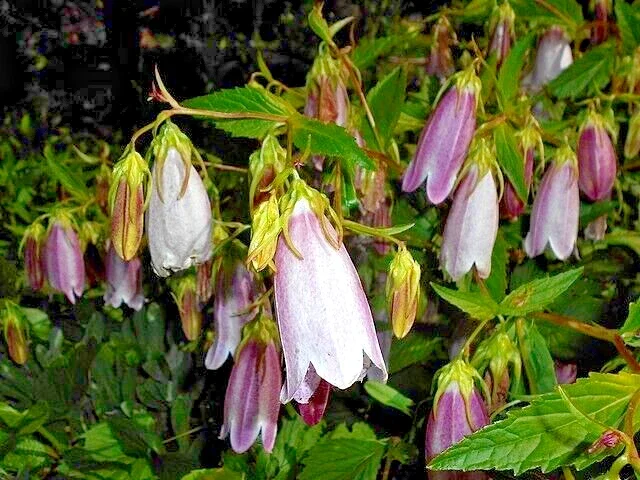
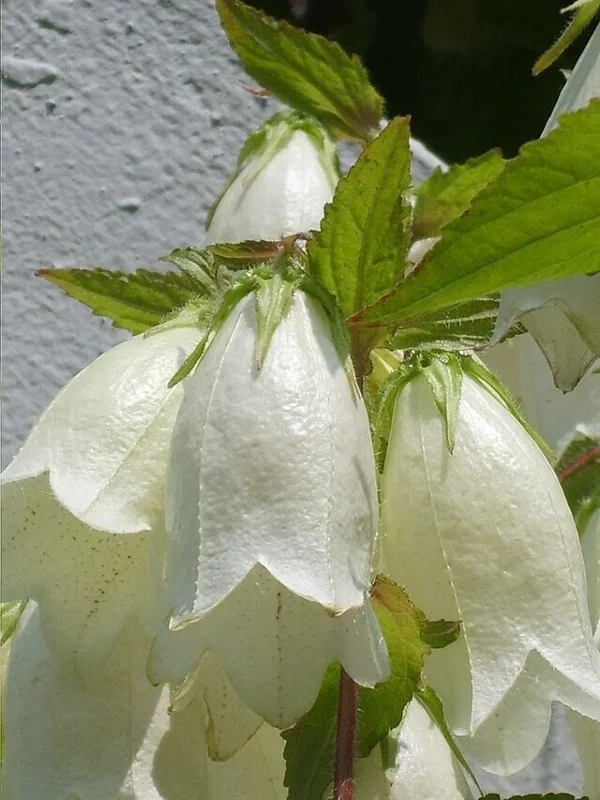
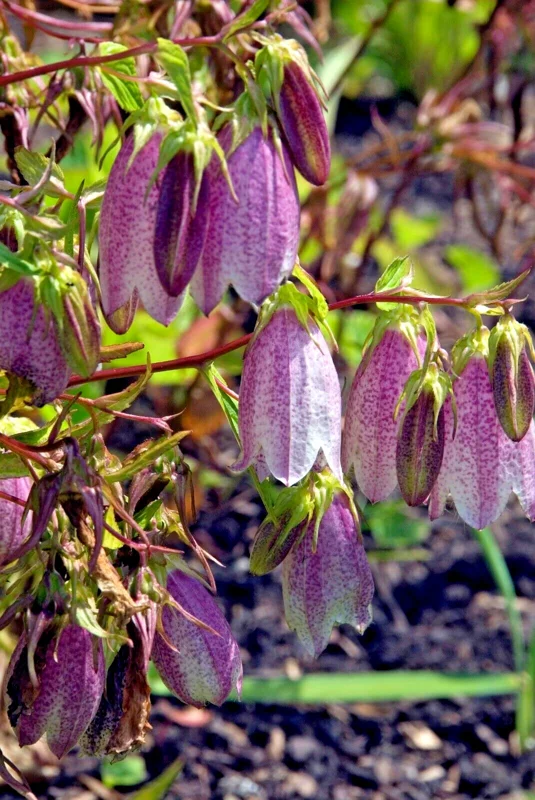
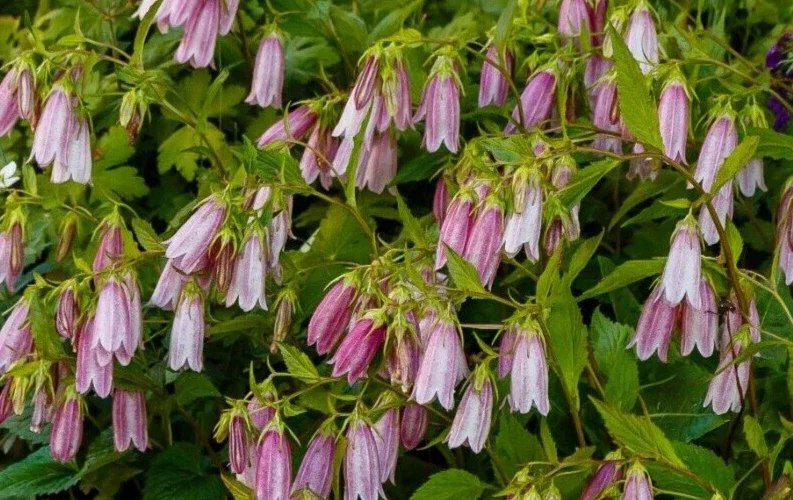
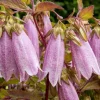
Transform your garden into a tapestry of color with these exquisite spotted bellflower seeds. This mix, featuring beautiful shades of pink, white, and purple, provides a delightful array of blooms that will enhance any outdoor space. Scientifically known as Campanula takesimana and/or Campanula punctata, these bellflowers are cherished for their unique, bell-shaped flowers and their ability to naturalize and thrive in various climates. Growing spotted bellflower seeds is an incredibly rewarding experience, offering both visual appeal and a sense of accomplishment for gardeners of all skill levels. These perennial varieties ensure that your garden will return with beauty season after season, making them a sustainable and lovely choice for your landscape design.
Whether you’re looking to fill borders, create charming cottage gardens, or add a touch of whimsy to rockeries, these spotted bellflower seeds provide an excellent foundation. The robust nature of these plants means they are not only beautiful but also relatively low maintenance once established, allowing you more time to enjoy their charm. With 150 seeds included, you’ll have ample opportunity to propagate a thriving collection of these delightful flowers. Embrace the joy of gardening with these versatile and resilient campanula takesimana seeds.
Key Benefits
Planting spotted bellflower seeds offers numerous advantages, from their aesthetic appeal to their ease of cultivation. These perennial flowers are a fantastic addition to any garden, providing consistent beauty and ecological benefits.
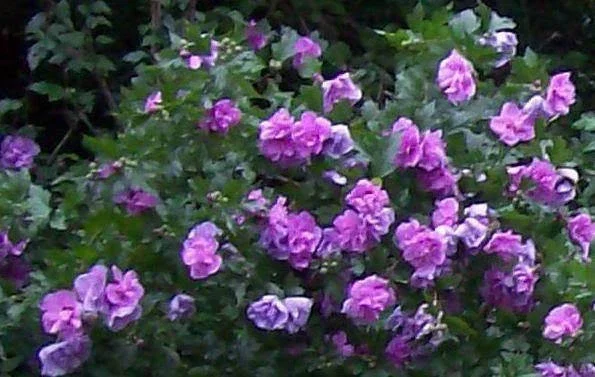
- Stunning Multicolor Blooms: Enjoy a vibrant display of pink, white, and purple flowers, creating a dynamic and attractive focal point in your garden. The mix ensures a diverse and visually rich planting area, perfect for gardeners who love variety.
- Perennial Longevity: As perennial plants, these bellflowers will return year after year, saving you the effort of replanting annually. This natural longevity makes them a cost-effective and sustainable choice for long-term garden planning.
- Attracts Pollinators: The charming bell-shaped flowers are highly attractive to bees and other beneficial pollinators, contributing to the health and biodiversity of your local ecosystem. Encourage wildlife with these lovely spotted bellflower seeds.
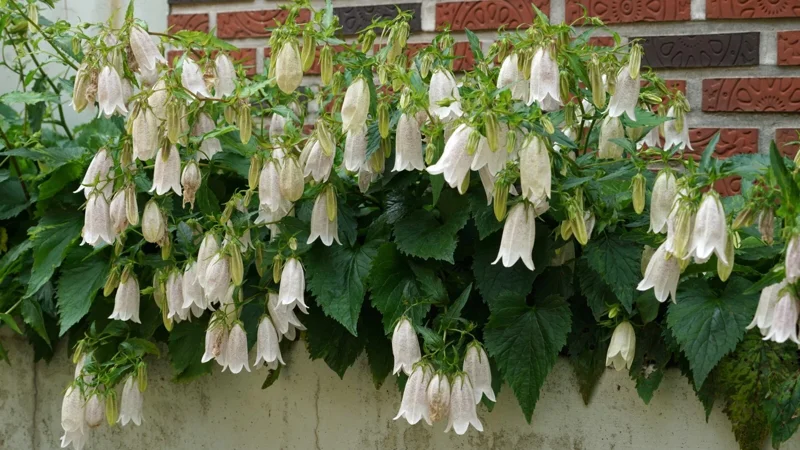
- Versatile Garden Use: Perfect for borders, rock gardens, mass plantings, or as ground cover. Their clumping growth habit makes them adaptable to various landscape designs, adding texture and color wherever they are planted.
- Easy to Grow: These perennial bellflower seeds are known for their very easy cultivating difficulty, making them an ideal choice for both novice and experienced gardeners. Minimal fuss is required to achieve beautiful results.
- Cold Resistant: With a USDA Hardiness Zone range of 3-9, these plants are remarkably resilient to cold temperatures, thriving in diverse climates from temperate to cold regions.
- Long Season of Interest: Bellflowers typically bloom from spring through summer, providing extended periods of floral beauty and interest in your garden.
Plant Care & Growing Tips
Growing spotted bellflower seeds successfully begins with understanding their basic needs. These adaptable perennials are relatively forgiving, but providing optimal conditions will ensure the most robust growth and abundant blooms. They are known for being quite easy to grow, making them a great choice for those looking to expand their garden with minimal fuss. Proper care for your campanula takesimana seeds will result in a thriving and beautiful display.
For sunlight, spotted bellflower seeds perform best in partial shade to full sun. In hotter climates, some afternoon shade is beneficial to protect them from intense heat, while in cooler regions, full sun can encourage more prolific flowering. They are quite flexible, allowing you to find the perfect spot in your garden. Watering should be medium; aim for consistently moist, but not waterlogged, soil. Allow the top inch or two of soil to dry out between waterings. Good drainage is crucial to prevent root rot, especially during wetter periods. These plants are tolerant of various climates, including Highland, Humid Continental, Marine West Coast, Cold, and Temperate zones, showcasing their adaptability.
When it comes to soil, bellflowers prefer well-draining soil with a neutral pH. A mix of loam, peat, sand, and silt is ideal, providing the necessary nutrients and drainage. Fertilization is generally not heavily required for established plants, but a balanced, slow-release fertilizer in spring can encourage vigorous growth and flowering. Deadheading spent blooms will promote continuous flowering throughout the season. Common problems are few, but watch out for slugs and snails, especially on young plants. Ensuring good air circulation can help prevent fungal issues. These perennial bellflower seeds are a hardy choice, capable of withstanding various environmental stresses, making them a reliable addition to your garden.
Size & Details
These spotted bellflower seeds will develop into clump-forming perennial plants, adding a lovely structure to your garden. While exact mature dimensions can vary based on growing conditions, bellflowers typically grow to a moderate height, often between 1 to 2 feet tall and spread similarly, creating attractive mounds of foliage and flowers. The seeds are shipped in a convenient packet, ready for you to sow. Expect blooms from spring through summer, offering a long season of vibrant color.
The plants are deciduous, meaning their foliage will die back in colder months and reappear in spring. They are cold-resistant and suitable for USDA Hardiness Zones 3-9, tolerating temperatures down to -40°F. These are open-pollinating and cross-pollinating seeds. With a very easy cultivating difficulty, gardeners can anticipate seeing their first blooms within the first or second year after planting, depending on the sowing time and local climate. This generous pack of 150 seeds provides an excellent start for a substantial patch of these charming bellflowers, ensuring a beautiful, long-lasting garden display.
Frequently Asked Questions
- Q: How big do these spotted bellflower plants get? A: These spotted bellflower seeds will grow into clump-forming plants that typically reach about 1 to 2 feet in height and spread. Their mature size can vary slightly depending on your specific growing conditions and climate.
- Q: Is this an indoor or outdoor plant? A: These bellflowers are primarily outdoor plants, thriving in garden beds, borders, and rockeries. They are well-suited for various outdoor climates and are not typically grown as houseplants.
- Q: How much sunlight do perennial bellflower seeds need? A: These plants prefer partial shade to full sun. In areas with intense summer heat, providing some afternoon shade can help protect the foliage and prolong blooming.
- Q: Is this plant easy to care for? A: Yes, spotted bellflower seeds are considered very easy to cultivate. They are quite adaptable and require moderate watering and well-draining soil once established, making them suitable for beginners.
- Q: What condition will the seeds arrive in? A: The product includes 150 new, fresh spotted bellflower seeds. They will arrive in a packet, ready for planting according to the provided instructions.
- Q: When is the best time to plant campanula takesimana seeds? A: The best time to plant these seeds is typically in spring or early summer after the last frost. This allows the seedlings ample time to establish before cooler weather.
- Q: Will it survive winter in my zone? A: Yes, these bellflowers are perennial and cold-resistant, hardy in USDA Zones 3-9. They are designed to survive winter and return reliably each spring in these zones.
- Q: How long until the purple bellflower care leads to blooms? A: With proper care, you can generally expect these bellflowers to begin blooming in their first or second year after planting. They will then continue to bloom from spring through summer in subsequent years.
- Q: What type of soil is best for spotted bellflower seeds? A: They thrive in well-draining soil with a neutral pH. A mix containing loam, peat, sand, and silt is ideal to ensure good drainage and nutrient availability for the plants.
- Q: What colors are included in this mix? A: This seed mix is designed to produce a beautiful variety of pink, white, and purple blooms, offering a vibrant and diverse display in your garden.





Reviews
There are no reviews yet.