Overview
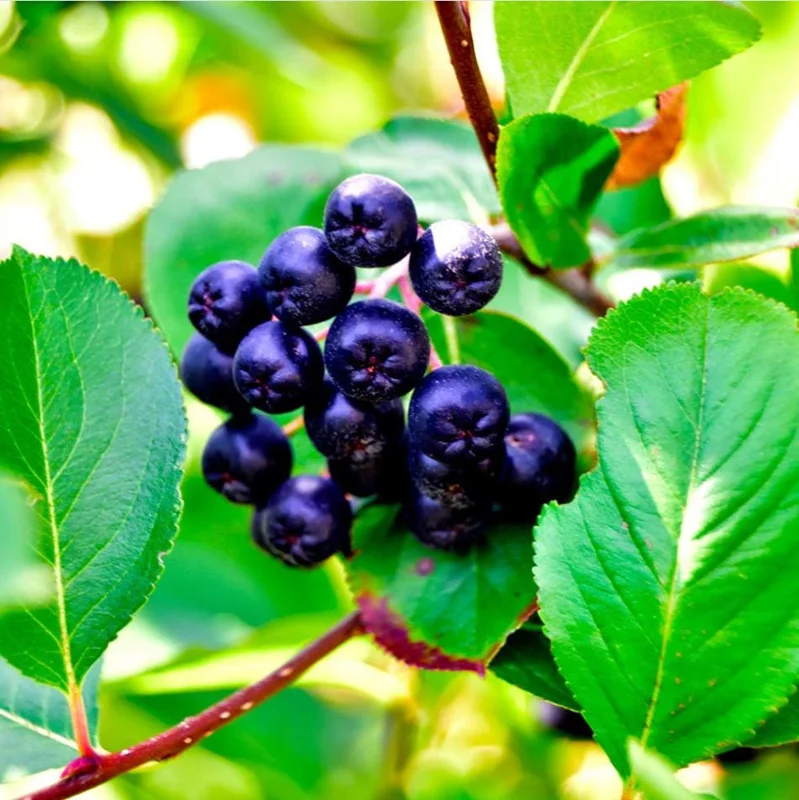
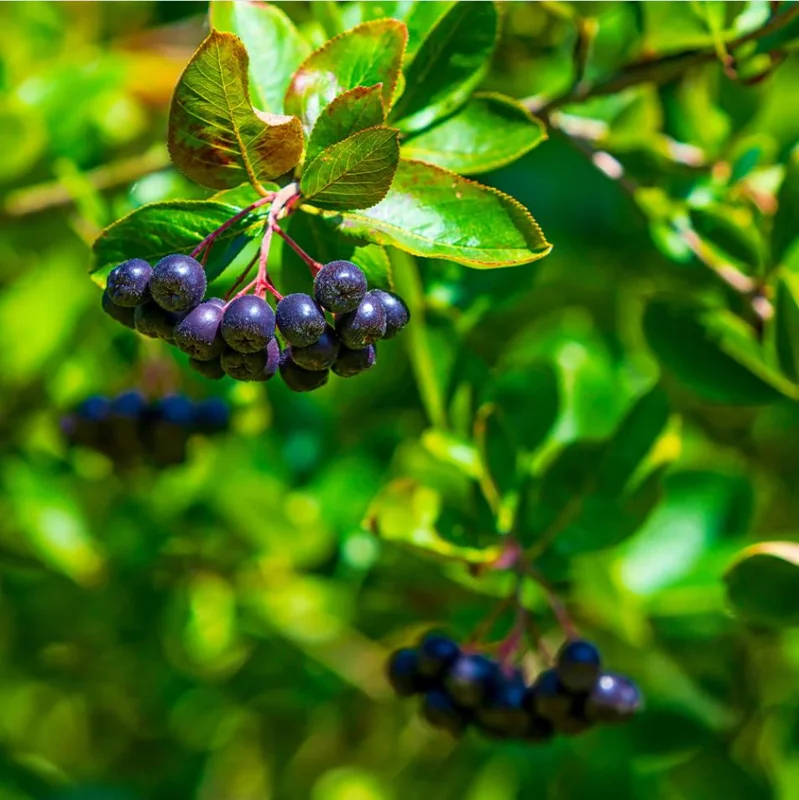
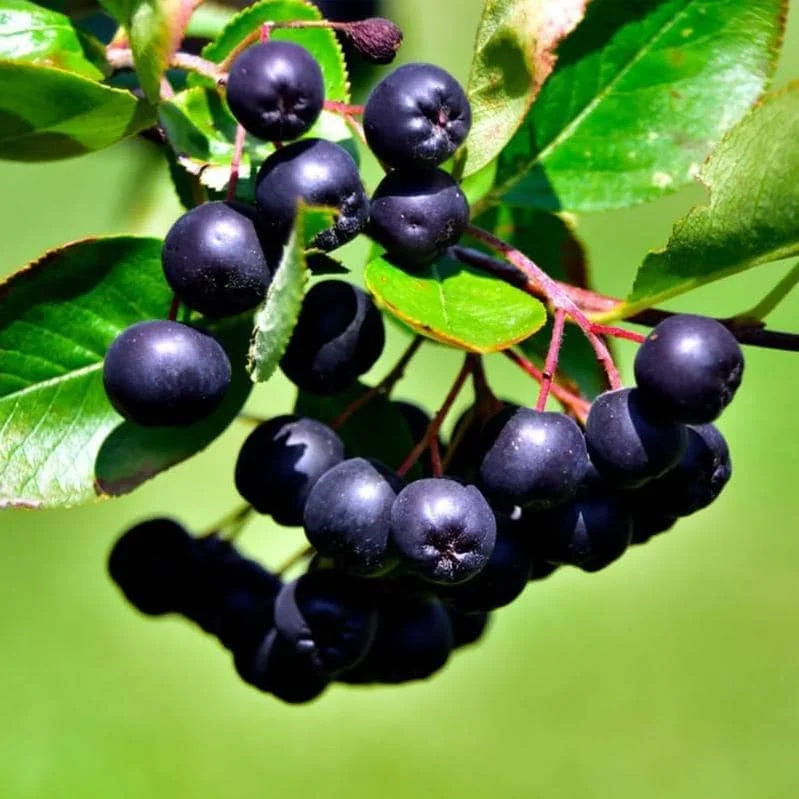
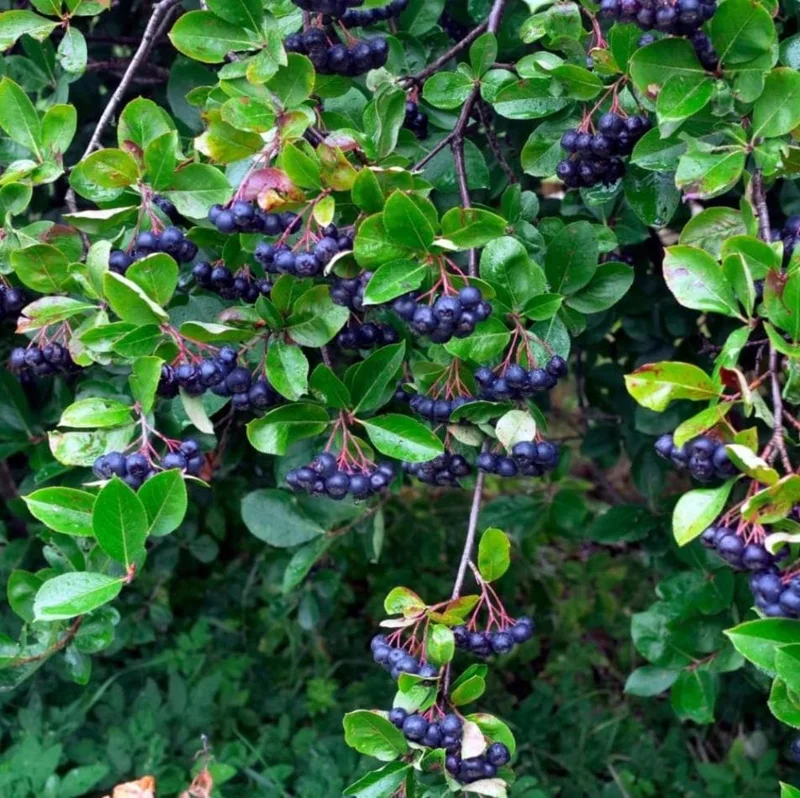
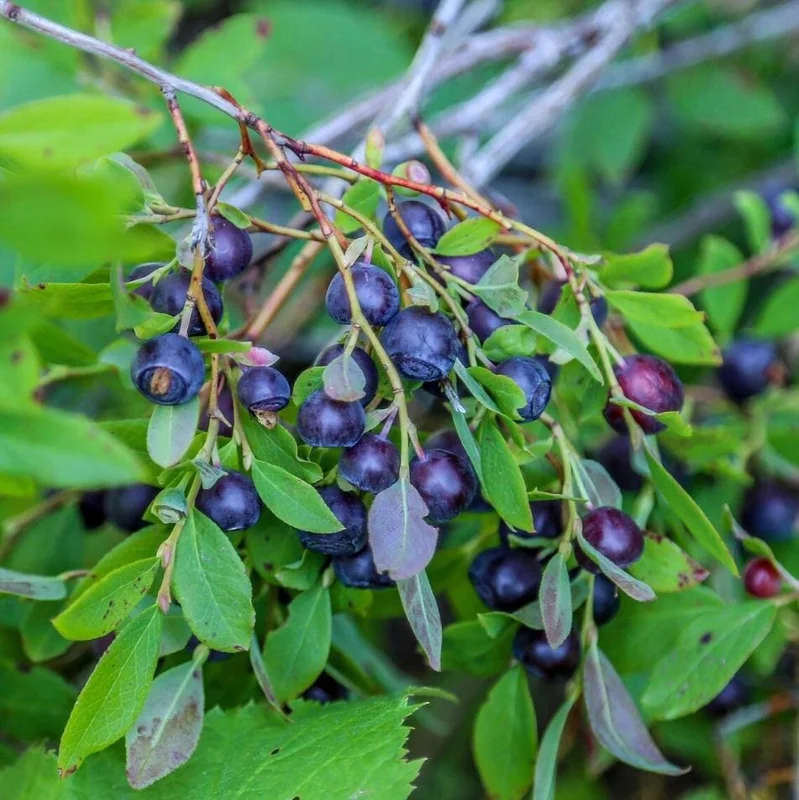
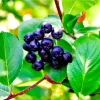
Bring the joy of homegrown fruit to your garden with this vibrant sweet black huckleberry plant. Huckleberries, scientifically known as Vaccinium species (often Vaccinium ovatum for the evergreen huckleberry or various other species depending on region), are cherished for their delicious, dark berries and attractive foliage. This particular live plant is ready for outdoor planting, offering a rewarding experience for both novice and experienced gardeners. Known for its adaptability and hardiness, the huckleberry bush care is relatively straightforward, making it a fantastic addition to various landscapes. These plants are native to North America and are celebrated not only for their culinary uses but also for their ecological benefits, attracting pollinators and wildlife to your yard.
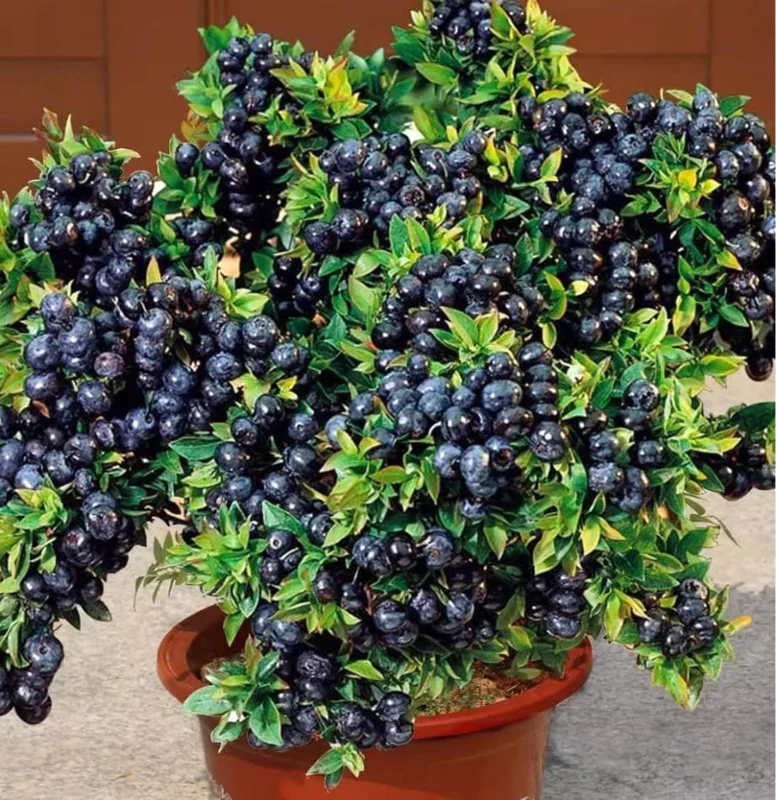
Our sweet black huckleberry plant arrives as a healthy, young bush, typically measuring 4-7 inches tall and rooted in a 3-inch pot. This size is perfect for establishing in your garden or a larger container, allowing you to watch it grow and flourish. Huckleberries are a wonderful choice for creating a native plant garden, providing both aesthetic appeal and a bountiful harvest. They are also an excellent option if you’re looking to grow huckleberries outdoors, as they thrive in a range of outdoor conditions, particularly in cooler climates where their cold-hardy nature truly shines.
Key Benefits
Adding a sweet black huckleberry plant to your garden offers a multitude of advantages beyond just delicious fruit. These versatile plants contribute to a healthier environment and provide continuous enjoyment throughout the seasons.
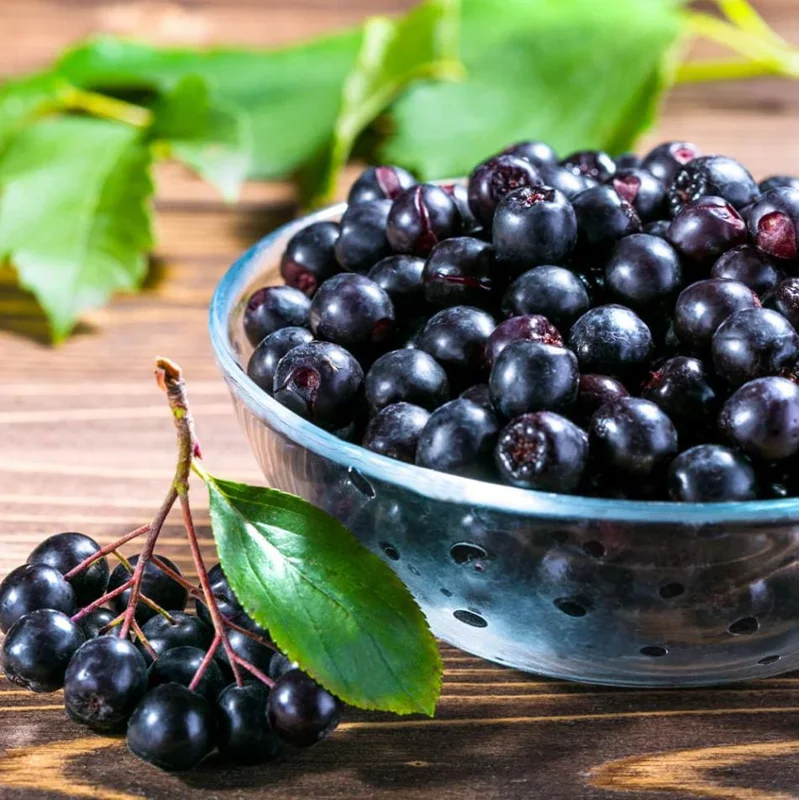
- Delicious Edible Fruit: Enjoy a harvest of sweet, dark huckleberries perfect for eating fresh, baking into pies, making jams, or freezing for later use. Growing your own ensures the freshest, most flavorful berries.
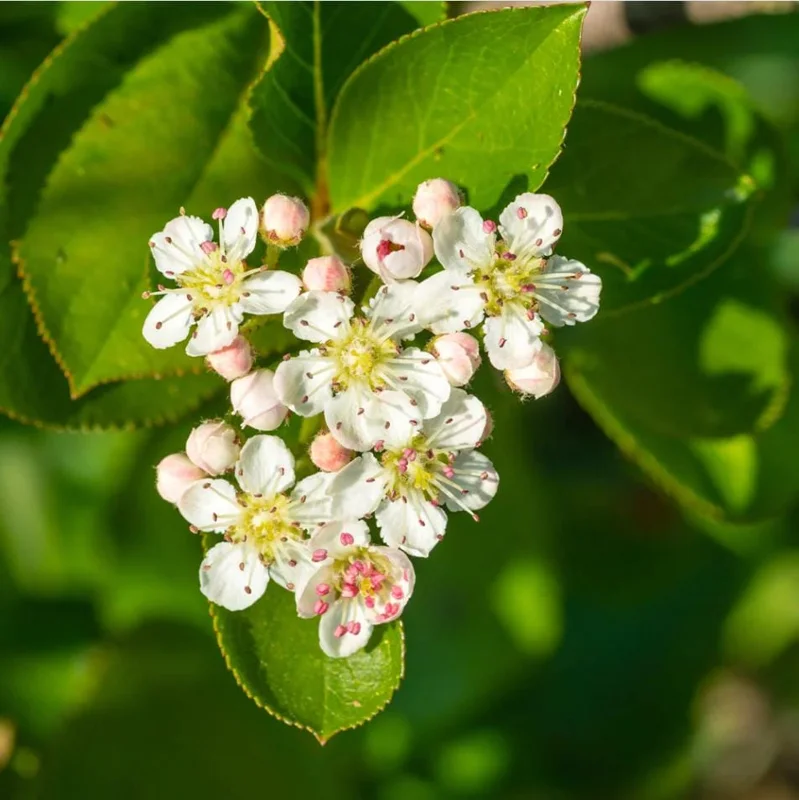
- Attractive Garden Addition: With its lush green foliage and delicate blooms, the huckleberry bush care results in a beautiful ornamental shrub that enhances any garden space, offering visual interest year-round.
- Pollinator and Wildlife Friendly: The flowers of the huckleberry plant attract bees and other beneficial pollinators, contributing to local biodiversity. The berries also provide a food source for birds and other wildlife.
- Cold Hardy and Adaptable: This plant is exceptionally cold-hardy, tolerating frost and cooler climates, making it suitable for a wide range of USDA zones. It’s a robust choice for those seeking a resilient fruit-bearing shrub.
- Native Plant Appeal: Incorporating native plants like the huckleberry supports local ecosystems and often requires less maintenance once established, as they are naturally adapted to regional conditions. This makes it an ideal choice if you want to grow huckleberries outdoors in a sustainable way.
- Shade Tolerant: Unlike many fruit-bearing plants, huckleberries can thrive in partial shade, offering flexibility in garden placement and allowing you to utilize areas that might not receive full sun.
- Long-Lived Perennial: As a perennial shrub, your huckleberry plant will return year after year, providing continuous harvests and becoming a cherished part of your landscape for many seasons to come. This makes them a great long-term investment for those looking for edible berry plants.
Plant Care & Growing Tips
Caring for your sweet black huckleberry plant is rewarding and relatively straightforward, especially once it’s established. These plants prefer conditions similar to their native woodland habitats. For optimal growth and fruit production, understanding their specific needs for light, soil, and water is crucial. They are known for being a relatively low-maintenance option among edible berry plants, particularly when considering their cold hardiness.
When it comes to sunlight, huckleberries are quite versatile. They perform best in a location that receives full sun to partial shade. Full sun (at least 6 hours of direct sunlight) will generally lead to more abundant fruit production, but they can still thrive and produce well in partial shade (2-6 hours of direct sun, especially afternoon shade in hotter climates). The soil is another critical factor; huckleberries prefer well-draining, acidic soil with a pH between 4.5 and 5.5. Incorporating organic matter like peat moss or compost can help achieve the ideal soil structure and acidity. Consistent moisture is key, so keep the soil consistently moist but never soggy. Overwatering can lead to root rot, while prolonged dryness will stress the plant. Mulching around the base of the plant can help retain soil moisture and regulate temperature.
This cold-hardy fruit bush tolerates frost and cooler climates, making it suitable for a wide range of USDA hardiness zones, typically zones 4-8, although this can vary slightly by specific huckleberry species. Fertilize sparingly in early spring with an acidic fertilizer formulated for berries or acid-loving plants. Avoid fertilizers high in nitrogen, which can encourage leafy growth at the expense of fruit. Pruning should be done in late winter or early spring to remove any dead, damaged, or crossing branches, and to maintain the plant’s shape and encourage air circulation. Watch out for common pests like aphids or spider mites, which can usually be managed with organic insecticidal soap if necessary. Proper huckleberry bush care will ensure a healthy and productive plant for years.
Size & Details
This offering is for one healthy sweet black huckleberry plant, currently measuring approximately 4-7 inches tall from the base of the soil to the top of the foliage. It comes planted in a durable 3-inch nursery pot, providing a strong root system ready for transplanting. Huckleberries are moderate growers, typically reaching a mature size of 3-6 feet tall and wide, depending on the specific species and growing conditions. While individual growth rates vary, you can expect steady development, with fruiting often beginning within 2-3 years after planting. This size is ideal for establishing in your garden, a raised bed, or a larger decorative container, allowing you to easily grow huckleberries outdoors.
The plant is shipped in its nursery pot with soil, ensuring minimal shock upon arrival and making it easy to transition to its new home. As a perennial shrub, it will establish itself and return year after year, becoming more robust and productive over time. This particular variety is chosen for its sweet black berries, providing a delightful harvest once mature. Ensure proper spacing if planting multiple bushes to allow for adequate air circulation and growth, typically 3-5 feet apart. This cold hardy fruit bush is an excellent choice for a long-term, productive addition to your edible landscape.
Frequently Asked Questions
- Q: How big does this huckleberry plant get? A: This sweet black huckleberry plant typically grows to a mature size of 3-6 feet tall and wide, depending on the specific species and growing conditions. It arrives at 4-7 inches tall in a 3-inch pot, ready for transplanting.
- Q: Is this an indoor or outdoor plant? A: This huckleberry is primarily an outdoor plant. It is a cold hardy fruit bush that thrives in garden settings, able to tolerate frost and cooler climates, making it perfect to grow huckleberries outdoors.
- Q: How much sunlight does it need? A: Huckleberries prefer full sun to partial shade. For the best fruit production, aim for at least 6 hours of direct sunlight per day, though they can still produce well with 2-6 hours, especially if it’s afternoon shade.
- Q: Is this plant easy to care for? A: Yes, huckleberries are generally considered easy to care for, especially once established. They require well-draining, acidic soil and consistent moisture. Following basic huckleberry bush care guidelines will ensure a healthy plant.
- Q: What condition will it arrive in? A: Your huckleberry plant will arrive healthy and well-packaged, planted in its 3-inch nursery pot with soil, ensuring its roots are protected during transit.
- Q: Can I use huckleberries in cooking? A: Absolutely! The sweet black huckleberries are delicious for fresh eating, baking into pies, muffins, or tarts, making jams, sauces, or adding to smoothies. They are fantastic edible berry plants.
- Q: How long until it starts producing fruit? A: Huckleberry plants typically begin producing fruit within 2-3 years after planting, with production increasing as the plant matures.
- Q: What kind of soil is best for huckleberries? A: Huckleberries thrive in well-draining, acidic soil with a pH between 4.5 and 5.5. Amending your soil with peat moss or compost can help achieve the ideal conditions.
- Q: Will it survive winter in my zone? A: Yes, this is a cold hardy fruit bush. Huckleberries are known for their cold tolerance and can survive winters in a wide range of USDA hardiness zones, typically zones 4-8, depending on the specific species.
- Q: Is this plant good for beginners? A: Yes, due to its adaptability and relatively low maintenance requirements, the sweet black huckleberry plant is a great choice for beginner gardeners looking to grow their own fruit.




Reviews
There are no reviews yet.