Overview
Introduce an exquisite sensory experience to your garden with the sweet olive live plant, scientifically known as Osmanthus fragrans. This captivating evergreen shrub is celebrated for its incredibly fragrant, tiny white flowers that release a powerful, apricot-like scent, especially noticeable in the cooler months of autumn and winter. The sweet olive live plant is a versatile and elegant addition to any landscape, whether used as a standalone specimen, a fragrant hedge, or a container plant on a patio. Originating from Asia, Osmanthus fragrans is also commonly referred to as fragrant olive or tea olive, and its delightful aroma has been cherished for centuries, often used in teas and perfumes. Our healthy specimens arrive 1 to 2 feet tall, ready to thrive and fill your garden with their intoxicating perfume.
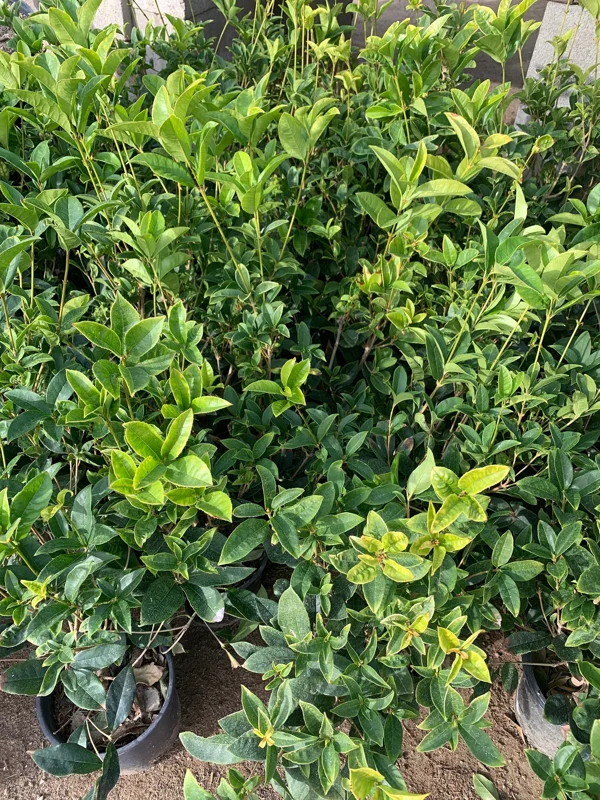
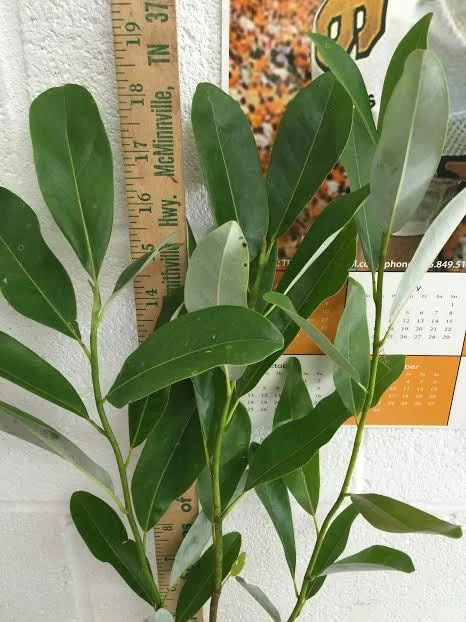
The osmanthus fragrans plant boasts glossy, dark green leaves that provide an attractive backdrop year-round, even when not in bloom. Its dense growth habit makes it an excellent choice for privacy screens or windbreaks, offering both beauty and functionality. Easy to care for and relatively pest-resistant, this shrub is a rewarding choice for both novice and experienced gardeners looking to add a touch of timeless elegance and an unforgettable fragrance to their outdoor living areas. Experience the allure of the fragrant olive and transform your garden into a serene, aromatic sanctuary.
Key Benefits
The sweet olive live plant offers a multitude of advantages that make it a highly desirable addition to any garden or landscape. Its unique characteristics contribute significantly to both aesthetic appeal and environmental well-being.
- Exceptional Fragrance: The primary draw of the sweet olive live plant is its intoxicating, sweet, and fruity fragrance, reminiscent of apricots or peaches. These small, often inconspicuous flowers release their powerful scent over a wide area, especially prominent in the cooler temperatures of fall and winter, providing delightful aromatherapy for your outdoor spaces.
- Evergreen Foliage: Enjoy year-round beauty with its dense, glossy, dark green leaves. This evergreen nature ensures continuous visual interest, making it an excellent choice for hedges, screens, or foundation plantings that maintain their allure throughout all seasons.
- Versatile Landscaping Use: As a fragrant olive shrub, it can be utilized in various garden designs. Plant it as a specimen plant to highlight its beauty, incorporate it into mixed borders, or use it to create a fragrant, informal hedge or screen that offers both privacy and a delightful aroma.
- Low Maintenance: Once established, the osmanthus fragrans plant is relatively low-maintenance, requiring minimal pruning to maintain its shape and size. It’s drought-tolerant once mature and generally resistant to most pests and diseases, making it a hassle-free addition to your garden.
- Attracts Pollinators: While the flowers are small, their strong fragrance attracts beneficial pollinators such as bees and butterflies, contributing to the biodiversity and health of your garden ecosystem.
- Adaptable to Various Conditions: This durable shrub can thrive in a range of light conditions, from full sun to partial shade, and tolerates different soil types as long as they are well-draining. This adaptability makes it suitable for many garden settings.
- Container Friendly: The sweet olive live plant can be successfully grown in containers, allowing you to enjoy its fragrance on patios, balconies, or near entryways, and even move it indoors during extreme cold in colder zones.
Plant Care & Growing Tips
Caring for your sweet olive live plant is straightforward, ensuring it thrives and produces its signature fragrant blooms. Proper placement and consistent care will help your osmanthus fragrans plant establish strongly and flourish in your garden. This evergreen sweet olive is known for its resilience, but a little attention goes a long way in maximizing its potential.
Sunlight requirements: Sweet olive prefers full sun to partial shade. For optimal flowering and dense foliage, aim for at least 4-6 hours of direct sunlight per day. In hotter climates, some afternoon shade can protect the leaves from scorching. If planting indoors in a container, place it near a south or west-facing window where it can receive ample bright, indirect light.
Watering schedule and soil moisture preferences: Water newly planted sweet olives regularly to keep the soil consistently moist for the first growing season. Once established, they are moderately drought-tolerant but perform best with regular watering, especially during dry spells. Allow the top inch or two of soil to dry out between waterings. Avoid overwatering, as constantly soggy soil can lead to root rot. Good drainage is crucial for the health of your fragrant olive shrub.
Soil type and drainage requirements: Sweet olive tolerates a wide range of soil types but thrives in well-draining, fertile, slightly acidic to neutral soil (pH 5.5-7.0). Amend heavy clay soils with organic matter like compost or pine bark to improve drainage. For container planting, use a high-quality potting mix that drains well. Good drainage is paramount to prevent waterlogged roots.
Temperature range and USDA hardiness zone: The sweet olive plant care guide suggests it is hardy in USDA Zones 7-11. It can withstand temperatures down to about 0°F (-18°C) once established. In colder zones, it can be grown in containers and moved indoors during winter or treated as an annual. It generally performs well in mild climates, appreciating protection from harsh winter winds.
Fertilization schedule and type: Fertilize your sweet olive in early spring before new growth begins, and again in mid-summer. Use a balanced, slow-release granular fertilizer formulated for evergreen shrubs, or an organic option like compost tea. Follow package instructions for application rates. Avoid fertilizing in late fall, as this can stimulate tender new growth vulnerable to winter damage.
Common problems and solutions: Sweet olive is relatively pest and disease resistant. Occasionally, you might encounter scale insects or spider mites, especially in dry conditions. Treat with horticultural oil or insecticidal soap if infestations occur. Yellowing leaves can indicate overwatering or nutrient deficiency; check soil moisture and consider a balanced fertilizer. Ensure good air circulation to prevent fungal issues.
Size & Details
This offering is for one healthy sweet olive live plant (Osmanthus fragrans), which arrives standing approximately 1 to 2 feet tall from the base of the plant to the top of its foliage. These plants are typically shipped in a 6-inch nursery pot, complete with soil, ensuring minimal transplant shock and immediate readiness for planting in your garden or a larger container. The osmanthus fragrans plant is a moderate grower, typically adding 6-12 inches of height per year under ideal conditions. Mature plants can reach a height of 10-20 feet and a spread of 6-10 feet, though they can be kept smaller with regular pruning, making them adaptable for various garden sizes and uses, including as a compact fragrant olive shrub.
The growth rate and ultimate size can vary based on growing conditions, climate, and care. Our plants are cultivated to be vigorous and well-rooted, providing a strong foundation for future growth. Expect your plant to begin producing its characteristic sweet-scented flowers within the first year or two after planting, enriching your outdoor space with its delightful aroma during its blooming seasons, primarily fall and winter. The evergreen nature of this shrub ensures it provides continuous beauty and structure throughout the year.
Frequently Asked Questions
- Q: How big does this sweet olive live plant get? A: This particular sweet olive live plant ships at 1 to 2 feet tall. In optimal conditions, mature plants can reach heights of 10-20 feet and spreads of 6-10 feet, though they are easily maintained at smaller sizes with pruning.
- Q: What size pot does it come in? A: The osmanthus fragrans plant typically ships in a 6-inch nursery pot, providing a healthy root system for successful transplanting.
- Q: Is this an indoor or outdoor plant? A: The sweet olive live plant is primarily an outdoor shrub, hardy in USDA Zones 7-11. In colder climates, it can be grown in containers and brought indoors during winter to protect it from freezing temperatures.
- Q: How much sunlight does it need? A: This fragrant olive shrub thrives in full sun to partial shade, ideally receiving at least 4-6 hours of direct sunlight daily for the best flowering performance.
- Q: Is this plant easy to care for? A: Yes, the sweet olive plant care requirements are relatively low once established. It’s known for its resilience and generally requires minimal pruning and moderate watering.
- Q: What condition will it arrive in? A: Your evergreen sweet olive will arrive as a healthy, live plant in a nursery pot with soil, carefully packaged to ensure its safe journey and readiness for planting.
- Q: How long until it blooms? A: Most well-established sweet olive plants will begin to produce their fragrant blooms within the first year or two after planting, primarily in the fall and winter months.
- Q: When is the best time to plant a sweet olive? A: The best time to plant a sweet olive is in the spring or early fall, allowing the plant sufficient time to establish its root system before extreme summer heat or winter cold.
- Q: Will it survive winter in my zone? A: The sweet olive is hardy in USDA Zones 7-11. If you are in a colder zone, it is recommended to grow it in a container and bring it indoors during the winter or provide significant winter protection.
- Q: What type of soil does a sweet olive prefer? A: Sweet olives prefer well-draining, fertile soil that is slightly acidic to neutral. Amending with organic matter is beneficial for improving soil structure and drainage.






Reviews
There are no reviews yet.