Overview
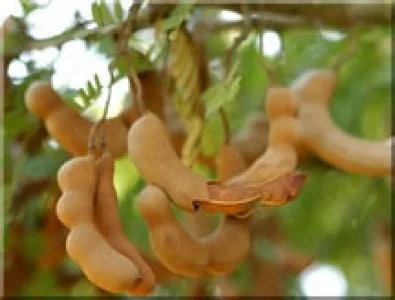
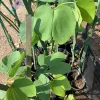
Bring the taste of the tropics to your home with our exquisite Thai sweet tamarind live plant. This beautiful and productive fruiting tree, scientifically known as Tamarindus indica, is renowned for its delicious, sweet-sour pods that are a staple in many cuisines worldwide. Our healthy young plants are typically 1 to 2 feet tall and are carefully shipped in a 6-inch nursery pot, ensuring they arrive ready for transplanting and continued growth. The Thai sweet tamarind variety is particularly prized for its less acidic, sweeter pulp compared to other tamarind types, making it a delightful treat for fresh consumption or culinary use. This robust tamarind tree care is relatively straightforward, making it an excellent choice for both experienced gardeners and those new to growing tropical fruits.
The tamarind tree is not only a source of incredible fruit but also a handsome ornamental specimen. With its graceful, fern-like foliage and spreading canopy, it can provide shade and a tropical ambiance to any landscape. As a long-lived tree, investing in a Thai sweet tamarind live plant means enjoying years of fresh fruit and natural beauty. Whether you’re looking to expand your home orchard or add an exotic touch to your patio, this plant is a fantastic choice that offers both aesthetic appeal and a bountiful harvest.
Key Benefits
Growing your own Thai sweet tamarind live plant offers a multitude of rewards, from fresh culinary ingredients to a beautiful addition to your garden. Here are some of the key benefits:
Delicious, Versatile Fruit: Enjoy the unique sweet and tangy flavor of fresh tamarind pods. Perfect for snacks, desserts, drinks, and a wide array of savory dishes, from curries to chutneys. This edible fruit tree provides a taste rarely found in local grocery stores.
Ornamental Value: Beyond its fruit, the tamarind tree is a stunning landscape plant. Its delicate foliage and attractive form make it a beautiful addition to gardens, patios, or as a shade tree. The lush green leaves provide a tropical feel.
Health Benefits: Tamarind fruit is rich in antioxidants, vitamins (especially B vitamins), and minerals like magnesium and potassium. It’s known for its digestive properties and can contribute to a healthy diet.
Drought Tolerance: Once established, the tamarind tree is remarkably drought-tolerant, requiring less frequent watering than many other fruit trees, making it a sustainable choice for various climates.
Long-Lived & Productive: Tamarind trees are known for their longevity and can produce fruit for many decades, offering a long-term return on your gardening efforts. A well-cared-for tamarind plant for sale can become a family heirloom.
Culinary Exploration: Having fresh tamarind at your fingertips opens up a world of culinary possibilities, allowing you to experiment with authentic international recipes and create unique flavor profiles.
Plant Care & Growing Tips
Caring for your Thai sweet tamarind live plant is a rewarding experience, leading to a productive and beautiful tree. These tropical trees thrive in warm climates and prefer specific conditions to ensure vigorous growth and abundant fruiting. Understanding proper tamarind tree care is crucial for its success.
For sunlight, tamarind trees require full sun exposure, meaning at least 6-8 hours of direct sunlight per day. If growing indoors or in a greenhouse, provide the brightest possible light. When it comes to watering, young plants need consistent moisture. Water regularly, allowing the top inch or two of soil to dry out slightly between waterings. Once established, tamarind trees are quite drought-tolerant but will benefit from deep watering during dry spells, especially when fruiting. Overwatering can lead to root rot, so ensure good drainage. The ideal soil type is well-draining, sandy loam with a slightly acidic to neutral pH (6.0-7.0). Amend heavy clay soils with organic matter and sand to improve drainage. Good drainage is paramount for the health of your edible fruit tree.
Tamarind trees are tropical and prefer warm temperatures, ideally between 65°F and 95°F (18°C-35°C). They are not frost-tolerant and should be protected if temperatures drop below 40°F (4°C). In colder climates, they can be grown in large containers and brought indoors during winter. They are generally suited for USDA Hardiness Zones 9-11. Fertilize young trees every 2-3 months with a balanced, slow-release fertilizer. As the tree matures, apply fertilizer 2-3 times a year, focusing on higher phosphorus and potassium during flowering and fruiting periods to encourage better yield. Common problems include scale insects and mealybugs, which can be managed with horticultural oil or insecticidal soap. Ensure good air circulation to prevent fungal issues. Regular pruning can help maintain shape and improve fruit production, making it easier to manage your tamarind plant for sale.
Size & Details
This offering is for a healthy Thai sweet tamarind live plant, typically standing 1 to 2 feet tall from the soil line at the time of shipment. Each plant is carefully grown and shipped in a 6-inch nursery pot, providing a robust root system ready for transplanting into a larger container or directly into your garden if you live in an appropriate climate. The growth rate of tamarind trees is moderate to fast, depending on conditions, and they can eventually reach heights of 25-50 feet in their native habitat, though they can be kept smaller with pruning in containers. Expect your plant to begin flowering and fruiting within 3-5 years under optimal conditions. The mature tree will develop a broad canopy, offering ample shade and a picturesque focal point in your landscape. This tamarind plant for sale provides a significant head start compared to growing from seed.
Frequently Asked Questions
- Q: How big does this plant get? A: This Thai sweet tamarind live plant is 1 to 2 feet tall when shipped. In the ground, mature trees can reach 25-50 feet, but they can be maintained at a smaller, more manageable size with regular pruning, especially when grown in containers.
- Q: What size pot does it come in? A: The plant is shipped in a 6-inch diameter nursery pot, providing a strong root base for successful transplanting. We recommend repotting into a larger container or directly into the garden upon arrival.
- Q: Is this an indoor or outdoor plant? A: Tamarind trees are tropical and thrive outdoors in USDA Zones 9-11. In colder climates, they can be grown as container plants and brought indoors during winter to protect them from frost.
- Q: How much sunlight does it need? A: For optimal growth and fruiting, this edible fruit tree requires full sun exposure, meaning at least 6-8 hours of direct sunlight per day.
- Q: Is this plant easy to care for? A: Yes, once established, tamarind trees are relatively low-maintenance. They are drought-tolerant and resilient. Young plants require consistent watering and protection from cold, but tamarind tree care becomes easier as they mature.
- Q: What condition will it arrive in? A: Your tamarind plant for sale will arrive carefully packaged, healthy, and actively growing, ready for you to continue its care. We take great care in ensuring safe transit.
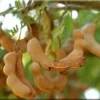
- Q: Can I use the fruit in cooking? A: Absolutely! The Thai sweet tamarind produces delicious pods perfect for eating fresh, making drinks, desserts, sauces, and adding a unique sweet-sour flavor to various savory dishes.
- Q: How long until it produces fruit? A: Typically, a young plant like this will start producing fruit within 3-5 years under ideal growing conditions.
- Q: What’s the minimum temperature it can tolerate? A: Tamarind trees are sensitive to cold and should be protected if temperatures drop below 40°F (4°C). They are not frost-tolerant.
- Q: What is the best soil type for growing sweet tamarind? A: The best soil is a well-draining, slightly sandy loam with a pH between 6.0 and 7.0. Good drainage is essential to prevent root issues.




Reviews
There are no reviews yet.