Overview
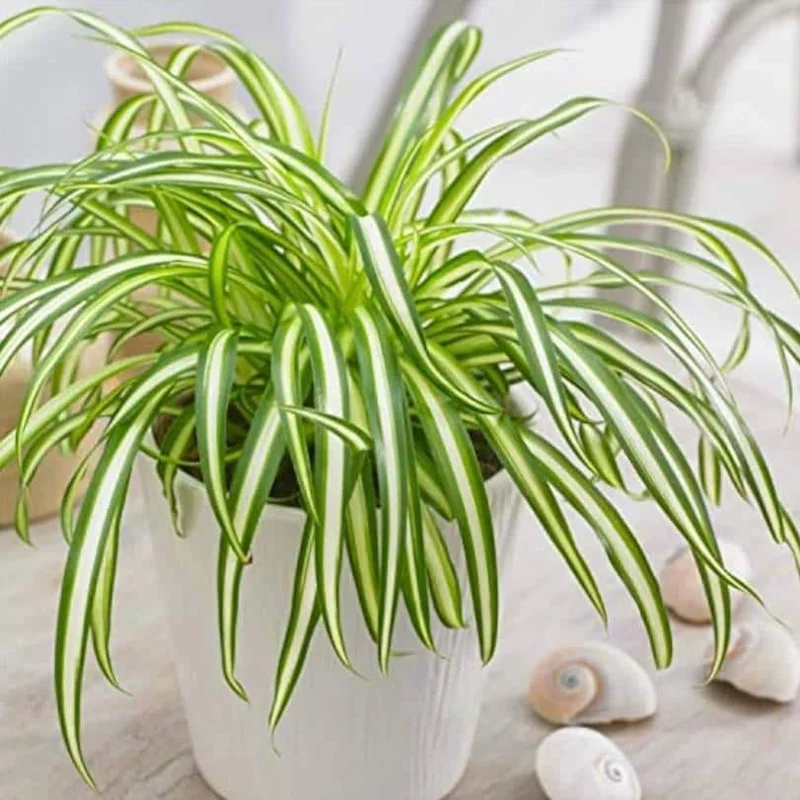
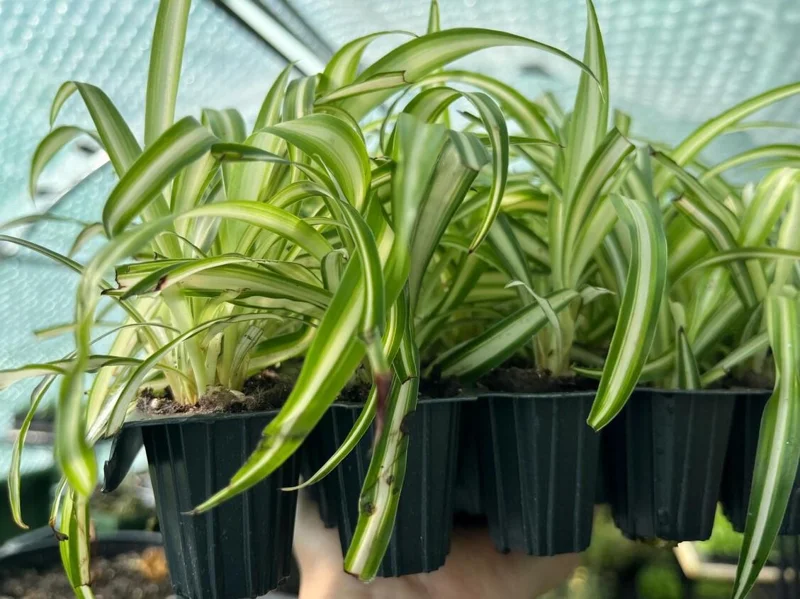
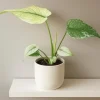
Introduce natural beauty and improved air quality into your home with a stunning variegated spider plant live starter. This charming plant, scientifically known as Chlorophytum comosum ‘Variegatum’, is celebrated for its elegant, arching leaves adorned with distinctive green and creamy white stripes. Originating from tropical and southern Africa, the variegated spider plant live is a robust and adaptable houseplant that thrives in a variety of indoor environments. It’s a fantastic choice for both novice and experienced plant parents, offering aesthetic appeal and significant health benefits. Our starter plants are carefully nurtured to ensure a healthy beginning in your home, ready to grow into a lush, mature specimen.
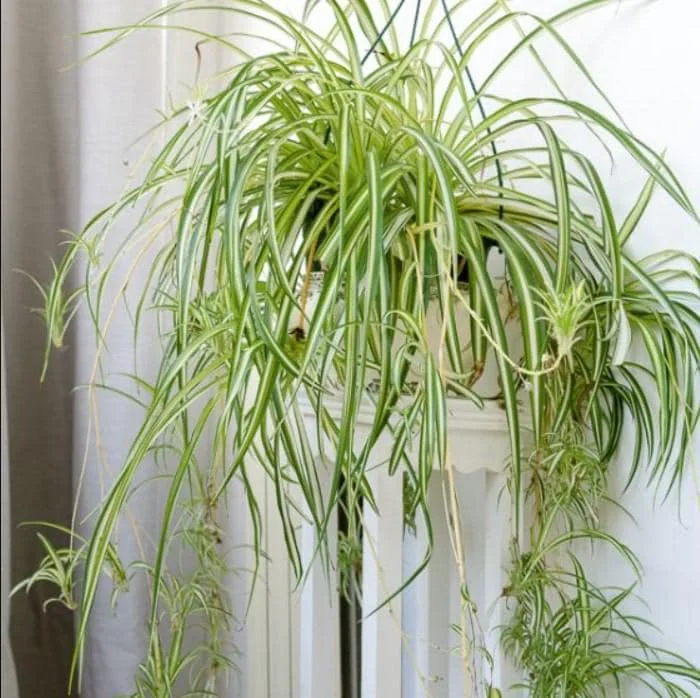
The chlorophytum variegatum is not just visually appealing; it’s also highly regarded for its air-purifying capabilities, effectively removing common household toxins. Its graceful, trailing growth habit makes it perfect for shelves, desks, or hanging baskets, where its ‘spiderettes’ (baby plantlets) can cascade beautifully. This low maintenance indoor plant adds a touch of organic elegance to any room, contributing to a more serene and vibrant living space. Experience the joy of nurturing a plant that truly gives back, enhancing both your decor and well-being.
Key Benefits
The variegated spider plant live offers a multitude of benefits that make it a cherished addition to any home or office. Its attractive appearance and practical advantages contribute to a healthier and more beautiful environment.
- Exceptional Air Purification: The variegated spider plant live is renowned for its ability to filter indoor air, effectively removing harmful toxins such as formaldehyde, xylene, and carbon monoxide. This contributes to a cleaner, fresher breathing environment.
- Effortless Care for All Levels: This is an incredibly resilient and forgiving plant, making spider plant care straightforward even for those new to gardening. It tolerates a range of conditions and quickly recovers from minor neglect.
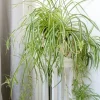
- Striking Decorative Appeal: With its vibrant green leaves edged in creamy white, the chlorophytum variegatum provides a beautiful contrast that brightens any space. Its arching foliage and cascading spiderettes create an elegant, dynamic display.
- Easy Propagation: Spider plants are famous for producing ‘spiderettes’ or plantlets that dangle from the mother plant. These can be easily rooted in water or soil, allowing you to propagate new plants and share with friends, extending the joy of your low maintenance indoor plant.
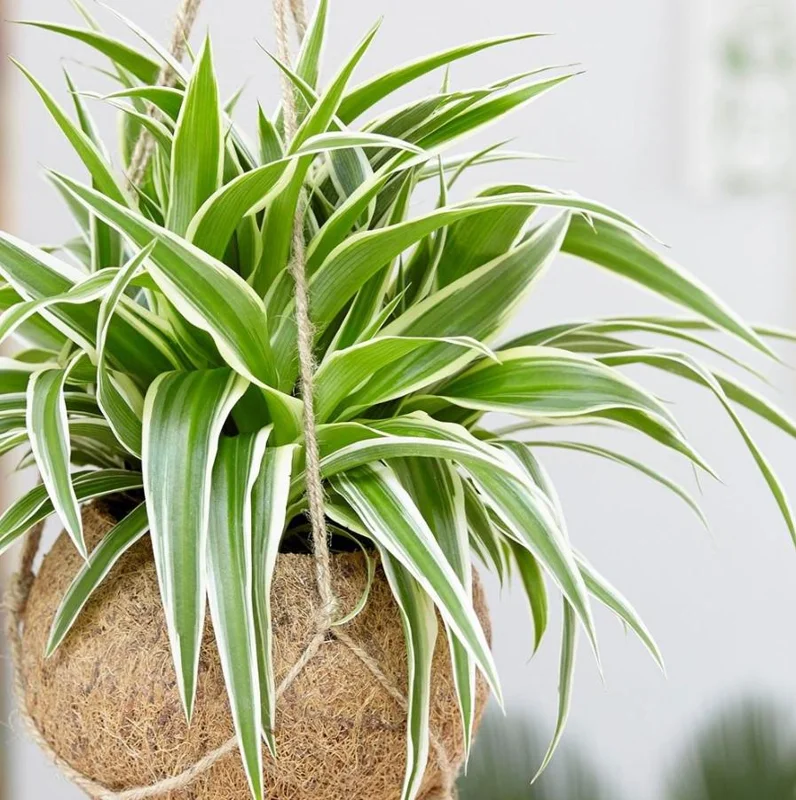
- Versatile Placement: Whether placed on a tabletop, shelf, or in a hanging basket, the spider plant adapts beautifully to various display options. Its trailing nature makes it an excellent choice for adding vertical interest to your decor.
- Pet-Friendly Nature: Unlike many common houseplants that can be toxic, the variegated spider plant live is generally considered non-toxic to cats and dogs, offering peace of mind for pet owners.
- Boosts Mood & Well-being: Studies suggest that having plants indoors can reduce stress, improve concentration, and enhance overall mood. A thriving spider plant can contribute positively to your mental and emotional health.
Plant Care & Growing Tips
Caring for your variegated spider plant live is simple, making it one of the most popular houseplants. To ensure your chlorophytum variegatum thrives, follow these straightforward guidelines for optimal growth and vibrant foliage.
Sunlight: The variegated spider plant prefers bright, indirect light. Place it near a window where it receives plenty of ambient light but is shielded from direct, harsh sun, which can scorch its leaves. While it can tolerate lower light conditions, its variegation may become less pronounced. For the best color and growth, aim for a spot with consistent, filtered light. This air purifying houseplant will show its best colors in the right light.
Watering: Water your spider plant when the top inch of soil feels dry to the touch. It’s better to slightly underwater than to overwater, as excessive moisture can lead to root rot. Ensure your pot has good drainage holes. During warmer months or when the plant is actively growing, it may need more frequent watering. Reduce watering frequency in winter. For optimal spider plant care, use filtered or distilled water if your tap water contains high levels of fluoride, which can cause leaf tip burn.
Soil & Temperature: Use a well-draining potting mix rich in organic matter, ideally a mix designed for houseplants. Good drainage is crucial to prevent waterlogging. The spider plant thrives in average indoor temperatures, ideally between 65-75°F (18-24°C). Protect it from cold drafts and sudden temperature fluctuations. It can be grown outdoors in USDA zones 9–11, but must be protected from frost. This low maintenance indoor plant is quite adaptable once established.
Fertilization: Feed your spider plant once a month during the spring and summer growing seasons with a balanced liquid houseplant fertilizer, diluted to half strength. Reduce or stop fertilizing in fall and winter when growth slows. Over-fertilization can harm the plant, so always follow product instructions.
Common Problems: Brown leaf tips can be caused by low humidity, fluoride in water, or inconsistent watering. Increasing humidity with a pebble tray or humidifier can help. Yellowing leaves often indicate overwatering or nutrient deficiency. Adjust your watering schedule and ensure proper drainage. Pests are rarely an issue for spider plants, but occasional checks for spider mites or mealybugs are wise.
Size & Details
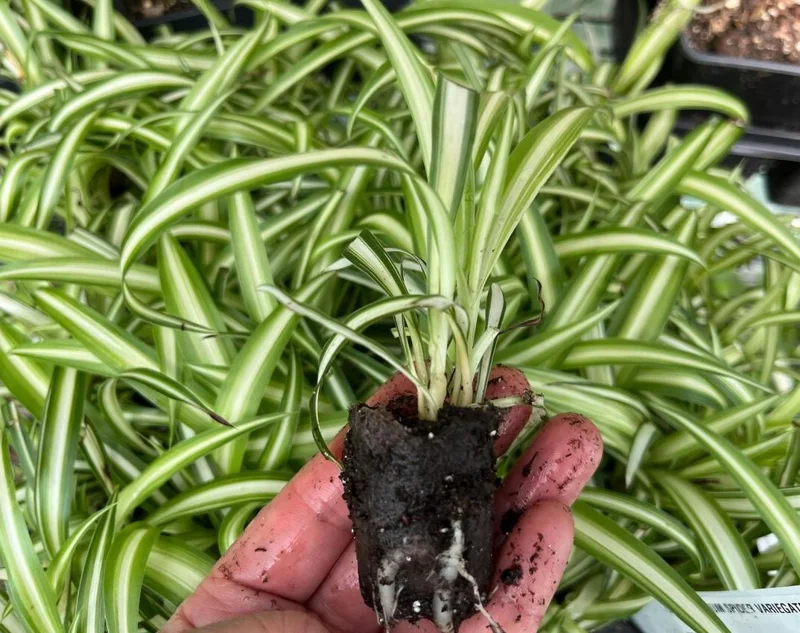
This offering is for a variegated spider plant live starter, typically measuring 4-7 inches tall from the top of the soil. It is shipped as a young, tender plant, ready for you to pot in your preferred container. These starter plants are in their early growth stage, allowing you to enjoy watching them develop into mature, cascading specimens. Spider plants are known for their moderate to fast growth rate under ideal conditions, quickly producing the characteristic arching foliage and numerous ‘spiderettes’.
Upon arrival, gently unpack your chlorophytum variegatum and allow it to acclimate to its new environment. While young, the plant will focus on establishing its root system before producing significant trailing growth. With proper spider plant care, you can expect noticeable growth and the development of new spiderettes within a few months, transforming your space with this delightful air purifying houseplant.
Frequently Asked Questions
- Q: How big does this plant get? A: Your variegated spider plant live starter is 4-7 inches tall upon arrival. Mature spider plants can reach heights of 12-18 inches with a similar spread, and their ‘spiderettes’ can trail several feet long, making them ideal for hanging baskets.
- Q: Is this an indoor or outdoor plant? A: While primarily grown as an indoor houseplant, the chlorophytum variegatum can thrive outdoors in warm climates (USDA zones 9–11) where it is protected from frost. For most regions, it is best kept indoors year-round.
- Q: How much sunlight does it need? A: This low maintenance indoor plant prefers bright, indirect light. Avoid direct afternoon sun, which can scorch its leaves. A north or east-facing window is often ideal, or a spot slightly away from a south or west-facing window.
- Q: Is this plant easy to care for? A: Yes, the variegated spider plant live is considered one of the easiest houseplants to care for, making it perfect for beginners. It is forgiving of occasional neglect and recovers quickly.
- Q: What condition will it arrive in? A: Your young variegated spider plant live starter is shipped carefully. Some minor yellowing or wilting of leaves during transit is normal due to the stress of shipping, but the plant will quickly recover and grow new leaves once settled in its new home.
- Q: Is it pet-safe? A: Yes, the spider plant is generally considered non-toxic to cats and dogs, making it a safe choice for households with pets. However, it’s always best to discourage pets from chewing on any plants.
- Q: How often should I water my spider plant? A: Water your spider plant when the top inch of soil feels dry. The frequency will depend on factors like light, temperature, and humidity, but generally, it’s about once a week or every ten days. Ensure good drainage to prevent root rot.
- Q: Can I use tap water for my spider plant? A: While tap water is generally acceptable, spider plants can be sensitive to fluoride and chlorine, which may cause brown leaf tips. Using filtered, distilled, or rainwater can help prevent this issue and improve overall spider plant care.
- Q: When is the best time to repot a spider plant? A: Repot your spider plant when it becomes root-bound, typically every 1-2 years. Spring is an ideal time for repotting, allowing the plant to establish itself in its new container during its active growing season.
- Q: Does this plant help purify the air? A: Absolutely! The variegated spider plant live is well-known as an excellent air purifying houseplant. It effectively removes common indoor air pollutants, contributing to a healthier living environment.





Reviews
There are no reviews yet.