Overview
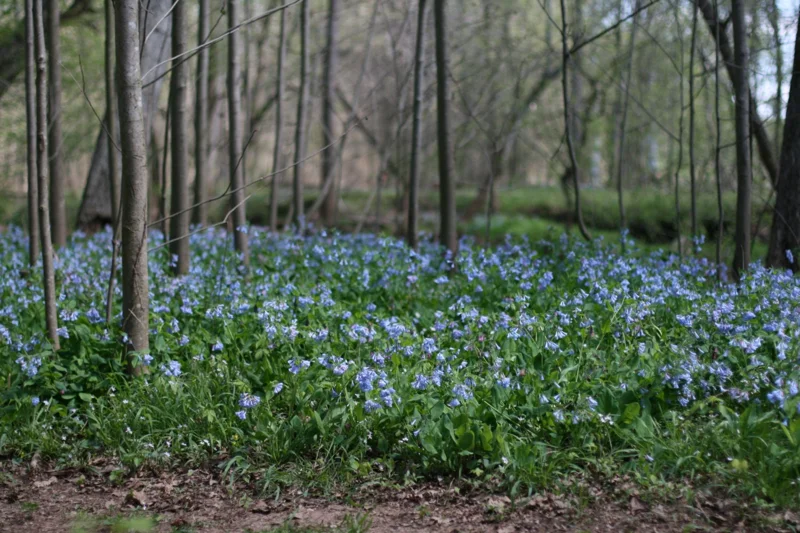
Introduce a touch of serene woodland charm to your garden with the Virginia Bluebell bare root. This package includes 5 robust bare roots of Mertensia virginica, a beloved native perennial known for its captivating early spring display. The blooms emerge as charming pink buds, gradually unfolding into elegant, bell-shaped blue flowers that create a breathtaking carpet of color. As a quintessential shade loving wildflower, Virginia Bluebells are perfectly suited for dappled light conditions, thriving under deciduous trees or in shaded borders where other plants might struggle. These resilient plants are a fantastic choice for naturalizing, attracting pollinators, and providing a vibrant, yet delicate, start to the gardening season.
Mertensia virginica plant is celebrated for its ethereal beauty and relatively easy care, making it a favorite among gardeners seeking to cultivate a native plant landscape. These bare roots are an economical and effective way to establish a colony of these enchanting flowers, promising years of enjoyment as they return and spread gracefully each spring. Enhance your garden with these delightful plants and watch as their unique color transformation captivates all who behold them.
Key Benefits
The Virginia Bluebell bare root offers numerous advantages for the discerning gardener, transforming shaded areas into vibrant, living tapestries. Their natural beauty and ecological benefits make them an invaluable addition to many garden designs.
- Early Spring Beauty: Be among the first to welcome spring with the enchanting display of Virginia Bluebells. Their unique pink-to-blue color transition provides an extended period of visual interest, blooming from March through June, offering a refreshing burst of color after winter.
- Pollinator Magnet: These delicate flowers are a vital early nectar source for various pollinators, including bees and butterflies, contributing to the health and biodiversity of your garden ecosystem. Planting Mertensia virginica plant helps support local wildlife.
- Low Maintenance & Deer Resistant: Once established, Virginia Bluebells require minimal care, making them ideal for gardeners seeking beautiful plants without extensive upkeep. They are also generally resistant to deer, a common garden nuisance.
- Versatile Shade Performer: Thriving in partial to full shade, these wildflowers are perfect for woodland gardens, shaded borders, or naturalized areas where other sun-loving plants may not prosper. They are a reliable choice for enhancing difficult-to-plant shaded spots.
- Hardy & Resilient: Adaptable to a range of conditions, Virginia Bluebell bare root plants are hardy in USDA Zones 4-9, making them suitable for many climates. Their robust nature ensures they return year after year, establishing a long-lasting presence.
- Naturalizing Potential: Virginia Bluebells readily self-seed and spread over time, forming charming colonies that create a natural, effortless look in your garden. This makes them excellent for creating a wild and naturalistic aesthetic.
Plant Care & Growing Tips
Caring for your Virginia Bluebell bare root plants is straightforward, ensuring they flourish and provide stunning blooms each spring. These resilient wildflowers prefer conditions that mimic their natural woodland habitat, making them an excellent choice for shaded areas of your garden. Upon arrival, plant your bare roots as soon as possible. Dig a hole wide enough to spread out the roots and plant with the crown (where roots meet stem) just below the soil surface. Water thoroughly after planting.
Sunlight Requirements: Virginia Bluebells thrive in partial to full shade. They are ideal for planting under deciduous trees, where they receive ample sunlight in early spring before the tree canopy fills in, and then benefit from the shade during the hotter summer months. Avoid planting them in full, scorching sun, which can lead to leaf scorch and early dormancy. Ensuring they get the right amount of light is key to successful Virginia Bluebell care.
Watering and Soil: These plants prefer consistently moist, but well-draining soil. While they can tolerate a range of soil types, they particularly appreciate peaty, sandy soil that retains moisture without becoming waterlogged. Regular watering is crucial during dry spells, especially in their first year of establishment. Once dormant in summer, they require less water. Good drainage is paramount to prevent root rot. An application of compost or leaf mold can significantly improve soil structure and moisture retention.
Temperature and Hardiness: Virginia Bluebell bare root plants are hardy in USDA Zones 4-9. They are well-adapted to cold winters, which are necessary for their dormancy period. They emerge early in spring, tolerating late frosts with ease. No special winter protection is typically needed within their hardiness range. Fertilization is generally not required in rich garden soil, but a light application of balanced, slow-release fertilizer in early spring can promote vigorous growth, especially in poorer soils.
Size & Details
This offering includes 5 Virginia Bluebell bare root plants, ready for planting. Once established, these beautiful plants typically reach a mature height of 24-30 inches, creating a lovely, upright presence in the spring garden. They have a moderate growth rate, with well-established plants forming clumps that can spread gracefully over time through self-seeding. The bare root form ensures a strong start, allowing the plant to focus its energy on root development before foliage and flower production. The blooms start out pink and transition to their characteristic blue, appearing from March to June, depending on your specific climate and growing conditions. These plants will go dormant in mid-summer, with their foliage disappearing until the following spring, leaving space for other shade-loving plants to take over.
Frequently Asked Questions
- Q: How big do these Virginia Bluebell bare root plants get? A: Once mature, Virginia Bluebell bare root plants typically reach a height of 24-30 inches. They will form lovely clumps over time as they establish in your garden, adding significant visual appeal to shaded areas.
- Q: Is this an indoor or outdoor plant? How much sunlight does it need? A: Virginia Bluebells are outdoor plants, ideally suited for garden settings. They prefer partial to full shade, especially benefiting from the filtered light found under deciduous trees, making them a perfect shade loving wildflower.
- Q: Is this plant easy to care for? Is it good for beginners? A: Yes, Virginia Bluebells are relatively easy to care for once established, making them a good choice for beginners. Providing the right shade and moist, well-draining soil are the main requirements for successful Virginia Bluebell care.
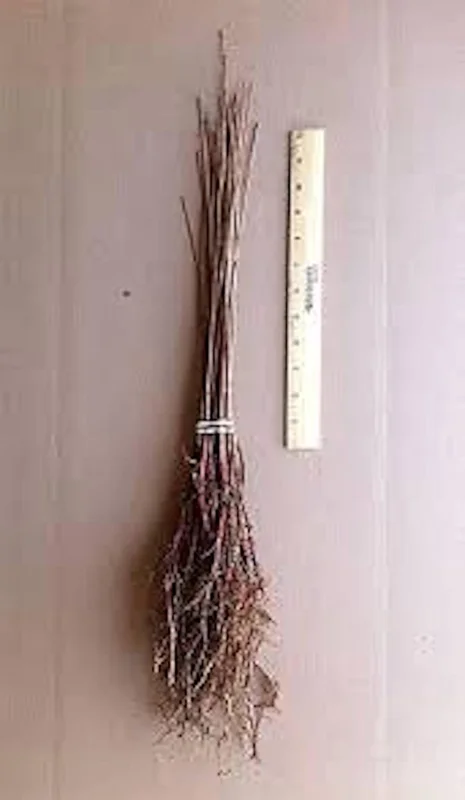
- Q: What condition will it arrive in? Is it shipped in soil? A: You will receive 5 bare root Virginia Bluebells. These are dormant roots without soil, carefully packaged for safe transit, and ready for immediate planting upon arrival.
- Q: When is the best time to plant these bare roots? A: The best time to plant buy bluebell roots is typically in early spring or fall. Planting in early spring allows them to establish before the summer heat, while fall planting lets them develop roots over winter for a strong spring emergence.
- Q: How long until it blooms after planting? A: You can expect your Virginia Bluebells to bloom in the first spring after planting, though the display may be more robust in their second year as they become more established. The blooms typically last from March to June.
- Q: Will it survive winter in my zone? What’s the minimum temperature? A: These plants are hardy in USDA Zones 4-9, meaning they are well-equipped to survive cold winters within this range. They require a period of cold dormancy to thrive.
- Q: What kind of soil do Virginia Bluebells prefer? A: Virginia Bluebells prefer consistently moist, well-draining soil, ideally rich in organic matter. Peaty, sandy soil that drains well but retains some moisture is particularly beneficial for the Mertensia virginica plant.
- Q: Will the foliage stay all summer? A: No, Virginia Bluebells are ephemeral perennials. Their foliage typically dies back and disappears by mid-summer as they go dormant, allowing other plants to fill their space.
- Q: Can I propagate more Virginia Bluebells from these roots? A: While these are bare roots for planting, established Virginia Bluebells will self-seed. You can also divide mature clumps in the fall after dormancy or in early spring before new growth emerges to propagate more plants.







Reviews
There are no reviews yet.