Overview
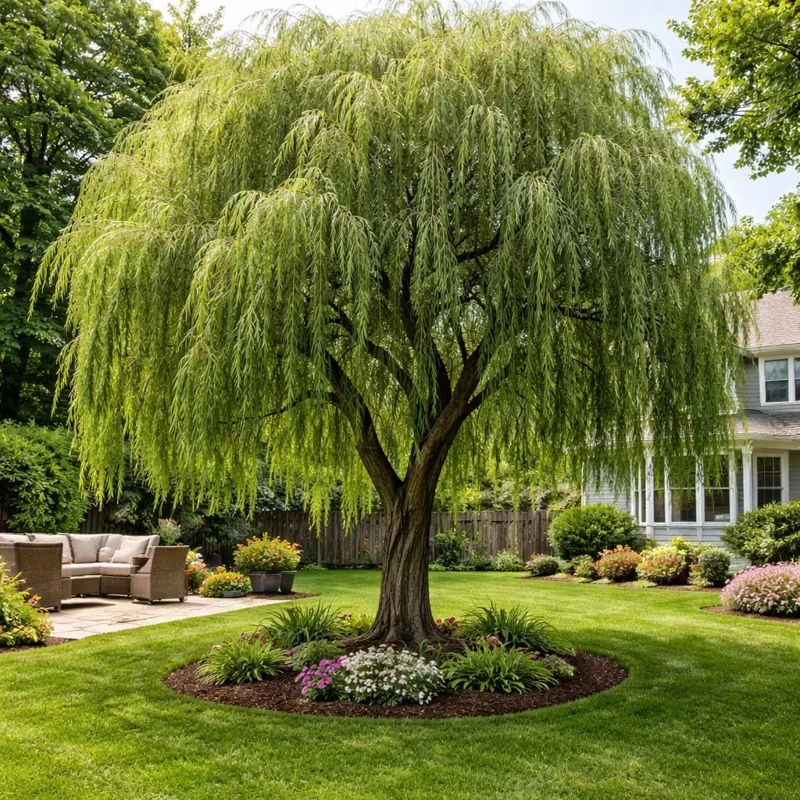
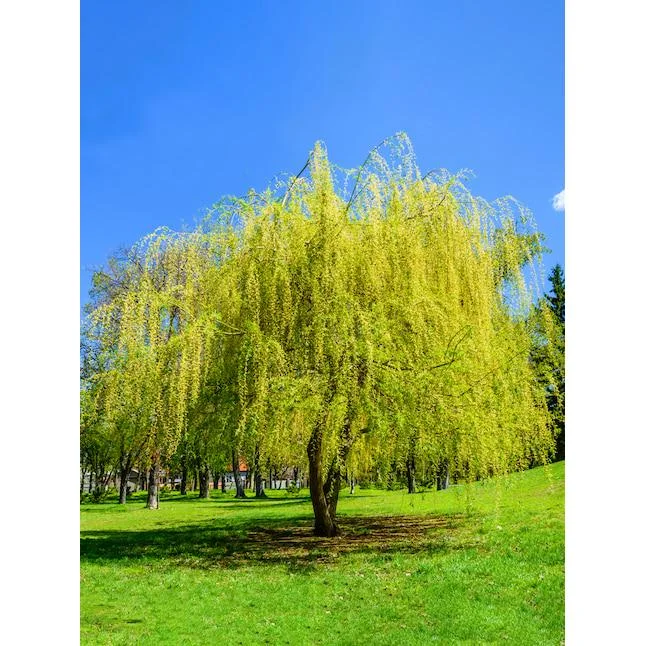
Introduce a touch of classic elegance and natural beauty to your landscape with our exquisite weeping willow tree. This live plant, known scientifically as Salix babylonica, is celebrated for its distinctive long, slender branches that gracefully weep towards the ground, creating a serene and picturesque silhouette. Our weeping willow tree arrives as a vibrant 12-inch tall specimen, carefully rooted in a 1-gallon pot, ready to thrive in your garden. Imagine the tranquil scene as its light green, pendulous foliage gently sways with every breeze, reflecting beautifully in a nearby pond or creating a calming focal point in your yard. This majestic deciduous tree is a symbol of peace and beauty, promising to transform any outdoor space into a verdant sanctuary. Whether you’re looking to create a dramatic focal point or add a graceful shade tree, the live weeping willow is an exceptional choice.
The weeping willow tree is a fast-growing species that can quickly establish itself, offering significant ornamental value. Its adaptability to various soil conditions, particularly moist environments, makes it a popular choice for waterside plantings, though it can also flourish in drier, open areas with consistent irrigation. Its iconic form provides not only aesthetic appeal but also a wonderful shade canopy, perfect for relaxation during warm months. This plant is a fantastic addition for those seeking to enhance their garden with a tree that combines rapid growth with stunning visual impact.
Key Benefits
The weeping willow tree offers a multitude of benefits for any garden or landscape. Its unique form and rapid growth make it a standout choice for various outdoor settings.
- Graceful Aesthetic Appeal: The most striking feature of the weeping willow tree is its elegant, cascading branches. This creates a soft, flowing appearance that adds a sense of tranquility and classical beauty to any garden, especially when planted near water features.
- Excellent Shade Provider: As a fast growing shade tree, the weeping willow develops a broad, rounded crown relatively quickly, offering ample shade for outdoor relaxation, picnics, or protecting other plants from intense sun.
- Adaptable to Moist Conditions: While many trees struggle in consistently wet soil, the weeping willow tree thrives in moist to wet environments, making it an ideal choice for stream banks, pond edges, or areas with poor drainage.
- Rapid Growth Rate: This tree is known for its vigorous growth, quickly reaching a substantial size. This means you won’t have to wait years to enjoy its full beauty and benefits, such as shade and visual impact.
- Wildlife Attraction: The dense foliage and structure of a mature live weeping willow provide shelter and nesting sites for various bird species, contributing to local biodiversity.
- Erosion Control: When planted near water, the extensive root system of the weeping willow can help stabilize soil and prevent erosion along banks and shores.
- Distinctive Winter Silhouette: Even after its leaves drop in autumn, the intricate pattern of its weeping branches creates a beautiful and architectural silhouette against a winter sky.
Plant Care & Growing Tips
Caring for your weeping willow tree is relatively straightforward, especially if you understand its preferences. This tree is quite forgiving but will perform best with consistent attention to its basic needs. For optimal health and growth, a weeping willow tree prefers full sun exposure, meaning at least 6 hours of direct sunlight per day. While it can tolerate partial shade, its growth will be less vigorous, and its characteristic weeping form might be less pronounced. Ensure your chosen planting site allows for ample sunlight throughout the day.
When it comes to watering, the weeping willow tree is famously fond of moisture. It thrives in consistently moist to wet soils and is an excellent choice for planting near water sources. However, it can also adapt to drier, more open areas if provided with regular and deep irrigation, especially during dry spells. Without adequate water in drier conditions, the tree may experience leaf drop. The ideal soil for a weeping willow tree is well-draining yet capable of retaining moisture, such as a loamy soil. While it tolerates various soil types, avoid extremely compacted or heavy clay soils that retain too much standing water without proper drainage. This species is cold hardy in USDA Zones 5-9, making it suitable for a wide range of climates. Generally, fertilize in early spring with a balanced, slow-release fertilizer designed for trees to support its rapid growth. Pruning should focus on removing dead or damaged branches and shaping the canopy to maintain its graceful form, typically done in late winter or early spring before new growth emerges. Watch out for common pests like aphids and willow leaf beetles, and treat with appropriate organic or chemical controls if infestations occur. Proper watering and sunlight will help maintain a healthy plant and reduce the likelihood of issues.
Size & Details
This weeping willow tree is a vibrant live plant that ships in a 1-gallon nursery pot, ensuring a healthy start in your garden. Upon arrival, the tree will have a minimum height of 12 inches, providing a robust young specimen ready for planting. As a fast growing shade tree, the weeping willow will quickly establish itself and begin to increase in size. At maturity, this magnificent tree can reach an impressive height of 35 to 45 feet, with an equal or even greater spread, creating a truly grand and expansive canopy. It’s crucial to select a planting location that provides plenty of room for its broad, rounded crown to develop fully.
The live weeping willow is a deciduous tree, meaning it will shed its leaves in the fall and regrow them in the spring, offering seasonal interest. It is shipped as a potted plant, which makes for an easier transition into your garden soil compared to bare-root specimens. Expect to see significant growth within the first few years after planting, with its characteristic pendulous branches becoming more pronounced as it matures. This tree is a long-term investment in your landscape, providing beauty and shade for decades.
Frequently Asked Questions
- Q: How big does this weeping willow tree get? A: This weeping willow is shipped at a minimum height of 12 inches. At maturity, it can reach an impressive height of 35 to 45 feet with an equal or greater spread, developing a large, rounded crown.
- Q: What size pot does the live weeping willow come in? A: The weeping willow tree is shipped in a 1-gallon nursery pot, providing a healthy root system for successful transplanting into your garden.
- Q: Is this an indoor or outdoor plant? A: The weeping willow tree is primarily an outdoor plant, best suited for landscaping in USDA Zones 5-9 where it can reach its full majestic size and provide ample shade.
- Q: How much sunlight does a weeping willow tree need? A: Weeping willows thrive in full sun, requiring at least 6 hours of direct sunlight per day for optimal growth and to maintain its characteristic form.
- Q: Is this plant easy to care for? A: Yes, the weeping willow tree is relatively easy to care for, especially if its basic needs for sunlight and consistent moisture are met. It’s a robust and adaptable tree.
- Q: What condition will the weeping willow tree arrive in? A: Your weeping willow tree will arrive as a healthy, live plant in a 1-gallon pot, carefully packaged to ensure its safe journey to your home.
- Q: When is the best time to plant a weeping willow tree? A: The best time to plant a weeping willow is in spring or early fall, allowing the roots to establish before extreme temperatures. However, potted plants can be planted throughout the growing season.
- Q: Will a fast growing shade tree like the weeping willow survive winter in my zone? A: The weeping willow tree is cold hardy in USDA Zones 5-9, meaning it can withstand winter temperatures within these zones. If you are outside this range, winter protection may be needed.
- Q: What type of soil does the weeping willow tree prefer? A: While adaptable, weeping willows prefer moist, well-draining soil, such as a loamy soil. They can tolerate various soil types but thrive near water sources.
- Q: How often should I water my weeping willow tree? A: Weeping willows prefer consistently moist soil. If planted in a drier area, regular and deep watering is essential, especially during dry periods, to prevent leaf drop.














Reviews
There are no reviews yet.