Overview
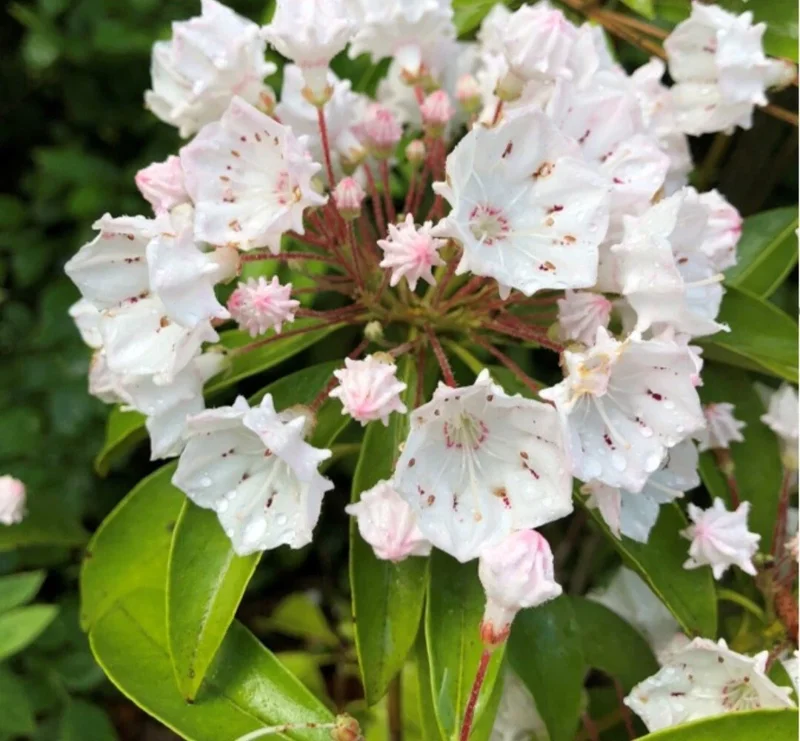
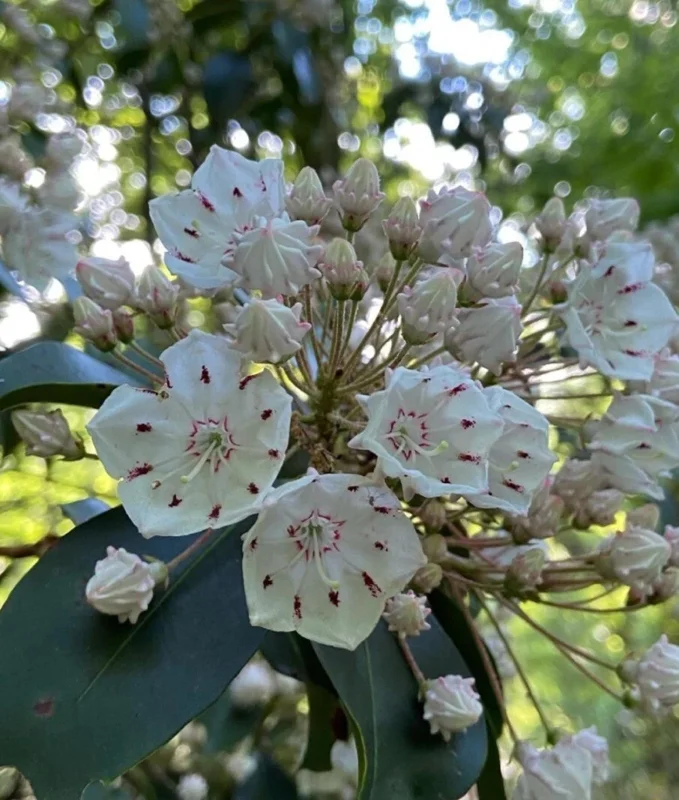
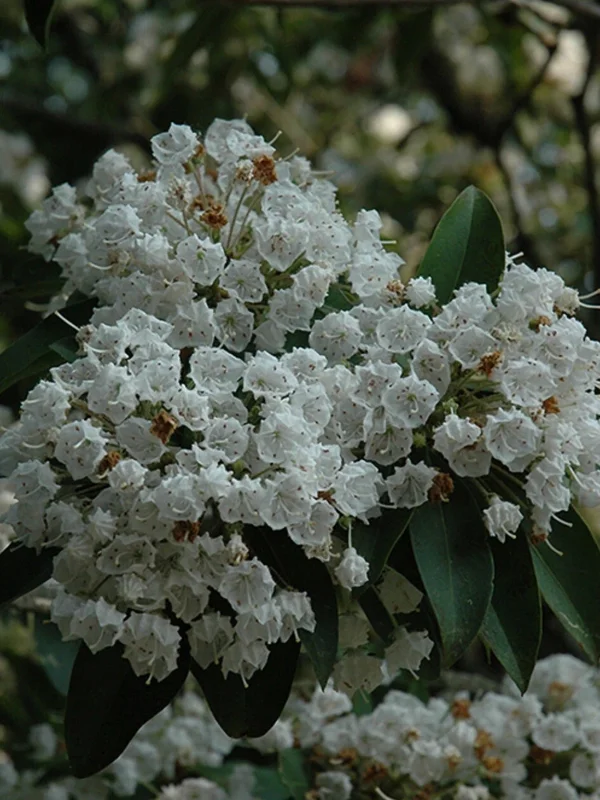
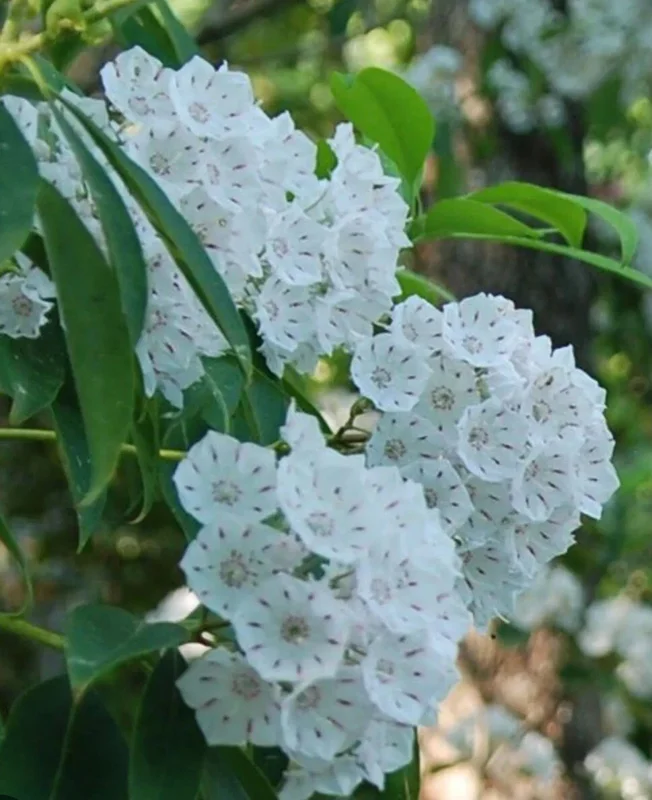
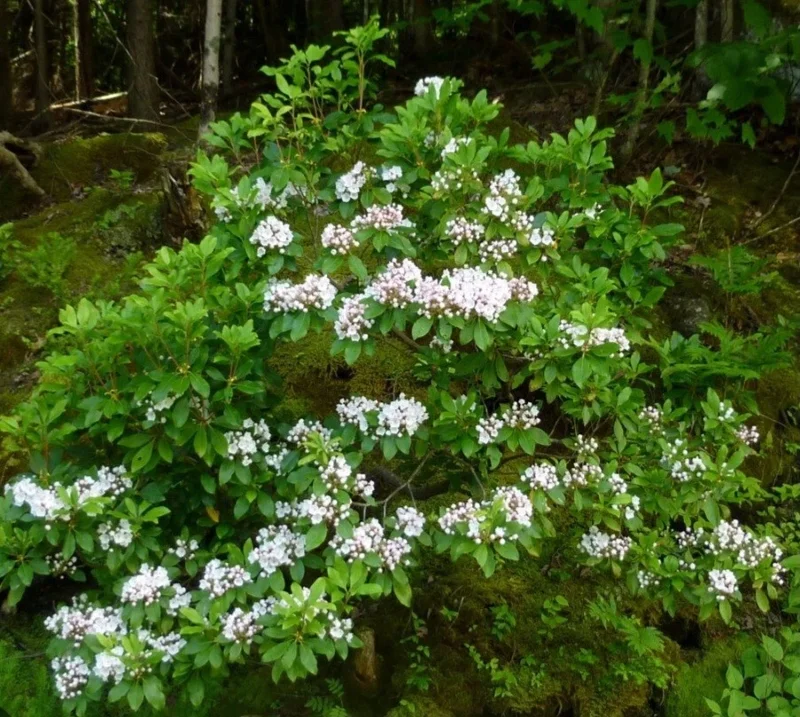
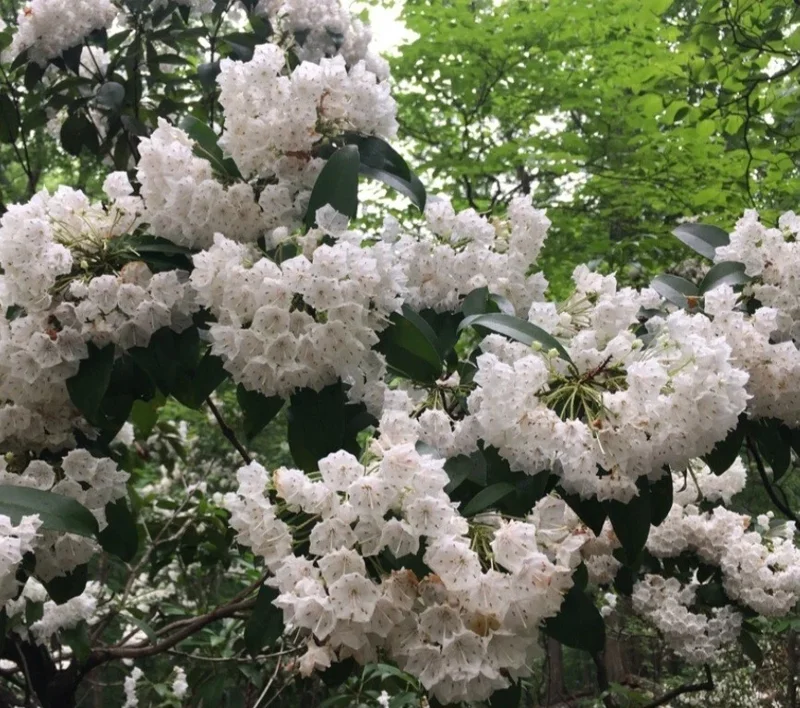
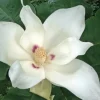
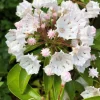
Introduce a touch of natural elegance to your garden with the white mountain laurel live plant. Also known by its botanical name, Kalmia latifolia, this specimen is a truly captivating native evergreen shrub celebrated for its dramatic, cup-shaped white flowers that bloom in late spring to early summer. Our offering is a robust 1-2 ft tall bare root tree, carefully prepared for optimal transplanting and establishment in your landscape. The Kalmia latifolia tree is a resilient and visually stunning plant, perfect for creating an enchanting woodland garden, a striking border, or a focal point in your yard. Its unique floral display and attractive evergreen foliage provide year-round interest, making it a valuable asset for any homeowner looking to cultivate a beautiful and enduring outdoor space. This variety is particularly cherished for its pure white blossoms, offering a serene and classic aesthetic.
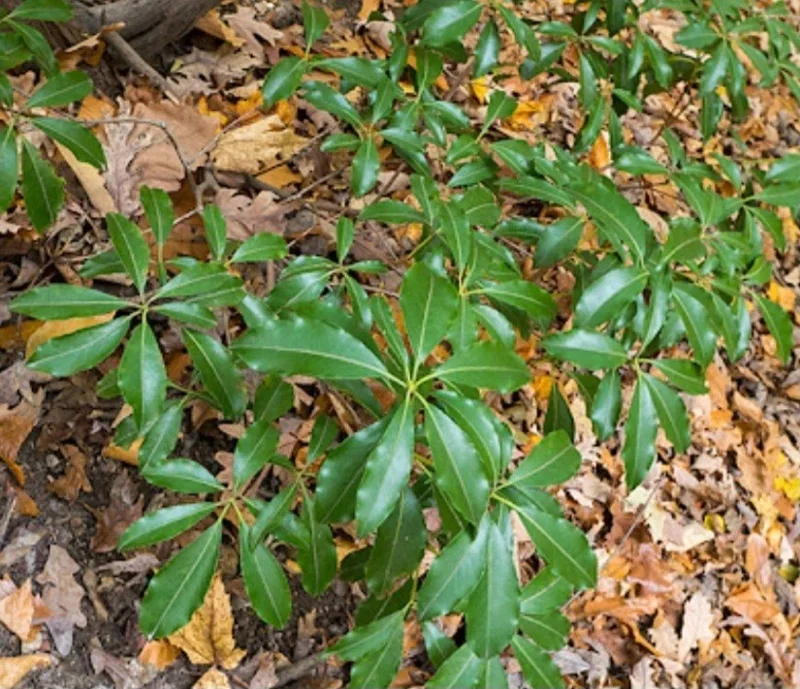
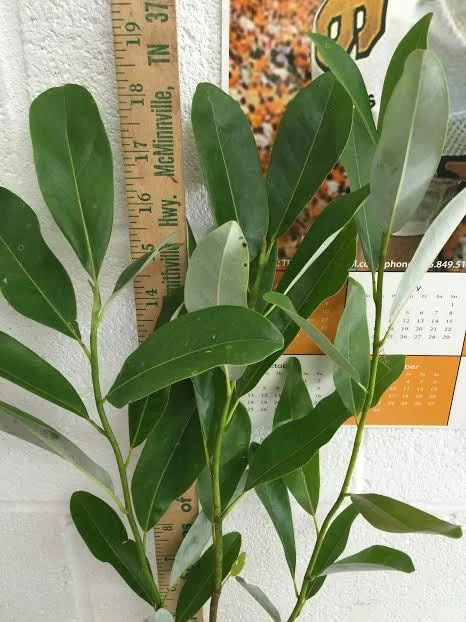
The Mountain Laurel, or Kalmia latifolia, is the state flower of Connecticut and Pennsylvania, revered for its hardiness and ornamental value. When you choose a white mountain laurel live plant, you’re investing in a piece of natural history, known for its ability to thrive in various conditions, especially in its native mountain regions. Its dense growth habit and leathery, dark green leaves provide excellent texture and structure to garden designs, even when not in bloom. This bare root form ensures a strong start, allowing the plant to quickly acclimate to its new environment and develop a vigorous root system. Prepare to enjoy the spectacular transformation as this young tree matures into a magnificent flowering shrub, bringing joy and beauty to your outdoor living areas for many years to come.
Key Benefits
The white mountain laurel live plant offers a multitude of benefits for both the gardener and the environment. Its stunning appearance and resilient nature make it a highly desirable choice for diverse garden settings, providing long-lasting beauty and ecological value.
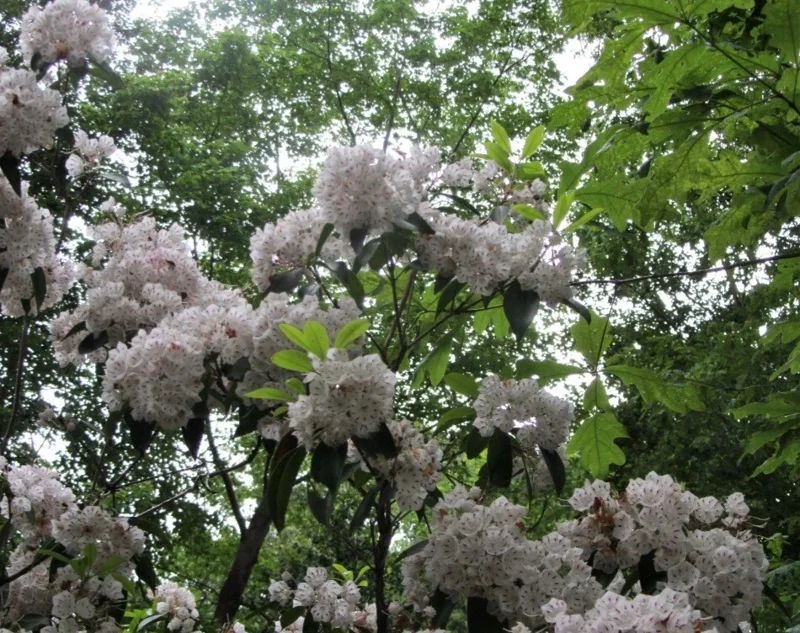
- Spectacular White Blooms: Enjoy a breathtaking display of intricate, cup-shaped white flowers that appear in late spring to early summer, creating a dazzling visual impact in your garden. These unique blossoms are truly a sight to behold.
- Evergreen Foliage: The glossy, dark green leaves provide year-round interest and structure, ensuring your garden maintains its beauty even during the colder months when other plants have faded.
- Native and Hardy: As a native plant to the eastern United States, the Kalmia latifolia tree is well-adapted to local climates and soils, making it a low-maintenance and resilient choice for many regions.
- Attracts Pollinators: The vibrant flowers serve as a magnet for bees, butterflies, and other beneficial pollinators, contributing to the biodiversity and health of your garden ecosystem.
- Versatile Landscaping: Ideal for woodland gardens, naturalized areas, foundation plantings, or as an informal hedge, its adaptable nature allows it to fit into various landscape designs. The mountain laurel care required is minimal once established.
- Deer Resistant: Its foliage is generally unappealing to deer, offering a valuable advantage for gardeners in areas prone to deer browsing, helping to protect your investment.
- Long-Lived Beauty: With proper growing kalmia latifolia practices, this plant can thrive for decades, becoming a cherished and enduring feature of your landscape.
Plant Care & Growing Tips
Proper mountain laurel care is essential for the successful establishment and long-term health of your white mountain laurel live plant. These plants, while hardy, benefit greatly from specific growing conditions that mimic their natural woodland habitat. They prefer a location with partial shade, especially protection from intense afternoon sun, which can scorch their leaves. Morning sun with afternoon shade is often ideal. While they can tolerate more sun in cooler climates, consistent moisture and protection from drying winds are crucial. Ensure good air circulation to prevent fungal issues, but avoid overly exposed, windy sites.
When it comes to watering, consistent moisture is key, especially during the first few years after planting and during dry spells. However, good drainage is equally important, as mountain laurels do not tolerate soggy feet, which can lead to root rot. For soil, they thrive in acidic, well-draining, organically rich soil. A pH range between 4.5 and 5.5 is optimal. Incorporating peat moss, compost, or pine bark fines into the planting hole can help achieve the ideal soil conditions for growing kalmia latifolia. Fertilization should be done sparingly; an acid-loving plant fertilizer can be applied in early spring, but avoid over-fertilizing, as this can harm the plant. Pruning is generally minimal, focused on removing dead or damaged branches and shaping the plant after flowering.
The bare root mountain laurel is best planted in early spring or fall. Dig a hole twice as wide as the root spread and just deep enough so that the crown of the plant is at soil level. Spread the roots out gently and backfill with your prepared acidic soil mix, tamping lightly to remove air pockets. Water thoroughly after planting. Mulching with pine needles or shredded bark helps retain soil moisture, suppress weeds, and maintain soil acidity. Pay close attention to pest and disease monitoring, though mountain laurels are generally robust. Common issues can include leaf spot or lace bugs; address these promptly with appropriate organic or chemical treatments. With these diligent mountain laurel care practices, your plant will flourish and reward you with its magnificent blooms.
Size & Details
This offering is for one white mountain laurel live plant, specifically a Kalmia latifolia tree, measuring approximately 1-2 feet tall at the time of shipment. The plant is provided in a bare root form, which means it will arrive without soil around its roots, carefully packaged to maintain moisture during transit. This method is excellent for establishing a strong, healthy root system directly in your garden soil. The mature size of a mountain laurel can vary, typically reaching 5-15 feet in height and width, depending on growing conditions and specific variety. Its growth rate is moderate, allowing for steady development over time. Expect the plant to begin establishing its root system and show new foliage growth within the first few weeks after planting, with flowering typically commencing a few years post-establishment.
Frequently Asked Questions
- Q: How big does this plant get? A: This white mountain laurel live plant typically grows to a mature height and width of 5-15 feet. Its ultimate size depends on its specific growing conditions, climate, and how it is pruned.
- Q: What size pot does it come in? A: This product is a bare root mountain laurel, meaning it is shipped without a pot. The roots are carefully packaged to ensure they remain moist and healthy during transit, ready for direct planting into your garden.
- Q: Is this an indoor or outdoor plant? A: The Kalmia latifolia tree is an outdoor plant, best suited for garden beds, woodland areas, or as a landscape shrub. It thrives in conditions that mimic its native mountain habitat.
- Q: How much sunlight does it need? A: Mountain laurels prefer partial shade, ideally morning sun with protection from harsh afternoon sun. In cooler climates, they can tolerate more sun, but consistent moisture is essential.
- Q: Is this plant easy to care for? A: Once established, mountain laurel care is relatively low-maintenance. It requires consistent moisture, acidic soil, and minimal pruning. Beginners can successfully grow this plant with proper initial planting and watering.
- Q: What condition will it arrive in? A: Your white mountain laurel live plant will arrive as a bare root specimen, carefully packaged to protect its roots and ensure it reaches you in healthy, viable condition for planting.
- Q: Can I use mountain laurel in cooking? A: No, Kalmia latifolia (Mountain Laurel) is poisonous if ingested. It is strictly an ornamental plant and should not be used for culinary purposes.
- Q: How long until it blooms? A: While the plant is 1-2 ft tall at shipment, it may take a few years post-establishment for the Kalmia latifolia tree to produce its first significant blooms, as it focuses on root development first.
- Q: When is the best time to plant a bare root mountain laurel? A: The ideal times for planting a bare root mountain laurel are early spring or fall, when temperatures are moderate and the plant can establish its roots before extreme heat or cold.
- Q: Will it survive winter in my zone? A: Mountain laurels are hardy plants. To determine if it will survive winter in your specific location, you should check your USDA hardiness zone and compare it with the plant’s known hardiness range (typically zones 4-9).




Reviews
There are no reviews yet.