Overview
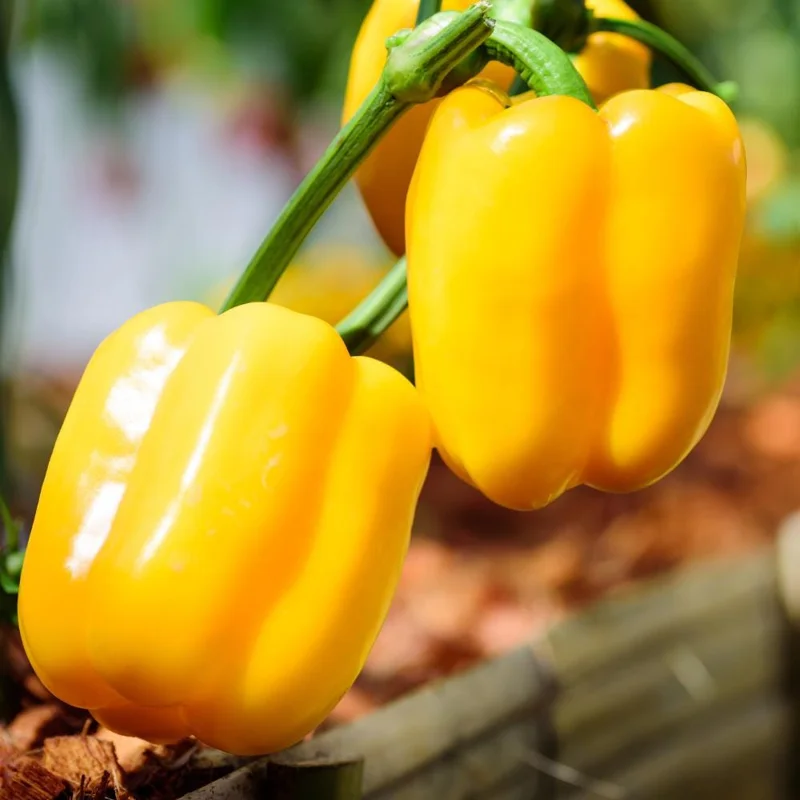
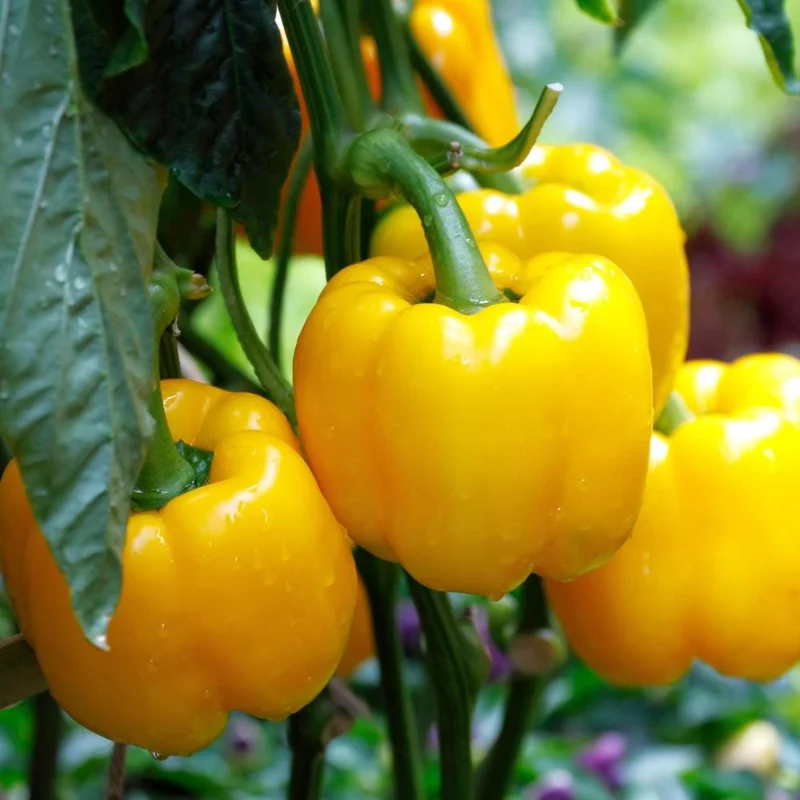
Bring the joy of home gardening to your space with this vibrant yellow bell pepper live plant. This robust starter plant, measuring approximately 4-6 inches tall and rooted in a 4-inch pot, is ready for transplanting into your garden beds or favorite containers. Known for its naturally sweet and mild flavor, the bell pepper (Capsicum annuum) is a versatile vegetable that adds both color and nutrition to your meals. Whether you’re a seasoned gardener or just starting out, this productive sweet bell pepper plant promises a rewarding harvest of crisp, juicy yellow peppers perfect for salads, stir-fries, or grilling. Experience the satisfaction of growing your own fresh produce right in your backyard or on your patio.
Our yellow bell pepper live plant is carefully nurtured to ensure it arrives healthy and vigorous, prepared to establish quickly in its new environment. These plants are selected for their excellent yield potential and consistent quality, providing you with an abundance of beautiful, sun-ripened peppers throughout the growing season. Enjoy the ease of growing bell peppers from a well-started plant, bypassing the delicate seed-starting phase and getting a head start on your harvest. This variety is celebrated for its upright, bushy growth habit, making it an attractive and functional addition to any edible landscape.
Key Benefits
This yellow bell pepper live plant offers numerous advantages for any gardener seeking fresh, homegrown produce:
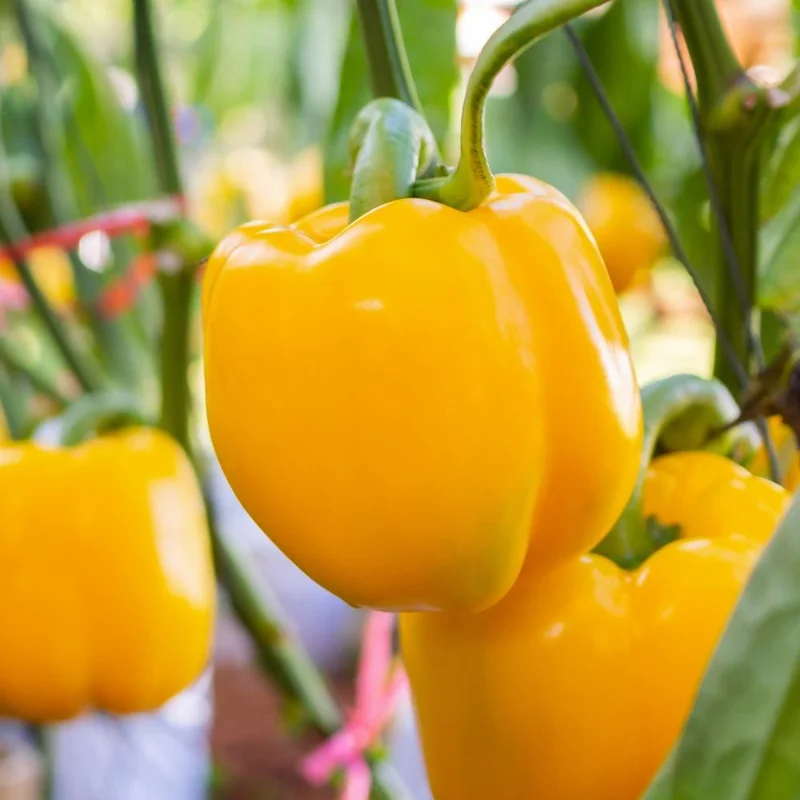
- Delicious Flavor: Enjoy crisp, juicy yellow bell peppers with a naturally sweet and mild taste, perfect for a wide range of culinary applications. These peppers are ideal for fresh eating, adding a delightful crunch and subtle sweetness to salads, sandwiches, and snacks.
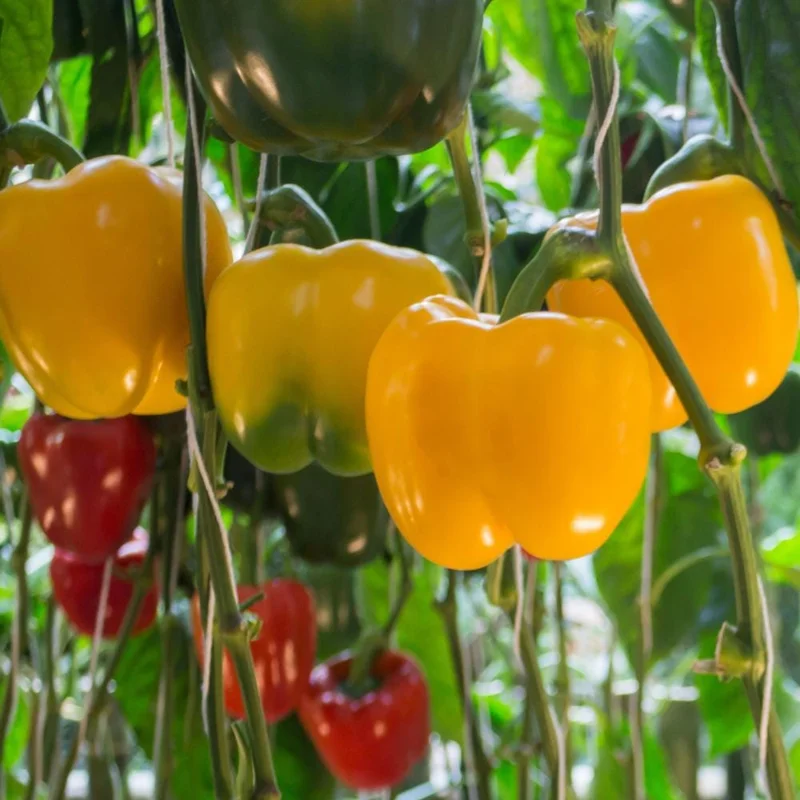
- High Productivity: This plant is known for its reliable and abundant yields, providing a continuous supply of beautiful, bright yellow peppers throughout the growing season. You’ll have plenty to share with friends and family, or to preserve for later use.
- Versatile Use: The sweet flavor and firm texture of these peppers make them incredibly versatile in the kitchen. Use them raw in salads, roast them for a smoky flavor, stir-fry them with other vegetables, or stuff them for a hearty meal.
- Container Friendly: With its compact and upright growth habit, this yellow pepper starter plant is ideally suited for growing in pots, planters, and raised beds. This makes it a fantastic choice for urban gardeners, balconies, patios, and smaller garden spaces where ground space is limited.
- Easy to Grow: Bell peppers are relatively straightforward to cultivate, especially when starting with a healthy live plant. With proper care, even novice gardeners can achieve a successful harvest, making this an excellent choice for those new to vegetable gardening.
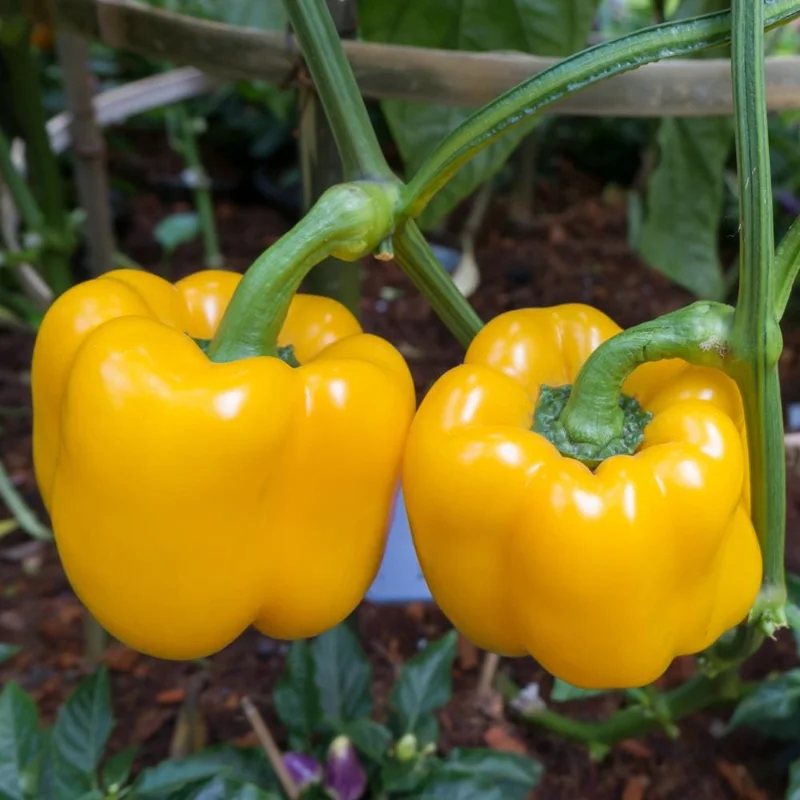
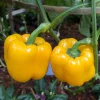
- Attractive Garden Addition: Beyond its edible benefits, the vibrant yellow peppers against lush green foliage create an attractive display in your garden or on your patio, adding a pop of color and visual interest.
- Healthy & Nutritious: Homegrown bell peppers are packed with vitamins, antioxidants, and fiber, contributing to a healthy diet. Enjoy the superior taste and nutritional value of fresh-picked produce.
Plant Care & Growing Tips
Proper care is essential for a bountiful harvest from your yellow bell pepper live plant. Bell peppers thrive in warm conditions and require consistent attention to watering and sunlight. For optimal growth and fruit production, ensure your plant receives at least 6-8 hours of direct sunlight per day. If growing indoors or in a greenhouse, consider supplemental grow lights. When transplanting, choose a location with well-draining soil that is rich in organic matter. A slightly acidic to neutral pH (6.0-7.0) is ideal. Incorporate compost or aged manure into the soil to provide essential nutrients and improve soil structure. For those interested in bell pepper plant care, understanding these fundamental needs is crucial.
Water your yellow bell pepper live plant regularly, especially during dry spells and when fruits are developing. The soil should be kept consistently moist but not waterlogged. Allow the top inch or two of soil to dry out slightly between waterings to prevent root rot. Overhead watering can encourage fungal diseases, so aim to water at the base of the plant. Fertilize every 2-4 weeks with a balanced vegetable fertilizer once the plant begins to flower and set fruit. Avoid high-nitrogen fertilizers which can promote leafy growth at the expense of fruit production. Bell peppers are annuals in most climates, meaning they complete their life cycle in one growing season. They are best grown in USDA Zones 9-11 as perennials, but can be grown as annuals everywhere else.
Protect your yellow pepper starter from cold temperatures, as they are very sensitive to frost. If temperatures drop below 50°F (10°C), consider bringing container plants indoors or providing frost protection for in-ground plants. Monitor for common pests like aphids, spider mites, and cutworms, and treat with organic pest control methods if necessary. Proper air circulation around the plants can help prevent fungal issues. Support taller plants with stakes or cages to prevent branches from breaking under the weight of the developing peppers. Harvesting peppers regularly encourages the plant to produce more fruit, ensuring a continuous supply of delicious peppers from your sweet bell pepper plant.
Size & Details
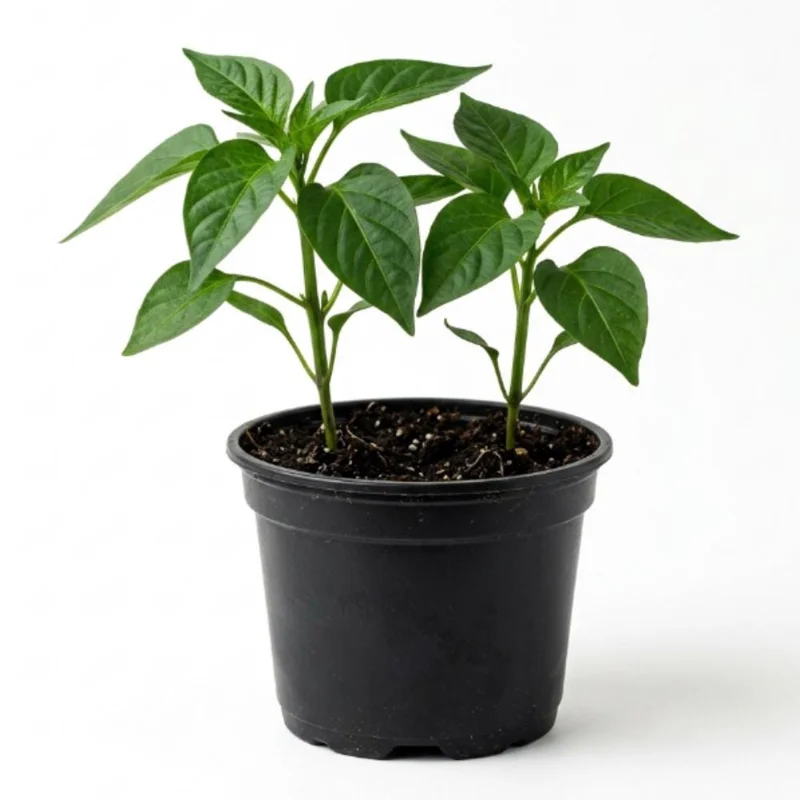
This offering includes one healthy yellow bell pepper live plant, typically measuring between 4 to 6 inches in height from the soil line. The plant comes pre-potted in a 4-inch nursery container, providing a well-established root system ready for transplanting. While the exact mature size can vary based on growing conditions, this variety generally grows into an upright, bushy pepper plant, reaching an average height of 18-36 inches (45-90 cm) tall and 12-24 inches (30-60 cm) wide. It is a starter plant, meaning it is young and will continue to grow significantly once planted in its permanent location.
Expect your yellow bell pepper live plant to begin producing fruit approximately 70-90 days after transplanting, depending on your local climate and care routine. The peppers will mature from green to a vibrant yellow, indicating they are ready for harvest. This plant is considered an annual in most climates, completing its life cycle within one growing season. Its compact growth habit makes it an excellent choice for small gardens, raised beds, and container gardening. The plant is shipped securely to minimize stress during transit, ensuring it arrives in optimal condition, ready for you to continue growing bell peppers with ease.
Frequently Asked Questions
- Q: How big does this yellow bell pepper live plant get? A: This starter plant is 4-6 inches tall. When mature, it typically grows 18-36 inches tall and 12-24 inches wide, forming an upright, bushy plant.
- Q: What size pot does it come in? A: The yellow bell pepper live plant is shipped in a 4-inch nursery pot, providing a healthy root system.
- Q: Is this an indoor or outdoor plant? A: While bell peppers can be started indoors, they are primarily outdoor plants that thrive in full sun. They can be grown in containers on patios or balconies, or directly in garden beds.
- Q: How much sunlight does it need? A: This sweet bell pepper plant requires full sun, meaning at least 6-8 hours of direct sunlight per day, for optimal growth and fruit production.
- Q: Is this plant easy to care for? A: Yes, growing bell peppers from a starter plant is relatively easy. They require consistent watering, full sun, and well-draining soil.
- Q: What condition will it arrive in? A: Your yellow pepper starter will arrive as a live, well-rooted plant in a 4-inch pot, carefully packaged to ensure its health during transit.
- Q: When is the best time to plant this yellow bell pepper live plant? A: The best time to plant is after all danger of frost has passed in your area, typically in late spring or early summer, when soil temperatures have warmed up.
- Q: What kind of soil is best for bell pepper plant care? A: Bell peppers prefer well-draining soil that is rich in organic matter, with a slightly acidic to neutral pH (6.0-7.0).
- Q: How long until I can harvest peppers? A: Peppers typically mature and are ready for harvest 70-90 days after transplanting the starter plant.
- Q: Will it survive winter in my zone? A: Bell peppers are sensitive to cold. They are annuals in most regions but can be grown as perennials in USDA Zones 9-11 where temperatures remain warm year-round.


Reviews
There are no reviews yet.