Overview
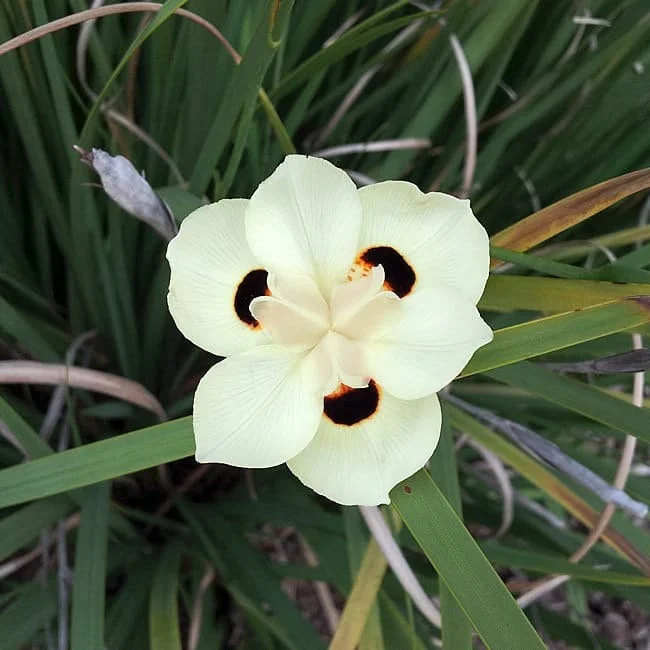
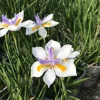
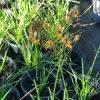
Immerse your garden in the radiant charm of the Yellow Iris Dietes Bicolor, a captivating live plant that promises to transform any outdoor space. This stunning perennial, often referred to as the African Iris or Fortnight Lily, is celebrated for its exquisite yellow and brown-marked blooms that appear almost continuously from spring through fall. Our 1 gallon specimen arrives ready to plant, offering an immediate impact with its established root system and vibrant foliage. Ideal for various landscape designs, from mass plantings to borders and containers, the Yellow Iris Dietes Bicolor brings an elegant, tropical feel to your home. Its resilience and low-maintenance nature make it a favorite among gardeners seeking beauty without constant fuss.
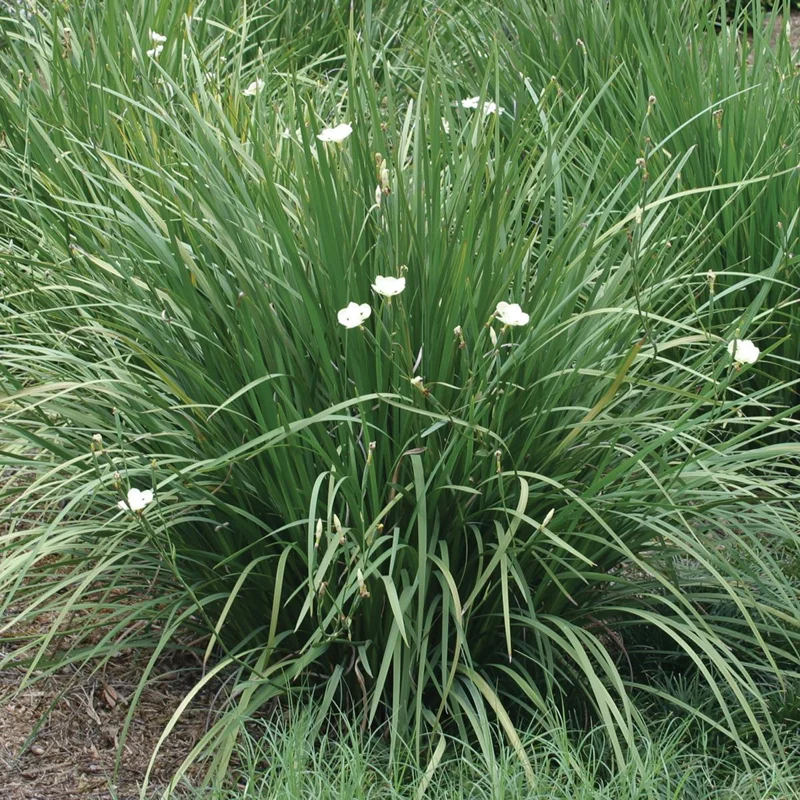
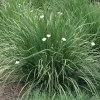
The Dietes Bicolor, with its graceful, sword-like leaves, forms attractive clumps that provide year-round texture and structure. While its common name suggests an iris, it belongs to a distinct genus, though its flowers share a similar, delicate beauty. This plant is not just about aesthetics; it’s also remarkably tough, adapting to a range of soil conditions and exhibiting impressive drought tolerance once established. Whether you’re a seasoned gardener or just starting, this easy-to-grow plant is a fantastic choice for adding long-lasting color and appeal to your outdoor living areas. Experience the joy of a garden filled with the cheerful blossoms of this exceptional plant.
Key Benefits
The Yellow Iris Dietes Bicolor offers a multitude of advantages for any garden, combining stunning visual appeal with practical resilience. Its continuous blooming habit ensures your landscape remains vibrant for months on end.
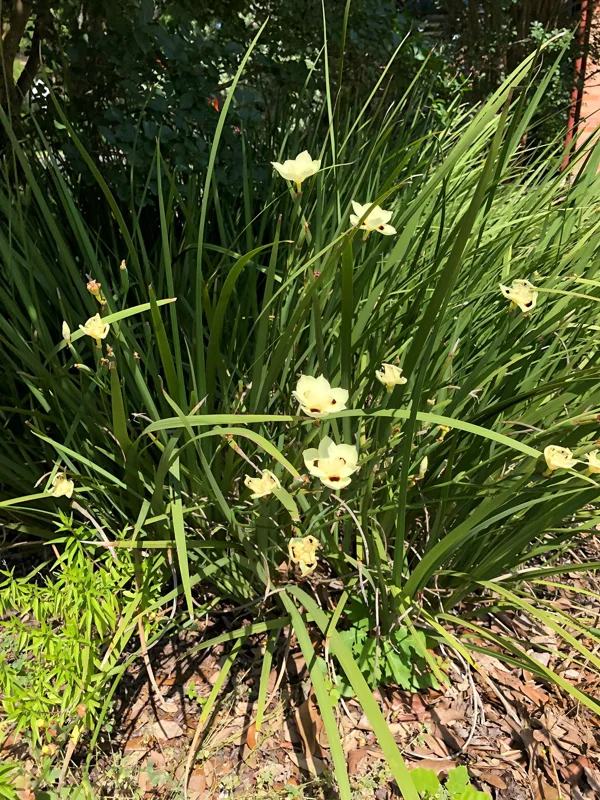
- Extended Bloom Season: Enjoy a nearly year-round display of cheerful yellow flowers, especially in warmer climates, providing consistent beauty when many other plants have finished blooming. The unique markings on each petal add an exotic touch.
- Drought Tolerant: Once established, the Yellow Iris Dietes Bicolor is incredibly water-wise, making it an excellent choice for xeriscaping or gardens in areas with water restrictions. It thrives with minimal supplemental irrigation.
- Low Maintenance: This hardy perennial requires very little attention. It’s largely pest and disease free, and deadheading is not strictly necessary as new blooms quickly replace old ones, reducing your gardening workload.
- Versatile Landscape Use: Perfect for mass plantings, borders, ground cover, container gardening, or as an accent plant. Its upright, sword-like foliage provides year-round structure and can define garden beds beautifully.
- Attracts Pollinators: The bright, inviting flowers gently attract beneficial pollinators like bees and butterflies, contributing to a healthier and more biodiverse garden ecosystem.
- Deer Resistant: Generally unappealing to deer, making it a reliable option for gardens in areas where deer browsing is a concern.
- Adaptable to Various Conditions: Thrives in a wide range of soil types and light conditions, from full sun to partial shade, demonstrating its robust and forgiving nature.
Plant Care & Growing Tips
Caring for your Yellow Iris Dietes Bicolor is remarkably straightforward, making it an ideal plant for gardeners of all experience levels. For optimal growth and prolific blooming, choose a location with full sun to partial shade. In hotter climates, some afternoon shade can be beneficial to prevent leaf scorch. Aim for at least 6 hours of direct sunlight daily for the best flower production. This plant is incredibly adaptable and can tolerate a variety of soil conditions, but it performs best in well-draining soil. Avoid heavy, waterlogged soils, as this can lead to root rot. If your soil is clay-heavy, amend it with organic matter like compost to improve drainage.
Watering requirements for the Dietes Bicolor plant care are minimal once it’s established. During its first growing season, water regularly to help it develop a strong root system. After that, it is quite drought-tolerant and can survive on natural rainfall in many regions. However, for the most abundant blooms, provide occasional deep watering during prolonged dry spells. Fertilization is generally not essential for this robust plant. If your soil is particularly poor, a light application of a balanced, slow-release granular fertilizer in early spring can encourage more vigorous growth and flowering. Pruning is also minimal; simply remove any spent flower stalks or damaged foliage to maintain a tidy appearance. Division can be done every few years in early spring if clumps become too dense, helping to rejuvenate the plant. The African Iris plant is hardy in USDA zones 8-11, and in colder zones, it can be grown as an annual or brought indoors during winter.
Size & Details
This offering is for one Yellow Iris Dietes Bicolor live plant, supplied in a 1 gallon nursery pot. The plant arrives well-established with a healthy root system, typically standing between 12-18 inches tall from the base of the pot to the top of the foliage, ready for immediate planting in your garden or a larger container. The mature size of the outdoor iris plant can reach an impressive 2-3 feet in height and spread, forming dense, attractive clumps over time. Its growth rate is moderate, allowing it to establish quickly while not becoming unruly. Expect blooms to appear continuously from late spring through fall, with individual flowers lasting a day but quickly replaced by new ones. This plant is shipped in its nursery pot with soil to ensure minimal transplant shock and a smooth transition to its new home.
Frequently Asked Questions
- Q: How big does this plant get? A: The Yellow Iris Dietes Bicolor typically grows to a mature height and spread of 2-3 feet, forming dense, clumping foliage that provides excellent garden structure.
- Q: What size pot does it come in? A: This live plant is delivered in a 1 gallon nursery pot, ensuring a well-established root system and immediate impact upon planting.
- Q: Is this an indoor or outdoor plant? A: The Yellow Iris Dietes Bicolor is primarily an outdoor plant, thriving in garden beds, borders, and outdoor containers. It is hardy in USDA Zones 8-11.
- Q: How much sunlight does it need? A: For best results and abundant flowering, provide full sun (at least 6 hours of direct sunlight) to partial shade. In very hot climates, some afternoon shade is beneficial.
- Q: Is this plant easy to care for? A: Yes, this plant is considered very easy to care for. Its drought tolerance and minimal maintenance requirements make it a great choice for both novice and experienced gardeners.
- Q: What condition will it arrive in? A: Your yellow flowering plant will arrive as a healthy, established plant in its 1 gallon nursery pot, carefully packaged to ensure its safe journey.
- Q: How long until it blooms? A: Given it’s an established plant, you can expect blooms to appear soon after planting, typically from late spring through fall, with continuous new flowers emerging.
- Q: What’s the best time to plant? A: The best time to plant your Dietes Bicolor plant care is in spring or early fall, allowing it ample time to establish its root system before extreme temperatures.
- Q: Will it survive winter in my zone? A: The African Iris plant is cold hardy in USDA Zones 8-11. In colder zones, it can be grown as an annual or overwintered indoors in a container.
- Q: What type of soil does it prefer? A: It prefers well-draining soil but is quite adaptable to various soil types. Amending heavy clay soils with organic matter will improve drainage.





Reviews
There are no reviews yet.