Overview
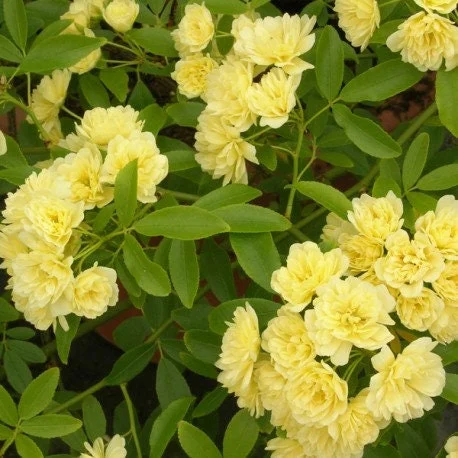
Introduce a cascade of vibrant color and delicate fragrance to your outdoor space with the Yellow Rose Lutea climbing rose. This exquisite live plant, scientifically known as Rosa Banksiae ‘Lutea’, is celebrated for its vigorous growth habit and abundant clusters of small, buttery yellow, scentless flowers that bloom profusely in spring. Often referred to as Lady Banks’ Rose, ‘Lutea’ is a thornless variety, making it a joy to train and maintain. Shipped as a healthy specimen in a 6-inch pot, this climbing rose is ready to be planted and transform your garden into a picturesque haven. Its rapid growth and stunning floral display make it a popular choice for covering walls, fences, pergolas, and arbors, creating a breathtaking visual impact.
The Rosa Banksiae Lutea plant is a true spectacle in the landscape, offering an early season burst of cheerful yellow. Unlike many other roses, its bloom period is relatively short but incredibly intense, providing an unforgettable show. This hardy and resilient climber is an excellent addition for both novice and experienced gardeners looking for a low-maintenance yet high-impact flowering vine. Its robust nature and charming blooms ensure it will be a cherished part of your garden for many years to come.
Key Benefits
The Yellow Rose Lutea climbing rose offers numerous advantages, making it a highly desirable plant for various garden designs and preferences. Its unique characteristics contribute to its appeal and ease of care, ensuring a delightful gardening experience.
- Spectacular Spring Blooms: Enjoy an unparalleled display of thousands of small, bright yellow flowers in early spring, creating a dramatic and beautiful focal point in your garden. This intense, short-lived bloom period is truly magnificent.
- Vigorous and Fast Growing: This vigorous climbing rose quickly establishes itself and covers large structures like pergolas, fences, and walls, providing excellent coverage and vertical interest in a relatively short time.
- Thornless Canes: Unlike many other rose varieties, Rosa Banksiae ‘Lutea’ is virtually thornless, making it much easier and safer to prune, train, and enjoy without the worry of scratches.
- Low Maintenance: Once established, this climbing rose is remarkably resilient and requires minimal care, making it an ideal choice for gardeners seeking beauty without constant attention. It’s known for its disease resistance.
- Drought Tolerant: After its first year, the yellow climbing rose becomes quite drought-tolerant, reducing the need for frequent watering and making it suitable for water-wise gardening.
- Versatile Landscaping Use: Perfect for training over arbors, trellises, fences, or even allowed to ramble over banks, adding a romantic and classical touch to any garden style.
- Attractive Foliage: Beyond its stunning blooms, the plant features attractive, small, semi-evergreen leaves that provide year-round interest in milder climates.
Plant Care & Growing Tips
Proper climbing rose care ensures your Yellow Rose Lutea climbing rose thrives and produces its breathtaking display of flowers. This resilient plant is generally easy to care for, but understanding its specific needs will help it reach its full potential. Plant your rose in a location that receives at least 6 hours of full sun per day; while it tolerates some partial shade, abundant sunlight encourages the most prolific blooming. Good air circulation is also important to prevent fungal diseases. Dig a hole twice as wide as the root ball and just as deep, ensuring the top of the root ball is level with the soil surface. Amend heavy clay soils or very sandy soils with organic matter like compost to improve drainage and fertility.
Water your newly planted rose regularly to help it establish, keeping the soil consistently moist but not waterlogged. Once established, the Rosa Banksiae Lutea plant is quite drought-tolerant, but deep watering during prolonged dry spells will benefit its overall health and blooming. Fertilize in early spring with a balanced slow-release rose fertilizer to support its vigorous growth and flowering. Pruning should be done after its spring bloom, primarily to remove dead or damaged wood and to shape the plant. Since it blooms on old wood, heavy pruning before flowering will reduce the floral display. Train new canes horizontally to encourage more flowering side shoots. This rose is generally hardy in USDA Zones 6-9, tolerating a range of temperatures but preferring milder winters.
Watch out for common rose pests like aphids, though Rosa Banksiae ‘Lutea’ is generally quite resistant to most diseases. If necessary, horticultural oil or insecticidal soap can be used. Ensure your plant has adequate support for its climbing habit, such as a sturdy trellis, arbor, or fence. With proper attention to sunlight, watering, and occasional pruning, your yellow climbing rose will be a showstopper year after year, transforming your garden into a vibrant, fragrant paradise.
Size & Details
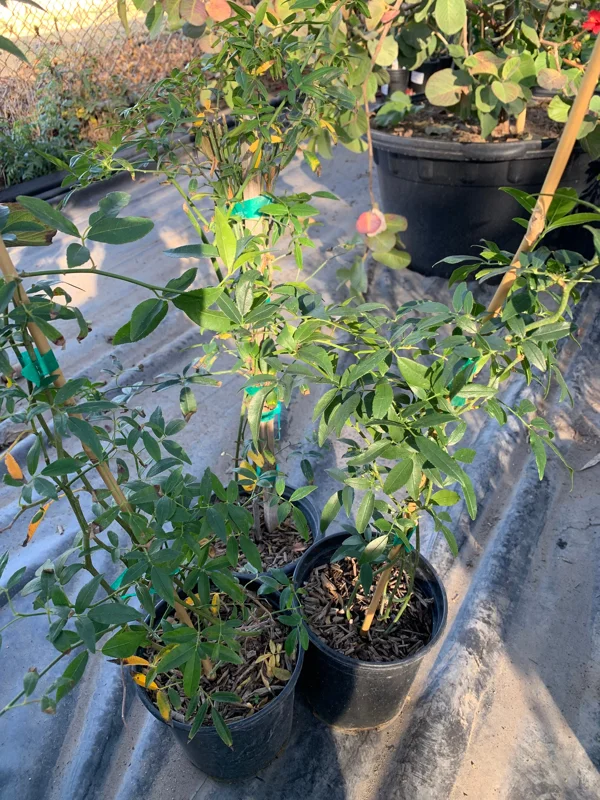
This Yellow Rose Lutea climbing rose is shipped as a healthy, actively growing live plant in a 6-inch nursery pot. The plant’s height will vary depending on the growing season and recent pruning, typically ranging from 12 to 24 inches tall upon arrival, ready for immediate planting. This vigorous climber has a fast growth rate and can reach impressive mature dimensions, often growing 15 to 20 feet or more in length and spreading 6 to 10 feet wide, given adequate support and growing conditions. It is ideal for covering large structures and will begin to establish quickly after planting.
The delicate, small yellow flowers, approximately 1 inch in diameter, appear in large clusters, creating a striking visual effect. While the bloom period is concentrated in early spring, the semi-evergreen foliage provides interest throughout the year in warmer climates. Expect this rose to establish within its first year and begin to produce its characteristic profuse blooms in the following spring seasons. Its robust nature ensures a long-lasting and beautiful addition to your landscape.
Frequently Asked Questions
- Q: How big does this plant get? A: The Yellow Rose Lutea climbing rose is a vigorous grower, typically reaching lengths of 15 to 20 feet or more with a spread of 6 to 10 feet. It requires substantial support to achieve its full potential.
- Q: What size pot does it come in? A: This live plant is shipped in a 6-inch nursery pot, providing a healthy root system ready for transplanting into your garden or a larger container.
- Q: Is this an indoor or outdoor plant? A: This is primarily an outdoor climbing rose, best suited for gardens where it can receive ample sunlight and space to grow. It is not suitable for long-term indoor cultivation.
- Q: How much sunlight does it need? A: For optimal growth and flowering, the Rosa Banksiae Lutea plant requires at least 6 hours of full direct sunlight per day. It can tolerate some partial shade but may have fewer blooms.
- Q: Is this plant easy to care for? A: Yes, this vigorous climbing rose is known for being relatively low maintenance once established. It is disease resistant and quite tolerant of drought conditions.
- Q: What condition will it arrive in? A: Your rose will arrive as a healthy, actively growing live plant in its 6-inch pot, carefully packaged to ensure its safe journey. Some leaves may be stressed from shipping, but the plant will quickly recover.
- Q: Can I use this rose for cut flowers? A: While the individual flowers are small, the profusion of blooms can be charming in small arrangements. However, it’s primarily grown for its landscape impact rather than as a traditional cut flower.
- Q: How long until it blooms? A: Depending on when it’s planted, your yellow climbing rose may produce some blooms in its first spring. It will typically have its most prolific bloom after its first full year in the ground.
- Q: When is the best time to plant? A: Spring or early fall are generally the best times to plant this climbing rose, allowing it to establish its root system before extreme summer heat or winter cold.
- Q: Will it survive winter in my zone? A: This rose is hardy in USDA Zones 6-9. In colder zones, it may require winter protection, while in warmer zones, it typically retains its semi-evergreen foliage.





Reviews
There are no reviews yet.