Overview
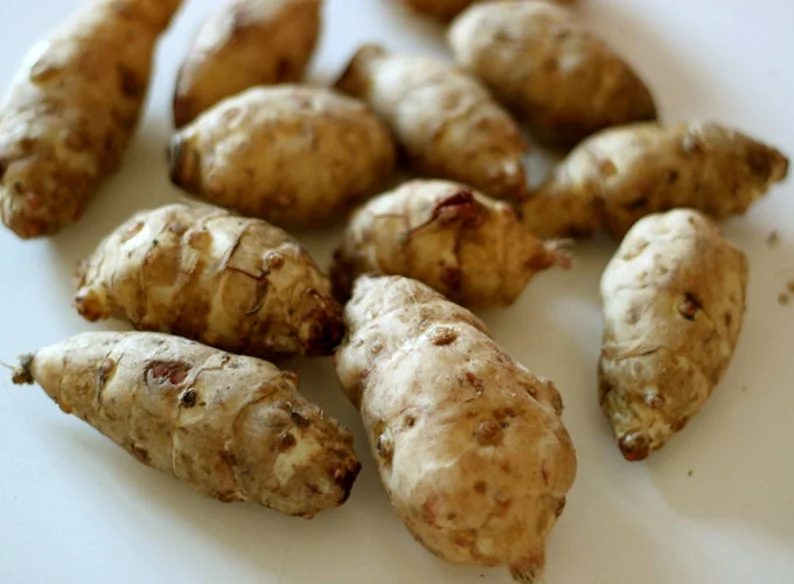
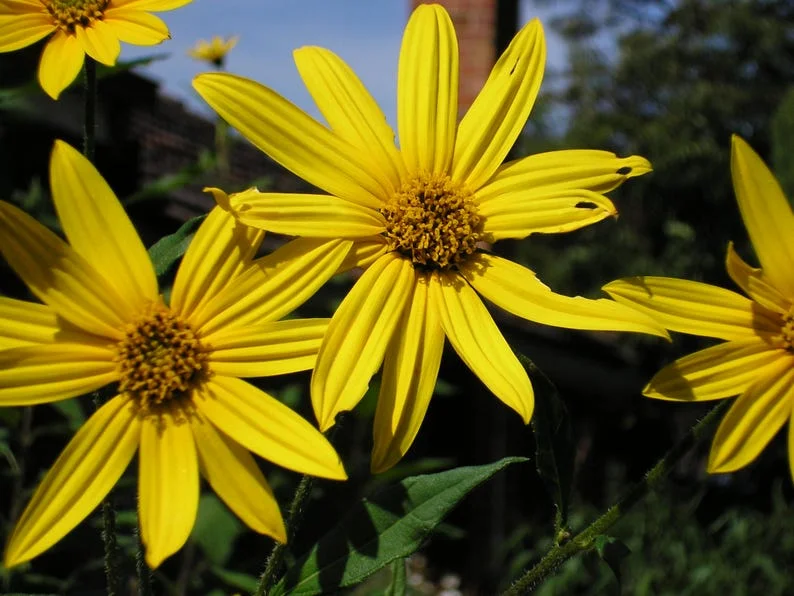
Embark on a rewarding gardening journey with our premium pack of 15 sunchoke seed tubers, also widely known as Jerusalem Artichokes. These small, organic tubers are an excellent choice for both novice and experienced gardeners looking to grow a unique and highly productive root vegetable. Sunchokes (Helianthus tuberosus) are a resilient and versatile plant, celebrated for their delicious, nutty flavor and crunchy texture, making them a fantastic addition to various culinary dishes. Unlike traditional artichokes, sunchokes are a type of sunflower whose edible part is the tuber that grows underground. This offering provides you with a convenient way to start your own patch of these delightful perennials, ensuring a sustainable source of fresh produce right from your garden. Growing organic sunchokes means you can enjoy chemical-free vegetables, promoting a healthier lifestyle and a thriving ecosystem.
Key Benefits
Growing sunchoke seed tubers offers a multitude of advantages for your garden and your plate. These robust plants are not only easy to cultivate but also provide significant nutritional value and ecological benefits.
- Nutritional Powerhouse: Sunchokes are rich in inulin, a prebiotic fiber that supports gut health, and they are a good source of iron, potassium, and B vitamins. They offer a healthier alternative to potatoes for many diets.
- Easy to Grow: Known for their vigorous growth and adaptability, Jerusalem Artichokes are incredibly low-maintenance. Once established, they require minimal care, making them perfect for busy gardeners or those new to growing root vegetables.
- Perennial Harvest: As a perennial plant, sunchokes will return year after year from tubers left in the ground, providing a continuous harvest without the need for annual replanting. This makes them a sustainable and cost-effective garden solution.
- Versatile Culinary Use: The tubers can be eaten raw, roasted, boiled, mashed, or added to soups and stews. Their mild, sweet, nutty flavor complements a wide range of dishes, offering endless culinary possibilities.
- Organic and Sustainable: Our organic sunchokes ensure you are growing food free from synthetic pesticides and fertilizers, contributing to a healthier environment and safer food for your family. This also supports sustainable gardening practices.
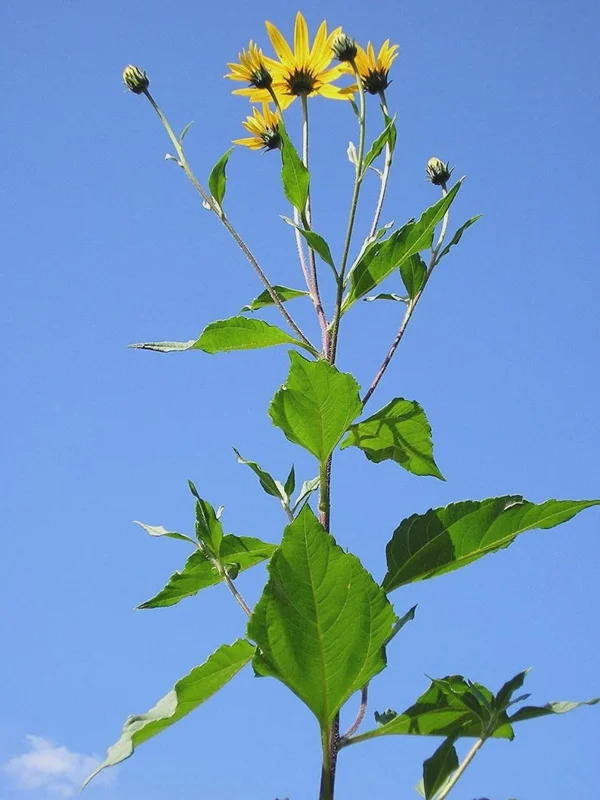
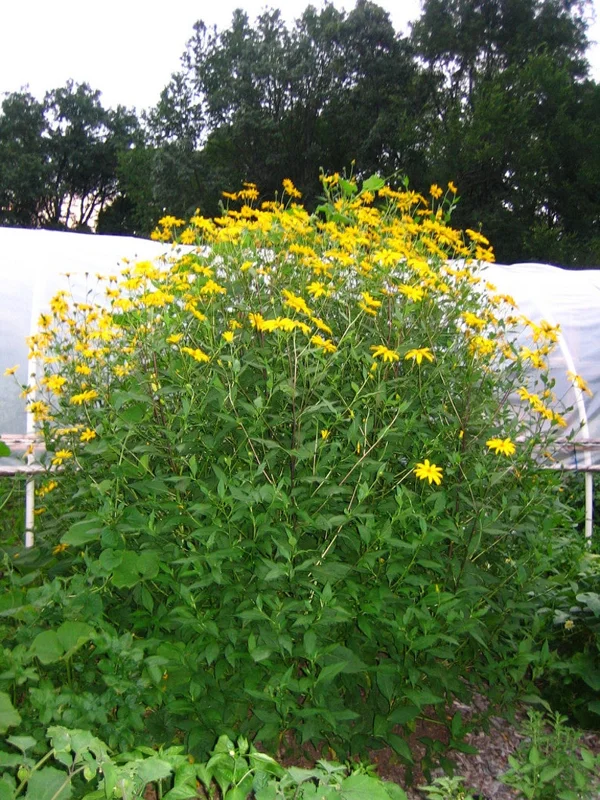
- Natural Screen or Windbreak: The tall, sunflower-like stalks can reach impressive heights, making them an effective natural screen or windbreak for your garden during the growing season.
- Soil Improvement: The extensive root system of sunchokes can help improve soil structure and prevent erosion, contributing to a healthier garden ecosystem. Learning how to grow sunchokes can also lead to better soil quality.
Plant Care & Growing Tips
Successfully growing sunchoke seed tubers is straightforward, thanks to their hardy nature. For optimal growth, choose a location with full sun, meaning at least 6-8 hours of direct sunlight per day. While they can tolerate partial shade, tuber production will be significantly higher in sunnier spots. These plants are not particularly fussy about soil, but they thrive in well-draining, fertile soil. Avoid heavy clay soils that retain too much water, as this can lead to tuber rot. Amending your soil with compost or other organic matter before planting will provide a good start for your Jerusalem Artichokes.
Watering is crucial, especially during dry spells and when the plants are actively growing. Aim for consistent moisture, but be careful not to overwater. Once established, sunchokes are fairly drought-tolerant. They are generally adaptable to a wide range of temperatures and are hardy in USDA zones 3-9. Planting typically occurs in early spring, after the last frost, or in the fall in milder climates. Fertilization is usually not heavily required, especially if the soil is rich in organic matter. If your soil is poor, a balanced organic fertilizer applied in early spring can be beneficial. Watch out for common pests like slugs and snails, though sunchokes are largely pest-resistant. Understanding how to grow sunchokes effectively will ensure a plentiful harvest.
Size & Details
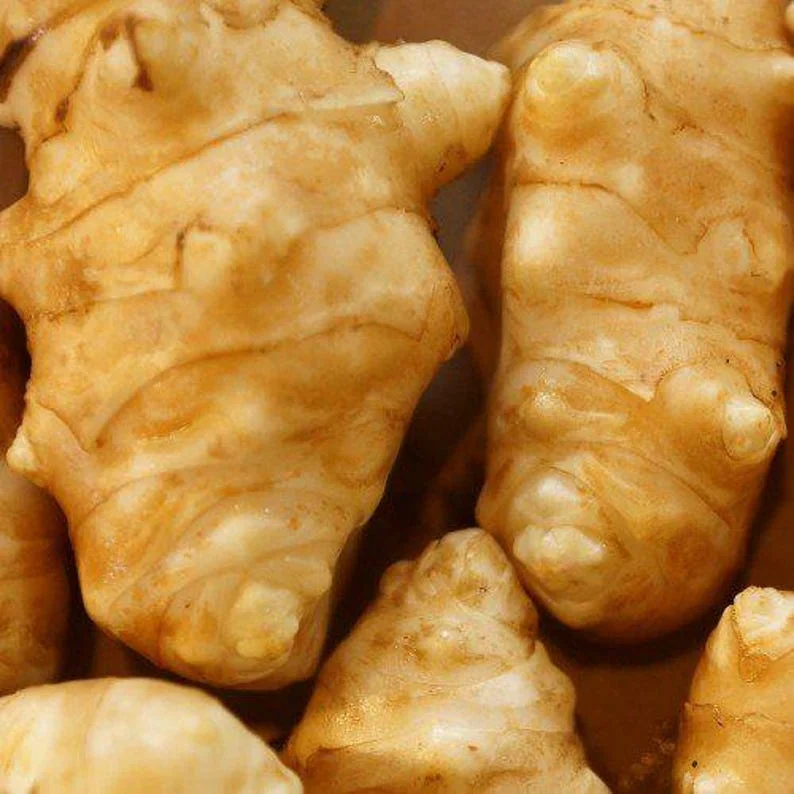
This pack contains 15 small sunchoke seed tubers, ready for planting. Each tuber is carefully selected to ensure viability and healthy growth. When planted, these tubers will develop into tall, sunflower-like plants, typically reaching heights of 6 to 10 feet, depending on growing conditions and variety. The tubers themselves vary in size and shape, but generally, they are small and irregular, perfect for propagation. Sunchokes have a relatively fast growth rate, with foliage developing quickly after planting. Tubers are usually ready for harvest in late fall, after the first frost, which sweetens their flavor. They can be harvested throughout the winter and into early spring, as long as the ground isn’t frozen solid. The mature plants will produce an abundance of new tubers, making them a truly rewarding perennial vegetable for your garden.
Frequently Asked Questions
- Q: How big do these sunchoke plants get? A: Sunchoke plants can grow quite tall, typically reaching heights of 6 to 10 feet. Their height can vary based on growing conditions, soil fertility, and the amount of sunlight they receive.
- Q: What size are the tubers in this pack? A: This pack includes 15 small sunchoke seed tubers, ideal for planting. While sizes vary naturally, they are specifically chosen for their suitability as seed stock.
- Q: Is this an indoor or outdoor plant? A: Jerusalem Artichokes are primarily outdoor plants, thriving in garden beds where they have ample space to grow tall and spread their tubers. They are not suitable for indoor cultivation.
- Q: How much sunlight do these sunchoke seed tubers need? A: Sunchokes perform best in full sun, requiring at least 6-8 hours of direct sunlight per day for optimal tuber production. They can tolerate partial shade, but yields may be reduced.
- Q: Are these sunchokes easy to care for? A: Yes, organic sunchokes are renowned for being very easy to grow and maintain. They are hardy, adaptable, and require minimal attention once established, making them excellent for beginners.
- Q: What condition will the tubers arrive in? A: Your sunchoke seed tubers will arrive dormant and ready for planting. They are carefully packaged to ensure they remain healthy during transit.
- Q: When is the best time to plant these tubers? A: The best time to plant Jerusalem Artichoke tubers is in early spring, after the last danger of frost has passed, or in the fall in regions with mild winters.
- Q: Can I use these sunchokes in cooking? A: Absolutely! Sunchokes are a versatile and delicious root vegetable. They can be eaten raw, roasted, boiled, or used in a variety of recipes, offering a unique nutty and slightly sweet flavor.
- Q: Will these sunchokes survive winter in my zone? A: Jerusalem Artichokes are very hardy and are typically perennial in USDA Zones 3-9. They can withstand cold winter temperatures, and tubers left in the ground will often regrow the following spring, making them a true perennial vegetable.
- Q: How long until I can harvest the tubers? A: Tubers are usually ready for harvest in late fall, after the plant’s foliage has died back, typically 4-5 months after planting. The first frost often improves their flavor.







Reviews
There are no reviews yet.