Overview
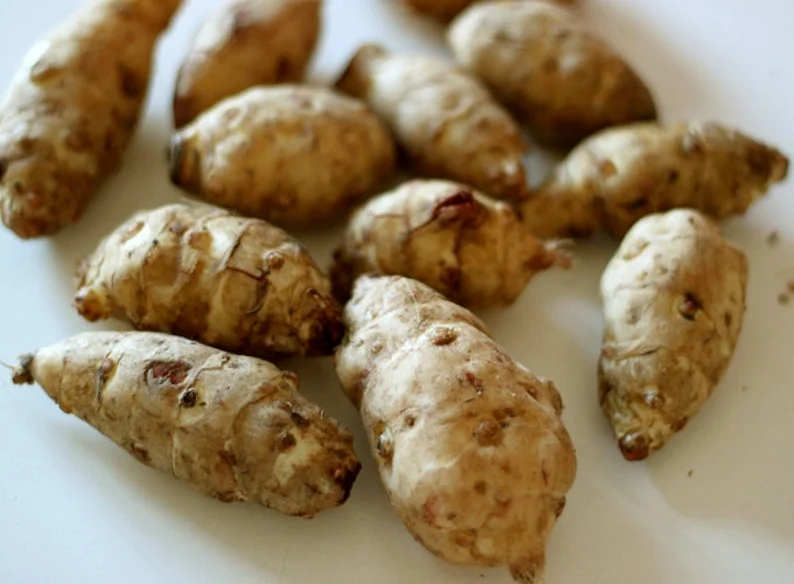
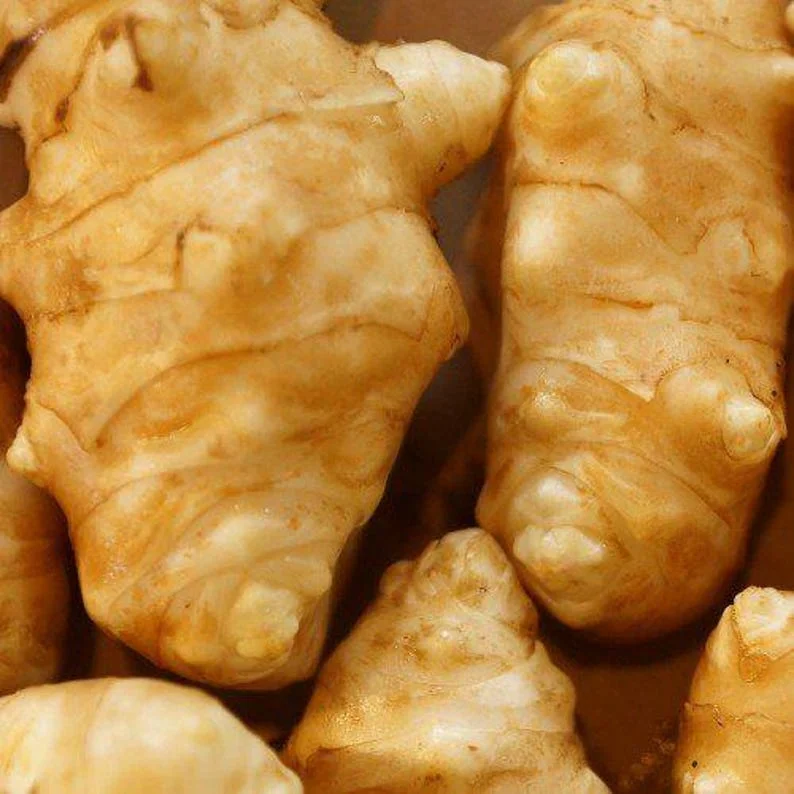
Embark on a rewarding gardening journey with our organic sunchoke seed tubers. This pack contains 5 small, ready-to-plant tubers of Jerusalem Artichoke, a robust and easy-to-grow perennial vegetable. Sunchokes, scientifically known as Helianthus tuberosus, are celebrated for their edible, potato-like tubers that offer a slightly nutty and sweet flavor, making them a fantastic addition to various culinary dishes. Unlike traditional artichokes, the edible part of the sunchoke is its underground tuber, not the flower head. These organic tubers ensure you’re starting your garden with healthy, chemical-free stock, promising a bountiful and delicious harvest for seasons to come. Ideal for both novice and experienced gardeners, jerusalem artichoke planting is a straightforward process that yields impressive results.
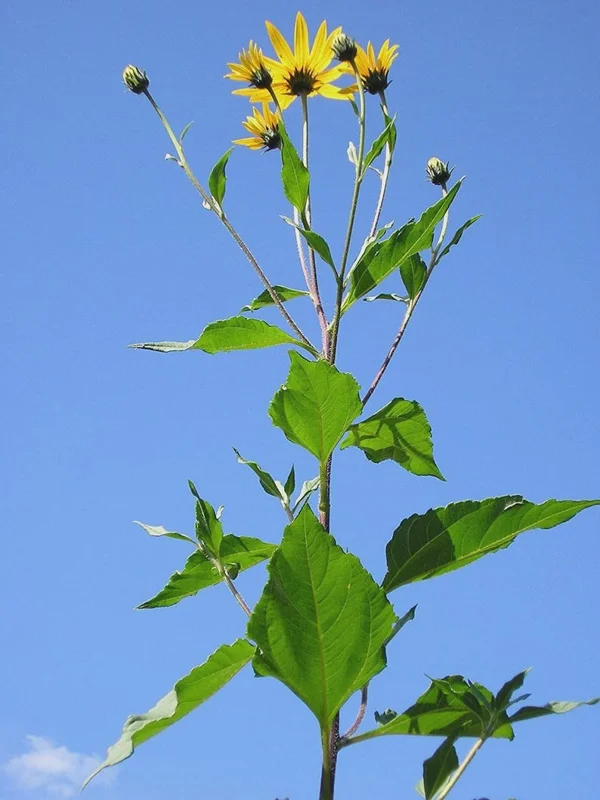
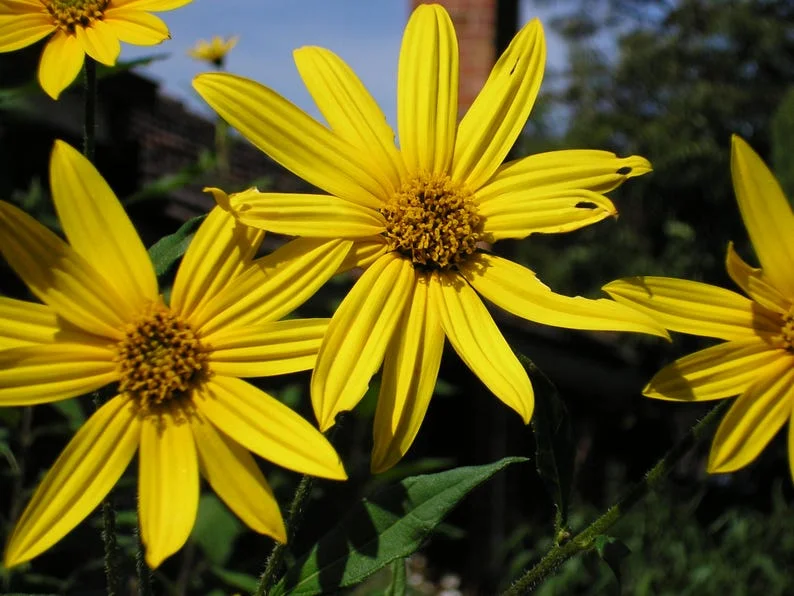
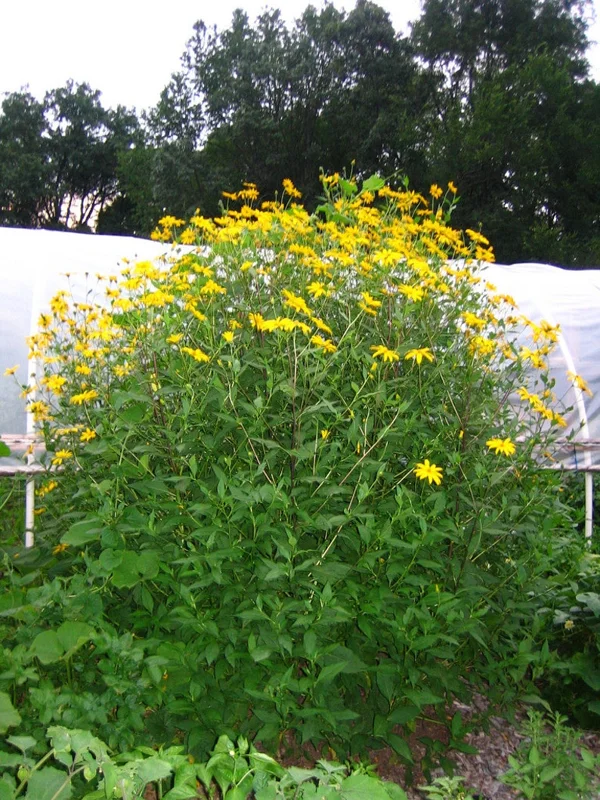
Sunchokes are highly valued for their resilience and adaptability, thriving in a wide range of climates and soil conditions. They produce tall, sunflower-like plants with cheerful yellow blooms, adding ornamental value to your garden before you even harvest their tasty tubers. Discover the joy of growing your own sustainable food source with these exceptional small sunchoke tubers.
Key Benefits
Growing sunchokes offers a multitude of benefits, from their nutritional value to their ease of cultivation. These versatile plants are a superb choice for any garden.
- Nutrient-Rich Harvest: Sunchokes are an excellent source of inulin (a prebiotic fiber), iron, potassium, and B vitamins. They are a healthy and delicious alternative to potatoes.
- Easy to Grow: These tubers are remarkably low-maintenance and forgiving, making them perfect for gardeners of all skill levels. They require minimal care once established.
- Perennial Production: Once planted, sunchokes will return year after year, providing a continuous supply of fresh tubers with little effort. This makes them a sustainable choice for your edible landscape.
- Ornamental Value: Beyond their edible tubers, sunchoke plants grow tall with bright yellow, sunflower-like blooms, adding a beautiful backdrop to your garden.
- Versatile Culinary Use: The tubers can be eaten raw, roasted, boiled, mashed, or added to soups and stews, offering a unique flavor profile that enhances many dishes. Explore new recipes with your homegrown organic sunchoke seed tubers.
- Soil Improvement: Sunchokes can help break up heavy soils with their extensive root systems, improving soil structure over time.
- Wildlife Attraction: The flowers can attract pollinators like bees and butterflies to your garden, contributing to a healthier ecosystem.
Plant Care & Growing Tips
Successful jerusalem artichoke planting and care are relatively simple, as these plants are known for their hardiness. Choose a location in your garden that receives full sun, meaning at least 6-8 hours of direct sunlight per day. While sunchokes can tolerate partial shade, full sun will result in a more robust plant and a larger tuber yield. Prepare your soil by ensuring it is well-draining, as soggy conditions can lead to tuber rot. Sunchokes are not particularly fussy about soil type but thrive in loose, fertile loam. Amend heavy clay soils with compost or organic matter to improve drainage and aeration.
Plant the organic sunchoke seed tubers about 3-5 inches deep and 12-18 inches apart, in rows that are 3 feet apart. Water thoroughly after planting. Once established, sunchokes are quite drought-tolerant, but consistent moisture, especially during dry spells and tuber development, will promote better growth. Avoid overwatering. Fertilization is generally not necessary in rich soil, but if your soil is poor, a balanced organic fertilizer can be applied at planting time. In zones where they are perennial, sunchokes can become quite vigorous, so consider planting them in an area where their spread can be managed, or in raised beds. Harvesting typically occurs after the first frost, which sweetens the tubers. Dig them up as needed throughout the fall and winter.
Size & Details
This offering includes a pack of 5 small sunchoke tubers, specifically selected for planting. Each tuber is approximately 1-2 inches in size, ensuring viable starts for your garden. Sunchoke plants typically grow quite tall, reaching heights of 5-10 feet, depending on conditions and variety. They have a moderate to fast growth rate, quickly establishing themselves and producing foliage. Tubers are usually ready for harvest 120-150 days after planting, typically in late fall. These tubers are shipped in a dormant state, ready to be planted upon arrival during the appropriate season. Expect a generous yield of edible tubers from these robust plants, providing a sustainable source for your kitchen. This is an excellent way to begin your edible tubers for garden project.
Frequently Asked Questions
- Q: How big do these sunchoke plants get? A: Sunchoke plants can grow quite tall, typically reaching heights of 5 to 10 feet, creating a beautiful, sunflower-like backdrop in your garden. Their height makes them suitable for planting along fences or at the back of garden beds.
- Q: Is this an indoor or outdoor plant? A: Sunchokes are primarily outdoor plants, thriving in full sun in a garden setting. They are not typically grown indoors due to their size and need for extensive root development for tuber production.
- Q: How much sunlight does it need? A: For optimal growth and tuber production, organic sunchoke seed tubers require full sun, meaning at least 6-8 hours of direct sunlight per day. They can tolerate partial shade but may have reduced yields.
- Q: Is this plant easy to care for? A: Yes, sunchokes are renowned for being very easy to care for. Once established, they are quite drought-tolerant and require minimal attention, making them great for beginner gardeners or those seeking low-maintenance crops.
- Q: What condition will the tubers arrive in? A: The small sunchoke tubers will arrive dormant and ready for planting. They are carefully packaged to ensure they remain healthy during transit, providing you with viable planting material.
- Q: Can I use these sunchokes in cooking? A: Absolutely! Sunchoke tubers are highly prized for their culinary versatility. They can be eaten raw, roasted, boiled, fried, or added to soups and stews, offering a unique sweet and nutty flavor.
- Q: When is the best time to plant these tubers? A: The best time for jerusalem artichoke planting is in early spring, after the last danger of hard frost has passed. This allows the tubers ample time to establish roots and grow throughout the season.
- Q: Will sunchokes survive winter in my zone? A: Sunchokes are very hardy and are perennial in USDA Zones 3-9. They are adapted to cold winters and will often overwinter successfully, regrowing from any tubers left in the ground.






Reviews
There are no reviews yet.