Overview
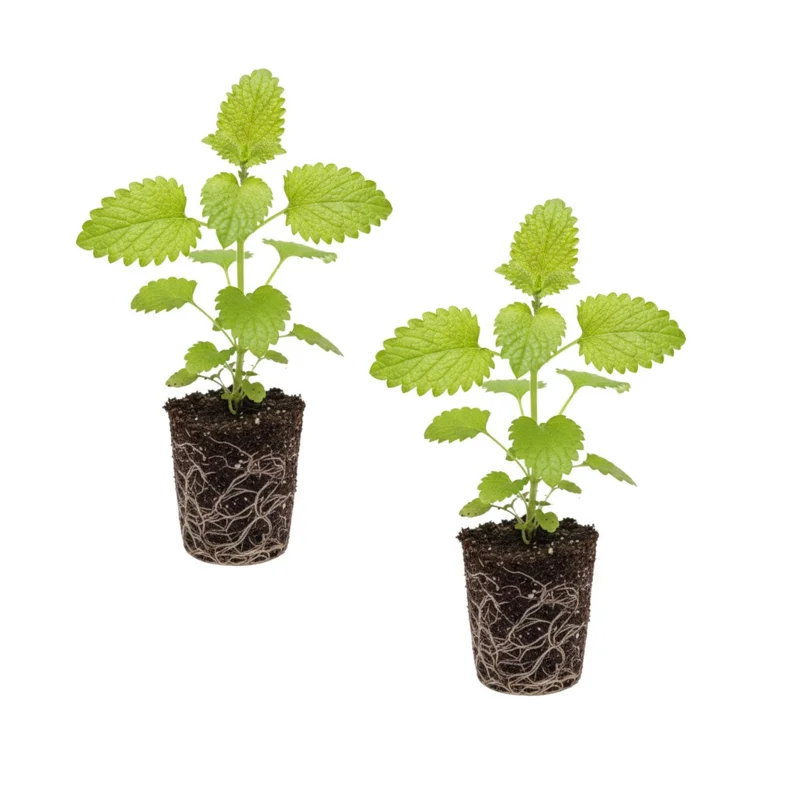
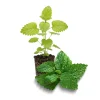
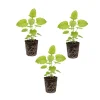
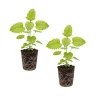
Introduce a touch of tranquility and fresh aroma to your living space with this delightful lemon balm live plant. Each order includes 2 lemon balm starter plants, ready to thrive in your home or garden. Melissa officinalis, commonly known as lemon balm, is a beloved herbaceous perennial from the mint family, Lamiaceae. Renowned for its soft green foliage and gentle, uplifting lemon scent, this plant is a fantastic addition for both its aesthetic appeal and aromatic qualities. Simply touching the leaves releases a clean, calming fragrance that can help create a serene atmosphere. These young, vigorous plug plants are an excellent starting point for anyone looking to cultivate fresh herbs, whether you’re a seasoned gardener or just beginning your green journey. The versatility of growing lemon balm indoors or outdoors makes it a popular choice for various settings, from sunny kitchen windowsills to patio containers.
Key Benefits
Cultivating a lemon balm live plant offers a multitude of advantages, enhancing both your environment and your well-being. Its easy-care nature combined with its delightful scent makes it a truly rewarding plant to grow. Discover why this herb is a must-have for any plant enthusiast:
- Calming Aroma: The leaves release a distinct, fresh lemon scent when touched, known for its calming and uplifting properties, making it perfect for relaxation. This fresh aroma is a hallmark of a healthy fresh lemon herb.
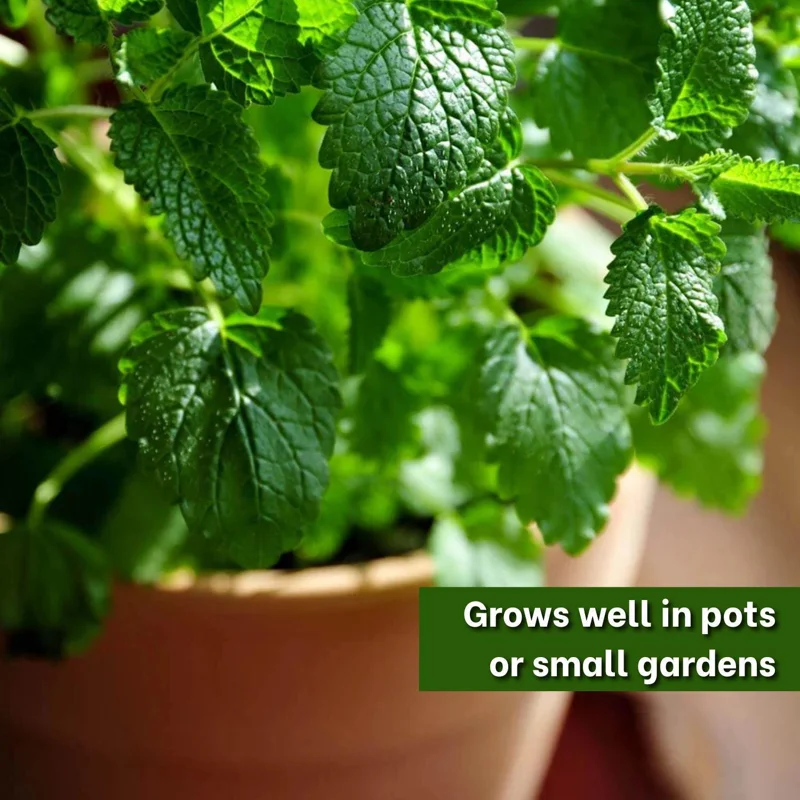
- Versatile Growth: This plant adapts well to various environments, thriving both indoors in pots on windowsills or balconies, and outdoors in garden beds or containers. It’s truly a flexible lemon balm starter plant.
- Easy to Care For: Ideal for beginners, lemon balm requires minimal fuss. It’s forgiving and resilient, making it a great choice for those new to gardening.
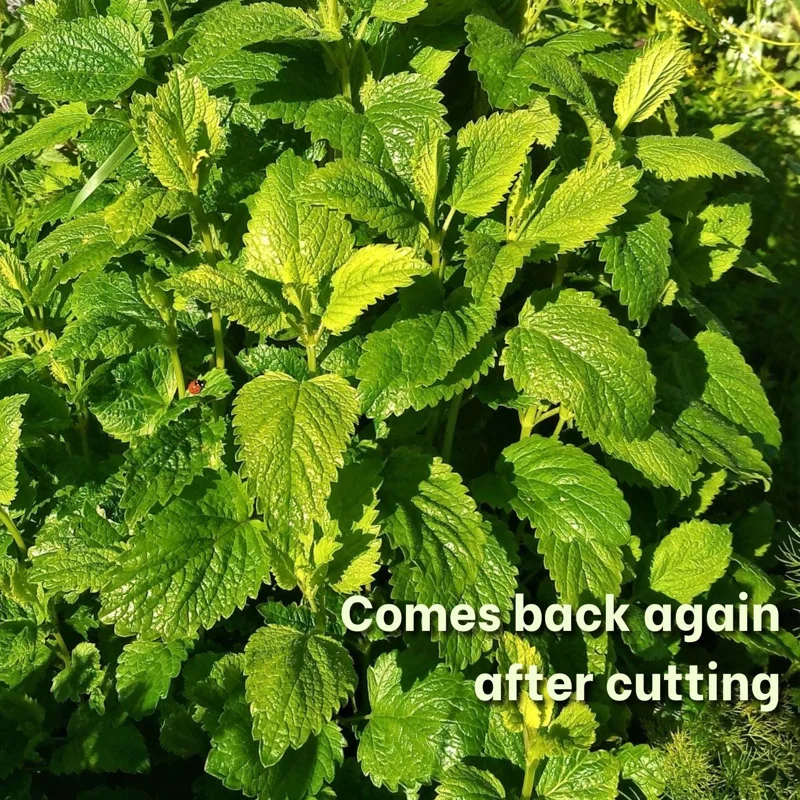
- Regenerative Growth: Lemon balm can be trimmed regularly, encouraging bushier growth and ensuring a continuous supply of fresh leaves. It grows back quickly after pruning.
- Aesthetic Appeal: With its soft green color and lush foliage, lemon balm adds a natural, clean, and calm look to any space.
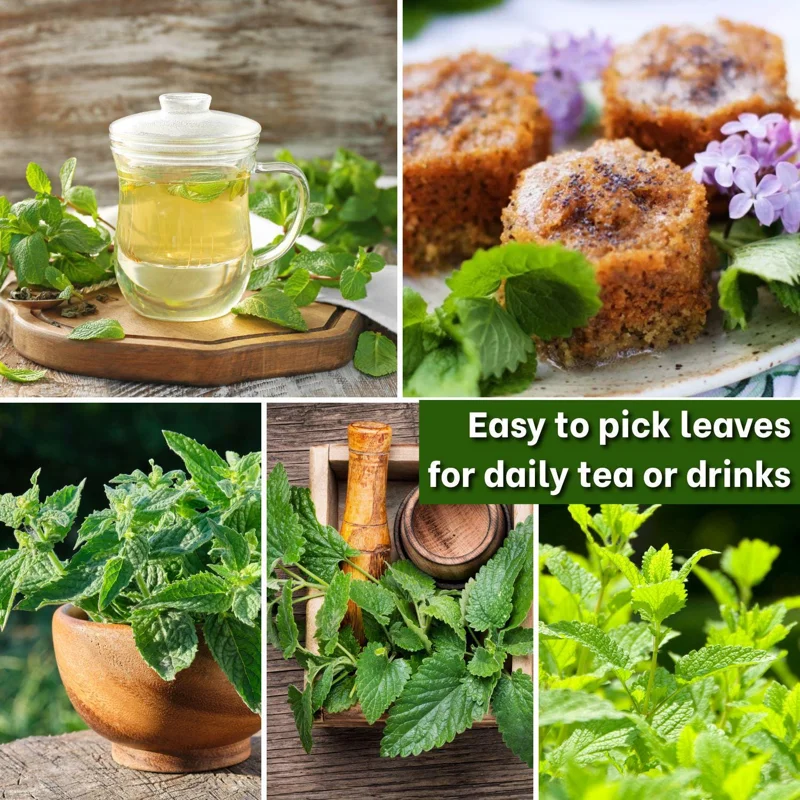
- Culinary Uses: While primarily known for its scent, lemon balm leaves can be used in teas, desserts, and savory dishes to impart a subtle lemon flavor.
- Attracts Pollinators: When grown outdoors and allowed to flower, lemon balm can attract beneficial pollinators like bees to your garden.
Plant Care & Growing Tips
Caring for your lemon balm live plant is straightforward, ensuring a rewarding experience for gardeners of all levels. Understanding its basic needs will help your plant flourish, whether you’re growing lemon balm indoors or out. Lemon balm is a hardy and adaptable herb, known for its resilience and ability to thrive with minimal intervention. Providing the right conditions will ensure a continuous supply of its fragrant leaves.
Sunlight: Lemon balm prefers bright light to partial sun. If growing indoors, place it near a window that receives several hours of bright, indirect light daily. Outdoors, it can tolerate full sun in cooler climates but appreciates some afternoon shade in hotter regions to prevent leaf scorch. Aim for at least 4-6 hours of sunlight for optimal growth and fragrance. Adequate light is crucial for a vibrant fresh lemon herb.
Watering: Keep the soil lightly moist, but avoid overwatering, which can lead to root rot. Water thoroughly when the top inch of soil feels dry to the touch. In warmer weather or when grown outdoors, you may need to water more frequently. Reduce watering in cooler months. Good drainage is key for this lemon balm live plant.
Soil: Lemon balm is not particularly fussy about soil, but it thrives in well-draining, fertile soil. A standard potting mix amended with some compost works well for container plants. For garden beds, ensure the soil is loose and drains effectively. A pH between 6.0 and 7.0 is ideal. The right soil provides a strong foundation for your lemon balm starter plant.
Temperature & Hardiness: This herb is quite tolerant of various temperatures. It is generally hardy in USDA zones 4-9. Indoors, average room temperatures (65-75°F or 18-24°C) are perfect. Outdoors, it can withstand mild frosts and will often die back in winter, only to re-emerge vigorously in spring. Protect outdoor plants from severe winter conditions if you are in a colder zone.
Fertilization: Lemon balm is not a heavy feeder. For container plants, a balanced liquid fertilizer diluted to half strength every 4-6 weeks during the growing season (spring and summer) is sufficient. Garden plants may only need a top-dressing of compost once a year. Over-fertilization can lead to leggy growth and reduced fragrance.
Pruning: Regular trimming is highly beneficial. Pinch back the stems to encourage bushier growth and prevent the plant from becoming leggy. Harvesting leaves frequently also serves as a form of pruning. If you wish to prevent self-seeding, cut back flower stalks before they go to seed. Consistent pruning ensures a healthy and productive lemon balm live plant.
Size & Details
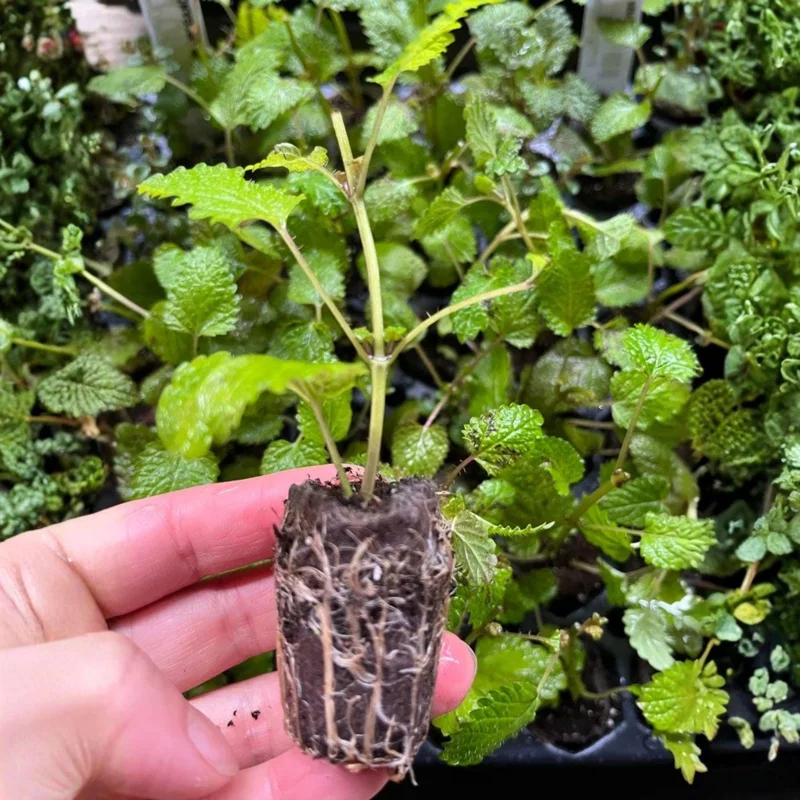
This offering includes 2 lemon balm live plant plug plants, providing a robust start for your herb garden. Each plug is a young, healthy specimen, typically 2-4 inches tall upon arrival, with an established root system ready for transplanting. These plants are shipped in their plug form, ensuring minimal shock during transit and easy integration into your chosen pot or garden bed. Lemon balm is a moderately fast grower, and with proper care, it can reach a mature height of 1-2 feet and a similar spread, forming a dense, bushy mound. It is a perennial herb, meaning it will return year after year, offering continuous enjoyment. Expect to see significant growth within a few weeks of planting, developing into a lush fresh lemon herb ready for harvest.
Frequently Asked Questions
- Q: How big does this plant get? A: A mature lemon balm live plant typically grows to about 1 to 2 feet tall and wide, forming a nice bushy shape. Its size can be managed with regular trimming and pruning.
- Q: What size pot does it come in? A: These are plug plants, meaning they are young, rooted seedlings grown in small individual cells, ready to be transplanted into a larger pot (such as a 4-6 inch pot) or directly into your garden bed upon arrival.
- Q: Is this an indoor or outdoor plant? A: Lemon balm is versatile and thrives both indoors and outdoors. You can enjoy growing lemon balm indoors on a sunny windowsill, or plant it in your garden or on a balcony.
- Q: How much sunlight does it need? A: This lemon balm starter plant prefers bright light to partial sun, ideally receiving 4-6 hours of sunlight daily. If indoors, a south or west-facing window is often best.
- Q: Is this plant easy to care for? A: Yes, lemon balm is known for being very easy to care for, making it an excellent choice for beginners and busy gardeners. It’s quite forgiving and resilient.
- Q: What condition will it arrive in? A: Your lemon balm live plant plugs will arrive carefully packaged, healthy, and ready for planting, with established root systems to ensure a smooth transition to their new home.
- Q: Can I use the lemon balm in cooking or tea? A: Absolutely! Lemon balm is a wonderful fresh lemon herb often used to make refreshing teas, flavor desserts, or add a subtle citrus note to various culinary dishes.
- Q: How often should I water my lemon balm? A: Keep the soil consistently lightly moist. Water when the top inch of soil feels dry to the touch, ensuring good drainage to prevent waterlogging.
- Q: Is lemon balm pet-safe? A: While generally considered non-toxic to pets, it’s always best to monitor pets around new plants. Consult with a veterinarian for specific concerns.
- Q: When is the best time to plant these lemon balm plugs? A: You can plant these plugs anytime after the last frost if planting outdoors. For indoor cultivation, they can be planted year-round.


Reviews
There are no reviews yet.