Overview
Cultivate tranquility and a refreshing atmosphere with our exquisite lemon balm live plant. This starter plug offers a delightful entry into the world of aromatic herbs, known scientifically as Melissa officinalis. Lemon balm is celebrated for its gentle, citrusy fragrance, reminiscent of fresh lemons, which instantly uplifts and calms any environment. It’s an ideal choice for both seasoned gardeners and those just beginning their green-thumb journey, thriving equally well in a sunny windowsill pot or an outdoor herb garden. This versatile herb not only adds a touch of natural beauty with its soft green leaves but also provides a continuous source of its beloved aroma, making it a wonderful addition to any home.
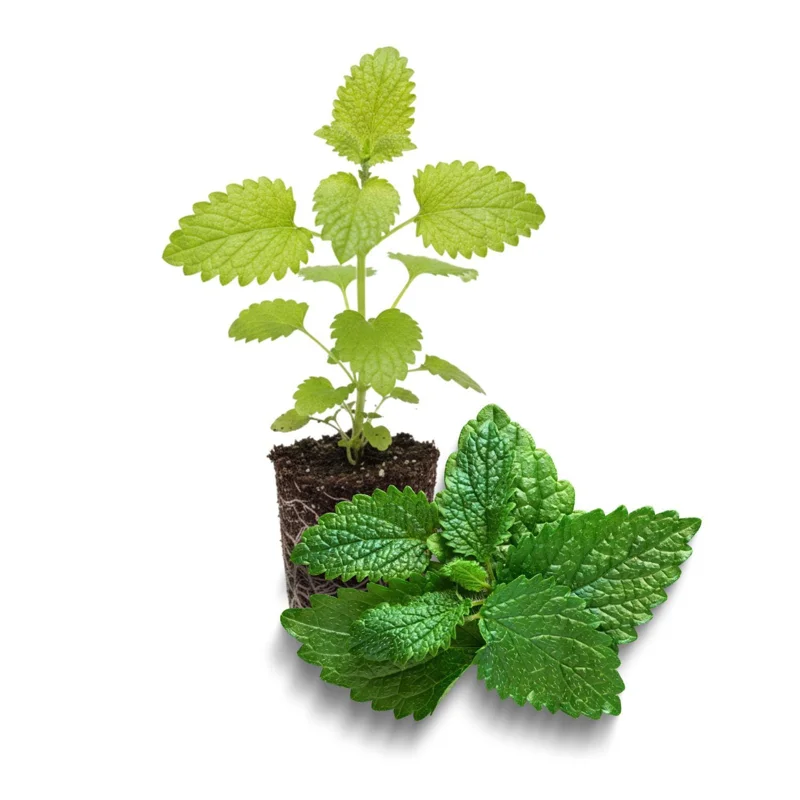
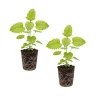
Our lemon balm live plant arrives as a healthy, robust starter, ready to be transplanted and begin its growth in your chosen location. Its resilience and adaptability make it a popular choice for various growing conditions, from compact indoor spaces to more expansive outdoor beds. The refreshing scent is released with just a gentle touch of its leaves, creating an inviting and serene ambiance. Experience the simple joy of nurturing a plant that offers both aesthetic pleasure and a wonderful sensory experience.
Key Benefits
Embrace the many advantages of incorporating a lemon balm live plant into your living space. This charming herb offers a multitude of benefits, from enhancing your home’s atmosphere to providing practical uses.
- Delightful Aroma: Enjoy a constant, natural fresh lemon scent that can help create a calming and clean atmosphere in any room. The fragrance is released with a gentle brush of the leaves, offering an instant mood boost.
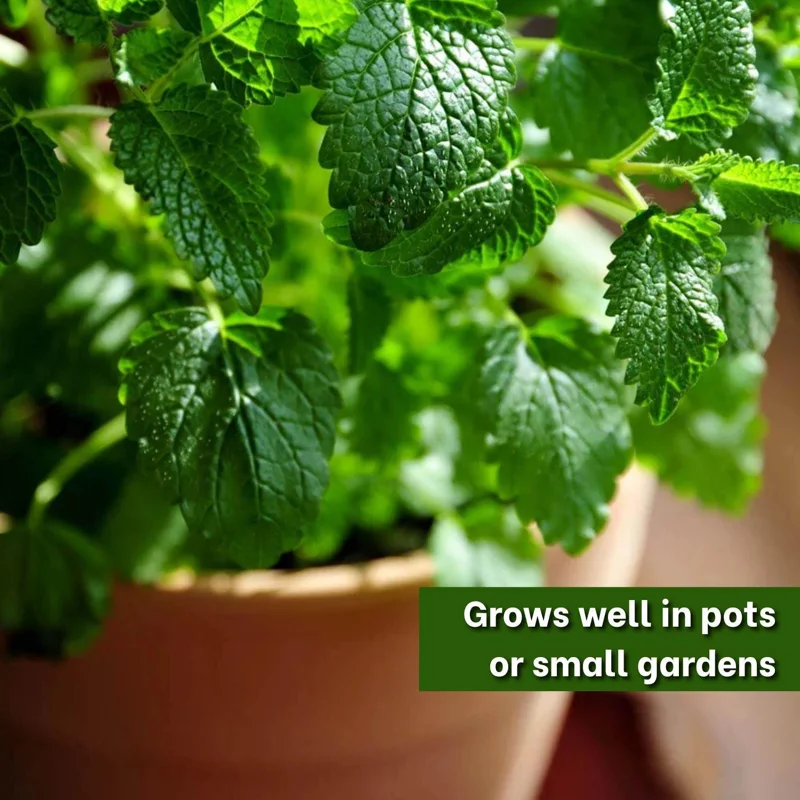
- Versatile Growing: This plant is highly adaptable, flourishing both indoors in pots or on windowsills, and outdoors in garden beds or containers. It’s perfect for urban dwellers or those with limited garden space.
- Easy to Care For: Known for its hardiness, the lemon balm live plant is an excellent choice for beginners. It requires minimal attention, tolerating various conditions once established, making plant care a breeze.
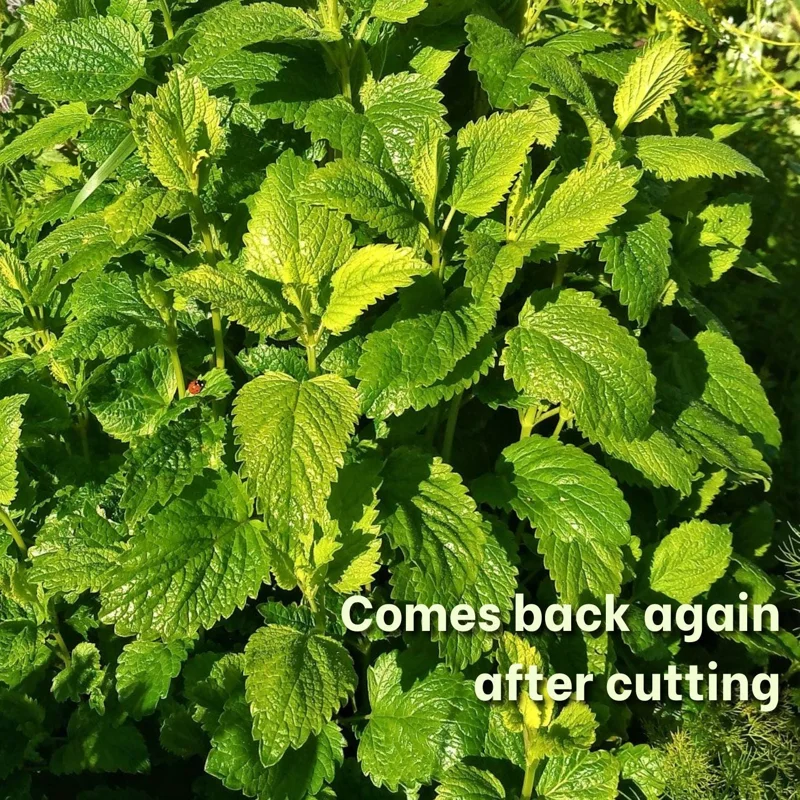
- Continuous Growth: Lemon balm can be regularly trimmed and harvested, encouraging new growth. This ensures a steady supply of fresh leaves for enjoyment and use throughout the growing season.
- Aesthetic Appeal: Its soft green foliage provides a soothing visual element, adding a touch of natural elegance to your decor. The gentle appearance complements various interior design styles.
- Natural Repellent: The strong citrus scent of lemon balm is often cited for its ability to naturally deter certain insects, making it a pleasant and functional addition to patios and outdoor seating areas.
- Promotes Well-being: Beyond its scent, lemon balm is traditionally associated with calming properties, contributing to a more relaxed and mindful daily life.
Plant Care & Growing Tips
Caring for your lemon balm live plant is straightforward, ensuring a rewarding experience with this aromatic herb. To help your fresh lemon scent herb thrive, follow these simple guidelines for optimal growth and health. Lemon balm is not overly fussy, making it a forgiving plant for those new to gardening. It appreciates consistency but can bounce back from minor neglect.
For sunlight, lemon balm live plant prefers bright light to partial sun. If growing indoors, place it near a south or west-facing window where it can receive at least 4-6 hours of bright, indirect light daily. Outdoors, it can handle full sun in cooler climates but benefits from some afternoon shade in hotter regions to prevent leaf scorching. When it comes to watering, the goal is to keep the soil lightly moist. Check the soil every few days; water when the top inch feels dry to the touch. Avoid overwatering, which can lead to root rot, but also prevent the soil from drying out completely, especially during warm weather. Good drainage is crucial, so ensure your pot has drainage holes.
Lemon balm is tolerant of various soil types but thrives best in well-draining potting mix that is rich in organic matter. A standard all-purpose potting mix works well for container growing. It’s generally hardy in USDA zones 4-9, meaning it can withstand cold winters in many areas, often dying back to the ground and regrowing in spring. Fertilize sparingly; a balanced liquid fertilizer diluted to half strength once a month during the growing season (spring and summer) is usually sufficient. Pruning is beneficial for promoting bushier growth and preventing the plant from becoming leggy. Regular harvesting of leaves also encourages new growth. Watch out for common pests like aphids, which can usually be managed with insecticidal soap or a strong spray of water. Providing proper care will ensure your lemon balm live plant continues to flourish and fill your home with its lovely fragrance.
Size & Details
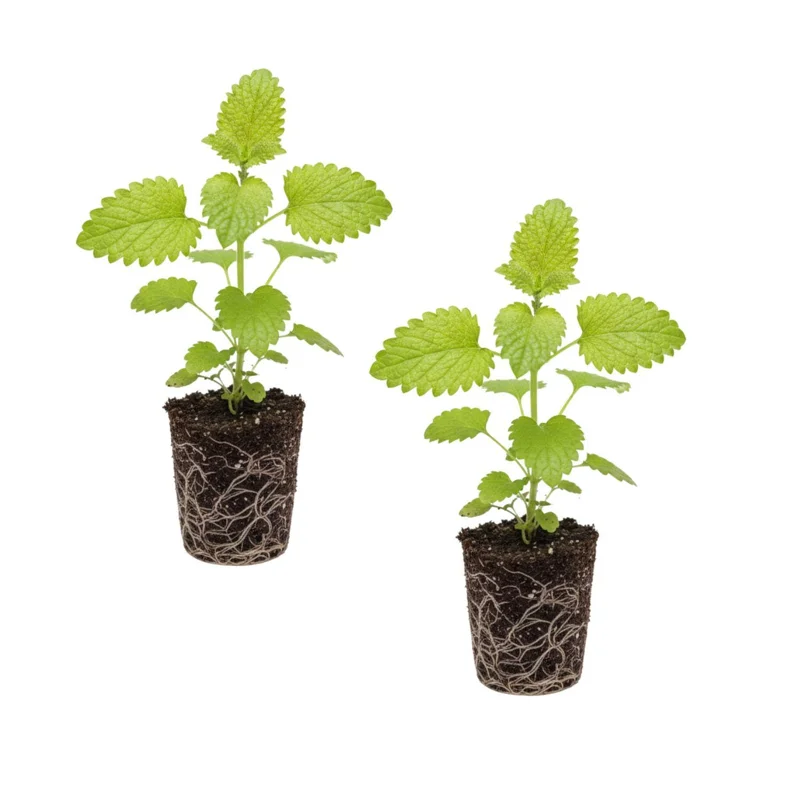
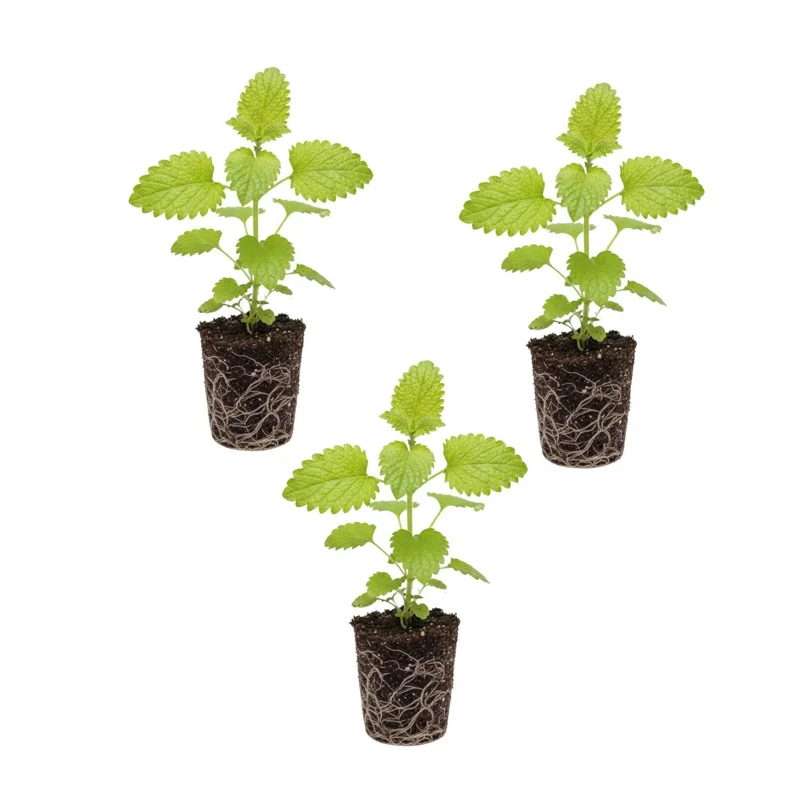
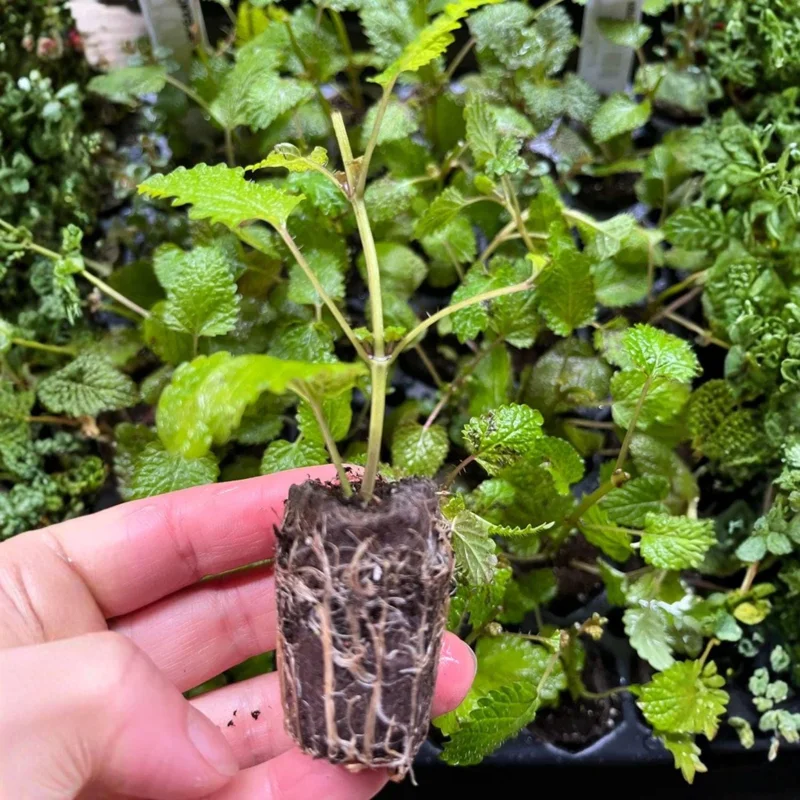
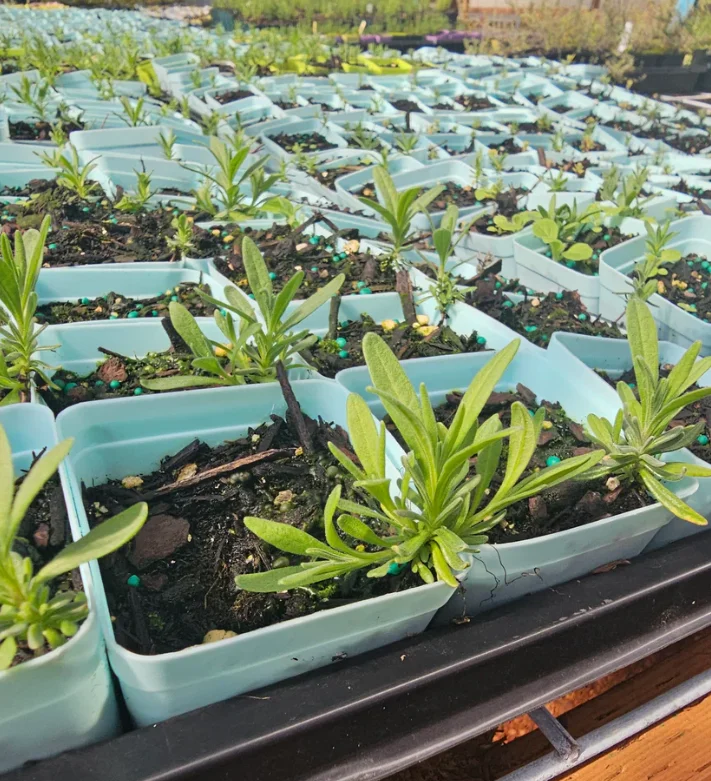
Your lemon balm live plant will arrive as a healthy starter plug, ready for transplanting into a larger pot or your garden bed. These plugs are typically robust young plants, approximately 2-4 inches tall, with established root systems to ensure a smooth transition. Lemon balm is a relatively fast-growing herb, and with proper care, it can quickly reach a mature height of 18-24 inches and spread similarly wide, forming a bushy mound of foliage. In ideal conditions, especially outdoors, it can grow even larger.
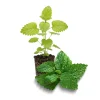
The plant will continue to fill out and produce its characteristic soft green, slightly crinkled leaves. While it does produce small white flowers in summer, it is primarily grown for its aromatic foliage. Expect your lemon balm starter to establish itself within a few weeks of planting and begin producing a noticeable scent. It’s a perennial in many zones, meaning it will return year after year, providing continuous enjoyment. The compact nature of the starter makes it easy to handle and plant, offering a convenient way to add this wonderful herb to your home or garden.
Frequently Asked Questions
- Q: How big does this lemon balm live plant get? A: With proper care, lemon balm can typically grow to a height of 18-24 inches and spread similarly wide, forming a bushy plant. It can become larger in optimal outdoor conditions.
- Q: Is this an indoor or outdoor plant? A: This fresh lemon scent herb is very versatile and can thrive both indoors as a potted plant near a bright window or outdoors in garden beds and containers.
- Q: How much sunlight does it need? A: Lemon balm prefers bright, indirect light to partial sun. If grown indoors, aim for 4-6 hours of bright light. Outdoors, it can handle full sun but benefits from afternoon shade in hot climates.
- Q: Is this plant easy to care for? A: Yes, lemon balm is known for being a very easy-care plant, making it an excellent choice for beginners and those looking for a low-maintenance herb. It’s quite forgiving.
- Q: What condition will the lemon balm starter arrive in? A: Your lemon balm will arrive as a healthy, well-rooted starter plug, carefully packaged to ensure its safe journey and readiness for planting.
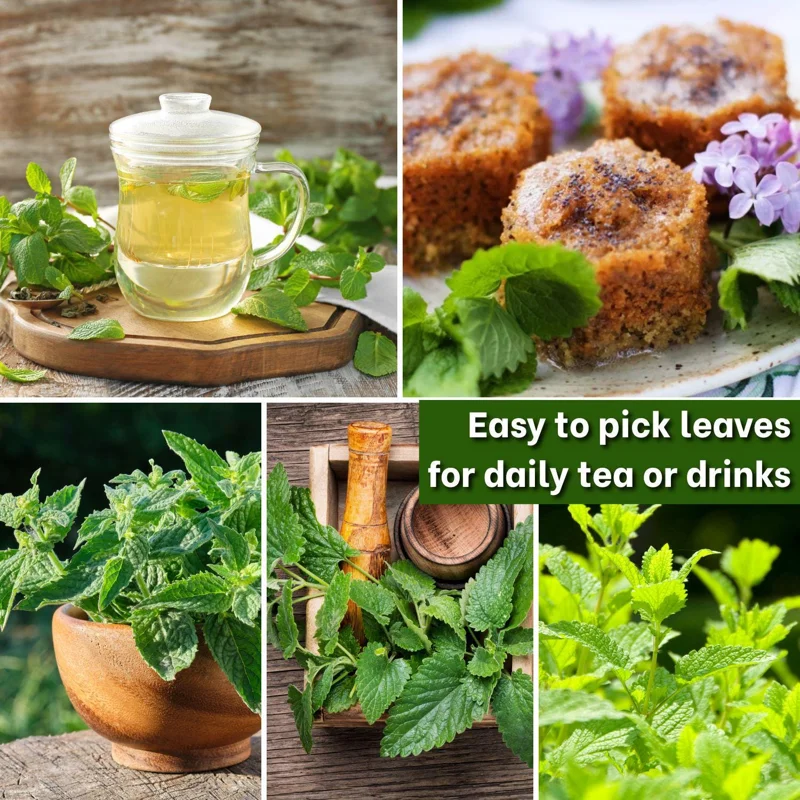
- Q: Can I use lemon balm in cooking or for tea? A: Absolutely! Lemon balm leaves are widely used in cooking, particularly in desserts, salads, and as a garnish. They also make a refreshing and calming herbal tea.
- Q: How often should I water my lemon balm live plant? A: Keep the soil lightly moist. Water when the top inch of soil feels dry to the touch. Avoid letting the plant sit in standing water, but also don’t let it dry out completely.
- Q: When is the best time to plant this lemon balm? A: You can plant this starter plug anytime indoors. If planting outdoors, spring after the last frost is ideal, but it can be planted throughout the growing season.
- Q: Will this plant survive winter in my zone? A: Lemon balm is perennial in USDA zones 4-9. In these zones, it will typically die back in winter and regrow from the roots in spring. In colder zones, it can be grown as an annual or brought indoors.
- Q: Is lemon balm invasive? A: While lemon balm can self-seed and spread vigorously in ideal outdoor conditions, it is generally not considered invasive in the same way some other plants are. Growing it in containers helps manage its spread.


Reviews
There are no reviews yet.