Overview
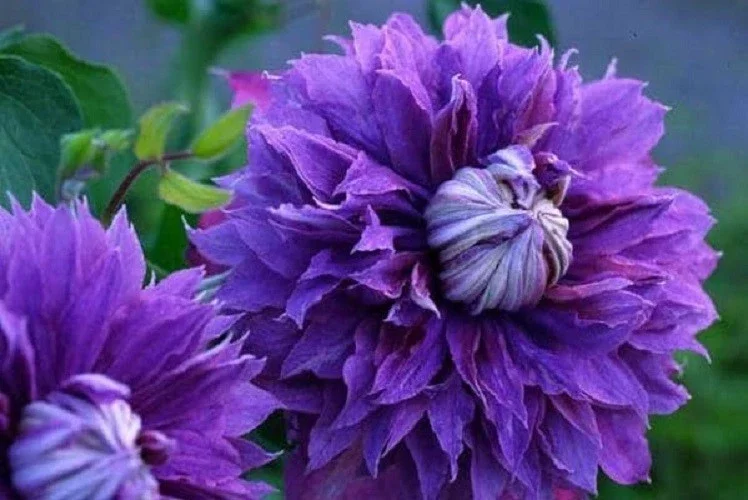
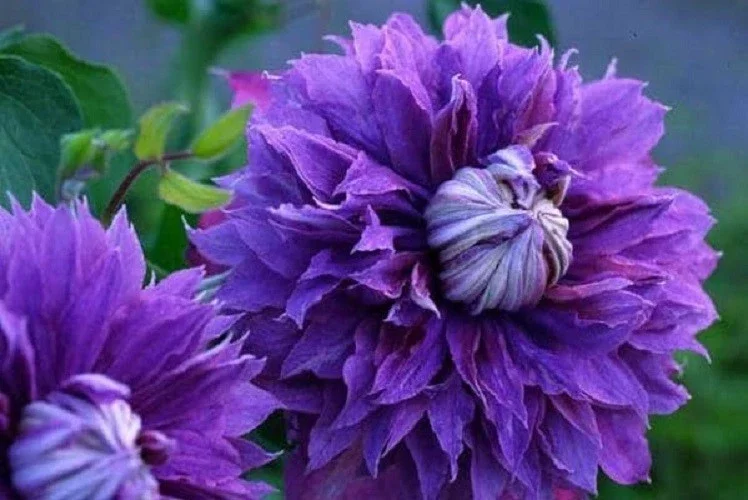
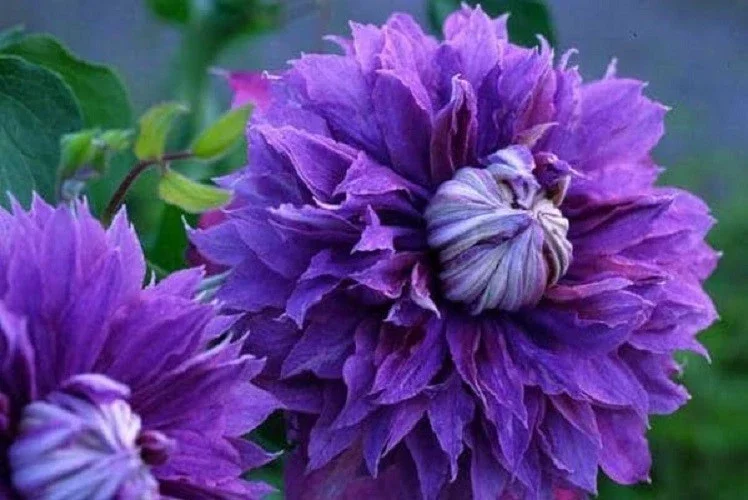
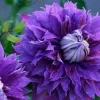
Cultivate a breathtaking garden display with our premium double purple clematis seeds. This offering provides 25 high-quality seeds, allowing you to grow these magnificent perennial flowering vines from scratch. Clematis, often referred to as ‘Queen of the Vines,’ is renowned for its spectacular blooms, and the double purple variety elevates this beauty with its rich, multi-layered petals. Each seed holds the promise of a vigorous plant that will adorn your garden with an abundance of deep purple flowers, creating a dramatic focal point. Growing clematis from seed is a rewarding experience, providing gardeners with the satisfaction of nurturing a plant from its very beginning into a mature, show-stopping vine. These seeds are perfect for gardeners looking to add a touch of elegance and vibrant color to their outdoor spaces.
Key Benefits
Our double purple clematis seeds offer numerous advantages for any gardening enthusiast, promising a rewarding and beautiful outcome for your landscape:
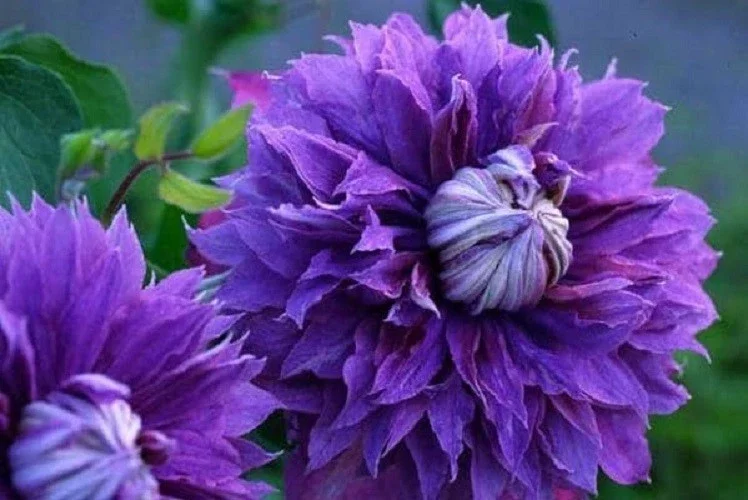
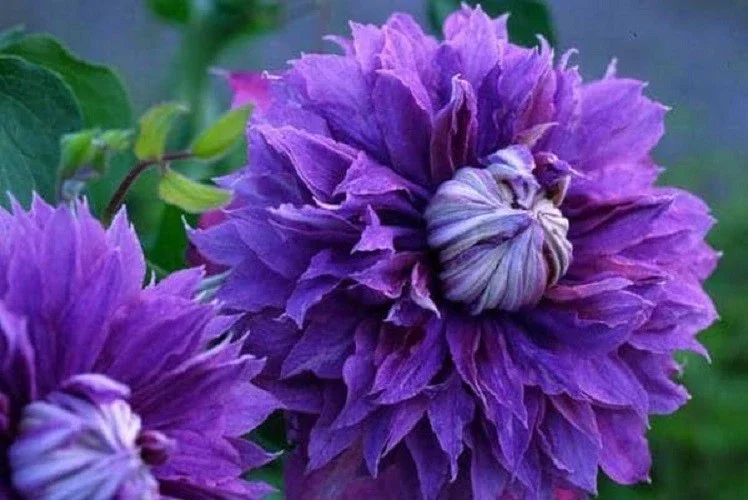
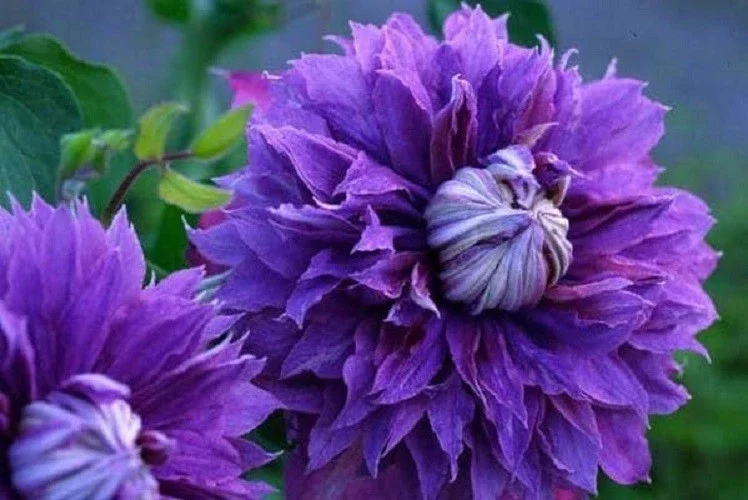
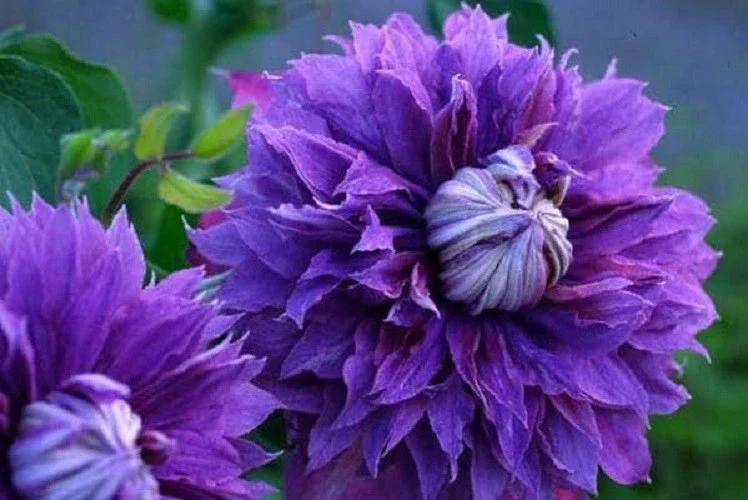
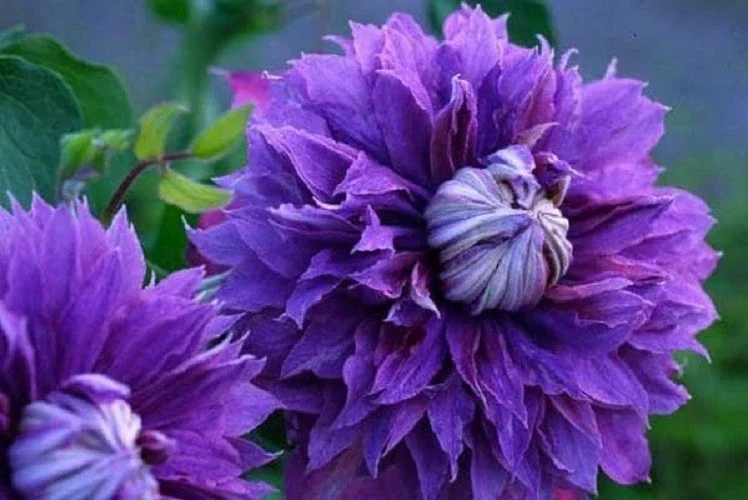
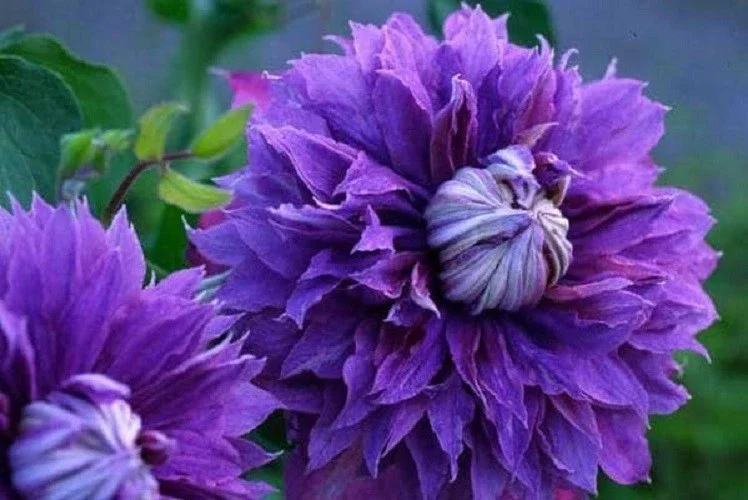
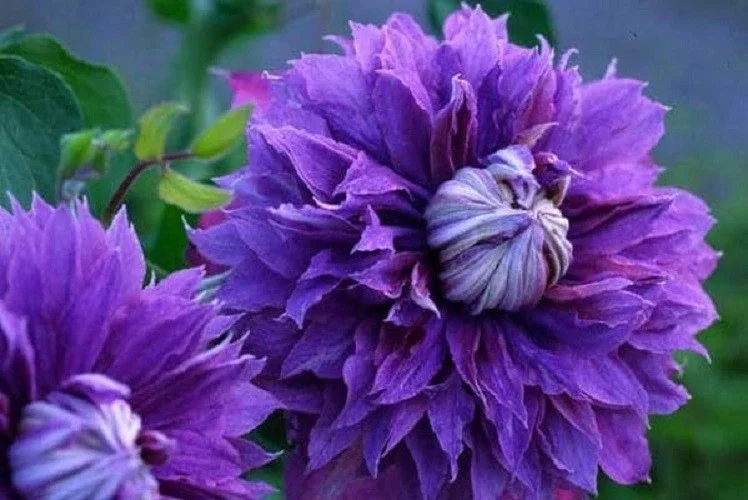
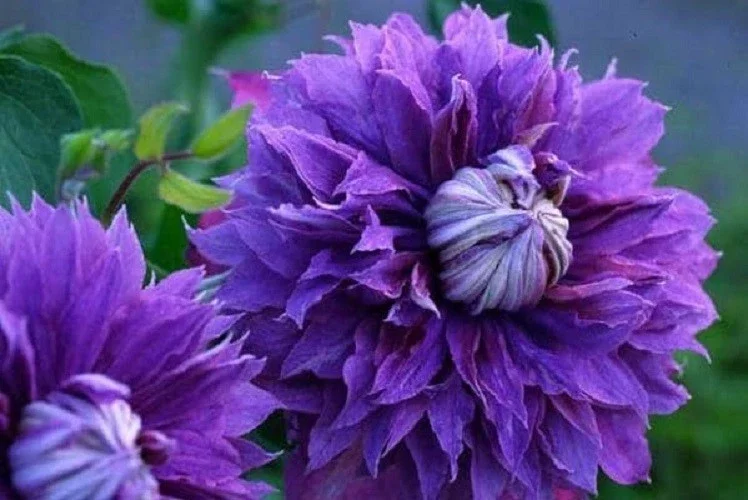
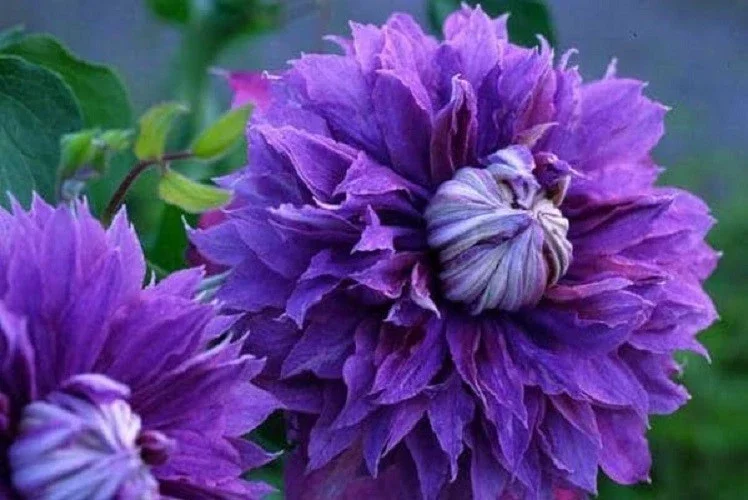
- Spectacular Double Blooms: Enjoy the unique beauty of double-petaled flowers with a rich, deep purple hue, adding an extra layer of elegance and visual interest compared to single varieties.
- Perennial Vigor: As perennial flower seeds, these clematis will return year after year, establishing a robust root system and providing reliable blooms without the need for annual replanting.
- Versatile Garden Use: Clematis vines are incredibly versatile, perfect for training on trellises, arbors, fences, or even growing through shrubs and small trees, adding vertical interest to any garden design.
- Attracts Pollinators: The vibrant flowers are not only beautiful to the human eye but also attract beneficial pollinators like bees and butterflies, contributing to a healthy garden ecosystem.
- Cost-Effective Gardening: Starting with seeds is a highly economical way to cultivate multiple clematis plants, allowing you to achieve a lush, full display for a fraction of the cost of purchasing mature plants.
- Sense of Achievement: There’s immense satisfaction in watching a plant grow from a tiny seed into a magnificent flowering vine, making the process of how to grow clematis from seed a truly fulfilling endeavor.
- Long Blooming Season: Many clematis varieties boast an extended blooming period, providing continuous color and beauty throughout much of the growing season.
Plant Care & Growing Tips
To successfully cultivate your double purple clematis seeds into thriving vines, understanding their specific needs is crucial. Clematis generally prefer a location where their ‘heads’ are in the sun and their ‘feet’ are in the shade. This means finding a spot that receives at least six hours of direct sunlight per day for the foliage and flowers, but where the base of the plant is kept cool and moist, perhaps by companion planting with low-growing perennials or by mulching heavily. The soil should be well-draining, rich in organic matter, and have a neutral to slightly alkaline pH. Before planting, consider amending heavy clay soils with compost and sand to improve drainage, or sandy soils with compost to enhance water retention.
Watering is key, especially during dry spells and in the first few years after planting. Keep the soil consistently moist but never waterlogged. Deep watering encourages the development of a strong root system. Fertilize your clematis in early spring with a balanced slow-release fertilizer, and again after the first flush of blooms. For optimal growth and flowering, a proper clematis care routine also includes pruning. Double clematis varieties typically bloom on both old and new wood. For Type 2 (early large-flowered) clematis, which many double purples are, prune lightly in late winter or early spring, removing dead or weak stems and shaping the plant. A more severe prune can be done every few years to rejuvenate the plant. Protecting the base of the plant with a thick layer of mulch in winter is beneficial in colder climates.
For those wondering about a comprehensive clematis planting guide, remember that patience is a virtue when germinating clematis seeds. They can be slow to sprout, sometimes taking months. Stratification (a cold period) often helps. After germination, provide young seedlings with bright, indirect light and gradually acclimate them to outdoor conditions before transplanting. Ensuring these conditions will set your plants up for success.
Size & Details
This package contains 25 double purple clematis seeds, providing an excellent opportunity to grow multiple vigorous vines. Each seed has the potential to mature into a stunning perennial clematis plant. While initial growth from seed is slow, mature clematis vines can reach impressive heights, typically growing between 8 to 12 feet tall, and sometimes even up to 15 feet, depending on the variety and growing conditions. The spread can be several feet wide, creating a lush curtain of foliage and flowers. Clematis are known for their moderate to fast growth rate once established, with blooms typically appearing within 2-3 years from seed. The flowers themselves are sizable, often measuring 4 to 6 inches across, showcasing their intricate double-petaled structure. These seeds are shipped as dried seeds in a protective packet, ready for planting.
Frequently Asked Questions
- Q: How long does it take for double purple clematis seeds to germinate? A: Clematis seeds can be slow to germinate, often taking anywhere from 3 weeks to several months, and sometimes even over a year. Patience and proper stratification are key to success.
- Q: Is this an indoor or outdoor plant? A: Clematis is primarily an outdoor plant, thriving in garden settings where it can climb. While young seedlings can be started indoors, mature plants require outdoor conditions to flourish.
- Q: How much sunlight does clematis need? A: Clematis prefers at least 6 hours of direct sunlight per day for its foliage and flowers, but its roots and base should ideally be kept cool and shaded.
- Q: Is this plant easy to care for? Is it good for beginners? A: While clematis requires specific conditions like well-draining soil and consistent moisture, and patience for germination, established plants are relatively low-maintenance. Following a good clematis care routine makes it manageable for intermediate gardeners, and determined beginners can certainly succeed.
- Q: What condition will the seeds arrive in? A: The seeds will arrive in a sealed packet, ensuring they are dry and protected, ready for stratification and planting.
- Q: When is the best time to plant clematis seeds? A: The best time to plant clematis seeds is typically in the fall or early winter, as they often require a period of cold stratification to break dormancy and encourage germination in spring.
- Q: What is the recommended USDA hardiness zone for clematis? A: Most clematis varieties, including many double purple types, are hardy in USDA Zones 4-9. Always check specific variety information for precise hardiness.





Reviews
There are no reviews yet.