Overview
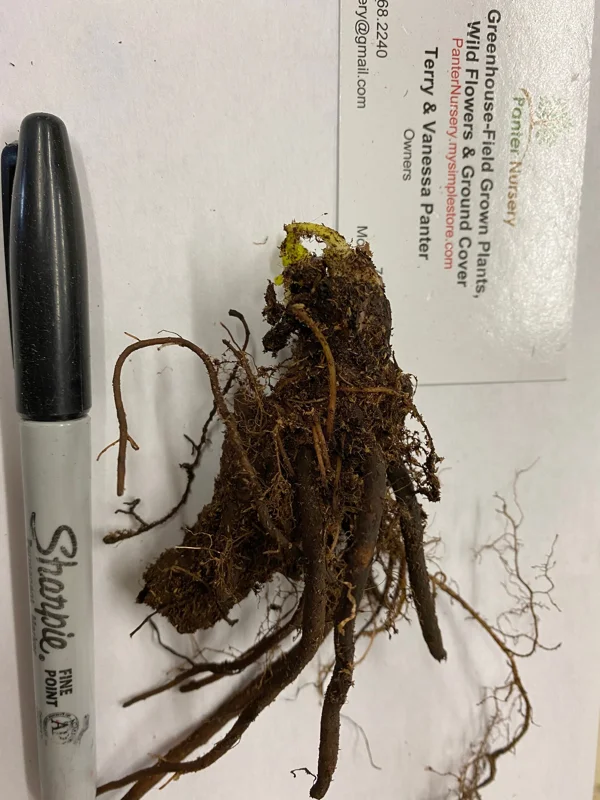
Introduce a touch of spring charm and native beauty to your garden with these premium celandine poppy bulbs. You are purchasing a pack of 5 Celandine Poppy bulbs, scientifically known as Stylophorum diphyllum, a delightful native perennial commonly referred to as the yellow wood poppy. These bulbs promise to transform shaded areas into a vibrant display of cheerful yellow flowers, blooming reliably in early spring. The Celandine Poppy is celebrated not only for its striking floral display but also for its attractive blue-green, lobed foliage, which adds texture and interest to the understory of trees and shrubs. Its ability to naturalize easily through self-seeding makes it an excellent choice for woodland gardens, native plant landscapes, and shaded borders where it can spread its beauty over time. This robust plant offers an effortless way to enhance biodiversity and provide early season nectar for pollinators, making it a valuable addition to any eco-conscious gardener’s collection. The distinctive yellow sap, historically used as a dye by Native Americans, adds another layer of intrigue to this fascinating plant.
Key Benefits
Planting celandine poppy bulbs in your garden offers a multitude of advantages, enhancing both the aesthetic appeal and ecological value of your outdoor space. These native perennials are an ideal choice for gardeners seeking low-maintenance yet high-impact plants.
- Vibrant Spring Blooms: Enjoy a spectacular display of 4-petaled, bright yellow flowers in early spring, providing much-needed color after winter’s dormancy. The cheerful hues of the yellow wood poppy are sure to uplift any shaded corner.
- Attractive Foliage: Beyond its flowers, the Stylophorum diphyllum boasts striking blue-green, deeply lobed leaves that are silvery on the underside, adding consistent visual interest throughout the growing season until it goes dormant.
- Naturalizing Capability: These plants readily self-seed under optimal conditions, allowing them to gently spread and create charming colonies, perfect for a naturalized woodland garden effect. This makes them a great long-term investment for your landscape.
- Low Maintenance: Once established, celandine poppy bulbs require minimal care, thriving in their preferred shaded, moist environments without constant attention. This makes them an excellent choice for busy gardeners or those new to native plants.
- Native Plant Benefits: As a native perennial, the Celandine Poppy supports local ecosystems, providing early spring resources for pollinators and contributing to the biodiversity of your garden. It’s a key component for a thriving native plant landscape.
- Historical Significance: The bright yellow sap of the stems was traditionally used as a dye by Native Americans, adding a rich cultural and historical dimension to this beautiful plant.
- Shade Garden Solution: Perfectly suited for challenging shaded areas where many other flowering plants struggle, offering a reliable and beautiful solution for those dimmer spots in your garden.
Plant Care & Growing Tips
Caring for your celandine poppy bulbs (Stylophorum diphyllum) is relatively straightforward, as these native plants are quite resilient when placed in their preferred growing conditions. The key to success lies in understanding their need for shade and consistent moisture. For optimal growth and prolific blooming, plant your yellow wood poppy bulbs in a location that receives part shade to full shade. This means areas that get dappled sunlight throughout the day or direct morning sun followed by afternoon shade are ideal. Avoid harsh, direct afternoon sun, which can scorch the delicate foliage and cause the plants to go dormant prematurely. These plants are hardy in USDA Zones 4-9, making them suitable for a wide range of climates across the US.
When it comes to soil, celandine poppy bulbs thrive in medium to wet, humusy soils. This means a rich, organic soil that retains moisture but still drains well is essential. Incorporating compost or other organic matter into your planting site will greatly benefit their growth. Consistent moisture is crucial, especially during their active growth period in spring. Do not allow the soil to dry out completely, as this can trigger early dormancy. If soils do dry out in early summer, the plants will naturally go dormant, reappearing the following spring. Fertilization is generally not heavily required for these native plants, especially if planted in rich, organic soil. However, a light application of a balanced, slow-release fertilizer in early spring can encourage more vigorous growth and blooming. Keep an eye out for slugs and snails, which can sometimes be a minor pest.
For successful establishment of your native perennial bulbs, ensure the planting depth is appropriate, typically about 2-3 inches deep with the growing point facing upwards. Spacing them 6-12 inches apart will allow for natural spread as they self-seed. Mulching around the plants with leaf litter or wood chips will help retain soil moisture, suppress weeds, and regulate soil temperature, mimicking their natural woodland habitat. With proper care, your Celandine Poppies will provide years of beautiful spring blooms and contribute to a healthy, vibrant shade garden ecosystem.
Size & Details
This offering includes 5 Celandine Poppy bulbs (Stylophorum diphyllum), ready to be planted in your garden. Once established, these charming native perennials typically grow to a height of 12-18 inches, forming attractive clumps of foliage and flowers. The spread is similar, allowing them to naturalize effectively over time. The vibrant yellow flowers, characteristic of the yellow wood poppy, emerge in spring, brightening up shaded areas. The plants will go dormant in early summer, especially if conditions become dry, and then return with renewed vigor the following spring. These bulbs are shipped ready for planting, ensuring a convenient start to your shade garden project. Expect to see initial foliage and blooms in the first growing season after planting, with more robust naturalization in subsequent years as they establish and self-seed. Their moderate growth rate makes them easy to manage in a variety of garden settings.
Frequently Asked Questions
- Q: How big does this plant get? A: The celandine poppy bulbs will grow into plants that typically reach 12-18 inches tall and spread about the same width. They form a lovely clump, perfect for naturalizing.
- Q: Is this an indoor or outdoor plant? A: The Celandine Poppy (Stylophorum diphyllum) is an outdoor perennial plant, best suited for shade gardens and woodland settings. It is not recommended for indoor cultivation.
- Q: How much sunlight does it need? A: This plant thrives in part shade to full shade. It prefers dappled light or morning sun with protection from harsh afternoon sun to prevent leaf scorch and premature dormancy.
- Q: Is this plant easy to care for? A: Yes, once established in the proper conditions (shade and moist, humusy soil), the yellow wood poppy is quite low-maintenance and easy to care for, making it suitable for gardeners of all experience levels.
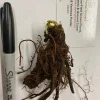
- Q: What condition will it arrive in? A: You will receive 5 Celandine Poppy bulbs, carefully packaged and ready for planting. Detailed planting instructions will be included with your order to ensure successful establishment.
- Q: How long until it blooms? A: Celandine Poppies typically bloom in early spring, usually from April to May, depending on your specific climate and planting time. They will often bloom in the first spring after planting.
- Q: When is the best time to plant celandine poppy bulbs? A: The best time to plant these bulbs is in the fall or early spring, allowing them to establish roots before the heat of summer or to emerge with the spring thaw.
- Q: Will it survive winter in my zone? A: Yes, celandine poppy bulbs are hardy in USDA Zones 4-9, meaning they are well-equipped to survive winters within these temperature ranges and return each spring.
- Q: Does this plant attract pollinators? A: Absolutely! As an early spring bloomer, the Celandine Poppy provides valuable nectar and pollen for early emerging pollinators, contributing to a healthy garden ecosystem.
- Q: What is the historical use of this yellow wood poppy? A: Historically, the bright yellow sap found in the stems of the Celandine Poppy was used by Native Americans as a natural dye, adding to the plant’s unique appeal and cultural significance.



Reviews
There are no reviews yet.