Overview
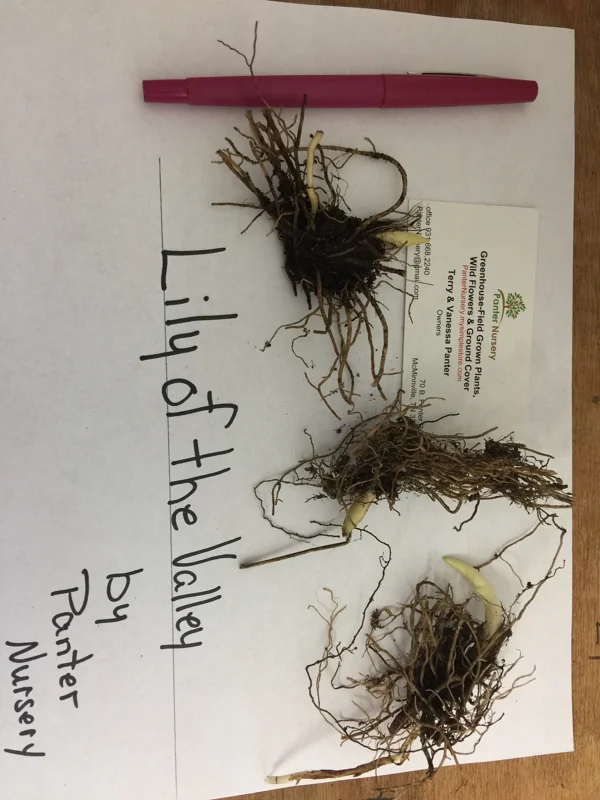
Transform your garden into a fragrant haven with our premium pack of lily of the valley rhizomes. You will receive 5 healthy rhizomes, ready to plant and flourish into the beloved Convallaria majalis, commonly known as May Bells. This classic perennial has graced gardens for centuries, admired for its delicate beauty and intoxicating sweet perfume. Often associated with spring, these charming plants produce nodding white, bell-shaped flowers that emerge on slender stems, creating a picturesque groundcover. Known for their ease of care and ability to naturalize, lily of the valley rhizomes are an excellent choice for adding elegance and a delightful aroma to shaded areas of your landscape. They are a timeless addition that promises to return year after year, bringing joy with their early spring blooms.
The history of the Convallaria majalis dates back thousands of years, making it a plant deeply rooted in tradition and admired across various cultures. Its resilience and striking appearance make it a favorite among gardeners seeking both beauty and low maintenance. These bare root plants are an economical and effective way to establish a lush, fragrant groundcover, particularly in spots where other flowering plants might struggle due to lack of sunlight. Experience the enduring charm and delightful fragrance that only Lily of the Valley can provide, turning ordinary garden spaces into extraordinary, aromatic retreats.
Key Benefits
Embrace the numerous advantages of incorporating these exquisite lily of the valley rhizomes into your garden. They offer a unique blend of aesthetic appeal, delightful fragrance, and remarkable resilience, making them a top choice for many gardeners:
- Exceptional Fragrance: Enjoy the iconic, sweet perfume of May Bells that fills the air in spring, creating a truly enchanting garden experience. The delicate aroma is a hallmark of this beloved perennial and adds a sensory dimension to any space.
- Beautiful Groundcover: These plants naturally form a spreading mass of medium-bright green, lance-shaped leaves, providing an attractive and effective groundcover solution for shaded areas. They suppress weeds and add lush texture.
- Easy to Grow Perennials: Known for their hardiness and minimal care requirements, lily of the valley rhizomes are incredibly easy to establish and maintain, thriving in a wide range of conditions. They are a perfect choice for gardeners of all experience levels.
- Long-lasting Blooms: The tiny white, bell-shaped flowers provide a stunning display in late spring to early summer, followed by attractive red seed pods that extend visual interest into the season. This prolongs the garden’s beauty even after the fragrant flowers fade.
- Shade Tolerant: Unlike many flowering plants, Lily of the Valley thrives in partial to full shade, making it an ideal candidate for those tricky, dimly lit spots under trees or on the north side of buildings. They bring vibrant life to areas often left bare.
- Cold Hardy: These resilient plants are perennial in USDA Zones 2-9, meaning they can withstand very cold winters and return reliably each spring, offering years of enjoyment without the need for replanting.
- Historical Significance: With a history spanning over 3000 years, growing these fragrant May Bells connects you to a rich botanical heritage, adding a unique story to your garden.
Plant Care & Growing Tips
Caring for your lily of the valley rhizomes is straightforward, ensuring a beautiful display with minimal effort. These hardy perennials are quite forgiving, but a few key practices will help them thrive and produce their signature fragrant blooms. When planting, choose a location with partial to full shade; while they can tolerate some morning sun, intense afternoon sun can scorch their leaves. The ideal soil for Convallaria majalis is well-draining, rich in organic matter, and consistently moist. Amend heavy clay soils with compost to improve drainage, and sandy soils with compost to retain moisture.
Watering is crucial, especially during dry spells and in their first growing season. Lily of the Valley prefers consistently moist soil but not waterlogged conditions. Aim for about an inch of water per week, either from rainfall or irrigation. Once established, they become more tolerant of varying moisture levels but will perform best with regular hydration. Fertilization is generally not heavily required for these easy to grow perennials. If your soil is poor, a light application of a balanced, slow-release granular fertilizer in early spring can be beneficial. Avoid over-fertilizing, as this can lead to excessive foliage growth at the expense of flowers.
Lily of the Valley is remarkably cold-hardy, thriving in a wide range of climates from USDA Zones 2-9. They are quite resistant to most pests and diseases. However, be aware that they can spread vigorously, so consider planting them where their expansion can be managed, such as within a border or in an area where they can naturalize freely. After flowering, the plants will produce small red seed pods, which are also attractive but can be removed if you wish to prevent excessive self-seeding. With these simple care tips, your shade garden plants will flourish, providing a beautiful and fragrant display for many springs to come.
Size & Details
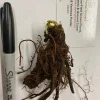
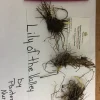
This offering includes 5 Lily of the Valley rhizomes, which are bare root plants ready for immediate planting. Each rhizome is a robust, dormant root structure, ensuring a strong start for your new plants. Upon maturity, the plants typically reach a height of 4 to 8 inches, with their charming bell-shaped flowers emerging on slightly taller stems. The lance-shaped leaves are generally 3 to 5 inches wide, creating a dense, lush carpet. Lily of the Valley is known for its moderate to fast growth rate, quickly forming a spreading mass that can cover an area effectively over time. These perennial plants are shipped in their dormant state, which is the optimal time for transplanting and minimizes shock, allowing them to establish quickly in your garden.
Expect to see foliage emerge in early spring, followed by the appearance of the distinctive fragrant May Bells. While the initial year may focus on root establishment, established plants will reliably bloom each spring. These rhizomes are perfect for naturalizing, creating borders, or adding a touch of classic beauty under trees and shrubs. The red seed pods that form after flowering provide continued visual interest, making these plants attractive even when not in bloom. Their ability to remain perennial in a wide range of USDA Zones 2-9 ensures they will be a long-lasting and cherished component of your garden landscape.
Frequently Asked Questions
- Q: How big do these Lily of the Valley plants get? A: Mature lily of the valley rhizomes typically grow to a height of 4 to 8 inches, with the flower stems reaching similar heights. The leaves are generally 3 to 5 inches wide, forming a dense groundcover.
- Q: Is this an indoor or outdoor plant? A: Lily of the Valley is primarily an outdoor plant, ideal for garden beds, borders, and naturalized areas. It thrives in shaded outdoor environments and is not typically grown as an indoor houseplant.
- Q: How much sunlight does Lily of the Valley need? A: These shade garden plants prefer partial to full shade. While they can tolerate some morning sun, they should be protected from intense afternoon sun, which can scorch their delicate leaves.
- Q: Is this plant easy to care for? A: Yes, Lily of the Valley is considered one of the easy to grow perennials. Once established, it requires minimal maintenance, making it suitable for both experienced and beginner gardeners.
- Q: What condition will the rhizomes arrive in? A: You will receive 5 dormant lily of the valley rhizomes, which are bare root plants. This is the optimal state for shipping and planting, ensuring they establish well in your garden.
- Q: When is the best time to plant Lily of the Valley rhizomes? A: The best time to plant these rhizomes is in the fall or early spring. This allows the roots to establish before the heat of summer or the deep cold of winter.
- Q: Will Lily of the Valley survive winter in my zone? A: Yes, these plants are exceptionally cold-hardy and are perennial in USDA Zones 2-9, meaning they will reliably return each spring even after harsh winters.
- Q: What type of soil do these plants prefer? A: Convallaria majalis thrives in well-draining soil that is rich in organic matter and consistently moist. Amending with compost is beneficial for most soil types.
- Q: Do these plants have a fragrance? A: Absolutely! Lily of the Valley is renowned for its strong, sweet, and delightful fragrance, earning it the nickname fragrant May Bells. The aroma is most noticeable in late spring when the flowers bloom.
- Q: Can Lily of the Valley spread aggressively? A: Yes, Lily of the Valley is known for its ability to spread and naturalize. While this makes it an excellent groundcover, it’s wise to plant it where its spread can be appreciated or managed, such as in contained areas or under large trees.





Reviews
There are no reviews yet.