
Plant Care Expert Guides
How to Grow Wild Huckleberries: A Guide to Purple Gold
Mar
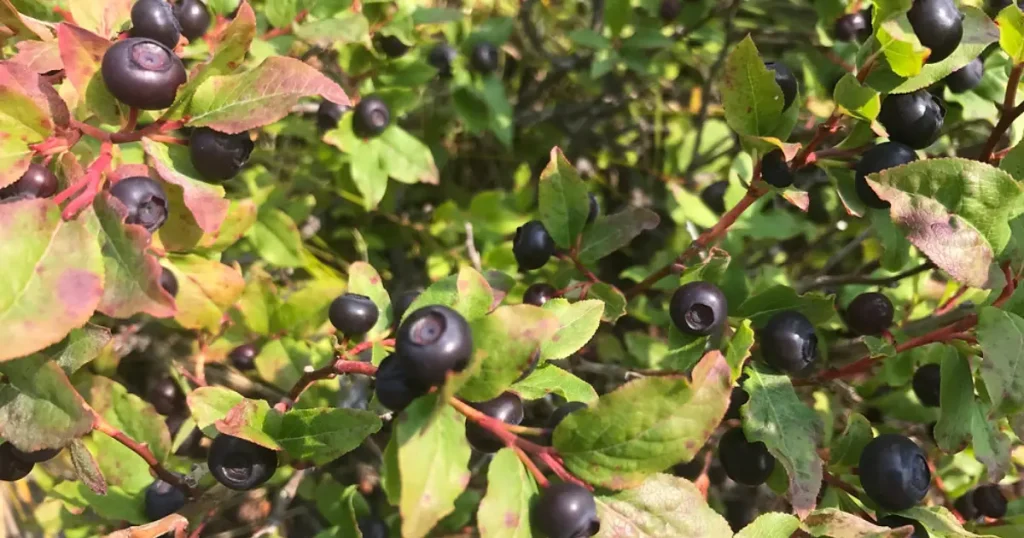
Have you ever spent an entire afternoon hiking up a steep mountain trail, swatting away mosquitoes, just to find that one hidden patch of wild huckleberries? If you have, you know that the first explosion of tart-sweet juice on your tongue makes every mile worth it. But then comes the inevitable question: Why can’t I just grow these in my backyard? Why is it that we can find blueberries in every grocery store, but huckleberries remain this elusive, expensive mystery?
If you have tried and failed to grow them before, you are not alone. Most gardeners treat huckleberries like blueberries, and that is exactly where the trouble starts. Huckleberries are the wild rebels of the berry world. They do not want to be farmed; they want to be understood.
As someone who has spent years transitioning wild mountain species into home landscapes, I can tell you that growing “Purple Gold” is entirely possible. You just have to stop thinking like a traditional gardener and start thinking like a forest.
Read more: Wild Huckleberry: The Rare Superfruit That Beats Blueberries
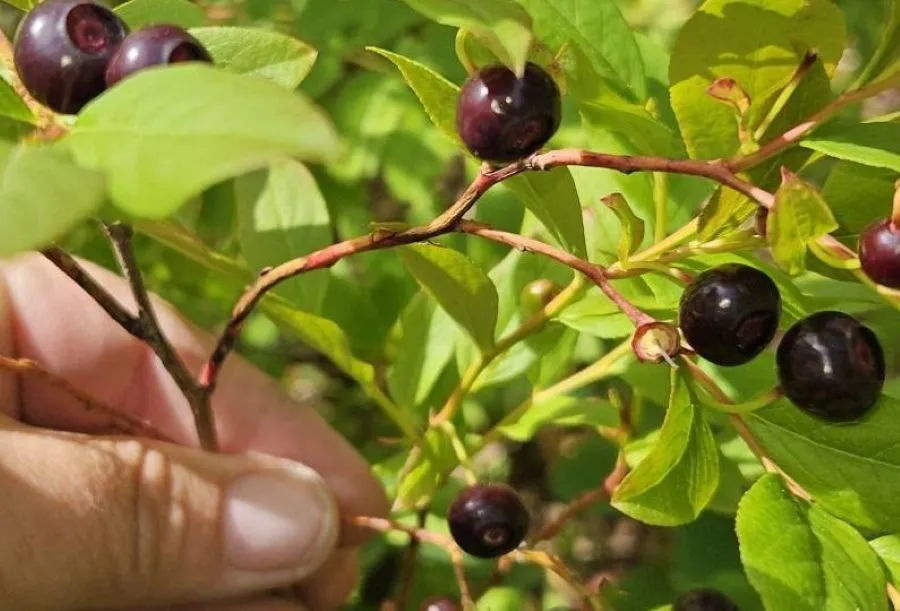
Let’s be honest: trying to grow huckleberries from seed is a test of patience that most of us will fail. In the wild, huckleberry seeds often need to pass through the digestive system of a bear or sit under the feet of snow for months just to wake up. Even then, they grow at a glacial pace.
If you want to see fruit in your lifetime, you need to start with a nursery-established huckleberry plant. But here is the catch: you aren’t just buying a shrub. You are buying a head start on a decade-long relationship. When you bring home a woody, well-rooted Vaccinium membranaceum, you are skipping the three to five years of “infant mortality” that kills most DIY projects. You are buying an established root colony that is ready to anchor itself into your soil.
What Your Wild Huckleberry Plant Needs
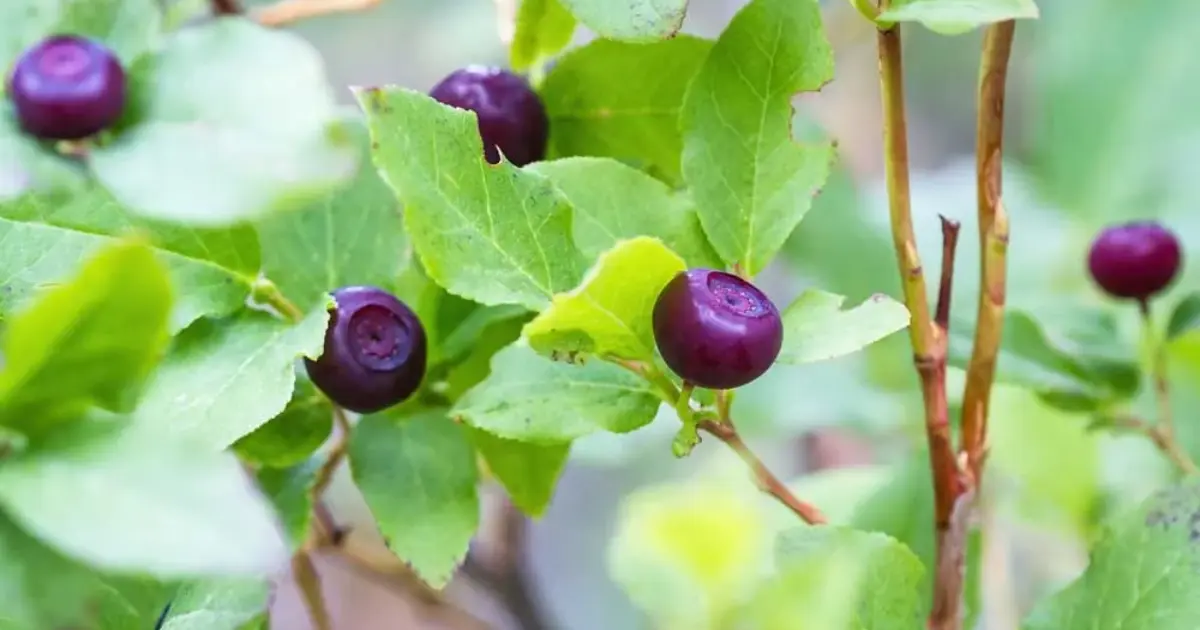
In the wild, huckleberries live in a very specific environment: the Pacific Northwest sub-alpine zones or the high-elevation forests of the Rockies. To grow them in a suburb in Ohio or a backyard in Seattle, you have to recreate that “mountain micro-climate.”
The Sunlight Balance
Most fruit bushes want 10 hours of blazing sun. Huckleberries will shrivel and die in those conditions. They are understory plants. They love what I call “high-definition shade.” This means they want bright, indirect light—the kind that filters through tall pine trees.
If you live in a hot climate, place your huckleberries where they get gentle morning sun but are completely shielded from the brutal 2:00 PM heat. If the leaves start to look bronze or crispy at the edges, your plant is telling you it’s getting sunburnt.
The Acidic Secret
This is the single most important factor. If your soil pH is 7.0 (neutral), your huckleberry is a dead plant walking. These plants do not just like acid; they breathe it. They need a soil pH between 4.3 and 5.2.
Most backyard soil is far too “sweet” or alkaline for them. To fix this, you cannot just sprinkle a little coffee grounds on top and hope for the best. You need to mix in heavy amounts of peat moss, elemental sulfur, and pine bark fines. Think of it as building a “volcanic floor” in your garden.
Pro Tip: If you aren’t sure about your soil, grow them in a large cedar planter. It is much easier to control the pH in a container than it is to fight the geology of your entire neighborhood.
Planting Wild Huckleberries
When your plant arrives, it might look a bit rugged. That is normal. These are wild mountain plants, not manicured ornamental boxwoods.
Your plant has likely been in a greenhouse or a shipping box. Do not put it in the ground the day it arrives. Let it sit in a shady spot outside for a few hours a day, gradually increasing its exposure. This prevents “transplant shock,” which is the leading cause of death for huckleberry saplings.
Huckleberries have very fine, hair-like roots that grow horizontally near the surface to catch falling rain and decaying leaves. Do not dig a deep, narrow hole. Dig a wide, shallow one.
Once planted, you must mulch. Use pine needles or wood chips. This keeps the “feet” of the plant cool and moist, mimicking the thick layer of organic debris found on a forest floor.
Growing Wild Huckleberries
Watering
Keep the soil consistently moist but never soggy. Huckleberries love humidity. During the first two years, don’t let the soil dry out completely. I like to use rainwater if possible, as tap water is often too alkaline and can slowly shift your soil pH away from the “sweet spot.”
Feeding
Stay away from standard garden fertilizers! Use a fertilizer specifically designed for acid-loving plants (like azalea or rhododendron food). Apply it sparingly in early spring. Over-fertilizing will give you plenty of leaves but zero berries.
Troubleshooting Common Issues
Even with the best intentions, things can go sideways. Here is what to look for:
Yellow leaves with green veins: This is iron chlorosis. It usually means your soil pH has climbed too high, and the plant can no longer “eat” the nutrients in the dirt. Add an acidifying liquid fertilizer immediately.
The “Bird Problem”: Birds have a sixth sense for when huckleberries turn purple. Once you see the first hint of color, get some lightweight netting. Otherwise, you will wake up to a bare bush and very happy robins.
Slow Growth: Do not panic if your plant doesn’t double in size the first year. Huckleberries spend their energy building a massive underground network of rhizomes before they focus on growing taller.
Harvesting Your Purple Gold
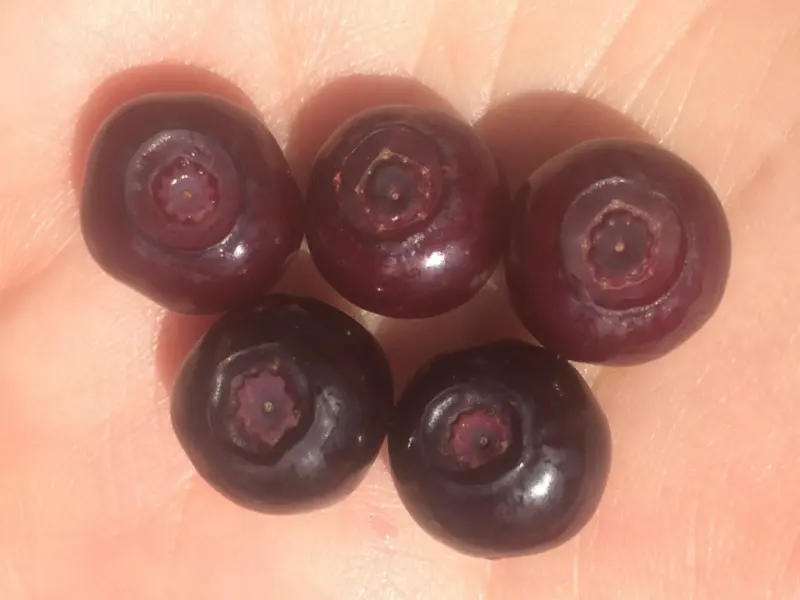
The hardest part of growing huckleberries is the wait. A berry will turn purple long before it is actually sweet. If you pick it as soon as it changes color, it will be tart and woody.
Wait until the berry is soft to the touch and has a matte, dusty appearance rather than a shiny one. When they are truly ripe, they should practically fall into your hand with a gentle tickle.
And a fair warning from a friend: wear old clothes. Huckleberry juice is essentially permanent ink. It will stain your fingers, your favorite t-shirt, and your deck. But once you taste that first handful over a bowl of vanilla ice cream, you won’t care about the stains.
Frequently Asked Questions (FAQs)
Are huckleberries just wild blueberries? Close cousins, but no. Huckleberries have larger seeds and a much more complex, intense flavor profile that blueberries can’t match.
How long until I get fruit? If you start with a 1-2 year old live plant, you might see a few berries in the second year, but the “real” harvest usually kicks in by year three or four.
Can I grow them in a pot? Absolutely! In fact, it’s the best way to manage the acidic soil they crave. Just make sure the pot is large and stays cool.
Do I need to plant two bushes for pollination? Technically, most wild huckleberries are self-fertile, but I always recommend a “buddy system.” Planting two or more bushes leads to cross-pollination, which consistently results in larger berries and much heavier yields. Think of it as insurance for your future pies.
Can I keep them in containers permanently? Absolutely. In fact, if your backyard soil is heavy clay or alkaline, a large cedar or ceramic pot is actually safer. It allows you to maintain those finicky 4.5 pH levels without fighting your local geology. Just ensure the pot is well-insulated to keep those sensitive mountain roots cool.
What is the real difference between a huckleberry and a blueberry? Flavor and grit. Huckleberries pack a far more intense, tart-sweet punch than the average blueberry. They also have slightly larger, crunchy seeds and a thicker skin, which helps them hold their shape and flavor perfectly during baking.
How do I know the berries are truly ripe? Patience is key here. A huckleberry will turn purple long before it’s sweet. Wait for the fruit to turn a deep, matte purple-black (no longer shiny) and feel slightly soft to a gentle squeeze. If you have to tug hard, it’s not ready.
My plant lost all its leaves in winter—is it dead? Not at all! Vaccinium membranaceum is deciduous. It drops its leaves to survive the winter chill. As long as the stems remain supple and don’t snap like dry kindling, your plant is just sleeping and will wake up with fresh green shoots in the spring.
Conclusion
Growing wild huckleberries is not about instant gratification. It is a slow, rewarding process of bringing a piece of the wild into your daily life. By respecting their need for acid, managing their sun exposure, and starting with a strong, established plant, you are setting yourself up for a lifetime of gourmet harvests that you simply cannot buy at a store.
It takes a little more effort than growing a tomato, but the first time you make a huckleberry pie with fruit from your own backyard, you will realize why this plant is called Purple Gold.
