Plant Care Expert Guides
How to Grow Your Own Scotch Bonnet Peppers (From Live Plants)
Mar
Growing Scotch Bonnet peppers is an incredibly vibrant and spicy journey, bringing the true soul of the Caribbean right into your backyard.
Most people think they need to start from seed, but unless you live in South Florida or Southern California, the growing season can be unforgiving. Scotch Bonnet Peppers (Capsicum chinense) are notorious for their slow start. By the time a seed sprouts and grows large enough to handle the summer heat, your first frost might already be around the corner.
Buying live plants is the ultimate “cheat code.” You are essentially buying two months of time. You get a plant with an established root system and proven genetics, which is vital because Scotch Bonnets are often confused with their cousin, the Habanero. While both are hot, only the true Scotch Bonnet gives you that smoky, fruity depth that defines island cooking.
If you crave that signature smoky heat paired with a fruity undertone, this is the garden project for you!
What You’ll Need
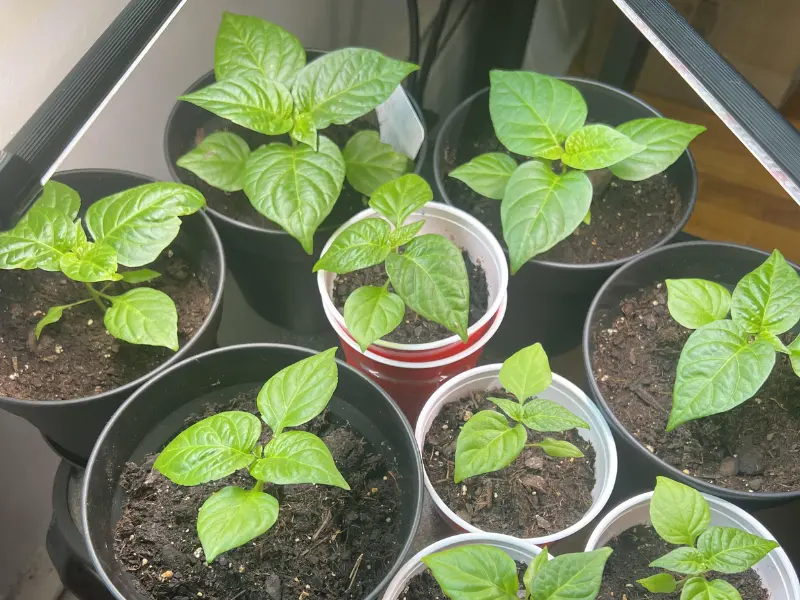
Healthy Scotch Bonnet live plant: Look for vibrant green leaves and a sturdy stem to avoid any plants showing yellowing or spots.
A sunny spot or large container: Scotch Bonnets are sun-worshippers and need at least 6–8 hours of direct light.
Organic potting mix: A well-draining soil rich in compost is essential.
Organic fertilizer: Look for something balanced for the start, then higher in phosphorus and potassium once blooms appear.
Protective gloves: Trust me, you’ll want these when the harvest begins!
For the past 5 years, I’ve been obsessed with growing super-hot peppers. I’ve found that the Yellow and Red Scotch Bonnet varieties are the most reliable. They don’t just add a kick to your jerk chicken; they look stunning in the garden with their unique “Tam o’ Shanter” hat shape.
Read more: Top 10 Best Types of Peppers You Can Grow in Your Garden
What Scotch Bonnet Pepper Plant Needs
Before your plant even touches the soil in your yard, you need to create a “tropical microclimate.”
The Full Sun Rule
In the US, especially in midwestern or northern states, we often underestimate how much light these plants crave. Your Scotch Bonnet needs at least 6 to 8 hours of direct sunlight. If you place it in a spot that gets afternoon shade, you might get a beautiful green bush, but you won’t get many peppers. Think of the sun as the fuel for the capsaicin—the compound that creates the heat.
The Perfect Soil Mix
Don’t just grab a bag of cheap topsoil. These plants hate “wet feet.” You need a well-draining potting mix. If you are planting in containers, look for a mix containing peat moss, perlite, and aged compost. The ideal pH is slightly acidic, between 6.0 and 6.8. A little trick I learned from years of trial and error: add a handful of Epsom salts to the soil. The magnesium helps with chlorophyll production and prevents the leaves from turning yellow.
Potting vs. Ground Planting
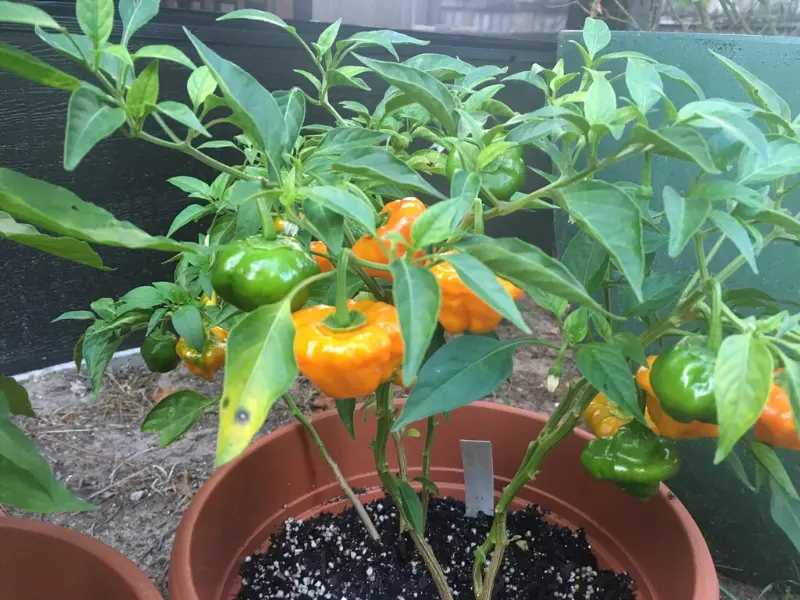
If you live in a place like Seattle or New York, I highly recommend using a 5-gallon bucket or a large ceramic pot. Containers stay warmer than the ground, and you can move them inside if an unseasonal cold snap hits. If you are in Texas or Arizona, planting in the ground is fine, but you will need to mulch heavily to keep the roots from baking.
Planting Scotch Bonnet Peppers
Hardening Off
This is the step most beginners skip, and it is usually why plants die within the first week. Your live plant likely came from a greenhouse or a climate-controlled shipping box. If you put it directly under the blazing sun, the leaves will bleach and drop. Spend 5 to 7 days “hardening off” the plant. Put it outside in the shade for two hours, then bring it in. Increase the time and sun exposure every day until it can handle a full afternoon outdoors.
Transplanting Techniques
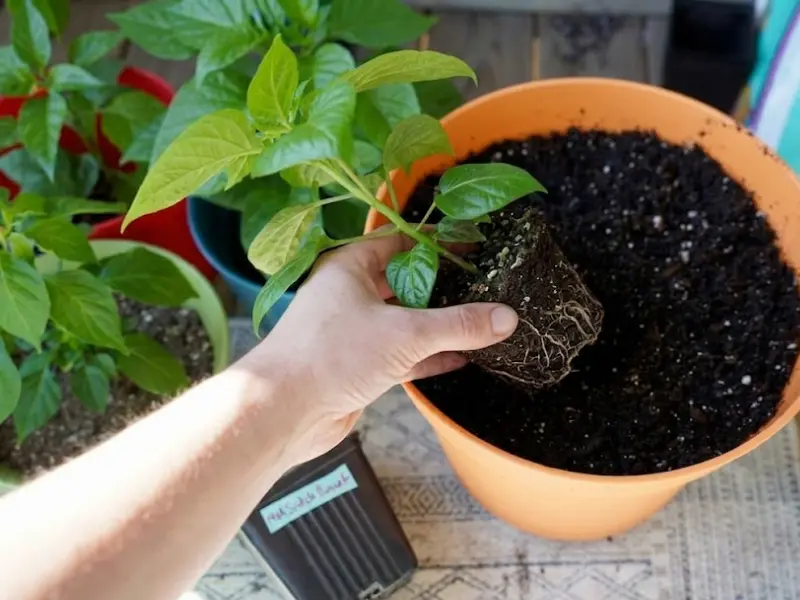
When you are ready to move it to its forever home, dig a hole twice as wide as the root ball but no deeper. You want the soil level of the plant to match the soil level of the garden. If you bury the stem too deeply, it can rot. Gently tease the roots if they are circling the pot; this tells the plant it is time to spread out and grow.
Initial Watering
Immediately after transplanting, give it a deep soak. This collapses any air pockets in the soil that could dry out the roots. I like to use a weak seaweed solution for the first watering to help reduce transplant shock.
Growing Scotch Bonnet Peppers
Watering Routine
Here is the golden rule: water the soil, not the leaves. Wet leaves are an invitation for fungal diseases like leaf spot. Use the finger test—stick your finger two inches into the soil. If it feels dry, water it. If it is moist, leave it alone. Overwatering is the fastest way to get root rot.
Feeding Your Peppers
Avoid high-nitrogen fertilizers once the plant starts flowering. Too much nitrogen gives you a giant plant with zero peppers. Switch to a fertilizer higher in phosphorus and potassium (the “P” and “K” in NPK) to encourage blooming. Organic fish emulsion or a dedicated “tomato and pepper” food works wonders here.
Temperature Management
Scotch Bonnets are happiest when it is between 70 and 90 degrees Fahrenheit. If temperatures drop below 55 at night, the plant will stop growing. If it hits 100 degrees, the flowers might drop off. In extreme heat, give them a little afternoon shade with a shade cloth to keep them from stressing out.
Troubleshooting Common Issues
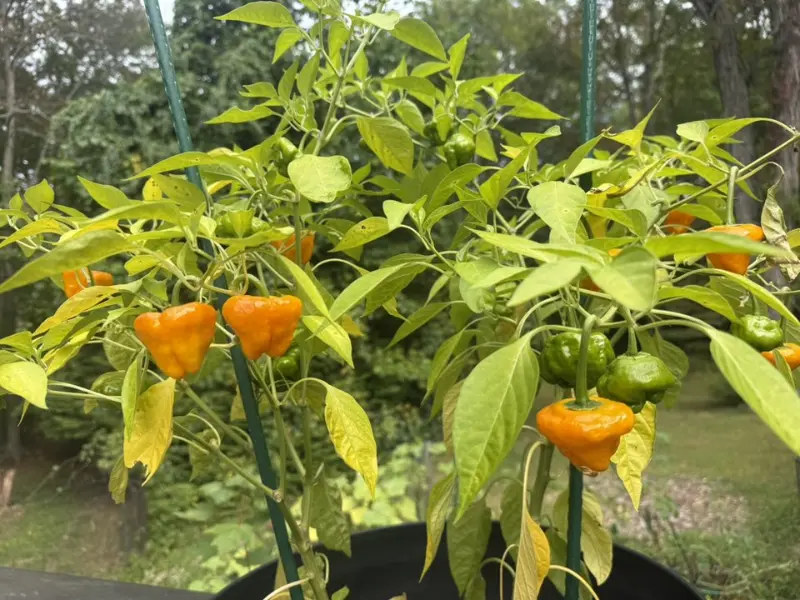
Even the best gardeners run into trouble. If you see tiny green bugs on the underside of leaves, those are aphids. A simple spray of soapy water usually does the trick.
If you notice the bottom of your peppers turning black and mushy, that is blossom end rot. This isn’t a disease; it is a calcium deficiency usually caused by uneven watering. Keep your moisture levels consistent, and the problem should go away with the next batch of fruit.
Another common worry is “Why are my peppers not hot?” Usually, this happens because the plant is too pampered. To get maximum heat on the Scoville scale, slightly stress the plant by reducing water right as the peppers start to reach their full size. This concentrates the oils.
Harvesting Your Caribbean Gold
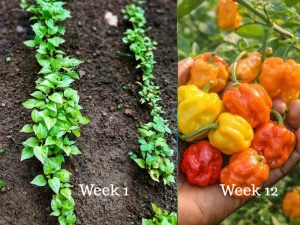
Your patience is about to pay off. A Scotch Bonnet is ready when it reaches about 1.5 to 2 inches in diameter and changes color completely. While you can eat them green, the flavor is much more bitter. Wait for that brilliant orange, red, or chocolate brown (depending on the variety).
Use scissors or garden shears to snip the stem. Never pull the pepper off with your hands, as the branches are brittle and can snap easily. And a friendly word of advice: wear gloves. Even the outside of the pepper can have traces of oil that will sting your eyes or skin later.
Frequently Asked Questions (FAQs)
How spicy are Scotch Bonnets compared to Jalapeños?
There is no contest. A Jalapeño usually sits around 5,000 Scoville Heat Units. A Scotch Bonnet can hit 350,000. It is roughly 40 to 70 times hotter, so use it sparingly!
Can I grow Scotch Bonnet plants indoors?
Yes, but you will need a very strong LED grow light and a fan for air circulation. You will also need to act as the “bee” and gently shake the plant to help with pollination.
Why is my Scotch Bonnet plant not producing fruit?
The most common reasons are too much nitrogen, temperatures over 90 degrees, or a lack of pollinators. Try misting the flowers with water or gently shaking the plant to move the pollen around.
How long does it take to harvest from a live plant?
Since you started with a live plant, you can expect to see your first ripe peppers in about 60 to 90 days after transplanting, depending on the weather.
Conclusion
Growing Scotch Bonnets from live plants is one of the most rewarding projects you can take on. Not only do you get a beautiful tropical plant, but you also gain access to flavors you simply cannot find at a standard US grocery store.
Remember to keep the soil well-drained, give it plenty of sun, and be patient with the ripening process. Once you taste that first sun-warmed pepper in a fresh salsa, you will never go back to store-bought.
You may like:
- How to Grow Your Own Sweet Potato Slips
- Grow Bocking 14 Comfrey: The Ultimate Guide to Planting Root Cuttings
References:
