
Top Plant Picks
Wild Huckleberry: The Rare Superfruit That Beats Blueberries
Mar
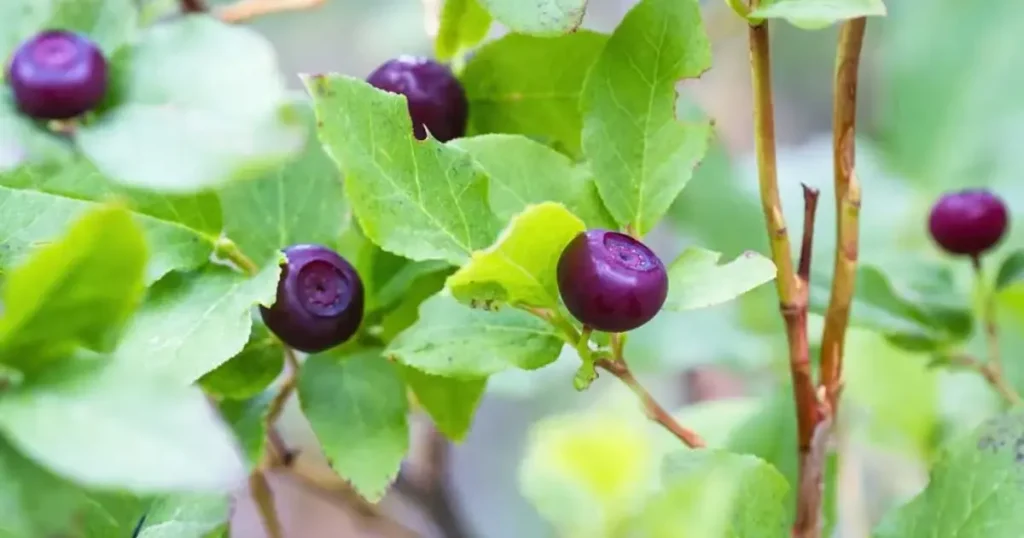
Forget everything you know about common store-bought berries. Deep in the untamed wilderness grows the Wild Huckleberry, a hidden gem that outshines the blueberry in both flavor and nutrition. While they may share the iconic “crown” and deep purple hues of their famous cousins, these rare superfruits offer a complex, tart-sweet punch and a satisfyingly unique crunch from their ten signature seeds.
Have you ever wandered through a high-altitude forest in the Pacific Northwest and spotted a cluster of dark, purple berries that looked a bit like blueberries, but felt more like a hidden treasure?
As someone who has spent years trekking through the backcountry of Idaho and Montana, I’ve seen the “huckleberry fever” firsthand. It’s not just a fruit; it’s a cultural phenomenon. Today, I’m going to break down everything you need to know about the wild huckleberry, from its superior antioxidant profile to why it remains one of nature’s most stubborn, untamable secrets.
What is a Wild Huckleberry?
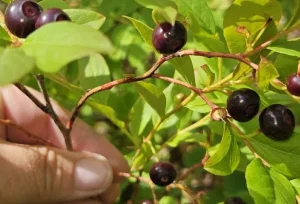
To most Americans, a berry is just a berry. But in the Rocky Mountains, the wild huckleberry (specifically Vaccinium membranaceum) is local royalty. Unlike the cultivated blueberries you see in neat rows at a farm, huckleberries are true wilderness survivors.
These berries belong to the same family as cranberries and blueberries, but they have a distinct personality. They are small, round, and range in color from bright red to a deep, midnight purple. What truly sets them apart is their habitat. They refuse to grow in your backyard. They demand high elevations, acidic soil, and the specific climate of the Pacific Northwest and Canada.
The Botanical Identity
While there are several species, the thin-leaved huckleberry is the one everyone craves. It’s the state fruit of Idaho for a reason. These plants are slow-growing, often taking 15 years to reach full productivity, and they thrive in the wake of forest fires or in old-growth timber stands.
Why They Are So Rare
The biggest frustration for gardeners is that you cannot simply buy huckleberry seeds and start a patch. They have a complex relationship with soil fungi (mycorrhizae). When you try to plant them in a garden, they usually just give up. This means every single huckleberry you eat was hand-picked in the wild.
Huckleberry vs. Blueberry: How to Identify Wild Huckleberry
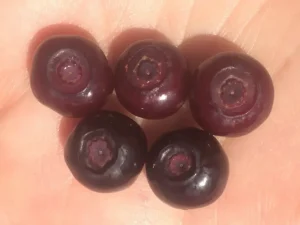
It’s the most common question I get: Is it just a wild blueberry? The short answer is no. While they are cousins, the differences in taste, texture, and nutrition are significant.
1. The Flavor Profile
Blueberries are generally mild and sweet. Huckleberries, however, have a complex tartness that balances their intense sugar content. They have a “wild” tang that makes them much better for baking because the flavor doesn’t get lost in the dough.
2. Anatomy and Texture
Next time you eat a blueberry, notice the tiny, almost unnoticeable seeds. Now, if you find a huckleberry, you’ll notice the seeds are slightly larger and have a bit of a crunch. Also, the skin of a huckleberry is thinner, which leads to a “burst” sensation when you bite into it.
3. The Pigment Test
Blueberries have white or light green flesh inside. Huckleberries are purple all the way through. This deep coloration is a signal of their high anthocyanin content. If you spend an hour picking them, your fingers will be stained purple for days. That stain is actually a sign of massive health benefits.
Nutritional Benefits of Wild Huckleberry
We call blueberries a superfruit, but if we’re being honest, the wild huckleberry is the “super-superfruit.” Because they grow in harsh, high-altitude conditions, these berries produce more protective compounds to survive.
Antioxidant Superiority
Huckleberries are loaded with antioxidants, specifically anthocyanins and polyphenols. Studies have shown that wild berries often contain significantly higher levels of these compounds than their pampered, farm-grown cousins. These antioxidants help fight oxidative stress and inflammation in the human body.
Metabolic and Heart Health
For those looking to manage blood sugar or support cardiovascular health, the huckleberry is a potent ally. The high fiber content, combined with Vitamin C and iron, makes them a nutrient-dense snack that supports iron absorption and immune function.
The Hunt for Purple Gold: The Reality of Foraging
If you want fresh huckleberries, you have to work for them. Every summer, thousands of people head into the mountains of Montana, Idaho, Oregon, and Washington to find “purple gold.”
When is Huckleberry Season?
The window is short. Depending on the snowpack, the season usually runs from late July through September. The best berries are often found between 4,000 and 7,000 feet in elevation.
Sharing with the Neighbors (The Bears)
Here is a bit of advice from a long-time forager: you aren’t the only one who loves these berries. Grizzly bears and black bears rely on huckleberries to fatten up for winter. If you find a great patch, always carry bear spray and make plenty of noise. I’ve had many picking trips cut short because a bear decided the patch I was in was his kitchen for the day.
Why the Price is So High
When you see a gallon of fresh huckleberries selling for 60 or 80 dollars, remember that a human being had to squat in the bushes for hours, dodging mosquitoes and bears, to pick them one by one. There are no machines that can harvest these delicate berries on steep mountain slopes.
How to Use and Store Your Harvest
Because they are so precious, you don’t want to waste a single berry.
Freezing: This is the best way to preserve them. Spread them on a baking sheet so they don’t stick together, freeze them solid, and then move them to a vacuum-sealed bag. They will stay perfect for up to a year.
Culinary Uses: While they are great fresh, huckleberries shine in syrups, jams, and pies. The acidity cuts through the sugar of a dessert perfectly.
Buying Online: If you can’t make it to the mountains, you can buy frozen huckleberries or huckleberry jam from specialty retailers in the Pacific Northwest. Just be prepared for the shipping costs to keep them frozen!
Frequently Asked Questions (FAQs)
1. Are red huckleberries edible?
Yes, red huckleberries (Vaccinium parvifolium) are edible and have a very tart, almost candy-like flavor. They usually grow at lower elevations and in more shaded, wooded areas than the purple varieties.
2. Can I find huckleberries on the East Coast?
The “huckleberries” found in the Eastern U.S. are often from a different genus called Gaylussacia. They look similar and are edible, but they have ten large, crunchy seeds and a slightly different flavor than the Western huckleberry.
3. Why don’t they sell huckleberries in grocery stores?
Their short shelf life and the fact that they cannot be commercially farmed make them impossible for traditional supply chains. They are too delicate to survive long-distance shipping in fresh form.
4. Are huckleberries better for you than blueberries?
In terms of antioxidant density per calorie, yes. Wild-grown fruits almost always pack a more concentrated nutritional punch than cultivated ones.
Conclusion
The wild huckleberry is more than just a fruit; it’s a taste of the American wilderness that refuses to be tamed. Whether you are seeking it out for its incredible health benefits or that unique tart-sweet flavor, it truly stands in a league of its own compared to the common blueberry.
You may like:
- Top 10 Tropical Fruits to Plant in 2026: Grow Your Oasis!
- Everything You Need to Know About the Sugarloaf Pineapple.
- Top 5 Easy Exotic Fruits You Can Grow at Home
References:
