Top Plant Picks
7 Best Berry Bushes to Plant This Early Spring for Big Yields
Mar
Early spring is the perfect window to plant berry bushes across the United States. As the soil begins to warm and thaw, and temperatures remain cool and consistent, plants can establish strong root systems before the intense heat of summer arrives. Getting your berry bushes in the ground early not only improves survival rates but also sets the stage for healthier growth and more abundant harvests in the first season or the year that follows.
Different berry bushes thrive under different conditions; some prefer cooler climates, while others handle heat and humidity better. Selecting the right plants for your region and garden setup can make all the difference in how successful and low-maintenance your berry patch will be.
In this guide, we’ll walk you through 7 of the best berry bushes to plant in early spring, along with quick tips to help you choose the right options for your climate, space, and gardening goals.
1. Blueberry — ‘Duke’
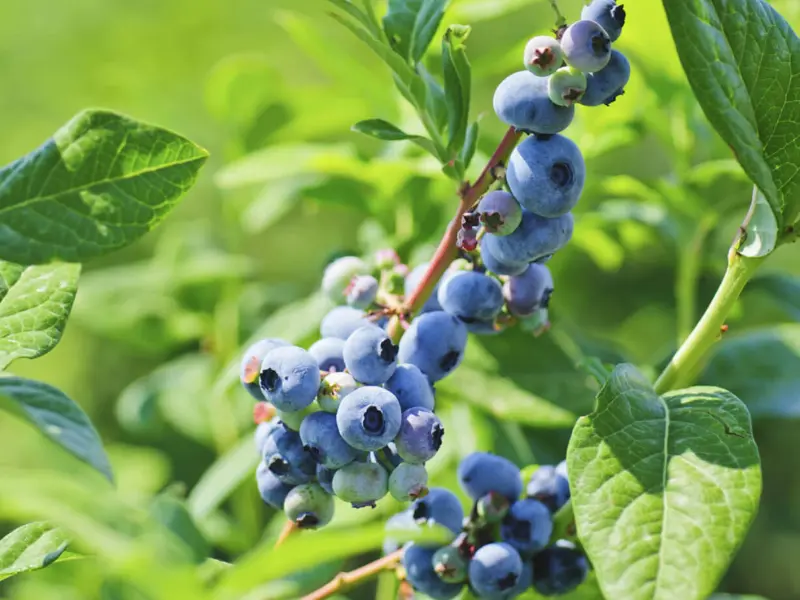
Blueberries are good for more than just making world-class cobblers. These little nutritional powerhouses are chock-full of anthocyanins, which give them their signature deep blue color. Anthocyanins are powerful antioxidants that help protect your cells from the inside out. If you are looking for the gold standard of early blueberries, ‘Duke’ is your plant. In many USDA Hardiness Zones, this is the variety that kicks off the season.
What makes ‘Duke’ special for home gardeners is its bloom time. It flowers late enough to avoid most spring frosts but ripens very early. This means you get a heavy crop of medium-to-large berries before the mid-summer pests really start to move in.
Pro Tip for Success: Blueberries are “acid-loving” plants. Before you dig your hole, check your soil pH. They need a range between 4.5 and 5.5. I once helped a neighbor who couldn’t figure out why her bushes were yellowing; a simple addition of elemental sulfur and peat moss turned them bright green in a month.
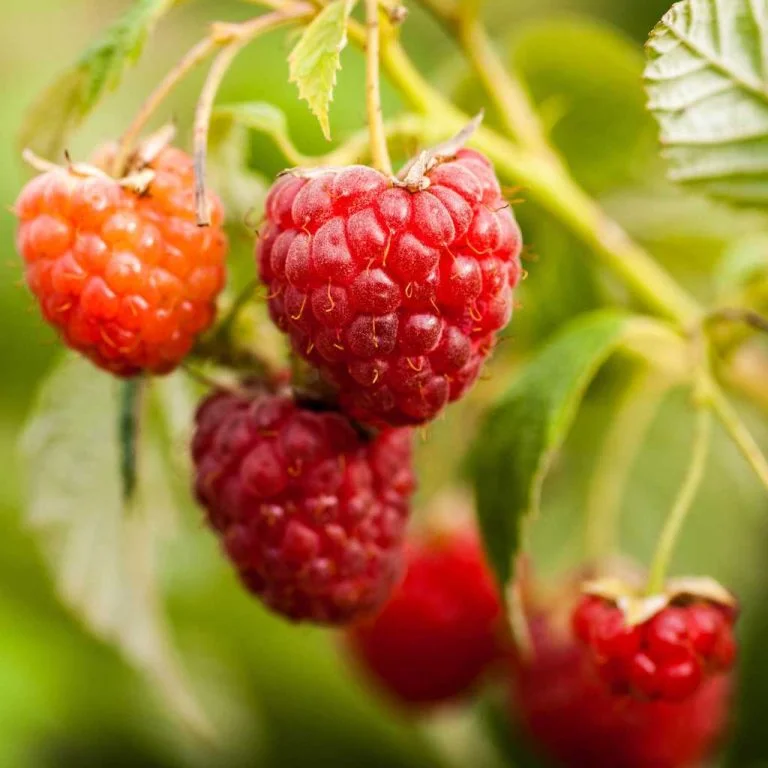
2. Raspberry — ‘Brandywine’
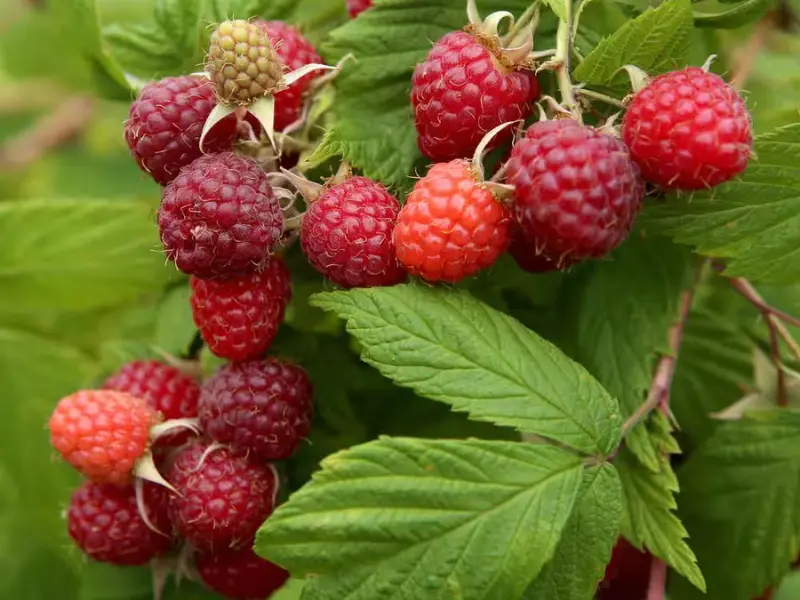
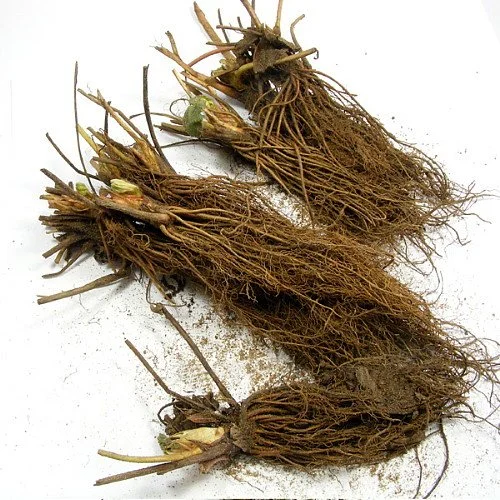
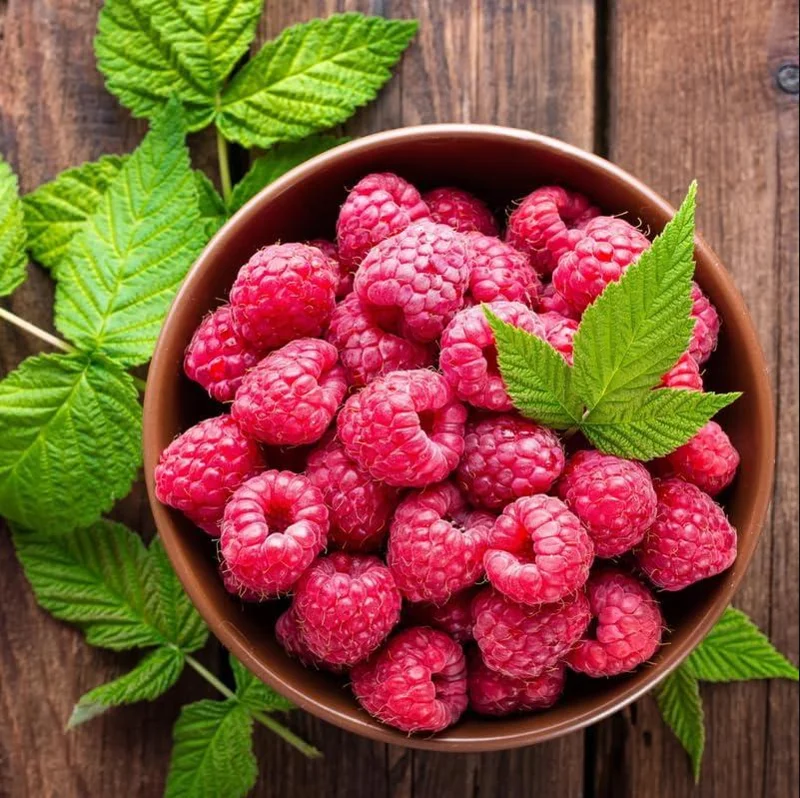
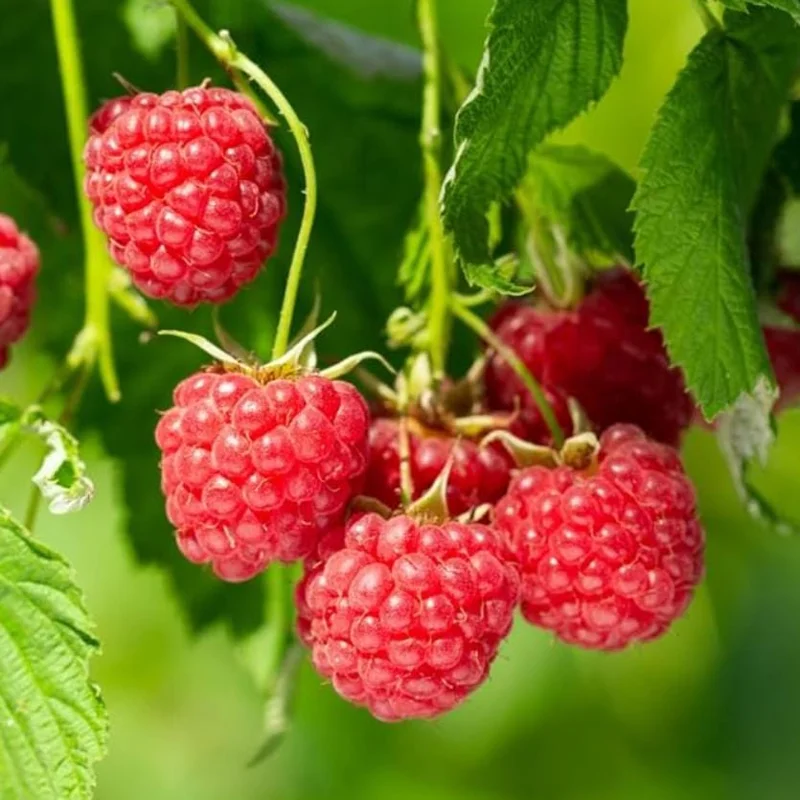
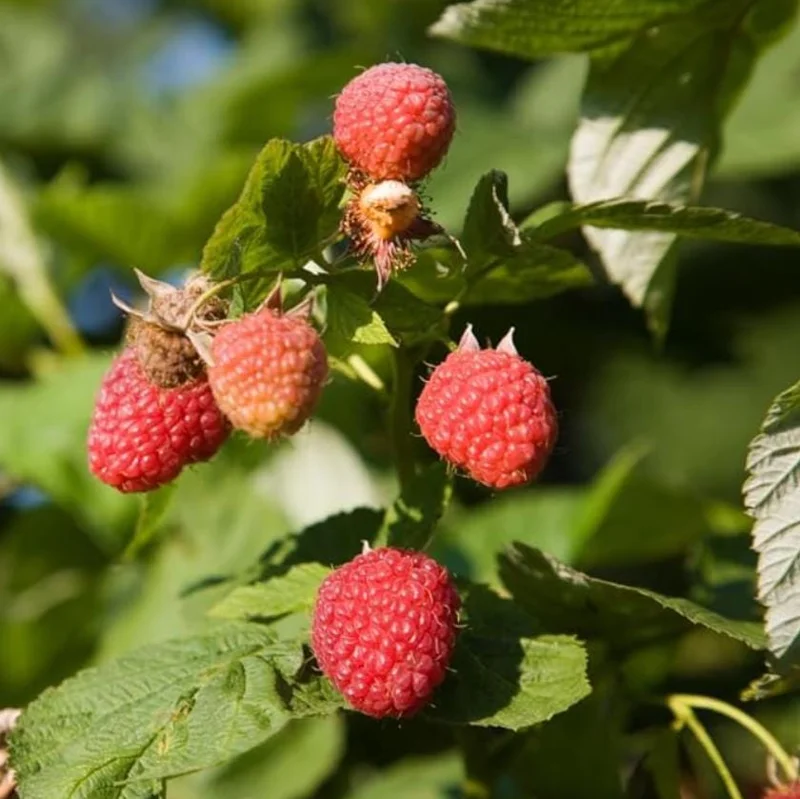
Raspberries are very beginner-friendly when planted as bare-root canes right now. They are especially easy to manage if you have room for a simple row with a few wires for support to keep those heavy, fruit-laden canes from flopping over.
Beyond the taste, raspberries are a high-fiber superstar, which is great for digestive health and keeping blood sugar stable.
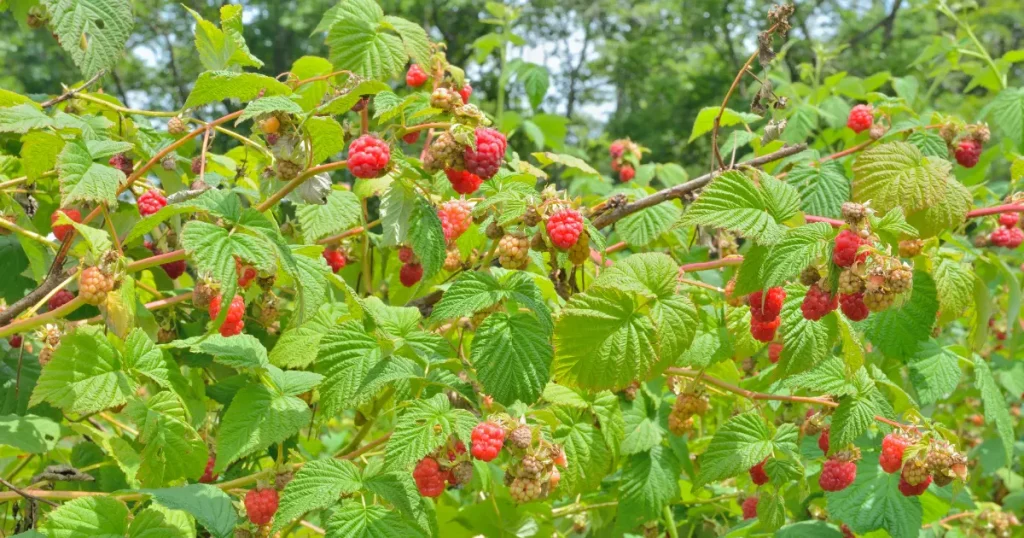
Forget the standard red raspberries for a moment. ‘Brandywine’ is a purple raspberry hybrid that is famous for its massive size and tart, rich flavor. It is a “summer-bearing” variety, meaning it produces one huge crop in mid-summer.
Also they are more vigorous than your average red raspberry; they stand up well to common garden pests, making your life as a gardener much easier.
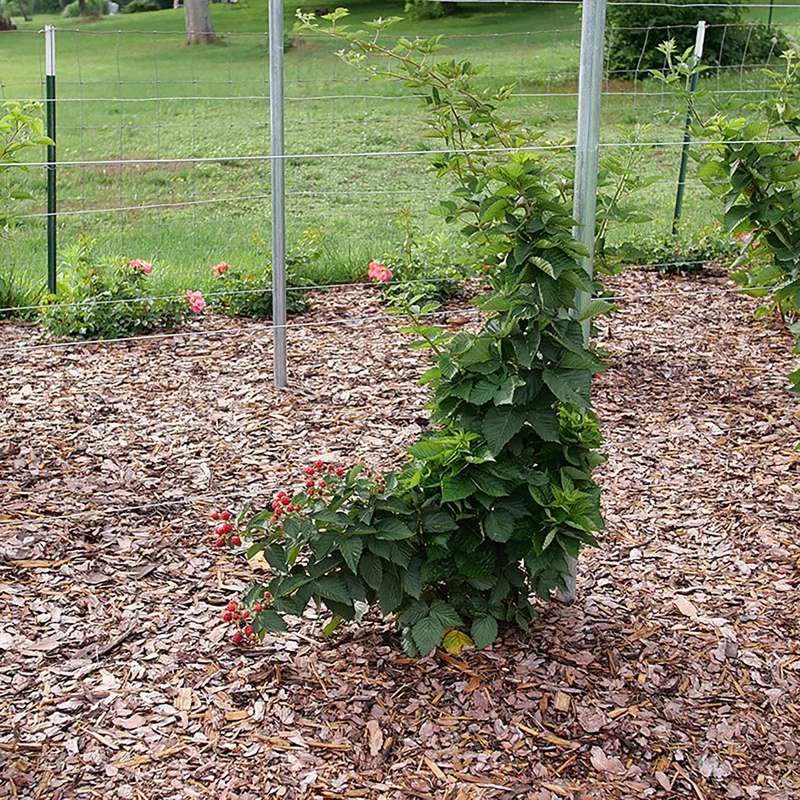
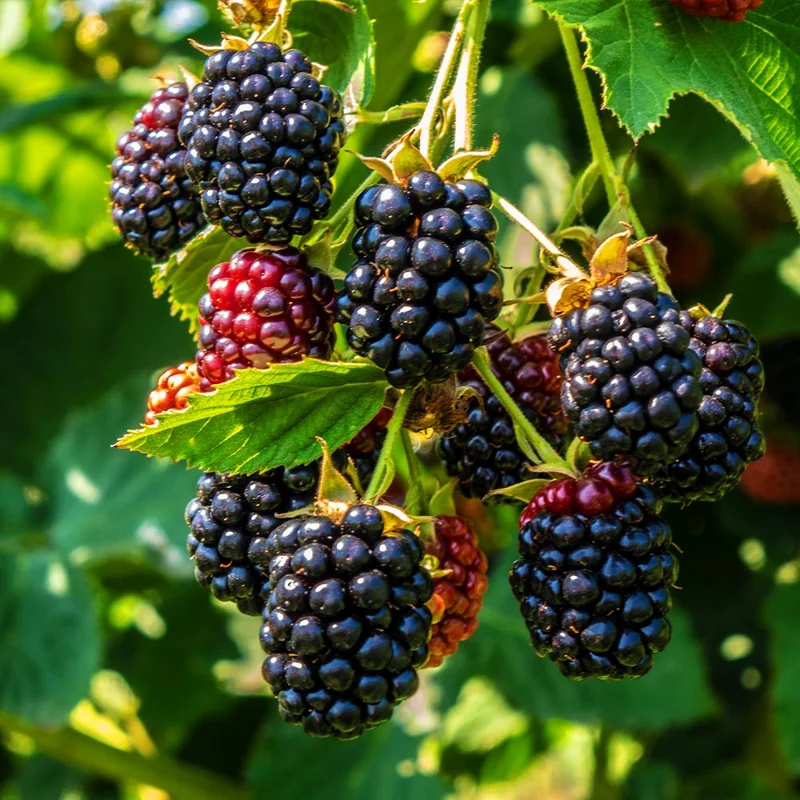
3. Blackberry — ‘Sweet-Ark Freedom’
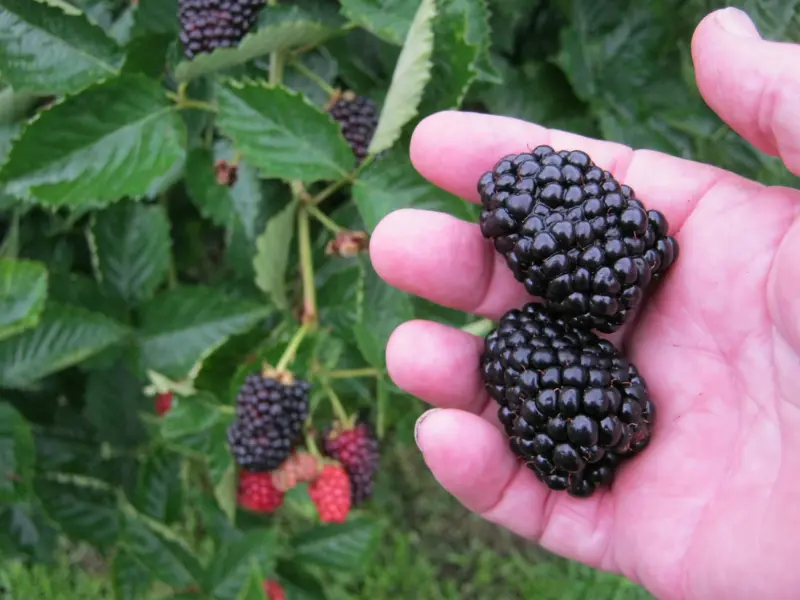
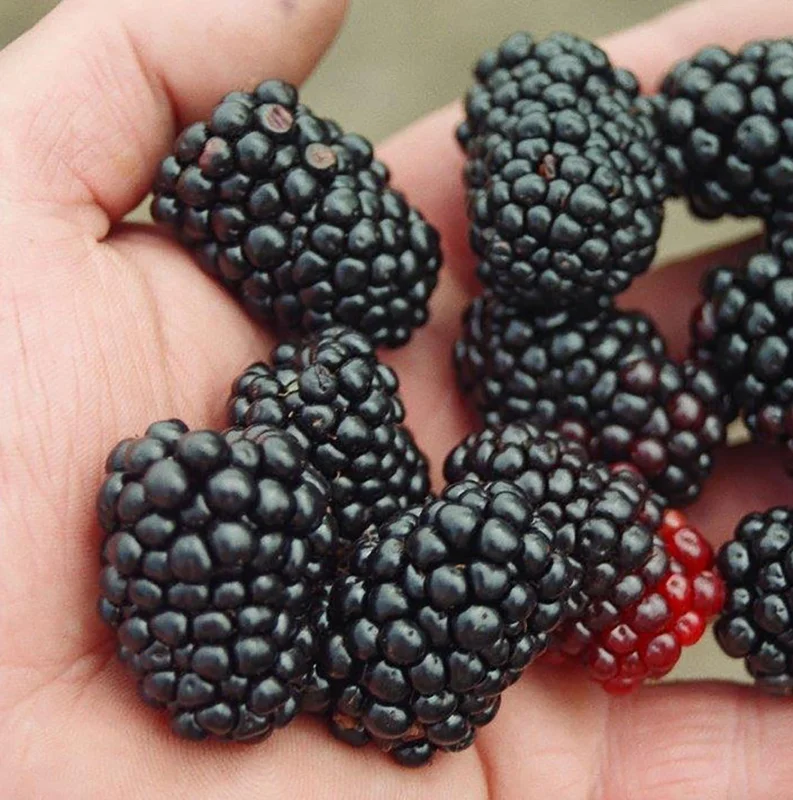
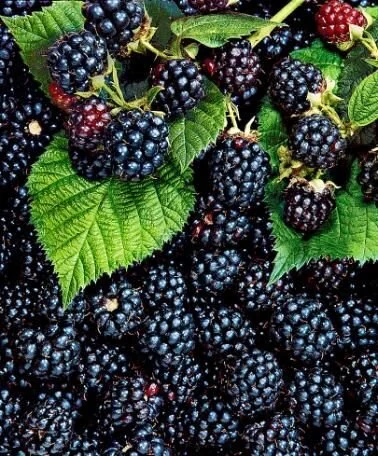
If you have ever spent an afternoon fighting a wild blackberry bush, you know the “pain” of those thorns. That is why ‘Sweet-Ark Freedom’ is such a revelation for the home garden. It is the world’s first thornless primocane-fruiting blackberry. This means you get to pick gallons of fruit without a single scratch, and you actually get two chances to harvest: once in the summer and again in the fall on the new growth.
Blackberries are packed with Vitamin C and Vitamin K, which are essential for bone health and immune support. ‘Sweet-Ark Freedom’ was developed by the University of Arkansas specifically to provide high yields in home gardens. It has an upright growth habit, so you don’t need a massive trellis system.
Garden Note: Blackberries love full sun. Ensure they get at least 6 to 8 hours of direct sunlight. In my experience, these are the toughest of the berry family, often thriving even if your soil isn’t perfect.
4. Gooseberry — ‘Hinnonmaki Red’
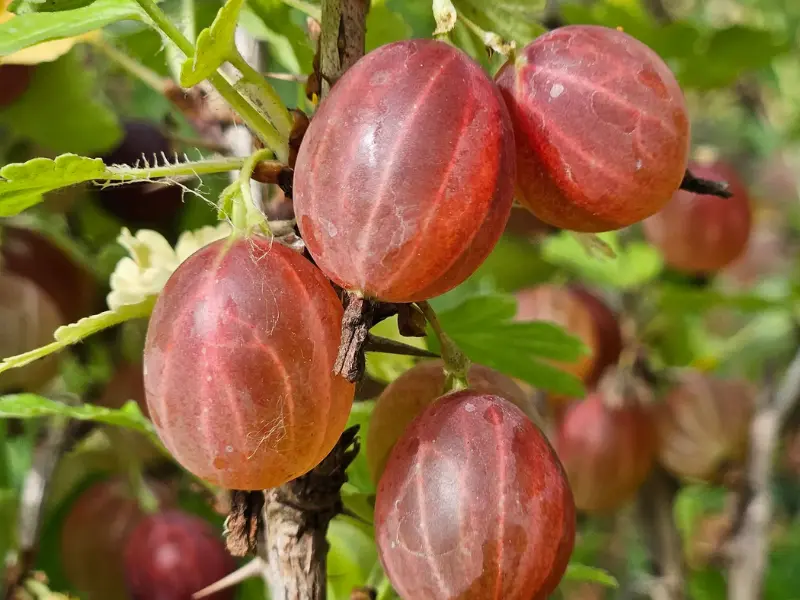
Gooseberries aren’t as common in American supermarkets, which is exactly why you should grow them.
‘Hinnonmaki Red’ is a Finnish variety bred to survive brutal winters, so it handles a chilly spring with ease. It is a compact shrub that stays around 3 to 4 feet tall, making it perfect for those of us with smaller suburban yards or even large patio containers.
Nutritionally, gooseberries are a secret weapon; they are loaded with flavonols and aromatic acids that support brain health. The ‘Hinnonmaki Red’ is famous for its unique skin that starts tart and turns sweet as it ripens to a deep red. It is also naturally resistant to powdery mildew, which is the number one headache for most gooseberry growers. If you want a plant that is “tough as nails” but produces fruit that tastes like a high-end dessert, this is the one.
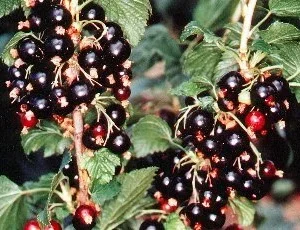
5. Red Currant — ‘Red Lake’
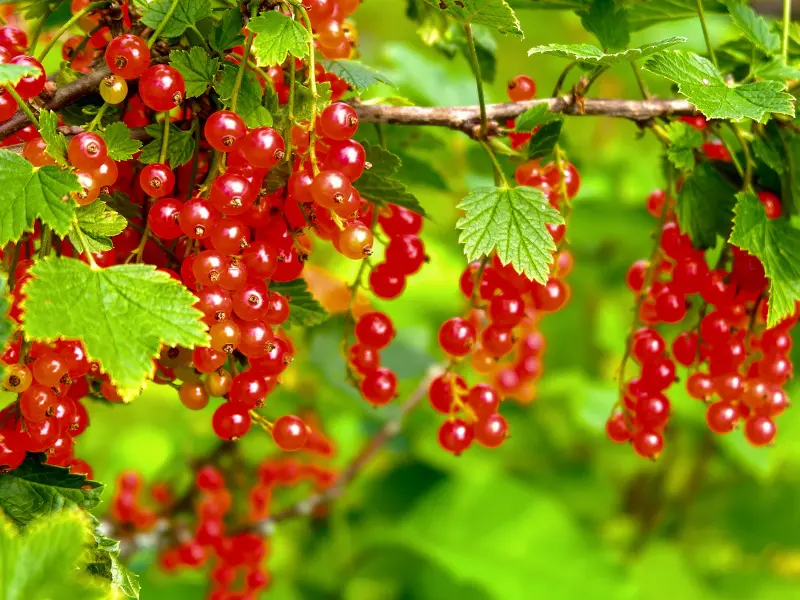
‘Red Lake’ is widely considered the best red currant for the American climate. It produces long, drooping clusters of bright, translucent berries that look like glistening rubies hanging from the stems.
Currants are incredibly high in Vitamin C, often containing more per serving than oranges and making them a great boost for your immune system.
In the garden, ‘Red Lake’ is a high-yield workhorse. It is a very consistent producer that doesn’t mind a bit of afternoon shade, which is helpful if your summers tend to get crispy. These berries are a bit tart to eat straight off the bush, but they are the “secret ingredient” for the world’s best jellies and meat glazes. I always tell my friends: if you want your garden to look like a professional landscape and produce a harvest at the same time, plant currants.
Read more: Grow Your Own Red Currants: The Ultimate Guide to Big Harvests
6. Elderberry — ‘Adams’
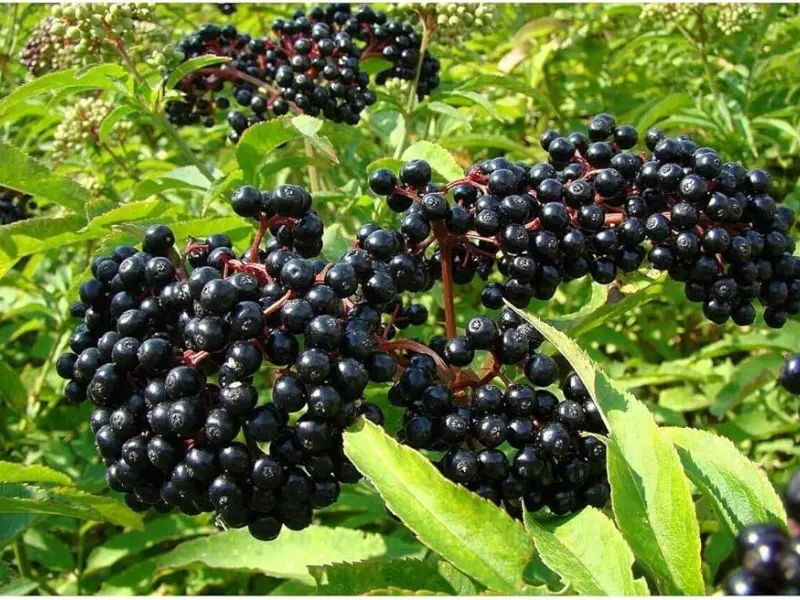
The American Elderberry (Sambucus canadensis) has seen a massive surge in popularity because of its health benefits. ‘Adams’ is an old-school favorite for a reason: it produces massive clusters of small, dark purple berries.
You probably already know about elderberry syrup for cold and flu season, growing your own ‘Adams’ bush means you can make your own organic version right in your kitchen.
Elderberries are full of quercetin and anthocyanins that act as natural anti-inflammatories. The ‘Adams’ shrub is very forgiving; it actually handles “wet feet” (damp soil) better than almost any other berry on this list.
Important Reminder: Elderberries are generally not eaten raw. You want to cook them down into syrups or wines. Also, keep in mind that ‘Adams’ produces more fruit if you plant a different variety nearby, like ‘Johns’, for cross-pollination.
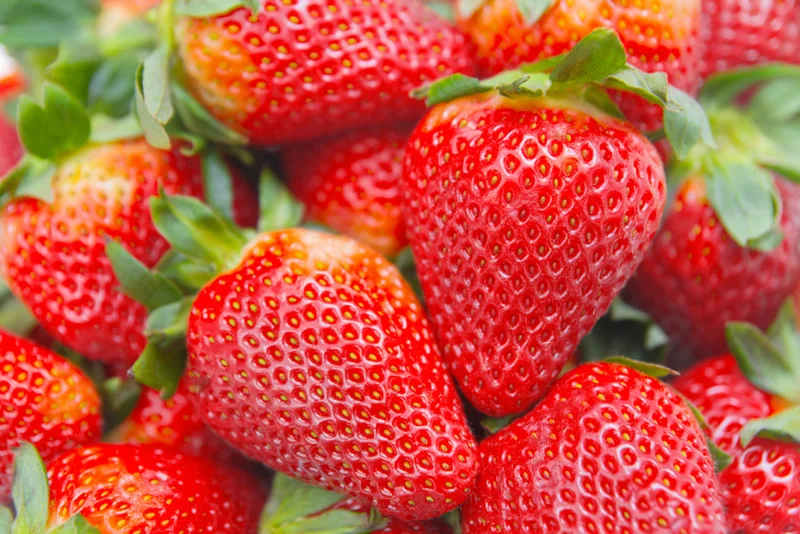
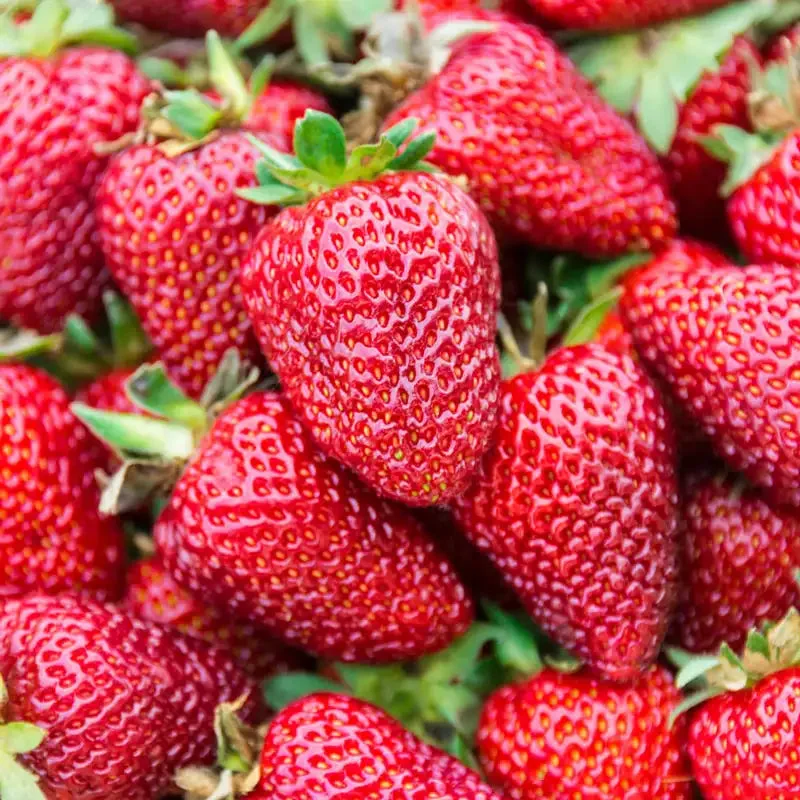
7. Strawberry — ‘Earliglow’
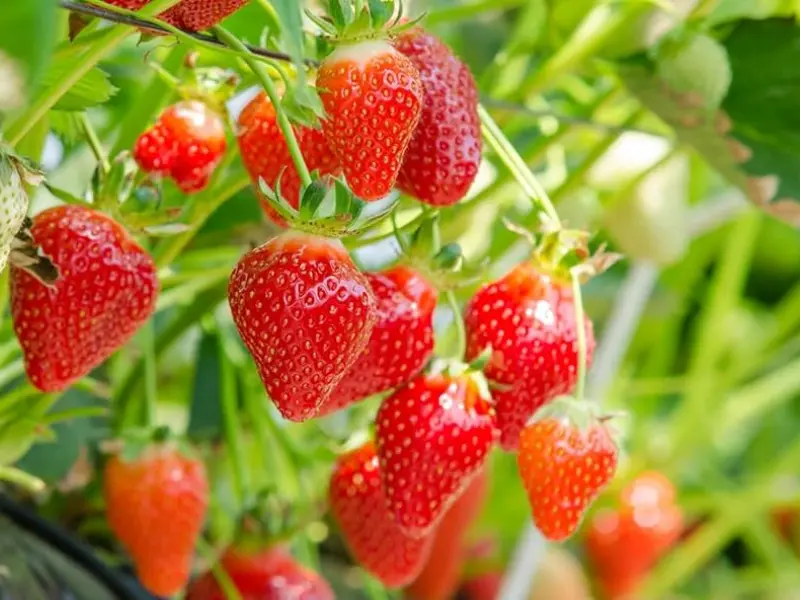
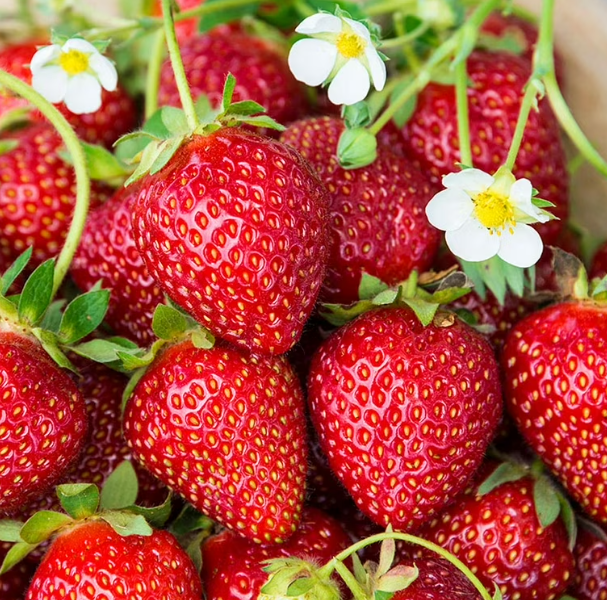
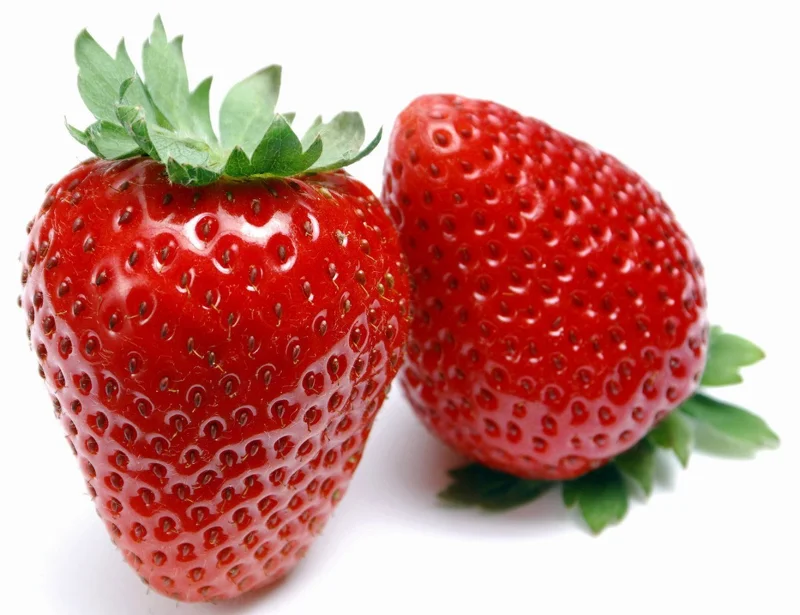
We can’t talk about spring berries without the classic strawberry. While there are hundreds of types out there, ‘Earliglow’ is consistently ranked as the #1 best-tasting strawberry by university trials and home gardeners alike. It is a “June-bearing” variety, meaning it gives you one huge, concentrated flush of fruit early in the season.
Strawberries are famous for being heart-healthy and rich in folate. ‘Earliglow’ is particularly great for beginners because it has fantastic resistance to root rot and other common diseases. When you plant berry bushes in early spring, they send out “runners” (baby plants) that will fill in your garden bed quickly. There is truly nothing like the smell of a sun-warmed ‘Earliglow’ strawberry, it’s a million times more fragrant than anything you’ll find in a plastic clamshell at the store.
I remember my first year growing strawberries. I made the mistake of planting them too deep, covering the “crown” (the central part where the leaves come out). Half of them rotted. When you plant your ‘Earliglow’ this spring, make sure that the crown is sitting right at the soil level.
Conclusion
Planting berry bushes in early spring is one of the smartest ways to set your garden up for long-term success. With the right timing, proper soil preparation, and carefully chosen varieties, you can enjoy healthy plants, lower maintenance, and rewarding harvests year after year. From sweet strawberries and juicy blueberries to hardy currants and elderberries, each option offers its own unique benefits, making it easy to find the perfect fit for your garden space and climate.
As you plan your spring planting, focus on selecting varieties that match your USDA zone, sunlight conditions, and available space. A little preparation now can lead to a thriving berry patch that provides fresh, homegrown fruit for seasons to come.
You may like:
- Wild Huckleberry: The Rare Superfruit That Beats Blueberries
- How to Grow Wild Huckleberries: A Guide to Purple Gold
- Top 10 Tropical Fruits to Plant in 2026: Grow Your Oasis!
- Top 5 Easy Exotic Fruits You Can Grow at Home
Ready to get started? Choose your favorites from this list and start planting early; your future harvest will thank you.
Fruits
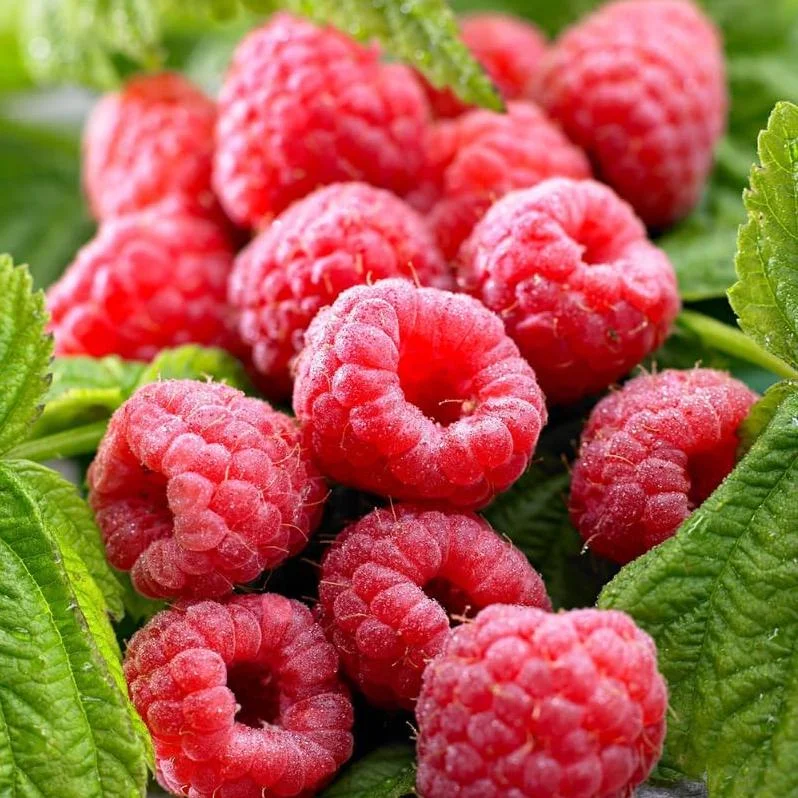
Caroline Red Raspberry Live Plant – 2 Pack – 4-6″ Tall – Everbearing Fruiting Bush for Outdoor