Overview
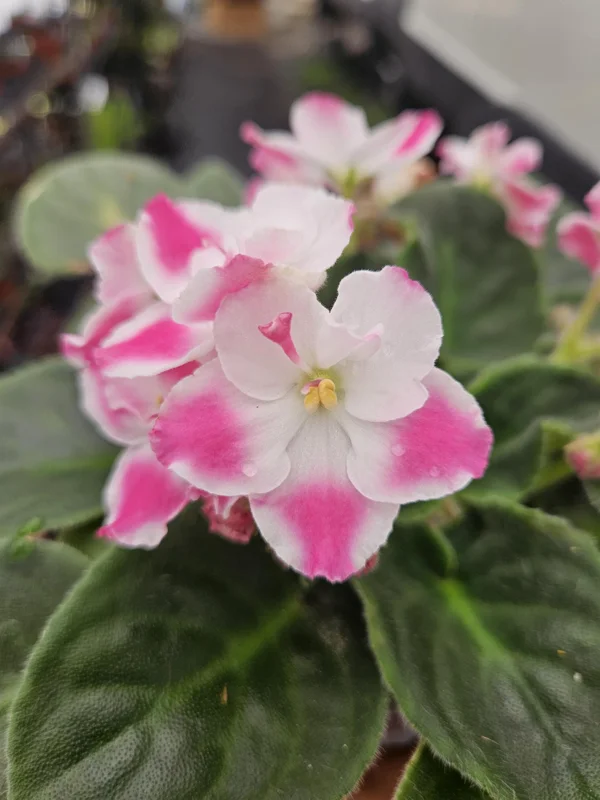
Introduce a touch of elegance and continuous bloom into your indoor space with the exquisite African Violet live plant, ‘Anika’. This charming houseplant is celebrated for its captivating hot pink and white flowers that burst forth against lush, velvety green foliage. Originating from tropical East Africa, African Violets (Saintpaulia) have become beloved staples in homes worldwide due to their manageable size and stunning floral displays. The ‘Anika’ variety, in particular, offers a delightful two-toned presentation, ensuring it stands out in any collection. Each plant is carefully cultivated and shipped in a 4-inch pot, ready to bring immediate beauty and a cheerful atmosphere to your home or office. Perfect for windowsills, desks, or as a thoughtful gift, this African Violet live plant promises to be a rewarding addition for both novice and experienced plant enthusiasts.
African Violets are renowned for their ability to bloom almost continuously throughout the year when provided with adequate care. Their compact growth habit makes them ideal for smaller spaces, and their vibrant flowers can significantly enhance the aesthetic appeal of any room. The ‘Anika’ variety exemplifies the best qualities of these cherished plants, offering a resilient and visually appealing option for indoor gardening.
Key Benefits
The ‘Anika’ African Violet live plant offers numerous advantages, making it an excellent choice for enhancing your living environment. Its beauty and ease of care contribute to a positive and vibrant home atmosphere.
- Continuous Blooms: Enjoy nearly year-round flowering with proper care, providing consistent color and beauty to your indoor space. The hot pink and white blossoms are a constant source of cheer.
- Compact Size: Ideal for small spaces, windowsills, desks, or shelves, this plant’s modest stature ensures it fits comfortably without overcrowding. It’s perfect for urban living.
- Air Purification: Like many houseplants, the African Violet live plant contributes to improved indoor air quality by absorbing common household toxins, promoting a healthier environment.
- Low Maintenance: Despite its delicate appearance, the African Violet is surprisingly easy to care for, requiring consistent but not demanding attention, making it suitable for busy individuals.
- Vibrant Foliage: Beyond its stunning flowers, the lush green, velvety leaves add texture and richness, providing visual interest even when not in bloom.
- Versatile Decor: Its classic charm and bright colors complement a wide range of interior design styles, from traditional to modern, adding a sophisticated touch.
- Mood Enhancer: The presence of living plants and their beautiful flowers has been shown to reduce stress and improve overall well-being, creating a more tranquil home.
Plant Care & Growing Tips
Caring for your Anika African Violet is straightforward, and with a few key practices, you can ensure it thrives and blooms prolifically. These plants prefer consistency in their environment.
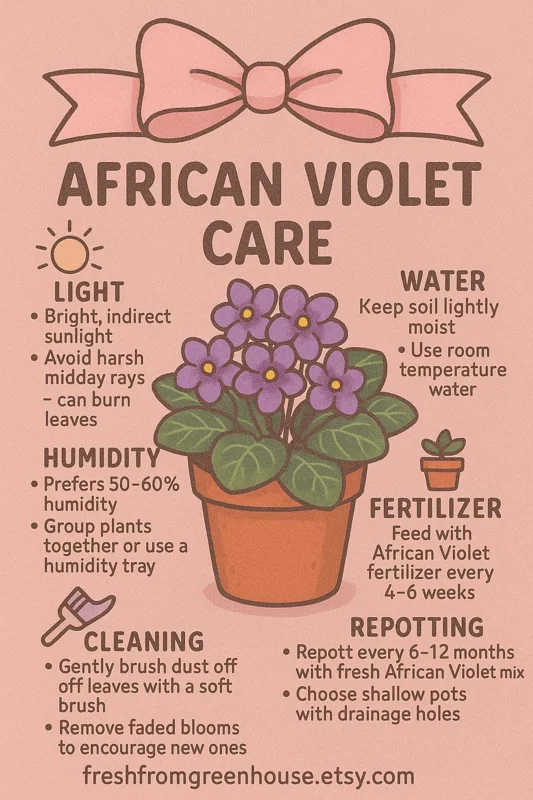
Sunlight Requirements: African Violets flourish in bright, indirect light. An east-facing window is often ideal, providing gentle morning sun. A north-facing window also works well. Avoid direct, harsh sunlight, especially during midday, as this can scorch the leaves. The light should be bright enough that you cannot create a distinct shadow from about 10 inches away from the plant. Insufficient light will lead to fewer blooms, while too much direct light can cause leaf discoloration. Rotate your plant periodically to ensure even growth and light exposure.
Watering Schedule: Water your African Violet with room-temperature water. Cold water can shock the plant and cause leaf spots. The best method is bottom watering: place the pot in a saucer of water for 20-30 minutes, allowing the plant to absorb moisture through its drainage holes. Alternatively, water from the top, being careful not to get water on the leaves, as this can lead to unsightly spots or fungal issues. Allow the top inch of soil to dry out slightly between waterings. Overwatering is a common cause of African Violet demise, leading to root rot. Ensure good drainage.
Soil Type and Drainage: A well-draining, airy potting mix specifically formulated for African Violets is crucial. This type of soil usually contains peat moss, perlite, and vermiculite, providing excellent aeration and moisture retention without becoming waterlogged. The 4-inch nursery pot it arrives in will have adequate drainage holes. Repotting should be done when the plant outgrows its container, typically into a pot only slightly larger.
Temperature and Humidity: African Violets prefer consistent room temperatures between 65°F and 75°F (18°C-24°C). Avoid sudden temperature fluctuations and cold drafts. They also appreciate high humidity, ideally around 50-60%. You can increase humidity by placing the pot on a pebble tray filled with water (ensuring the pot doesn’t sit directly in the water) or by using a room humidifier. Avoid misting the leaves, as this can lead to spotting.
Fertilization: During the active growing and blooming seasons (spring through fall), fertilize every 2-4 weeks with a balanced liquid fertilizer specifically designed for African Violets, diluted to half strength. Reduce or cease fertilization during winter dormancy. Proper feeding supports the vibrant blooms of your hot pink African Violet.
Size & Details
This African Violet live plant is shipped in a standard 4-inch diameter nursery pot, a perfect size for immediate display on windowsills, desks, or small shelves. At the time of shipment, the plant typically stands approximately 4-6 inches tall and has a similar spread, depending on its growth stage. African Violets are known for their compact growth habit, generally reaching a mature size of about 6-10 inches in diameter, making them ideal for indoor environments where space may be limited. The ‘Anika’ variety is a vigorous grower, and with optimal care, it will quickly establish itself and begin to produce its characteristic hot pink African Violet blooms.
The plant will arrive as a healthy, actively growing specimen, often with existing buds or blooms, ready to continue its growth in your home. Its moderate growth rate means it won’t quickly outgrow its space, and repotting is generally needed only every 12-18 months. This manageable size and steady growth contribute to the popularity of the indoor African Violet as a favorite houseplant.
Frequently Asked Questions
- Q: How big does this African Violet plant get? A: This African Violet typically grows to a compact size, usually reaching about 6-10 inches in diameter at maturity. It is shipped in a 4-inch pot, making it suitable for most indoor spaces.
- Q: Is this an indoor or outdoor plant? A: The African Violet live plant is primarily an indoor plant. It thrives in stable indoor temperatures and bright, indirect light, making it unsuitable for most outdoor climates in the US.
- Q: How much sunlight does the Anika African Violet need? A: It requires bright, indirect light. An east or north-facing window is ideal. Avoid direct, harsh sunlight, which can burn the leaves and flowers of your Anika African Violet.
- Q: Is this plant easy to care for? Is it good for beginners? A: Yes, African Violets are considered relatively easy to care for, making them a great choice for beginners who can provide consistent light and watering. Following basic African Violet care guidelines will ensure success.
- Q: What condition will the plant arrive in? A: Your African Violet will arrive as a healthy, established live plant in its 4-inch nursery pot. We take great care in packaging to ensure it reaches you in excellent condition, often with buds or blooms.
- Q: How often should I water my indoor African Violet? A: Water when the top inch of soil feels dry to the touch. It’s generally better to underwater than overwater. Use room-temperature water and try to water from the bottom to avoid leaf spots.
- Q: Can I place this plant in a room with air conditioning? A: Yes, but ensure it’s not directly in the path of a cold draft from an air conditioner or heating vent, as sudden temperature changes can stress the plant. Consistent temperatures are preferred for your indoor African Violet.
- Q: Does this African Violet have specific humidity requirements? A: African Violets appreciate higher humidity, ideally around 50-60%. You can increase humidity by using a pebble tray or a humidifier, but avoid misting the leaves.
- Q: When is the best time to repot my African Violet? A: Repotting is typically needed every 12-18 months, or when the plant has outgrown its current pot. Choose a pot that is only slightly larger than the current one.
- Q: What should I do if the leaves of my African Violet get spotted? A: Leaf spots are often caused by cold water splashing on the leaves or direct sunlight. Ensure you use room-temperature water and avoid getting water on the foliage, and adjust its light exposure. Proper African Violet care helps prevent these issues.





Reviews
There are no reviews yet.