Overview
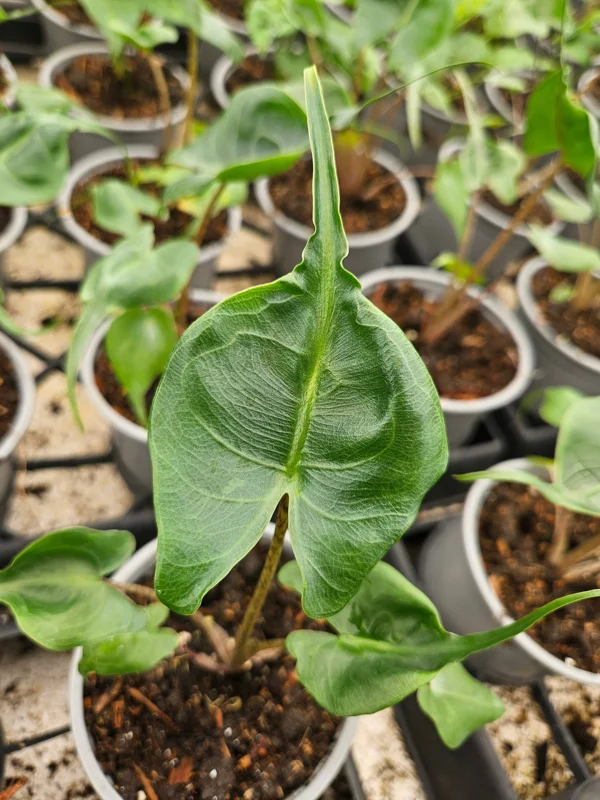
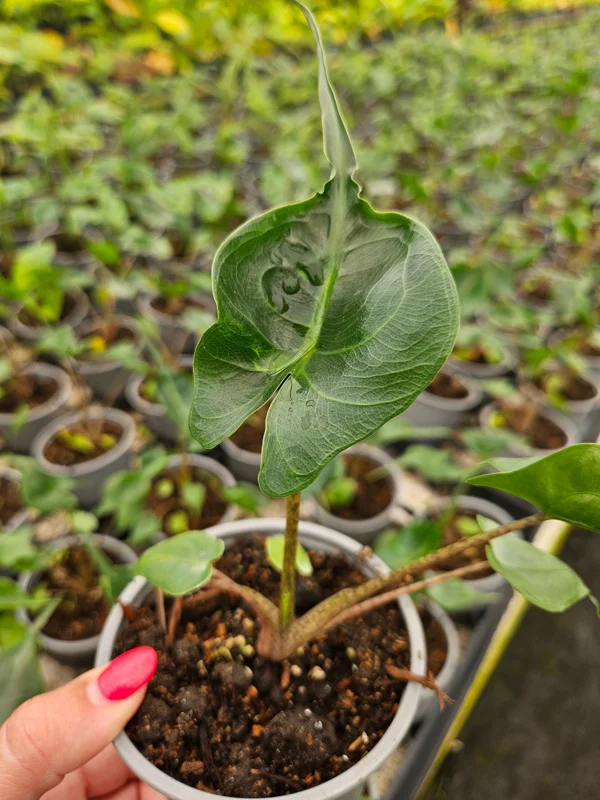
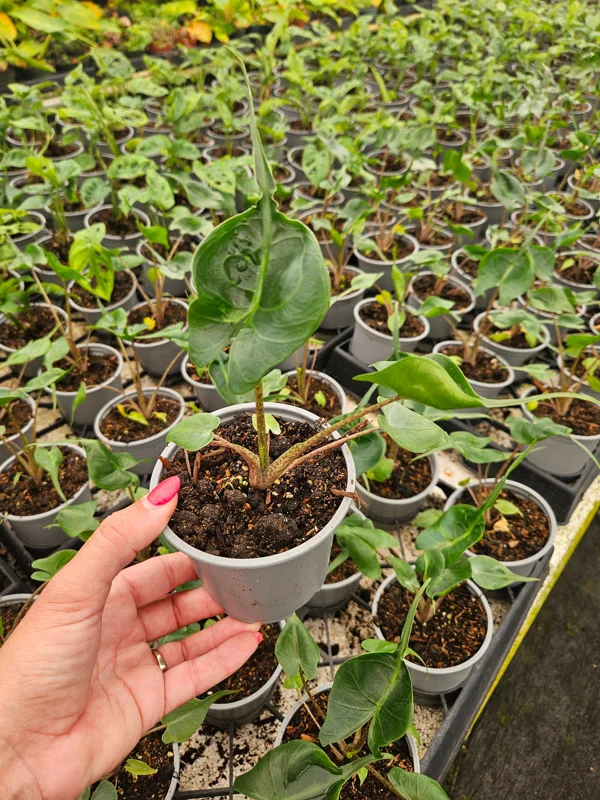
Introduce a touch of the extraordinary to your indoor jungle with the captivating Alocasia Stingray live plant. This unique tropical houseplant, scientifically known as Alocasia macrorrhiza ‘Stingray’, is a true conversation starter, named for its incredibly distinctive foliage that resembles the graceful silhouette of a stingray. Each large, glossy green leaf features a long, pointed tail, creating a dramatic and sculptural display. Originating from the tropical rainforests of Southeast Asia, the Alocasia Stingray live plant thrives in warm, humid environments, making it an ideal choice for bright indoor settings. Its architectural form and vibrant green hues make it a focal point in any room, adding an exotic and luxurious feel to your home or office decor. This particular specimen is provided as a healthy, established plant in a 4 inch pot, ready to bring immediate botanical beauty to your space.
Key Benefits
The Alocasia Stingray live plant offers numerous benefits beyond its stunning appearance, making it a prized addition for any plant enthusiast. Its unique form and vibrant foliage contribute significantly to indoor aesthetics and overall well-being. This tropical Alocasia plant is more than just a pretty face; it’s a living piece of art.
Exotic Visual Appeal: The most striking feature of the Alocasia Stingray live plant is its incredibly unique leaf shape, resembling a stingray. This distinctive form instantly elevates any room’s aesthetic, serving as a natural piece of living sculpture and a conversation starter.
Air Purification Qualities: Like many houseplants, the Alocasia Stingray contributes to a healthier indoor environment by helping to filter out common airborne toxins. It naturally improves air quality, making your living space fresher and more pleasant.
Enhances Interior Decor: With its large, glossy leaves and upright growth habit, this indoor Alocasia plant adds a dramatic, architectural element to modern and traditional decor alike. It creates a lush, tropical ambiance that can transform any space.
Sense of Calm and Well-being: Caring for plants, including the Alocasia macrorrhiza Stingray, can reduce stress and improve mood. The presence of greenery has been shown to create a more relaxing and harmonious environment, boosting overall well-being.
Moderate Maintenance: While it has specific needs, the Alocasia Stingray live plant is not overly demanding once its basic requirements for light, water, and humidity are met. It offers a rewarding experience for those willing to provide consistent care.
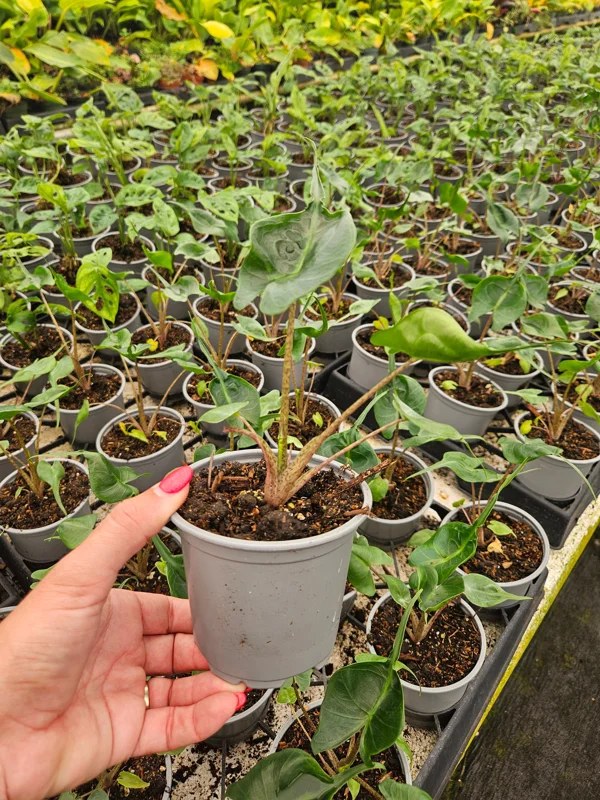
Compact Size for Versatility: Arriving in a 4 inch pot, this plant is a manageable size for various placements, from desks and shelves to tabletops. Its relatively contained growth makes it suitable for smaller spaces while still delivering a big visual impact.
Unique Foliage Texture: The smooth, leathery texture of the leaves, combined with prominent veining, adds another layer of sensory interest to this already captivating tropical Alocasia plant.
Plant Care & Growing Tips
Caring for your Alocasia Stingray live plant involves understanding its tropical origins and replicating those conditions as best as possible indoors. Providing consistent care will ensure your plant thrives and maintains its stunning appearance. This indoor Alocasia plant appreciates a stable environment without drastic fluctuations.
Sunlight Requirements: The Alocasia Stingray prefers bright, indirect light. Place it near an east or north-facing window, or a few feet away from a south or west-facing window where it won’t receive harsh direct sunlight, which can scorch its delicate leaves. Too little light can lead to leggy growth and smaller leaves. Filtered light, such as through a sheer curtain, is ideal for the Alocasia macrorrhiza Stingray.
Watering Schedule and Soil Moisture: Alocasias like consistent moisture but are prone to root rot if overwatered. Allow the top 1-2 inches of soil to dry out before watering thoroughly. Ensure the pot has good drainage. Reduce watering slightly in the cooler, darker winter months when the plant’s growth slows. Using filtered or rainwater can be beneficial for this sensitive plant. Do not let the plant sit in standing water.
Soil Type and Drainage: A well-draining, airy potting mix is crucial for the Alocasia Stingray live plant. A mix designed for aroids or tropical plants, often containing peat moss, perlite, and orchid bark, works well. Good drainage prevents waterlogging and promotes healthy root development.
Temperature Range and USDA Hardiness Zone: Maintain warm temperatures between 65-80°F (18-27°C). Alocasias are very sensitive to cold and drafts; avoid placing them near open windows in winter or air conditioning vents. They are suitable for outdoor growth only in USDA Zones 10-11, where temperatures remain consistently warm year-round. For most of the US, this is strictly an indoor Alocasia plant.
Humidity: High humidity is vital for the Alocasia Stingray. Aim for 60% or higher. You can achieve this by misting regularly, placing the pot on a pebble tray filled with water (ensuring the pot doesn’t sit in the water), or using a humidifier. Dry air can lead to crispy leaf edges and can attract spider mites.
Fertilization Schedule and Type: Fertilize your tropical Alocasia plant with a balanced liquid fertilizer diluted to half strength once a month during its active growing season (spring and summer). Reduce or cease fertilization during fall and winter. Over-fertilization can lead to nutrient burn.
Common Problems and Solutions: Yellowing leaves can indicate overwatering or nutrient deficiency. Brown, crispy edges often point to low humidity or underwatering. Pests like spider mites and mealybugs can be an issue; inspect your plant regularly and treat with neem oil or insecticidal soap if necessary. Don’t be alarmed if some older leaves yellow and drop; this is natural as new growth emerges, especially for the Alocasia Stingray live plant.
Size & Details
This offering is for one healthy Alocasia Stingray live plant, carefully cultivated and shipped in a 4 inch pot. The plant’s height will vary but typically ranges from 6-12 inches from the soil line, depending on current growth stage and maturity. Each plant is selected to represent the high quality and distinct characteristics of the Alocasia macrorrhiza ‘Stingray’. You will receive a well-rooted plant, ready to acclimate to its new indoor environment. The growth rate of this tropical Alocasia plant is moderate under optimal conditions, with new leaves unfurling regularly during the growing season. The 4 inch pot provides a good starting size, allowing the plant to establish itself before requiring a larger container, typically within 6-12 months. This indoor Alocasia plant is shipped in its nursery pot with soil to minimize transplant shock and ensure its health upon arrival.
Frequently Asked Questions
Q: How big does this Alocasia Stingray get? A: While this Alocasia Stingray live plant arrives in a 4 inch pot, it can mature to a significant size with proper care. Indoors, it can reach heights of 2-3 feet with a similar spread, with individual leaves growing quite large. Its ultimate size will depend on the pot size, light, and humidity it receives.
Q: Is this an indoor or outdoor plant? A: For most climates in the United States, the Alocasia Stingray live plant is best grown as an indoor houseplant due to its tropical nature and sensitivity to cold. It can be moved outdoors in warm, humid summer months in shaded areas, but must be brought inside before temperatures drop below 60°F.
Q: How much sunlight does my Alocasia Stingray need? A: Your tropical Alocasia plant thrives in bright, indirect light. Direct sun can scorch its leaves, while too little light can lead to leggy growth and smaller leaves. An east or north-facing window is often ideal, or a spot a few feet away from a brighter window.
Q: Is this plant easy to care for? Is it good for beginners? A: The Alocasia Stingray live plant is considered moderately challenging. It requires consistent attention to humidity, watering, and light. It’s best suited for intermediate plant parents or beginners who are willing to learn and provide consistent care for their indoor Alocasia plant.
Q: What condition will my Alocasia Stingray plant arrive in? A: Your Alocasia macrorrhiza Stingray will arrive carefully packaged in its 4 inch pot, healthy and well-rooted. We take great care to ensure it reaches you in the best possible condition, though some minor transit stress is normal for live plants.
Q: Is the Alocasia Stingray pet-safe? A: No, Alocasia plants, including the Alocasia Stingray live plant, are considered toxic to pets and humans if ingested due to calcium oxalate crystals. Keep this plant out of reach of curious pets and children.
Q: What kind of soil should I use for repotting my Alocasia Stingray? A: When it’s time to repot your tropical Alocasia plant, use a well-draining, airy potting mix. An aroid mix or a blend of potting soil, perlite, and orchid bark will provide the necessary drainage and aeration for healthy root growth. Ensure the new pot has drainage holes.
Q: Why are my Alocasia Stingray’s leaves turning yellow or brown? A: Yellowing leaves on your indoor Alocasia plant often indicate overwatering or a lack of nutrients. Brown, crispy edges usually point to low humidity or underwatering. Assess your watering schedule and humidity levels, and consider a light feeding during the growing season.
Q: Does the Alocasia Stingray go dormant? A: Yes, Alocasia macrorrhiza Stingray can enter a period of dormancy, especially in cooler, darker winter months. During dormancy, some leaves may yellow and drop. Reduce watering and cease fertilizing until new growth resumes in spring. This is a natural part of its life cycle.




Reviews
There are no reviews yet.