Overview
Embark on a rewarding gardening journey with American Groundnut Tubers (Apios Americana), a fascinating and highly nutritious perennial plant. Known by various common names such as groundnut, potato bean, or hopniss, Apios Americana is a native North American vine that produces edible tubers and beans. These tubers are a unique and valuable addition to any sustainable garden, offering a rich source of protein and carbohydrates. Historically, Apios Americana for planting has been a significant food source for indigenous peoples, cherished for its resilience and nutritional value. By planting these tubers, you’re not only growing a delicious food item but also connecting with a rich botanical heritage. This hardy perennial thrives in a variety of conditions, making it an excellent choice for both novice and experienced gardeners seeking to expand their edible landscape.
Key Benefits
Growing American Groundnut Tubers offers a multitude of benefits, both for your garden and your diet. These tubers are not just a food source; they are a resilient and enriching plant to cultivate.
- Sustainable Food Source: Provides a reliable, perennial crop of highly nutritious tubers and beans, contributing to food security and reducing reliance on annual crops. The plant enriches the soil by fixing nitrogen, benefiting other plants in its vicinity.
- Nutritional Powerhouse: The tubers are rich in protein, carbohydrates, and essential minerals, making them a valuable addition to a balanced diet. They offer a unique, earthy flavor that can be incorporated into various culinary dishes.
- Easy to Grow: Apios Americana is known for its hardiness and adaptability, thriving in a range of soil types and light conditions. This makes the groundnut plant care relatively straightforward, even for beginners.
- Wildlife Attractor: The vine’s attractive flowers can attract pollinators like bees and butterflies, contributing to the biodiversity of your garden ecosystem.
- Versatile Culinary Use: The tubers can be boiled, roasted, fried, or mashed, offering a delicious alternative to potatoes. The beans are also edible when cooked.
- Perennial Growth: Once established, the plant returns year after year, providing continuous harvests without the need for replanting. This makes it a low-maintenance and high-yield option for gardeners.
- Historical Significance: Cultivating edible groundnuts allows you to engage with a plant that has deep historical roots in North America, once a staple food for many Native American tribes.
Plant Care & Growing Tips
Caring for American Groundnut Tubers (Apios Americana) is relatively simple, given its robust and adaptable nature. This perennial tubers plant prefers a location with full sun to partial shade, meaning it can tolerate a few hours of direct sunlight but also benefits from some afternoon shade, especially in hotter climates. For optimal growth, aim for at least 6 hours of direct sunlight daily. The ideal soil type is well-draining, rich in organic matter, and slightly acidic to neutral (pH 6.0-7.0). While adaptable, amending heavy clay soils with compost will significantly improve drainage and promote tuber development. When it comes to watering, keep the soil consistently moist, particularly during dry spells and when the plant is actively growing. Avoid waterlogging, as this can lead to tuber rot.
Groundnut plant care also involves providing a sturdy support structure for the climbing vines, such as a trellis, fence, or even other robust plants. Apios Americana is hardy in USDA zones 4-9, making it suitable for a wide range of climates. Fertilization is generally not heavily required due to the plant’s nitrogen-fixing capabilities. However, a balanced organic fertilizer applied in spring can encourage vigorous growth. Pests and diseases are rarely a significant issue for this native plant, though occasional monitoring for common garden pests is always good practice. Harvest tubers in the fall after the foliage dies back, or leave some in the ground to ensure a continuous supply for the following year. The plants will naturally go dormant in winter and re-emerge in spring.
Size & Details
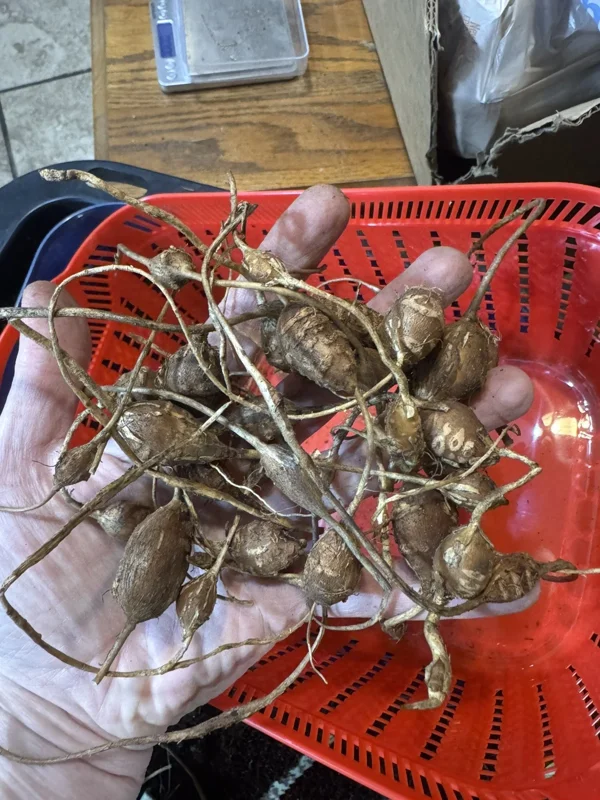
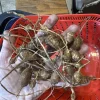
These American Groundnut Tubers are provided ready for planting, allowing you to establish your own patch of this remarkable perennial. Each tuber is carefully selected to ensure viability and strong growth. Once established, the Apios Americana vine can grow quite vigorously, reaching lengths of 10 to 20 feet in a single season, requiring vertical support. The edible tubers typically form in chains underground, ranging in size from small marbles to up to 2-3 inches in diameter, depending on growing conditions and maturity. The plant will produce attractive reddish-brown to purple flowers in late summer, followed by seed pods. Expect your first significant harvest of edible groundnuts within 1-2 years of planting, with yields increasing in subsequent years as the plant matures and spreads. These tubers are shipped as dormant, ready-to-plant specimens, ensuring they arrive in optimal condition for successful establishment in your garden.
Frequently Asked Questions
- Q: How big do American Groundnut Tubers get? A: The vines of Apios Americana for planting can reach lengths of 10-20 feet, and the edible tubers typically grow to 1-3 inches in diameter, often forming in chains underground. Size can vary based on growing conditions and soil fertility.
- Q: Is this an indoor or outdoor plant? A: American Groundnut Tubers are primarily an outdoor plant, thriving in garden settings where their vines can climb. While they can be grown in large containers, they perform best when planted directly in the ground.
- Q: How much sunlight does the groundnut plant need? A: This plant prefers full sun to partial shade. Aim for at least 6 hours of direct sunlight per day, though it can tolerate some afternoon shade, especially in warmer climates.
- Q: Is the groundnut plant care difficult for beginners? A: No, groundnut plant care is considered relatively easy. Apios Americana is a hardy and adaptable native plant, making it a great choice for beginner gardeners looking for a low-maintenance edible crop.
- Q: What condition will the tubers arrive in? A: The tubers are shipped dormant, carefully packaged to ensure they arrive in excellent condition, ready for immediate planting in your garden.
- Q: When is the best time to plant American Groundnut Tubers? A: The ideal time to plant these perennial tubers is in early spring after the last frost, allowing them ample time to establish before the growing season.
- Q: Will these edible groundnuts survive winter in my zone? A: Yes, Apios Americana is hardy in USDA Zones 4-9. The tubers are cold-tolerant and will overwinter in the ground, sprouting again in the spring.






Reviews
There are no reviews yet.