Overview
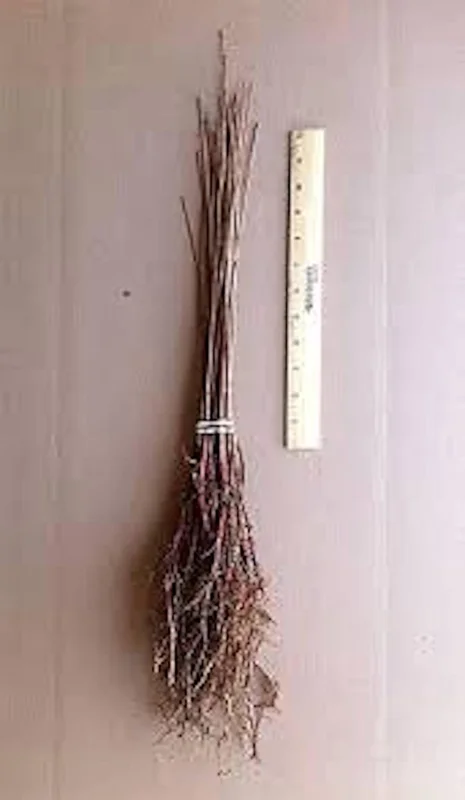
Introduce a touch of native American beauty to your landscape with the american hornbeam live plant (Carpinus caroliniana). Also commonly known as ‘Ironwood’ or ‘Musclewood’ due to its distinctively fluted, muscle-like trunk, this charming tree is a fantastic choice for a variety of garden settings. This particular offering provides a healthy young specimen, typically 6 to 12 inches tall, cultivated in a durable quart pot, ensuring a robust start in your garden. The carpinus caroliniana tree is celebrated for its pleasing small-to-medium size, making it suitable for both spacious yards and more confined urban gardens. Its green summer foliage provides a lush backdrop, transforming into a spectacular display of yellow to fire engine red hues in the autumn, adding significant seasonal interest to your property. This deciduous tree is not only aesthetically pleasing but also a beneficial addition to local ecosystems, supporting wildlife.
The American Hornbeam is a remarkably adaptable and resilient species, making it an excellent choice for gardeners seeking a low-maintenance yet high-impact tree. When mature, its shape can vary from a rounded canopy to a broader, elliptical form, providing architectural interest even in winter with its unique branching structure. One of its most significant advantages is its surprising shade tolerance. Unlike many trees that struggle in less-than-ideal light conditions, the native hornbeam tree can thrive even under the canopy of other larger trees, although it will achieve its happiest and most vigorous growth in partial shade. This makes it an invaluable asset for illuminating darker corners of your garden or as an understory tree. With proper care, your young american hornbeam live plant will establish well and contribute to the beauty and ecological health of your outdoor space for years to come.
Key Benefits
The american hornbeam live plant offers a multitude of benefits for any garden or landscape. Its distinctive characteristics make it a standout choice for both aesthetic appeal and environmental contribution.
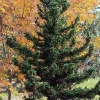
- Stunning Seasonal Color: Enjoy vibrant green foliage throughout the summer, which transitions into breathtaking shades of yellow, orange, and fire engine red in the fall. This dramatic display ensures your garden remains captivating as seasons change.
- Exceptional Shade Tolerance: Unlike many trees, the carpinus caroliniana tree excels in shaded environments. It can thrive as an understory tree or in areas with limited direct sunlight, making it perfect for challenging spots where other plants might falter.
- Unique Trunk and Branching: The ‘musclewood’ characteristic refers to its smooth, gray bark and distinctively fluted, sinewy trunk. This adds unique textural interest, especially visible in winter when the leaves have fallen.
- Wildlife Support: As a native species, the native hornbeam tree provides valuable food and habitat for various local wildlife, including birds and small mammals, contributing to biodiversity in your garden.
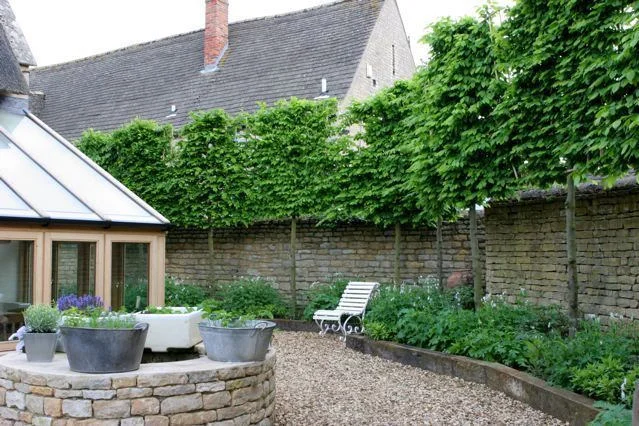
- Versatile Landscape Use: Its moderate size and adaptable growth habit make it suitable for a range of landscape applications, from a specimen tree to an informal hedge or a component of a woodland garden.
- Hardy and Resilient: This tree is known for its hardiness across a wide range of climates, typically thriving in USDA Zones 4-8. Once established, it is relatively low-maintenance and resistant to many common pests and diseases.
- Good for Urban Environments: Its ability to tolerate various soil conditions and partial shade makes it a good candidate for urban and suburban settings where growing conditions can sometimes be less than ideal.
Plant Care & Growing Tips
Caring for your new american hornbeam live plant is straightforward, especially given its hardy and adaptable nature. Understanding its basic needs will ensure your carpinus caroliniana tree thrives and develops into a beautiful specimen. These trees are known for their resilience, making the american hornbeam care relatively easy for gardeners of all experience levels.
Sunlight: While the American Hornbeam is remarkably shade tolerant, it performs best in partial shade, receiving 4-6 hours of direct sunlight per day, preferably morning sun with afternoon shade. It can also tolerate full sun if the soil remains consistently moist, but intense afternoon sun in hot climates can sometimes scorch the leaves if not adequately watered. For optimal fall color, a little more sun exposure is beneficial. Watering: Consistent moisture is key, especially during the establishment phase. Water deeply, 2-3 times a week, ensuring the soil is moist but not waterlogged. Once established, it becomes more drought-tolerant but will benefit from supplemental watering during prolonged dry spells. Avoid letting the soil dry out completely between waterings, particularly during the first year.
Soil: The American Hornbeam prefers moist, well-drained, acidic to neutral soil. It adapts to a variety of soil types, including clay, loam, and sand, as long as drainage is adequate. Amending heavy clay soils with organic matter can improve drainage, while adding compost to sandy soils will enhance moisture retention. Temperature and Hardiness: This tree is exceptionally hardy, thriving in USDA Zones 4 through 8. It can withstand cold winters and hot summers within this range. Protection from harsh winds during its first winter can be beneficial in colder zones. Fertilization: Generally, the native hornbeam tree does not require heavy fertilization. A balanced, slow-release granular fertilizer applied in early spring can be beneficial for young trees to encourage vigorous growth. Avoid over-fertilizing, which can lead to excessive leafy growth at the expense of root development. Pruning: Minimal pruning is typically needed, mainly to remove any dead, damaged, or diseased branches. It can be pruned to shape if desired, usually in late winter or early spring before new growth begins. Its dense branching makes it suitable for hedging or screening purposes if regularly trimmed.
Size & Details
This offering is for one american hornbeam live plant (Carpinus caroliniana), carefully cultivated in a quart-sized nursery pot. The plant you will receive typically measures between 6 to 12 inches tall from the top of the soil, providing a healthy young specimen ready for transplanting. At maturity, the carpinus caroliniana tree can reach impressive heights of 20 to 30 feet with an equally broad spread of 20 to 30 feet, forming a rounded to elliptical canopy depending on its environment and pruning. Its growth rate is considered moderate, allowing you to enjoy its development over time without it quickly outgrowing its space. The tree is shipped as a rooted plant in its quart pot, ensuring minimal transplant shock and providing a robust root system for successful establishment in your garden. Expect to see significant growth and development within a few years, with the full characteristic ‘musclewood’ trunk becoming more prominent as it matures.
Frequently Asked Questions
- Q: How big does this American Hornbeam live plant get? A: The american hornbeam live plant you receive will be 6 to 12 inches tall in a quart pot. When mature, it can reach heights of 20-30 feet with a similar spread, forming a rounded to elliptical canopy.
- Q: Is this an indoor or outdoor plant? A: The carpinus caroliniana tree is an outdoor plant, best suited for landscape planting in gardens, yards, or naturalized areas. It is not generally grown as a houseplant due to its mature size and environmental needs.
- Q: How much sunlight does the American Hornbeam need? A: This tree is known for its shade tolerance and thrives in partial shade, receiving 4-6 hours of sun. It can also adapt to full sun conditions if the soil is kept consistently moist.
- Q: What condition will the plant arrive in? A: Your american hornbeam live plant will arrive as a healthy, rooted plant in its quart pot, carefully packaged to ensure its safety during transit and ready for planting.
- Q: Is this plant easy to care for? A: Yes, the American Hornbeam is considered a relatively low-maintenance tree. Its hardiness and adaptability make american hornbeam care quite straightforward, suitable for both novice and experienced gardeners.
- Q: When is the best time to plant the native hornbeam tree? A: The best time to plant your native hornbeam tree is in the spring or early fall when temperatures are moderate. This allows the plant to establish its root system before extreme summer heat or winter cold.
- Q: Will it survive winter in my zone? A: The American Hornbeam is very hardy and typically thrives in USDA Zones 4-8. If you are within this range, it should survive winter without special protection once established.
- Q: What type of soil does the American Hornbeam prefer? A: It prefers moist, well-drained soil with an acidic to neutral pH. It can tolerate various soil types, including clay, loam, and sand, as long as good drainage is provided.
- Q: How long until the tree shows its fall colors? A: Young trees will begin to show fall color in their first few years, with the intensity and vibrancy increasing as the tree matures. Expect beautiful yellow to red hues in autumn.
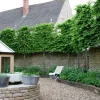
- Q: Can I use this tree for a hedge or screen? A: Yes, the American Hornbeam’s dense branching and ability to tolerate pruning make it an excellent choice for creating informal hedges or natural privacy screens.




Reviews
There are no reviews yet.