Overview
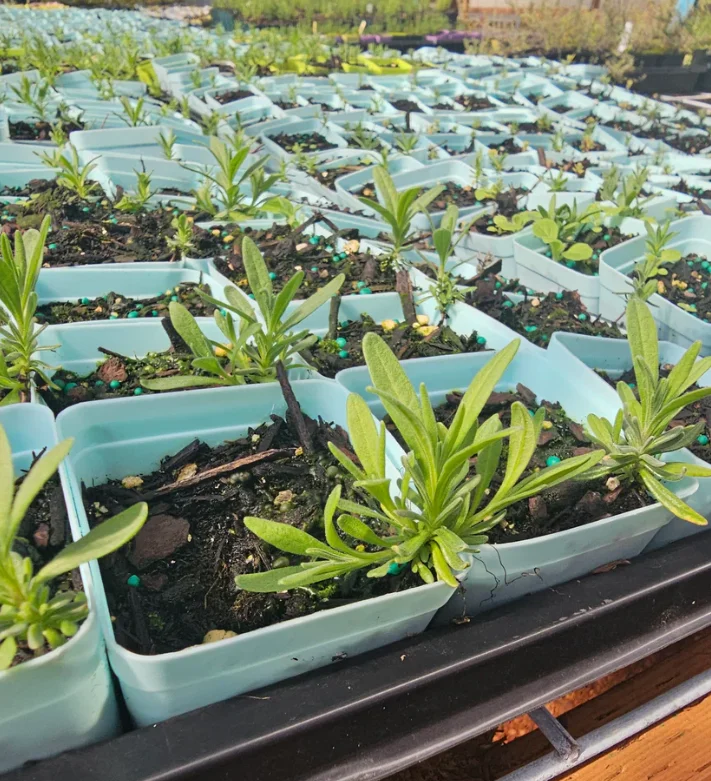
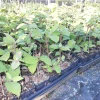
Introduce a magnificent and productive addition to your garden with this elderberry tree live plant. Known botanically as Sambucus canadensis, or commonly as American Elderberry, this versatile shrub is celebrated for its rapid growth, beautiful summer blossoms, and abundant harvest of nutrient-rich berries. Our healthy young plant, standing 6 to 12 inches tall in a 4-inch pot, is ready to establish itself in your landscape. The sambucus canadensis plant is not just an ornamental beauty but a workhorse in the edible landscape, providing a sustainable source of fruit for various culinary delights. Whether you’re a seasoned gardener or just starting, growing an elderberry is a rewarding experience that connects you with nature’s bounty.
The american elderberry shrub is native to North America and thrives in a variety of conditions, making it an excellent choice for many regions. It can be pruned to maintain a multi-stemmed form for maximum fruit production or trained into a single-stemmed small tree, offering flexibility in your garden design. Beyond its fruit, the elderberry’s large clusters of yellowish-white flowers add a delightful fragrance and visual appeal to the summer garden, attracting pollinators and beneficial insects. This plant offers a blend of aesthetic charm and practical utility, enhancing both the beauty and productivity of your outdoor space. Discover the joy of nurturing a plant that gives back season after season.
Key Benefits
The elderberry tree live plant offers a multitude of advantages for any home gardener, combining ornamental beauty with practical yields. From its ease of care to its health-boosting berries, here are some compelling reasons to grow an elderberry:
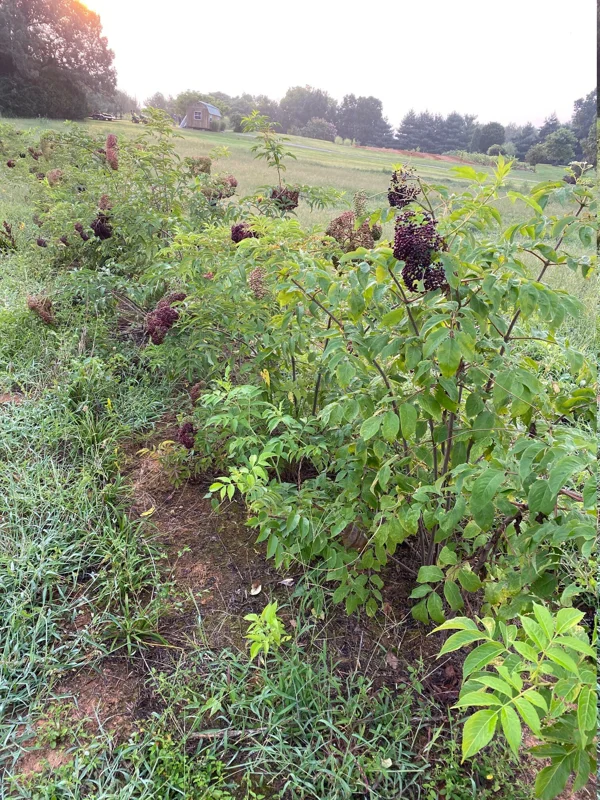
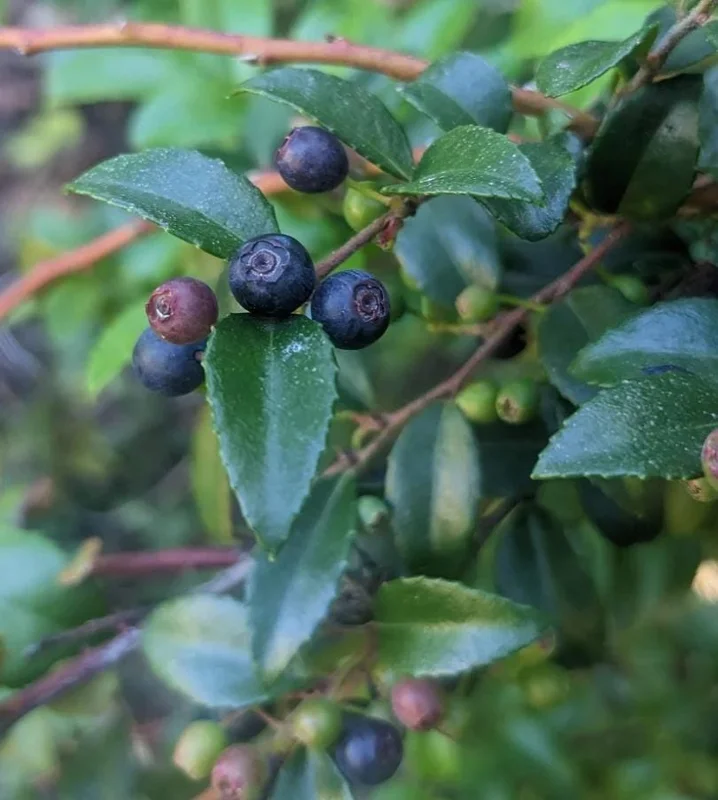
- Abundant Edible Berries: This plant produces dark purple berries in late summer, perfect for making delicious jellies, pies, juices, and even wine. Enjoy a fresh, organic harvest right from your backyard.
- Fast Growth Rate: The American Elderberry is a vigorous grower, increasing in height by more than 24 inches per year once established, quickly filling out your garden space.
- Attractive Summer Blooms: In summer, it boasts large clusters of star-shaped yellowish-white flowers, spanning 6-10 inches wide, adding significant visual appeal and a pleasant aroma to your garden.
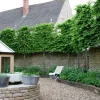
- Versatile Landscaping: Can be maintained as a multi-stemmed shrub for maximum fruit or pruned into a small, single-stemmed tree, adapting to various garden designs and spaces.
- Hardy and Resilient: Thrives in USDA Hardiness Zones 4-9, demonstrating excellent cold tolerance and adaptability to a wide range of climates. This makes growing elderberry tree accessible to many gardeners.
- Pollinator Friendly: The summer flowers attract bees, butterflies, and other beneficial pollinators, contributing to the biodiversity and health of your garden ecosystem.
- Health Benefits: Elderberries are renowned for their nutritional value and traditional medicinal uses, often consumed for their immune-boosting properties. Cultivating an edible berry plant like this provides a ready supply.
Plant Care & Growing Tips
Caring for your elderberry tree live plant is straightforward, making it an excellent choice for both novice and experienced gardeners. Elderberries are relatively low-maintenance once established, but providing optimal conditions will ensure a bountiful harvest. They prefer a location with full sun to partial shade; ideally, at least 6 hours of direct sunlight per day will promote the best fruit production. While they can tolerate some shade, too little sun may reduce flowering and fruiting. Ensure good air circulation around the plant to help prevent fungal issues.
When it comes to watering, elderberries prefer consistently moist soil, especially during dry spells and when the plant is establishing. However, they do not like waterlogged conditions, so well-draining soil is crucial. Water deeply and regularly, particularly during fruit development. A layer of mulch around the base of the plant can help retain soil moisture and suppress weeds. The sambucus canadensis plant adapts to various soil types but thrives in rich, moist, slightly acidic to neutral soils. Amending heavy clay soils with compost or organic matter can improve drainage and fertility.
Elderberries are hardy in USDA Zones 4-9. They are quite tolerant of cold temperatures once dormant. Fertilize in early spring with a balanced, all-purpose fertilizer or a layer of compost to support vigorous growth and fruit development. Pruning is important for maintaining plant health and maximizing fruit yield. In late winter or early spring, remove any dead, damaged, or crossing branches. For best fruit production, encourage a multi-stemmed shrub form, as elderberries fruit on second-year wood. If you’re interested in growing elderberry tree, remember that regular pruning can also help shape it into a small tree. Watch out for common pests like aphids and borers, and address them promptly with organic pest control methods if necessary.
Size & Details
This offering is for one healthy elderberry tree live plant, specifically a Sambucus canadensis, which is commonly known as the American Elderberry. Each plant measures approximately 6 to 12 inches in height from the top of the soil and comes established in a 4-inch nursery pot. This size is ideal for transplanting directly into your garden or a larger container. The plant is shipped in its pot with soil, ensuring minimal transplant shock upon arrival. Once established, the American Elderberry is a fast-growing shrub, with height increases often exceeding 24 inches per year. At maturity, it typically reaches a height and spread of 5-12 feet, forming a substantial bush or small tree depending on how it’s pruned.
The plant will begin to bloom in the summer, producing large clusters of yellowish-white flowers. These flowers are followed by edible dark purple berries, which ripen from August through September. For optimal fruit production, it is generally recommended to plant multiple elderberry shrubs to ensure cross-pollination. This will significantly increase your yield, allowing for a more abundant harvest for all your culinary needs. The american elderberry shrub is a long-lived plant that will provide years of beauty and delicious fruit.
Frequently Asked Questions
- Q: How big does this plant get? A: This elderberry tree live plant is currently 6 to 12 inches tall. When mature, the American Elderberry typically grows to a height and spread of 5-12 feet, depending on pruning and growing conditions.
- Q: What size pot does it come in? A: The plant is shipped in a 4-inch nursery pot, which is suitable for initial growth before transplanting to a larger container or directly into your garden.
- Q: Is this an indoor or outdoor plant? A: The sambucus canadensis plant is primarily an outdoor plant, thriving in garden settings where it can reach its full potential and produce fruit. It is hardy in USDA Zones 4-9.
- Q: How much sunlight does it need? A: Elderberries perform best in full sun (at least 6 hours of direct sunlight daily) to partial shade. More sun generally leads to better fruit production.
- Q: Is this plant easy to care for? A: Yes, elderberries are considered relatively easy to care for once established. They are tolerant of various soil conditions and are quite resilient, making growing elderberry tree straightforward for most gardeners.
- Q: What condition will it arrive in? A: Your plant will arrive as a healthy, live specimen, carefully packaged in its 4-inch pot with soil to ensure its well-being during transit.
- Q: Can I use elderberries in cooking? A: Absolutely! The dark purple berries are excellent for making jellies, pies, juices, and wine. They are a popular ingredient for various homemade treats, making this a great edible berry plant.
- Q: How long until it blooms? A: Elderberry plants typically begin blooming in their second year of growth. You can expect beautiful yellowish-white flowers in the summer months once established.
- Q: When is the best time to plant? A: Spring or early fall are generally the best times to plant elderberry shrubs, allowing them to establish their root system before extreme temperatures.
- Q: Will it survive winter in my zone? A: The American Elderberry is highly cold-hardy, suitable for USDA Zones 4-9, meaning it can withstand cold winters in a broad range of climates.
- Q: Do I need more than one plant for fruit? A: While a single plant may produce some fruit, planting multiple shrubs often leads to significantly increased fruit yields due to improved cross-pollination.



Reviews
There are no reviews yet.