Overview
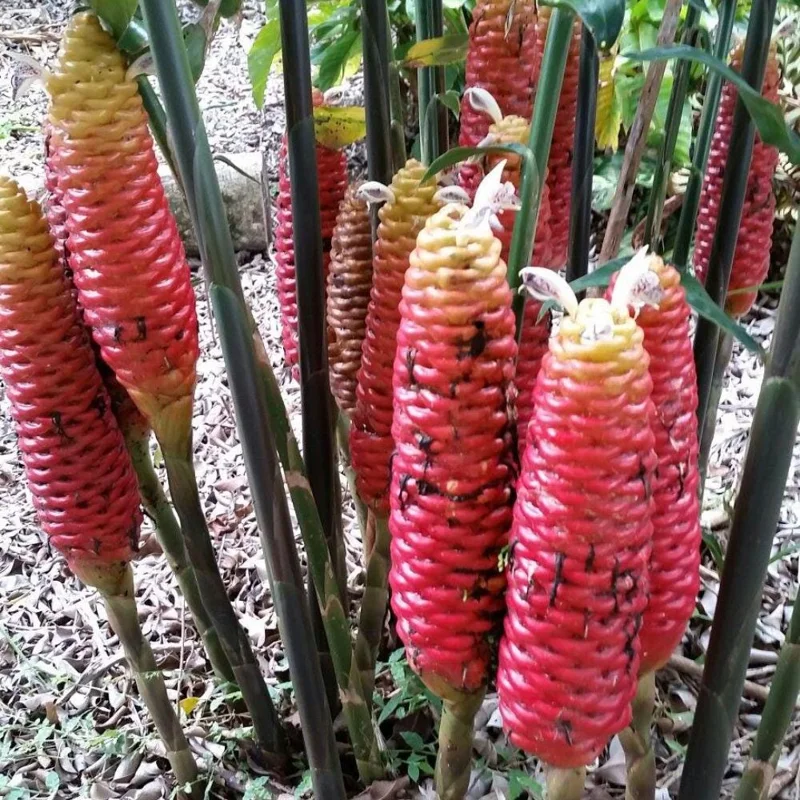
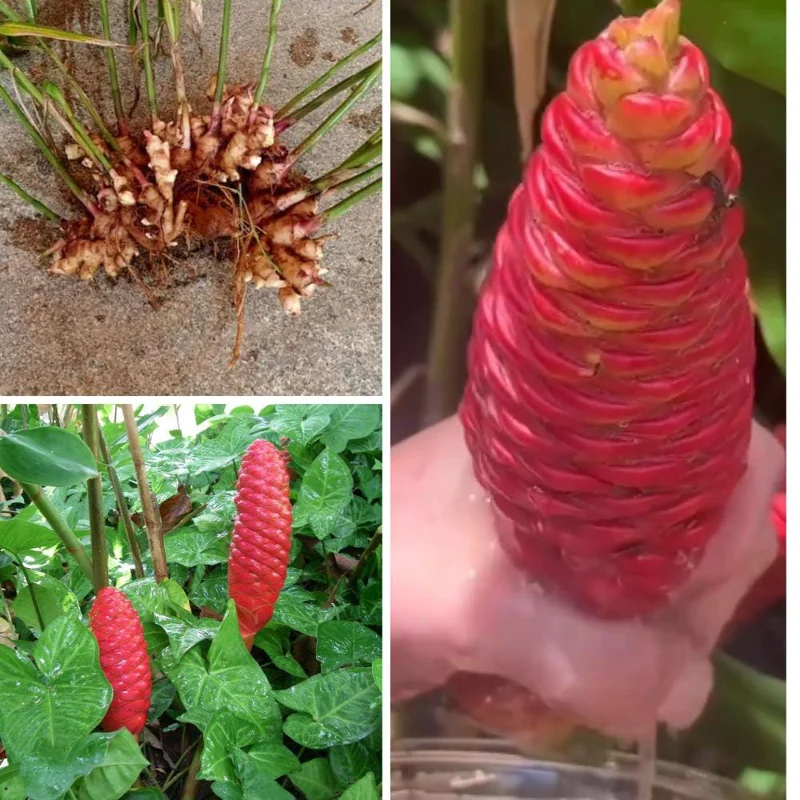
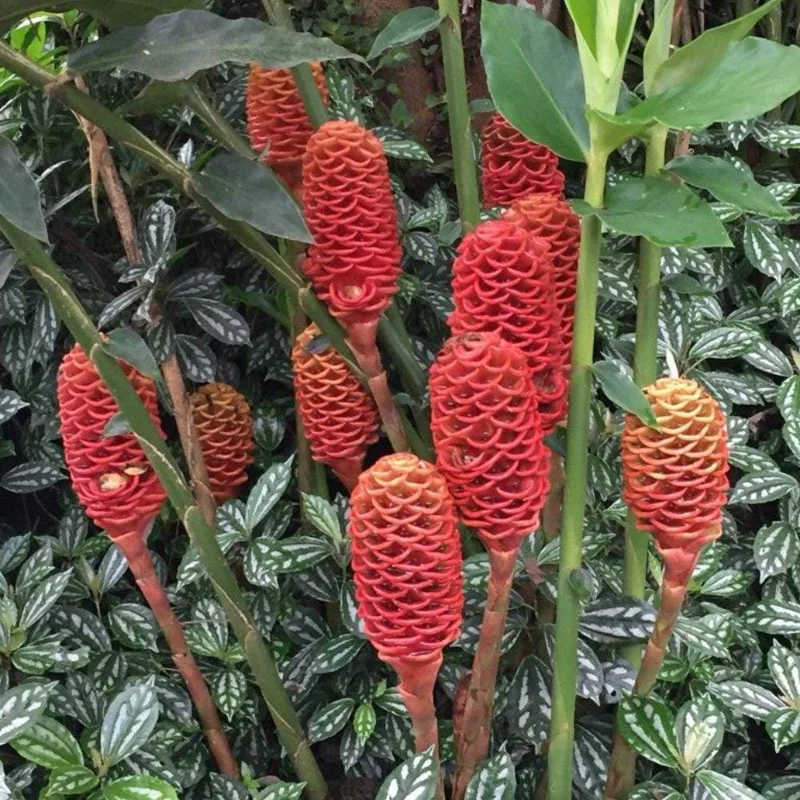
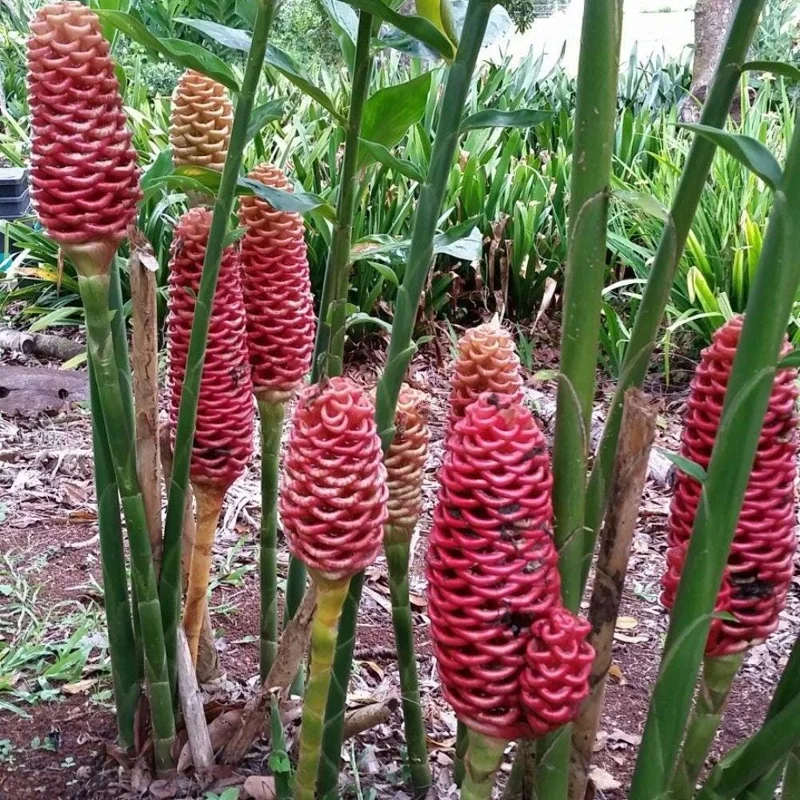
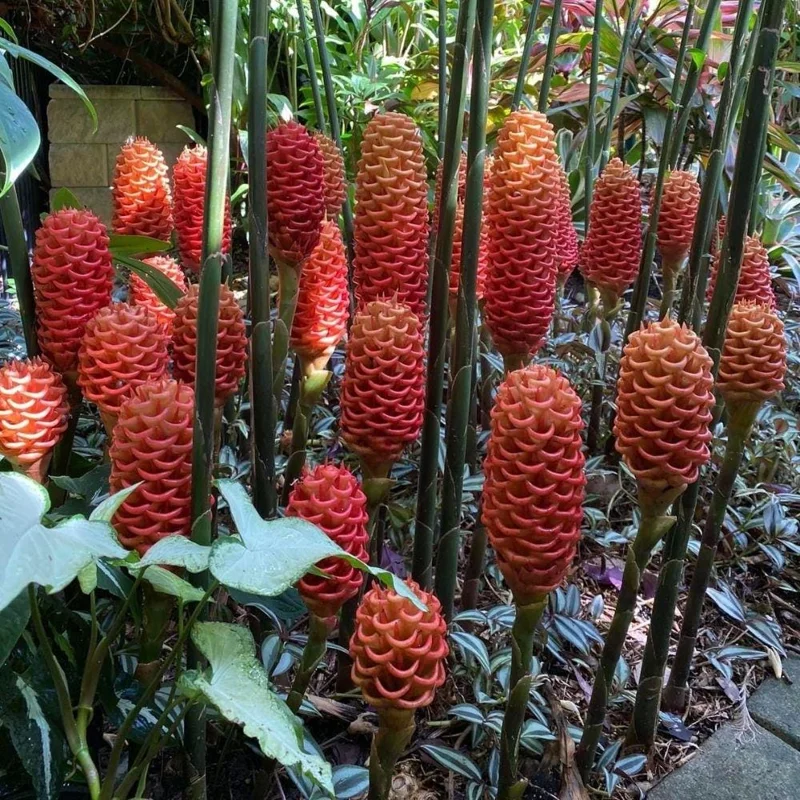
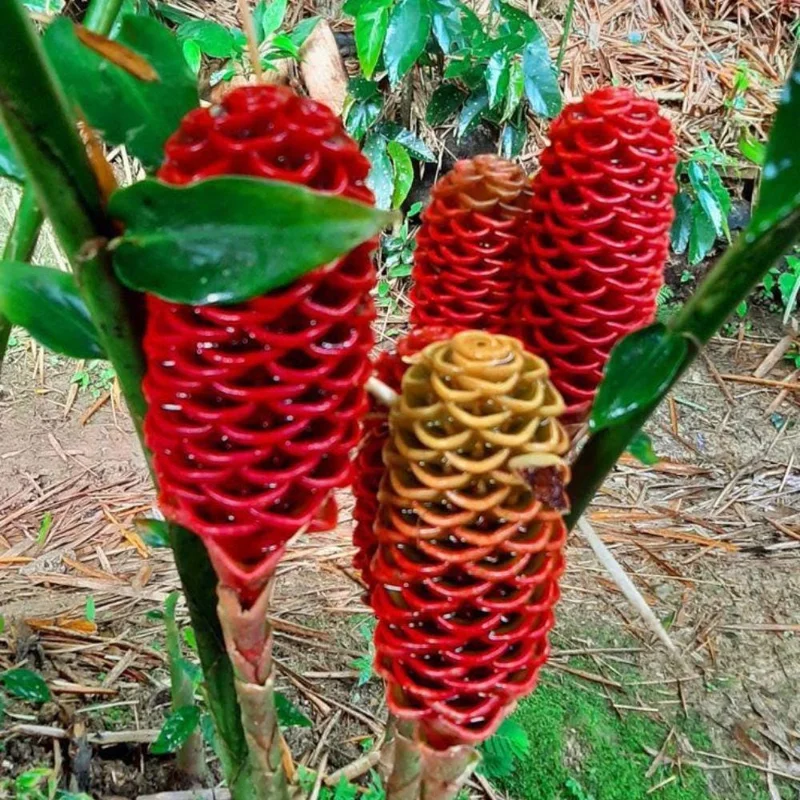
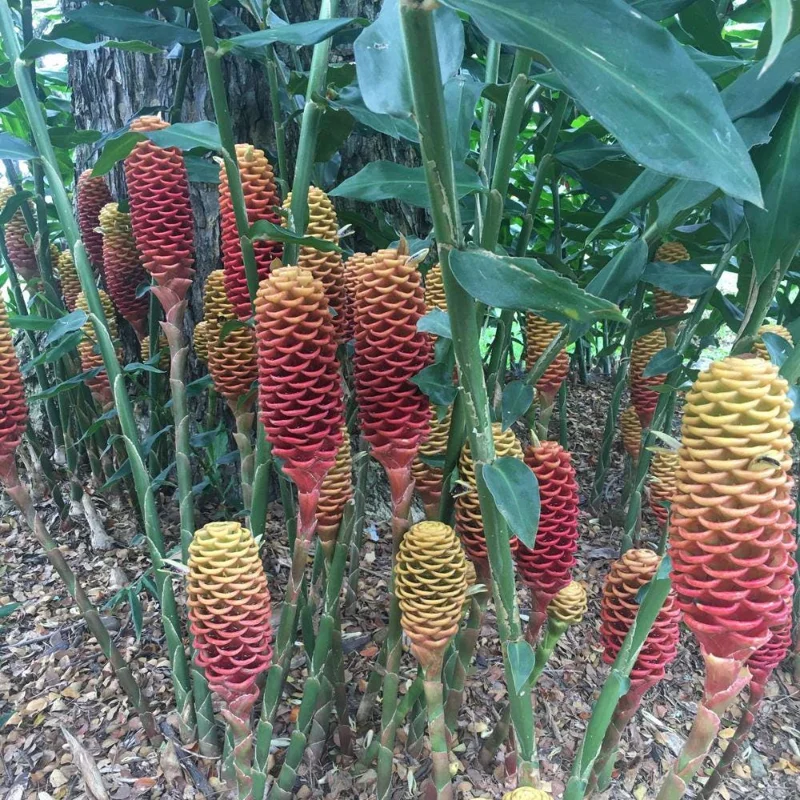
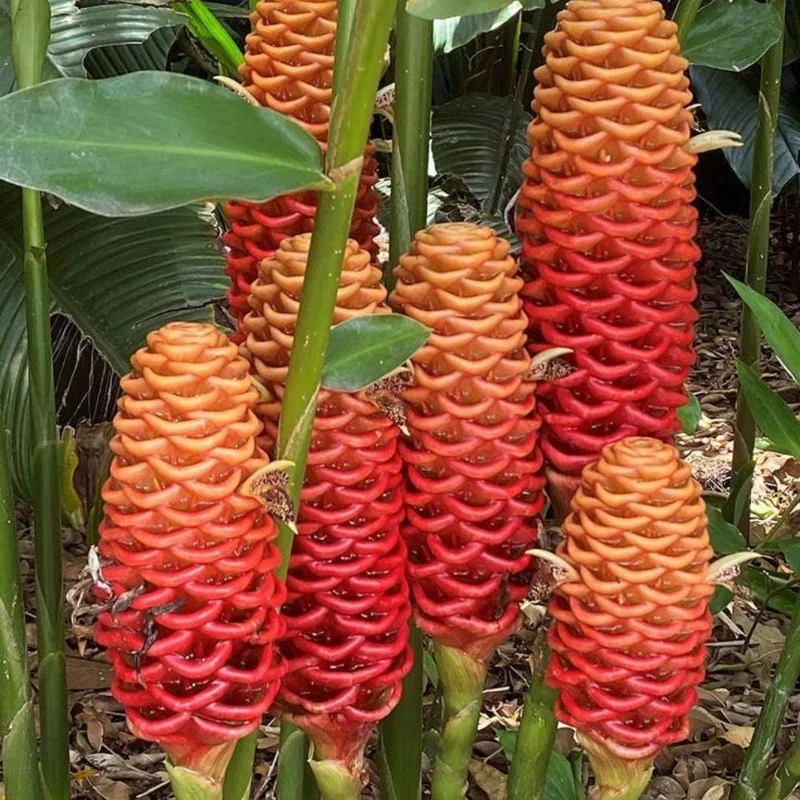
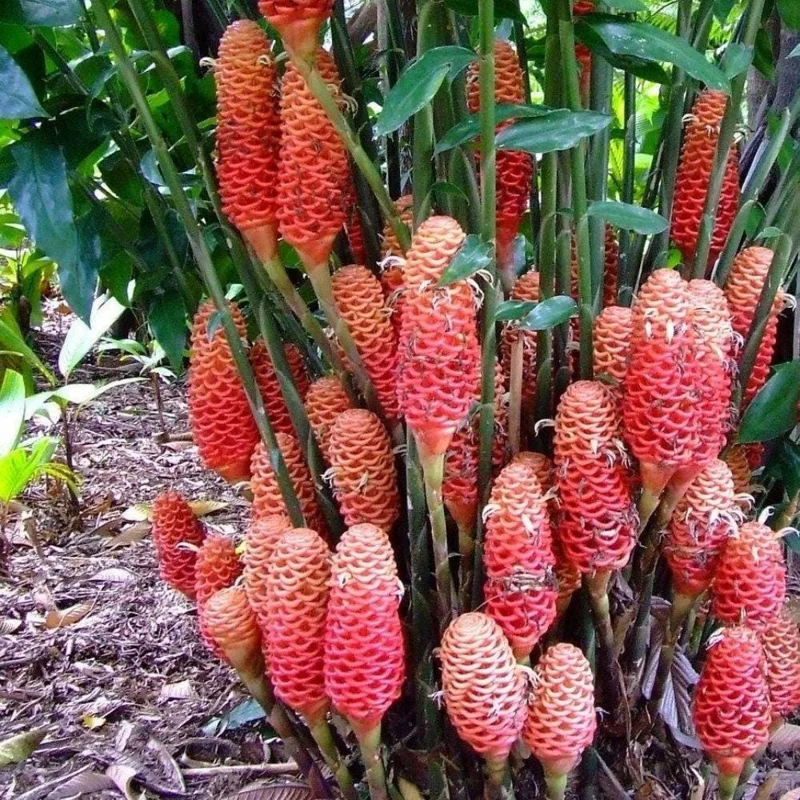
Transform your garden into a lush, fragrant haven with Awapuhi Ginger rhizomes. These remarkable planting roots, scientifically known as Zingiber zerumbet, are the foundation for a stunning tropical plant often referred to as Shampoo Ginger or Pinecone Ginger. Originating from tropical regions, this ornamental ginger is celebrated for its vibrant foliage and distinctive, cone-shaped flower heads that emerge in the warmer months. As the cones mature, they fill with a clear, fragrant liquid, historically cherished for its moisturizing and conditioning properties, making it a natural ingredient for hair care routines. Growing your own Shampoo Ginger plant from rhizomes offers a unique opportunity to connect with nature and enjoy the beauty and utility of this captivating species.
Our Awapuhi Ginger rhizomes are carefully selected to ensure vigorous growth and successful establishment in your garden. Whether you’re an experienced gardener or just starting, planting these roots is a rewarding experience that culminates in a spectacular display of tropical beauty. The resulting Shampoo Ginger plant adds an exotic touch to any setting, creating a focal point with its architectural form and seasonal blooms.
Key Benefits
Planting Awapuhi Ginger rhizomes offers a multitude of benefits, from enhancing your garden’s aesthetic appeal to providing natural resources. This versatile plant is a must-have for anyone looking to add a touch of the tropics to their outdoor or indoor space. Experience the unique advantages of growing your own Zingiber zerumbet roots:
- Exotic Ornamental Appeal: The broad, lush green leaves and unique cone-shaped flowers create a striking visual impact, making it an excellent choice for tropical landscapes, garden beds, or large containers. It provides a dense, full plant display that enhances any setting.
- Natural Hair Care Ingredient: The mature flower cones produce a fragrant, mucilaginous liquid traditionally used as a natural shampoo or conditioner. This offers a unique, sustainable source for natural beauty remedies right from your garden.
- Easy to Grow: Awapuhi Ginger rhizomes are relatively easy to establish and maintain, thriving in warm, humid conditions with minimal fuss. They are a resilient choice for gardeners of varying skill levels.
- Versatile Planting Options: Suitable for diverse environments, these plants can be grown in garden beds to create a tropical border, in containers for patio decoration, or as part of a mixed tropical planting scheme.
- Attracts Pollinators: While primarily grown for its foliage and cones, the plant’s flowers can attract beneficial pollinators to your garden, contributing to a healthy ecosystem.
- Seasonal Interest: The plant offers continuous interest throughout the growing season, from its vibrant green foliage to the emergence and maturation of its distinctive flower cones.
Plant Care & Growing Tips
To ensure your Awapuhi Ginger rhizomes flourish into a healthy and vibrant Shampoo Ginger plant, understanding its specific care requirements is crucial. These tropical beauties thrive in conditions that mimic their natural habitat. For optimal growth, plant your Zingiber zerumbet roots in a location that receives partial shade. While they can tolerate some direct morning sun, protection from intense afternoon sun is vital, especially in hotter climates, as it can scorch their leaves. Aim for an area that receives 4-6 hours of filtered sunlight daily.
Watering is key for this moisture-loving plant. Keep the soil consistently moist but never waterlogged. Good drainage is paramount to prevent rhizome rot. During the active growing season, regular watering is essential, allowing the top inch of soil to dry slightly between waterings. Reduce watering frequency in cooler months or when the plant enters dormancy. For soil, a rich, well-draining potting mix or garden soil amended with compost is ideal. The plant prefers slightly acidic to neutral soil (pH 6.0-7.0).
Awapuhi Ginger rhizomes are tropical plants, preferring warm temperatures. They are typically hardy in USDA Zones 8-11, where they can be grown outdoors year-round. In cooler zones, they can be grown as annuals or brought indoors during winter. Protect them from frost, which can severely damage or kill the plant. Fertilize monthly during the growing season with a balanced liquid fertilizer to encourage lush foliage and flower production. Watch out for common pests like spider mites or mealybugs, and treat with insecticidal soap if necessary. Proper air circulation also helps prevent fungal issues.
Size & Details
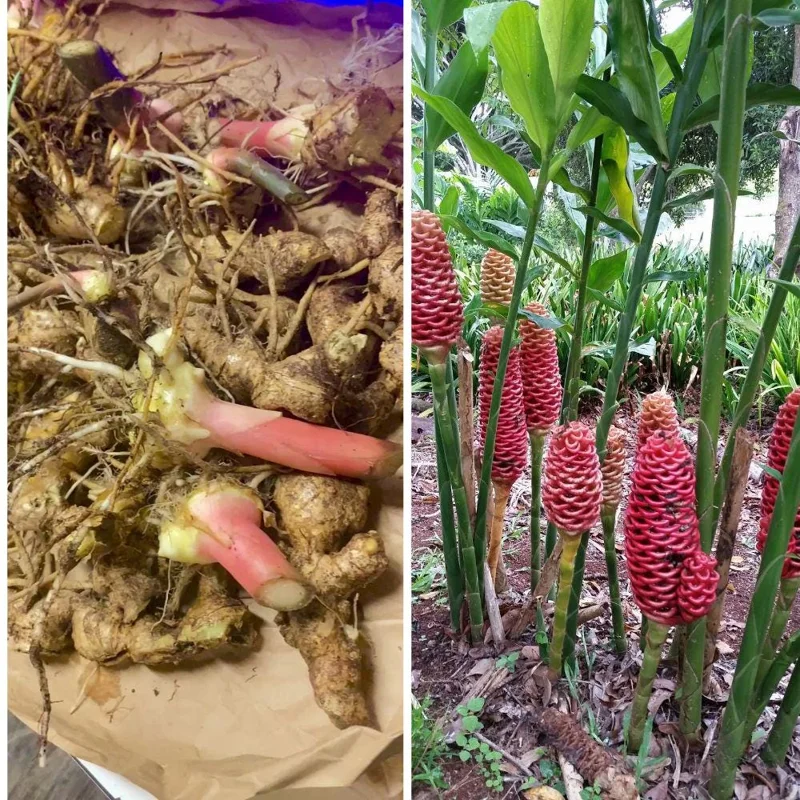
When you receive your Awapuhi Ginger rhizomes, you’ll be getting the planting roots ready to establish your own ornamental ginger live plant. These rhizomes vary in size but are selected for their viability and potential for robust growth. Once planted, the Shampoo Ginger plant typically grows to a height of 3 to 6 feet, with a spread of 2 to 4 feet, creating a substantial and impressive tropical presence. The broad green leaves can reach up to 2 feet in length, contributing to its lush appearance. The distinctive flower cones, which start green and gradually turn red, usually appear in late summer to early fall.
The growth rate of the Zingiber zerumbet roots is moderate, with established plants quickly filling out their space. Expect to see foliage emergence within a few weeks of planting in warm conditions, and flower cones developing in the second year of growth. These plants are ideal for creating a tropical backdrop in your garden or a dramatic statement in large patio containers. They ship as bare roots, ready for immediate planting upon arrival, ensuring a fresh start for your new tropical addition.
Frequently Asked Questions
- Q: How do I plant the Awapuhi Ginger rhizomes? A: Plant the Awapuhi Ginger rhizomes horizontally, about 1-2 inches deep, with any visible buds facing upwards. Ensure the soil is well-draining and keep it consistently moist after planting to encourage sprouting.
- Q: Is this an indoor or outdoor plant? A: The Shampoo Ginger plant thrives outdoors in tropical and subtropical climates (USDA Zones 8-11). In cooler regions, it can be grown in containers and brought indoors during winter, or cultivated as an annual.
- Q: How much sunlight does the Shampoo Ginger plant need? A: It prefers partial shade, ideally 4-6 hours of filtered sunlight per day. Protect it from intense afternoon sun, which can scorch the leaves and hinder the development of the fragrant flower cones.
- Q: Can I really use the liquid from the flower cones for hair care? A: Yes, the liquid from the mature, reddened flower cones of the ornamental ginger live plant has been traditionally used in Polynesian cultures as a natural shampoo or conditioner due to its moisturizing properties.
- Q: How big does this plant get? A: A mature Shampoo Ginger plant typically reaches 3 to 6 feet in height and 2 to 4 feet in width, forming a dense clump of foliage and flower stalks.
- Q: When is the best time to plant Awapuhi Ginger rhizomes? A: The best time to plant is in spring, after all danger of frost has passed and soil temperatures have warmed up. This gives the Zingiber zerumbet roots ample time to establish before the growing season.
- Q: Is the Awapuhi Ginger plant easy to care for? A: Yes, it is considered relatively easy to care for, especially in suitable climates. Providing consistent moisture, partial shade, and well-draining soil are the main requirements for a thriving plant.
- Q: What condition will the rhizomes arrive in? A: Your Awapuhi Ginger rhizomes will arrive as dormant, bare roots, carefully packaged to ensure their health and vitality during transit, ready for immediate planting.
- Q: What are the best companion plants for Shampoo Ginger? A: Consider pairing your Shampoo Ginger plant with other tropical foliage plants like elephant ears, cannas, or caladiums that share similar light and moisture requirements to create a lush, layered garden design.
- Q: How often should I fertilize my tropical plant for hair care? A: During the active growing season (spring through fall), fertilize your Awapuhi Ginger plant monthly with a balanced liquid fertilizer to support vigorous growth and flower production. Reduce or stop fertilization during dormancy.








Reviews
There are no reviews yet.