Overview
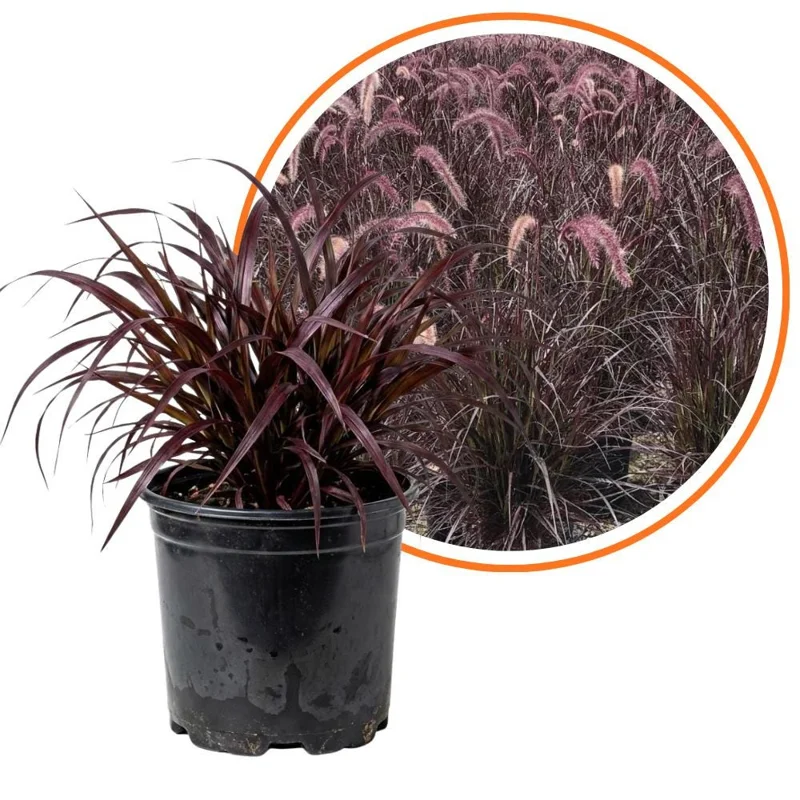
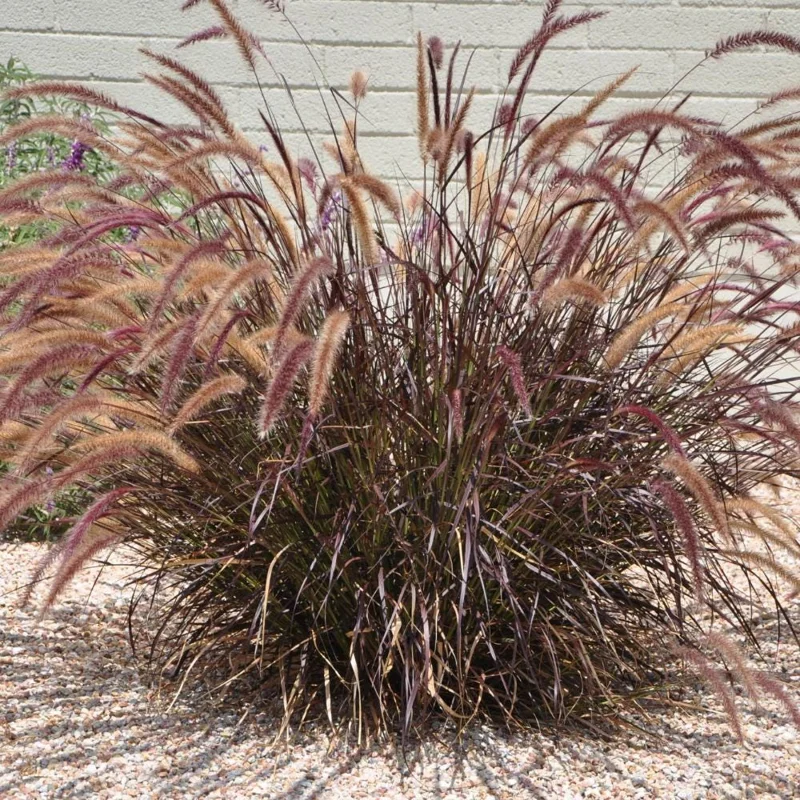
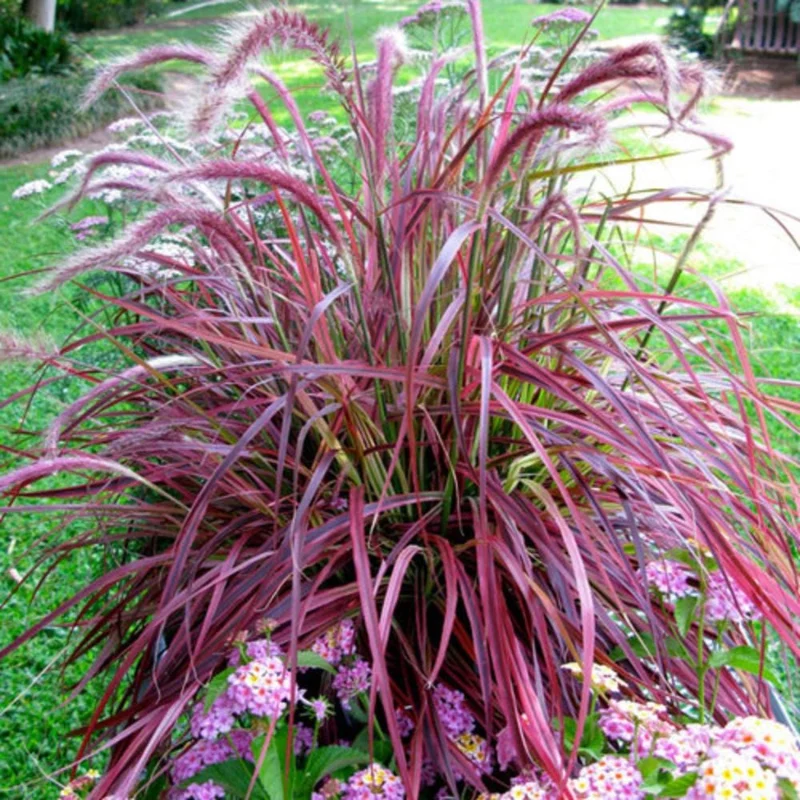
Transform your outdoor space with the elegant black fountain grass live plant. This stunning ornamental perennial, scientifically known as Pennisetum alopecuroides ‘Moudry’ (though specific variety not provided, ‘Black Fountain Grass’ often refers to a dark-flowered form), is celebrated for its graceful arching foliage and striking, dark, bottle-brush-like plumes that emerge in late summer and persist through fall. As a versatile landscape element, this ornamental grass perennial brings unique texture, movement, and a sophisticated touch to garden beds, borders, and containers. It’s an excellent choice for adding visual interest and a sense of calm to any garden design, providing year-round appeal in suitable climates with its clumping growth habit.
Often sought after for its dramatic dark flowers and lush green foliage, the black fountain grass live plant is a favorite among gardeners looking for low-maintenance yet high-impact plants. Its ability to adapt to various growing conditions, combined with its aesthetic appeal, makes it a valuable addition to both contemporary and traditional garden settings. Whether you’re creating a focal point, softening hardscape elements, or adding a backdrop to flowering plants, this grass offers a natural and refined solution. It’s truly a standout plant that enhances the beauty and biodiversity of your outdoor living areas, making it a perfect landscape grass.
Key Benefits
The black fountain grass live plant offers a multitude of benefits that make it a prized choice for any garden. Its aesthetic appeal is undeniable, providing a dynamic visual element that changes with the season. Here are some of the key advantages of incorporating this beautiful grass into your landscape:
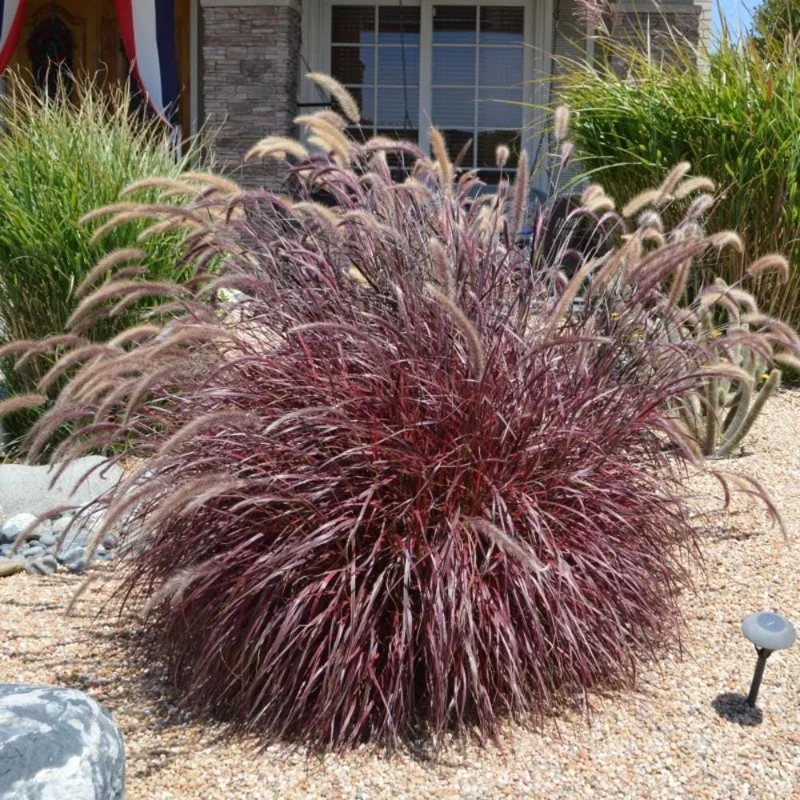
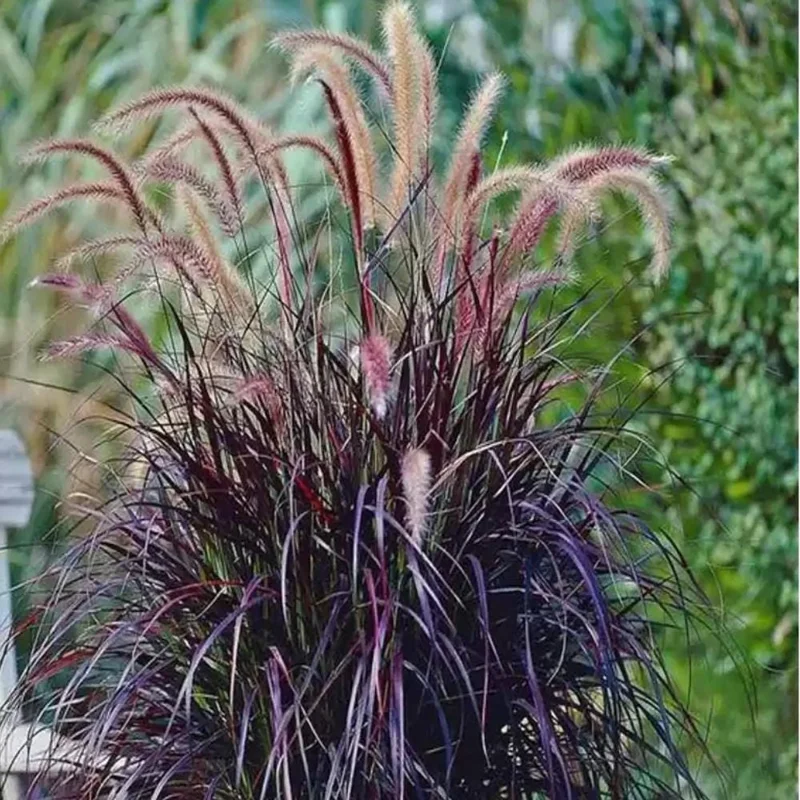
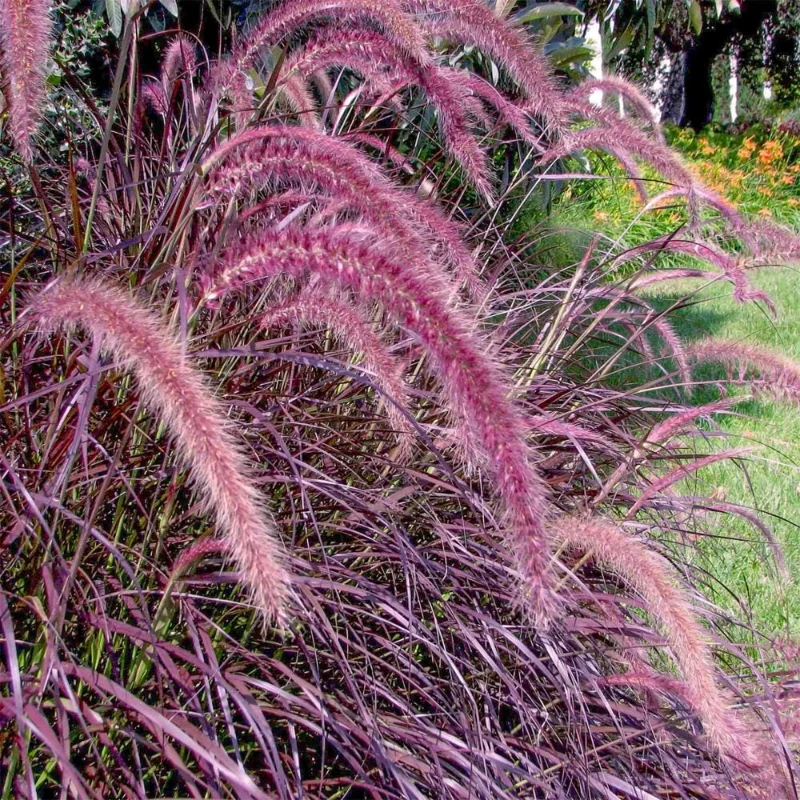
- Dramatic Visual Interest: This grass features slender green blades and produces dark, feathery plumes in late summer, creating a striking contrast and adding unique texture and movement to your garden. The plumes can range from deep purple to almost black, offering a sophisticated look.
- Low Maintenance: Once established, the ornamental grass perennial requires minimal care. It’s relatively drought-tolerant and pest-resistant, making it an ideal choice for busy gardeners or those new to planting.
- Versatile Landscaping: Perfect for a variety of uses, including mass plantings, borders, rock gardens, containers, or as a standalone specimen. Its clumping habit ensures it maintains a tidy appearance.
- Seasonal Appeal: Provides beauty from spring through winter. The lush green foliage is attractive in spring and summer, followed by the dramatic plumes in late summer and fall. Even in winter, its dried seed heads offer architectural interest.
- Attracts Wildlife: The seed heads can provide food for birds in the fall and winter, contributing to a healthy garden ecosystem. This makes it a great garden accent plant for nature lovers.
- Erosion Control: Its fibrous root system can help stabilize soil on slopes or in areas prone to erosion, making it a functional as well as beautiful plant.
- Deer Resistant: Generally not favored by deer, offering peace of mind for gardeners in areas with deer populations.
Plant Care & Growing Tips
Caring for your black fountain grass live plant is straightforward, ensuring it thrives and beautifies your garden for years. This resilient ornamental grass adapts well to various conditions, but providing optimal care will maximize its growth and dramatic appearance. Understanding its needs for light, water, and soil is crucial for success.
For sunlight, this plant performs best in full sun to partial sunlight. Full sun (at least 6 hours of direct sunlight per day) encourages the most vigorous growth and the best development of its dark plumes. While it can tolerate some partial shade, too much shade may result in less dense foliage and fewer flowers. When it comes to watering, the black fountain grass live plant prefers moderate watering. It’s important to allow the soil to dry out slightly between waterings to prevent root rot. Ensure that excess water can drain properly, as consistently soggy soil is detrimental to its health. Newly planted grasses will require more consistent moisture to establish their root systems.
Regarding soil, this ornamental perennial thrives in well-draining soil. It is not particularly fussy about soil type, tolerating sandy, loamy, or clay soils as long as drainage is adequate. Incorporating organic matter into heavy clay soils can improve drainage. The USDA Zone suitability for this plant is typically USDA Zones 6–10, indicating good cold hardiness in most temperate climates. In colder zones, it may be grown as an annual or require winter protection. Fertilization is generally not heavily required; a light application of a balanced slow-release fertilizer in spring can be beneficial, especially in poor soils. Prune back old foliage in late winter or early spring before new growth appears to maintain a tidy appearance and encourage fresh development. Watch for common garden pests, though fountain grass is generally quite resistant. This care regimen will help your Pennisetum alopecuroides flourish.
Size & Details
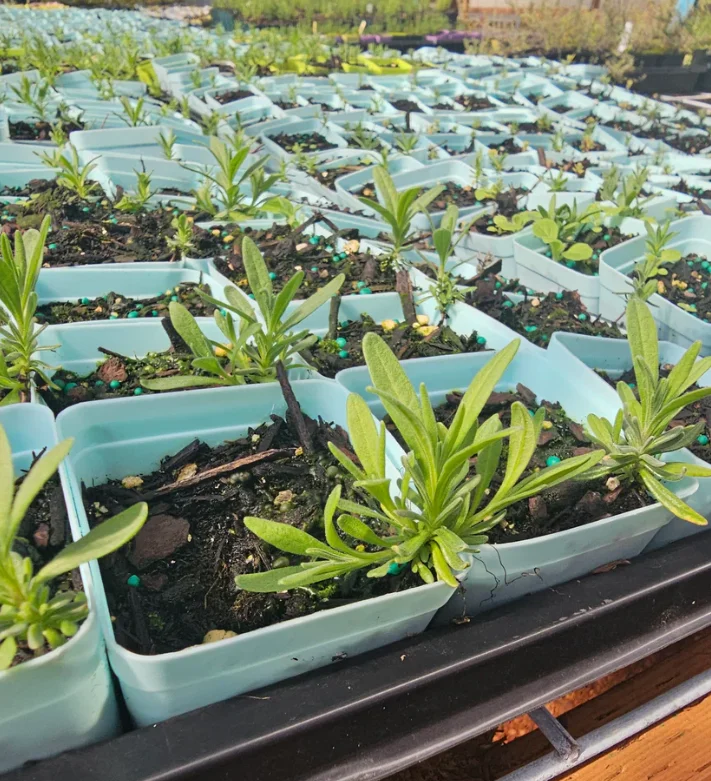
This offering is for a black fountain grass live plant, typically shipped at a height of 4-6 inches. Upon maturity, this ornamental perennial can reach an impressive size of 2-3 feet tall and equally wide, forming dense, graceful clumps. Its growth rate is moderate, establishing well within its first year and reaching mature size within 2-3 growing seasons. The plant develops narrow, green blades that create a soft, flowing texture, complemented by the distinctive dark, bottlebrush-like plumes that emerge in late summer and persist into fall and winter. These plumes are a key feature, adding a striking visual element to the garden.
Your ornamental grass perennial will arrive as a healthy, actively growing plant, ready for immediate planting in your garden. It is shipped in a nursery pot (specific size may vary, but typically 2-4 inches) with soil, ensuring its roots are protected during transit. This clumping ornamental grass is suitable for garden beds, landscape edges, containers, or patio planters, offering flexibility in its placement. Expect robust growth and increasing beauty as it settles into its new environment, becoming a prominent garden accent plant in your landscape design.
Frequently Asked Questions
- Q: How big does this black fountain grass live plant get? A: This black fountain grass live plant typically grows to a mature size of 2-3 feet tall and 2-3 feet wide, forming a dense, clumping mound. Its size can vary slightly depending on growing conditions and climate.
- Q: Is this an indoor or outdoor ornamental grass perennial? A: This is primarily an outdoor plant, suitable for garden beds, borders, and containers in outdoor spaces. While it can be temporarily brought indoors in very cold climates, it thrives best with direct sunlight and outdoor air circulation.
- Q: How much sunlight does the Pennisetum alopecuroides need? A: For optimal growth and flowering, the Pennisetum alopecuroides requires full sun to partial sun. At least 6 hours of direct sunlight daily is ideal to encourage strong growth and abundant dark plumes.
- Q: Is this plant easy to care for? Is it good for beginners? A: Yes, black fountain grass live plant is considered very easy to care for and is an excellent choice for beginners. It’s drought-tolerant once established and requires minimal maintenance, primarily just an annual trim in late winter or early spring.
- Q: What condition will the black fountain grass arrive in? Is it shipped in soil? A: Your black fountain grass live plant will arrive as a healthy, actively growing plant, typically in a nursery pot with its root ball intact and surrounded by soil, ready for planting.
- Q: When is the best time to plant this landscape grass? A: The best time to plant this landscape grass is in spring after the last frost, or in early fall. This allows the plant sufficient time to establish its root system before extreme temperatures.
- Q: Will this ornamental grass perennial survive winter in my zone? A: The ornamental grass perennial is suitable for USDA Zones 6–10. In these zones, it is perennial and will return each year. In colder zones (below 6), it may be grown as an annual or require significant winter protection.
- Q: How often should I water my newly planted black fountain grass? A: For newly planted black fountain grass live plant, water regularly to keep the soil consistently moist but not waterlogged, until the plant is well-established, usually for the first few weeks. After establishment, it becomes more drought-tolerant.
- Q: Can I use this as a garden accent plant in a container? A: Absolutely! This plant makes a beautiful garden accent plant in containers. Just ensure the container has good drainage and is large enough to accommodate its mature size, or plan to divide it every few years.
- Q: Does this grass attract any pests or diseases? A: Black fountain grass live plant is generally very resistant to most pests and diseases. Occasionally, you might see aphids or spider mites, but these are usually not a significant problem and can be managed with organic pest control methods if necessary.





Reviews
There are no reviews yet.