Overview
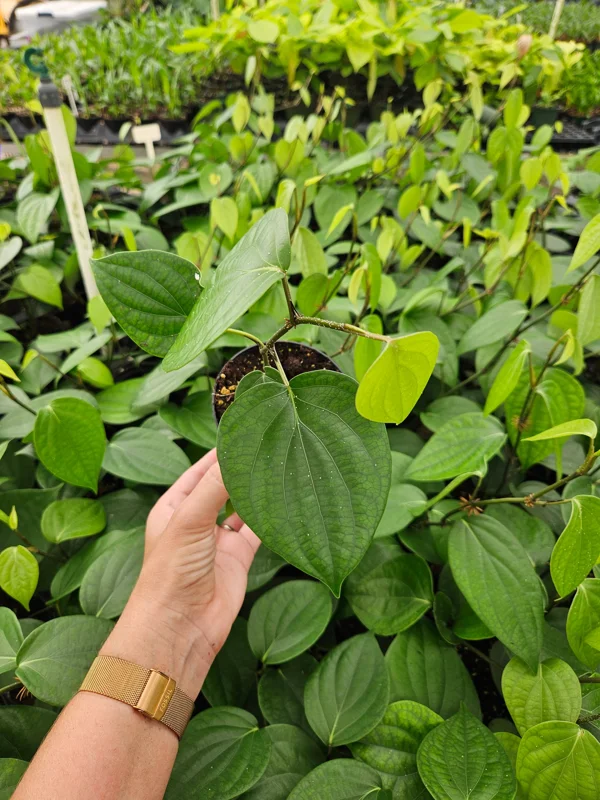
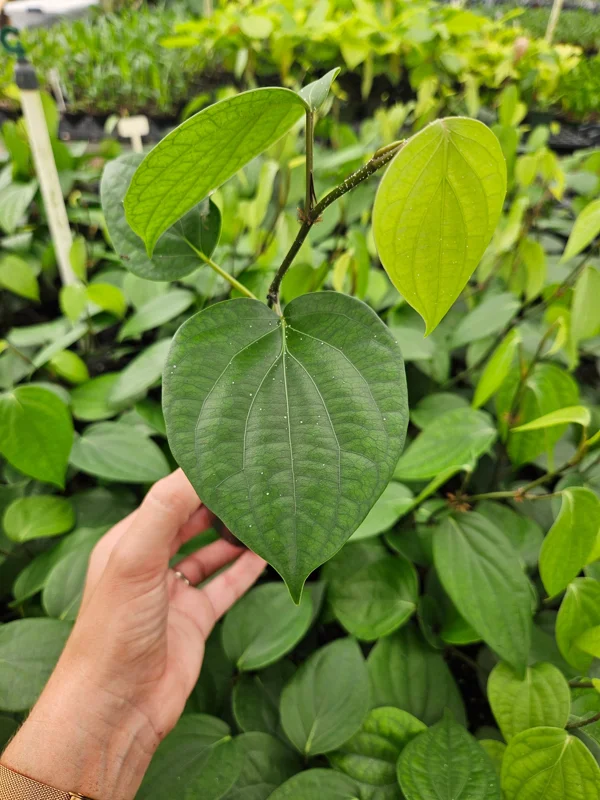
Bring the exotic world of spices into your home with a black pepper live plant. This captivating Piper nigrum, commonly known as the black pepper vine, is a tropical plant renowned for producing the world-famous black peppercorns. Cultivating your own edible pepper plant offers a unique and rewarding experience, allowing you to harvest fresh, aromatic pepper directly from your kitchen or indoor garden. Originating from the humid forests of South India, this plant thrives in warm, consistent environments, making it an ideal candidate for indoor cultivation in many regions. Its lush, glossy green leaves and trailing growth habit also make it an attractive decorative addition to any space, adding a touch of the tropics and a conversational piece. Beyond its culinary value, growing a piper nigrum plant connects you with the source of one of the most ancient and prized spices on the planet.
Key Benefits
Growing a black pepper live plant offers a multitude of benefits, from culinary convenience to aesthetic appeal and educational value. It’s a truly unique addition to any plant collection.
- Fresh Culinary Spice: Enjoy the unparalleled flavor of freshly ground peppercorns, harvested directly from your own plant. The taste of homegrown pepper is significantly more vibrant and complex than store-bought varieties, enhancing all your culinary creations. This makes it an excellent choice for anyone who loves to grow your own pepper.
- Attractive Tropical Foliage: The Piper nigrum boasts beautiful, heart-shaped, glossy dark green leaves that add a lush, tropical touch to your indoor environment. Its vining habit can be trained, making it a versatile decorative plant.
- Educational Growing Experience: Learn about the fascinating process of growing spices from scratch. Observing the development from flower to berry to peppercorn is a rewarding journey for gardeners of all levels.
- Unique Houseplant: Stand out from typical houseplants with this distinctive and functional plant. It’s a conversation starter and a testament to your green thumb. An indoor spice plant adds a unique dimension to your home.
- Potential Health Benefits: Black pepper is known for its antioxidant and anti-inflammatory properties. While not a medicinal plant in the traditional sense, having fresh pepper readily available can contribute to a healthy diet.
- Air Purification: Like many houseplants, the piper nigrum plant contributes to a healthier indoor environment by converting carbon dioxide into oxygen, naturally improving air quality.
- Sense of Accomplishment: There’s immense satisfaction in nurturing a plant from a small pot to a productive spice producer. The feeling of harvesting your own pepper is truly rewarding.
Plant Care & Growing Tips
Caring for your black pepper live plant involves understanding its tropical origins to replicate an ideal growing environment indoors. With proper attention, your Piper nigrum can thrive and produce delicious peppercorns. This edible pepper plant requires consistent care for optimal growth and fruit production.
Sunlight requirements: The piper nigrum plant prefers bright, indirect light. Place it near an east or west-facing window where it can receive several hours of soft morning or late afternoon sun. Avoid harsh, direct midday sun, which can scorch its leaves. If natural light is insufficient, a grow light can supplement its needs, especially during darker winter months. Aim for at least 6-8 hours of bright, filtered light daily.
Watering schedule and soil moisture preferences: Keep the soil consistently moist but never waterlogged. Water thoroughly when the top inch of soil feels dry to the touch. Allow excess water to drain completely from the pot to prevent root rot. Reduce watering slightly during cooler, less active periods, but never let the soil dry out completely. High humidity is crucial for this tropical plant; consider misting daily, using a pebble tray, or placing it near a humidifier.
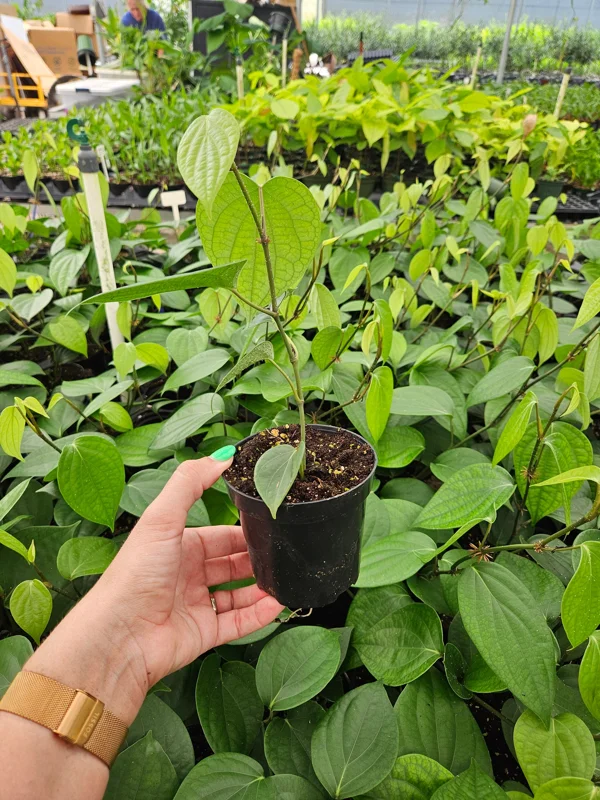
Soil type and drainage requirements: A well-draining, rich potting mix is essential. A blend designed for tropical plants or an aroid mix containing peat moss, perlite, and pine bark is ideal. Good drainage is paramount to prevent waterlogging, which can quickly lead to root issues. The 4-inch pot it arrives in is suitable for starting, but be prepared to repot as it grows.
Temperature range and USDA hardiness zone: Black pepper plants are tropical and prefer warm temperatures between 65-85°F (18-29°C). They are not frost-tolerant. If grown outdoors in suitable climates, they are typically hardy in USDA zones 10-11, but for most US climates, they are best grown as indoor plants. Protect them from sudden temperature drops and cold drafts. This makes it an ideal indoor spice plant for many.
Fertilization schedule and type: Feed your black pepper live plant with a balanced liquid fertilizer diluted to half strength every 2-4 weeks during its active growing season (spring and summer). Reduce fertilization to once a month or stop entirely during fall and winter when growth slows. A fertilizer rich in phosphorus can encourage flowering and fruiting.
Common problems and solutions: Watch out for common houseplant pests like spider mites, mealybugs, and scale. Inspect your plant regularly and treat any infestations promptly with insecticidal soap or neem oil. Yellowing leaves can indicate overwatering or nutrient deficiency, while browning leaf tips often point to low humidity. Ensure consistent care and appropriate environmental conditions to maintain a healthy piper nigrum plant.
Size & Details
This black pepper live plant arrives in a convenient 4-inch nursery pot, providing a sturdy foundation for its initial growth. At this stage, the plant typically stands approximately 6-10 inches tall, with healthy, vibrant foliage ready to establish itself in your home. As a vining plant, Piper nigrum will develop long, trailing stems that can reach several feet in length over time, especially with proper support like a trellis or moss pole. Its growth rate is moderate, allowing you to enjoy its development without it becoming unruly too quickly. While it begins as a compact plant, it has the potential to become a substantial and productive vine, making it a rewarding long-term addition to your indoor garden. The plant is shipped as a rooted specimen, ensuring it has a strong start. Expect to see new growth and eventually flowers and berries as it matures, typically within 2-3 years, given optimal care and conditions.
Frequently Asked Questions
- Q: How big does this black pepper live plant get? A: While it arrives in a 4-inch pot and is relatively compact, the Piper nigrum is a vining plant that can grow several feet long with proper care and support. Its size can be managed through pruning.
- Q: What size pot does the black pepper live plant come in? A: This black pepper live plant is shipped in a 4-inch nursery pot, perfectly sized for its initial growth. You will likely want to repot it into a larger container as it grows.
- Q: Is this an indoor or outdoor plant? A: The piper nigrum plant is a tropical species best suited for indoor cultivation in most climates. It can be grown outdoors in USDA zones 10-11, where temperatures remain consistently warm.
- Q: How much sunlight does the edible pepper plant need? A: Your edible pepper plant thrives in bright, indirect light. Avoid direct, harsh sunlight, which can burn its leaves. A location near an east or west-facing window is usually ideal.
- Q: Is this plant easy to care for? A: While not the absolute easiest houseplant, the black pepper live plant is manageable for intermediate plant enthusiasts. Consistent watering, high humidity, and bright, indirect light are key to its success.
- Q: What condition will the black pepper live plant arrive in? A: Your piper nigrum plant will arrive as a healthy, live specimen in its 4-inch nursery pot, carefully packaged to ensure its safe journey to your home.
- Q: Can I use the pepper from this plant in cooking? A: Yes, absolutely! This is an edible pepper plant (Piper nigrum), and the berries it produces can be harvested, dried, and used as fresh black peppercorns in your cooking. This is why many choose to grow your own pepper.
- Q: How long until it produces peppercorns? A: Typically, a black pepper live plant will start producing flowers and berries within 2-3 years of maturity, provided it receives optimal growing conditions and care.
- Q: What’s the minimum temperature this plant can tolerate? A: Being a tropical plant, the piper nigrum plant prefers temperatures above 60°F (15°C). It is sensitive to cold and will not tolerate frost.
- Q: Is this indoor spice plant pet-safe? A: While black pepper itself is not generally considered toxic to pets in small quantities, it can cause digestive upset if consumed in large amounts. It’s always best to keep plants out of reach of curious pets.




Reviews
There are no reviews yet.