Overview
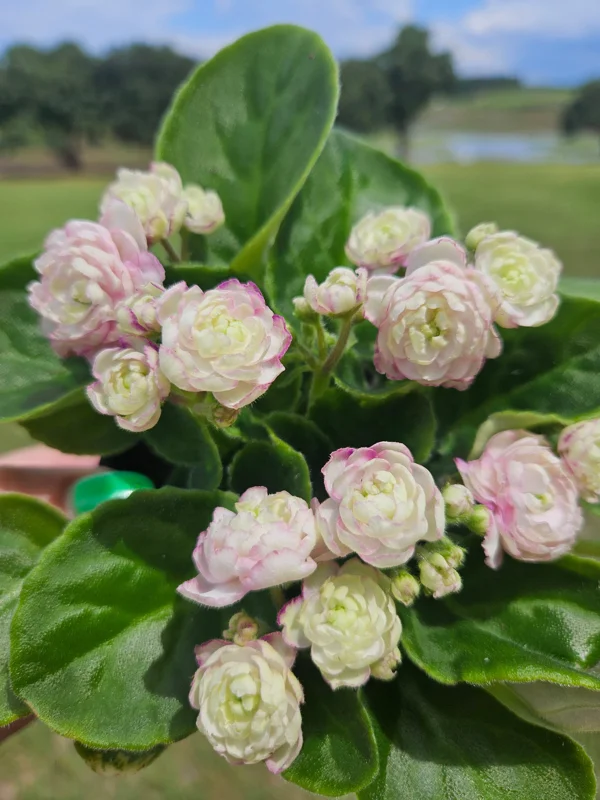
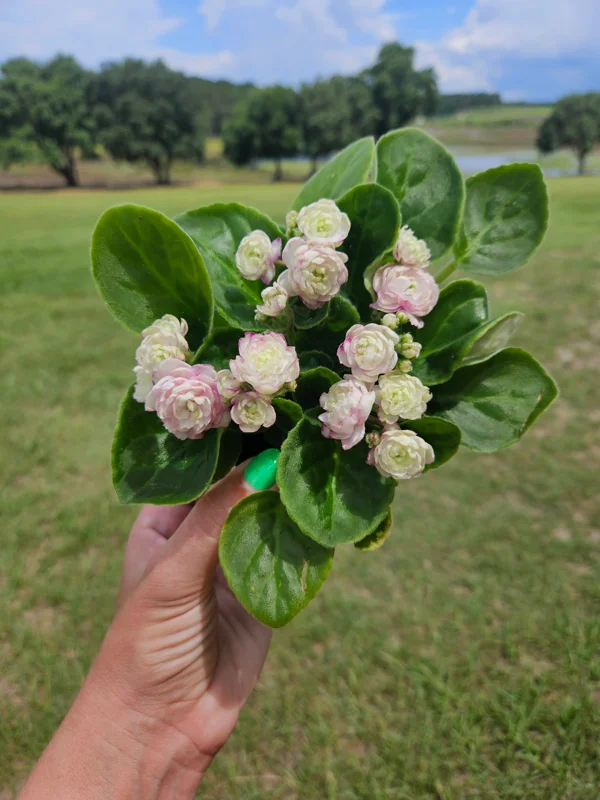
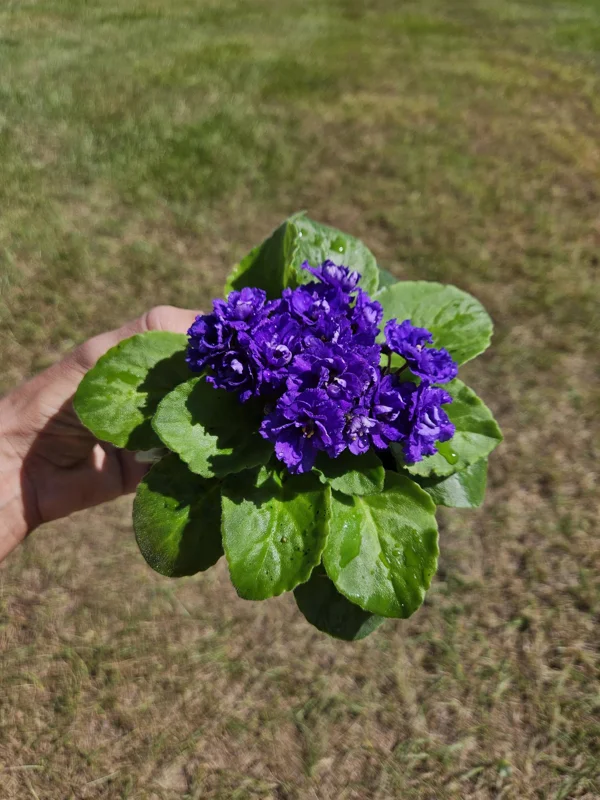
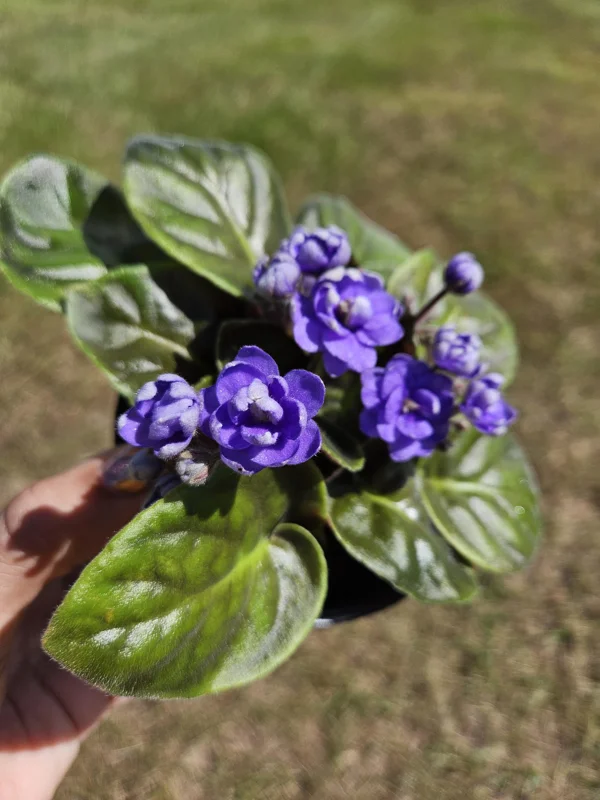
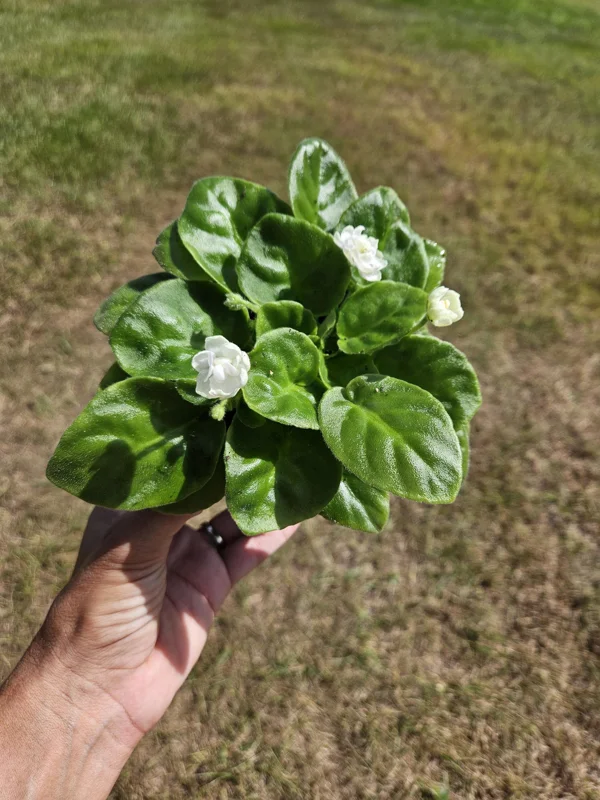
Introduce a touch of enduring beauty to your home with the African Violet live plant, specifically the exquisite ‘Blush Rosette’ variety. This charming cultivar is celebrated for its delicate, rosy-pink, double flowers that form a captivating rosette pattern, creating a lush and vibrant display. Often referred to by its botanical name, Saintpaulia, the African Violet is a beloved choice for indoor gardening enthusiasts, known for its ability to produce continuous blooms throughout the year under proper care. Originating from the misty cloud forests of East Africa, these compact plants are perfectly suited for tabletops, windowsills, and shelves, bringing a cheerful burst of color and natural elegance to any interior setting. The ‘Blush Rosette’ stands out with its unique flower structure and rich color, making it a highly desirable addition to any collection of indoor flowering plants. Each Blush Rosette African Violet arrives as a healthy, thriving specimen in a 4 Inch pot, ready to flourish in its new environment and provide endless enjoyment.
Key Benefits
The African Violet live plant offers a multitude of benefits, making it an excellent choice for both seasoned plant parents and beginners. Its ornamental value is undeniable, but it also contributes positively to the home environment in several ways. Discover the advantages of cultivating this delightful African Violet houseplant:
- Continuous Blooms: Unlike many seasonal plants, the African Violet can bloom year-round with adequate light and care, providing consistent color and beauty in your home. This makes it a rewarding plant for those who appreciate ongoing floral displays.
- Compact Size: Growing to a manageable size, typically 6-10 inches in diameter, African Violets are ideal for small spaces, apartments, or as desk companions. They don’t require extensive room, making them versatile decorative elements.
- Air Purification: While not as potent as some larger houseplants, African Violets contribute to improving indoor air quality by absorbing common household toxins and releasing oxygen, promoting a healthier living space.
- Low Maintenance: Once its specific care needs are understood, the African Violet live plant is relatively easy to maintain. Its predictable requirements make it a satisfying choice for those seeking a beautiful but not overly demanding plant.
- Stress Reduction: The presence of living plants, especially those with beautiful flowers like the Blush Rosette African Violet, has been shown to reduce stress, improve mood, and increase feelings of well-being, enhancing the overall ambiance of your home.
- Versatile Decor: Its classic appeal and variety of colors mean the African Violet can complement almost any interior design style, from traditional to modern, adding a sophisticated touch wherever it’s placed.
- Educational for All Ages: Caring for an African Violet houseplant can be a wonderful educational experience for children and adults alike, teaching responsibility and patience as you watch it grow and bloom.
Plant Care & Growing Tips
Proper African Violet care is essential for ensuring your ‘Blush Rosette’ thrives and produces its stunning blooms consistently. These plants have specific environmental preferences that, once met, lead to a very rewarding growing experience. Understanding these needs will help you cultivate a healthy and vibrant African Violet live plant.
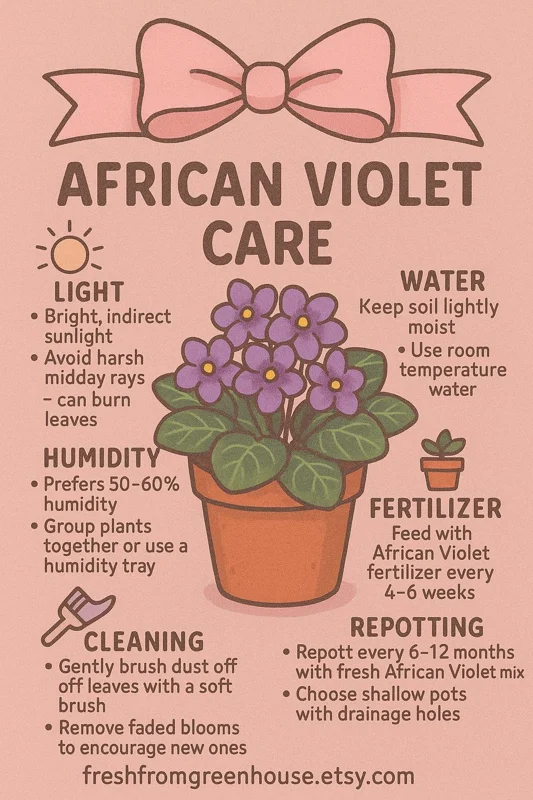
Sunlight Requirements: African Violets prefer bright, indirect light. An east-facing window is often ideal, providing gentle morning sun. A north-facing window can also work, offering consistent indirect light. Avoid direct, harsh sunlight, especially during the afternoon, as this can scorch the leaves and cause them to turn yellow or brown. If natural light is insufficient, fluorescent grow lights can be used, keeping them about 10-12 inches above the plant for 12-14 hours a day. The light should be bright enough to create a slight shadow but not intense enough to cause a strong, dark shadow.
Watering: Watering is crucial for African Violet care. Always use room temperature water, as cold water can shock the roots and cause leaf spotting. Water when the top inch of soil feels dry to the touch. The best method is bottom watering: place the pot in a saucer of water for about 20-30 minutes, allowing the plant to absorb water through its drainage holes. Remove the plant and let any excess water drain completely. Avoid getting water on the leaves, especially cold water, as this can lead to unsightly spots and fungal issues. Ensure the pot has good drainage to prevent root rot. Never let the plant sit in standing water for extended periods.
Soil and Fertilization: A well-draining, airy potting mix specifically formulated for African Violets is highly recommended. This mix typically contains peat moss, perlite, and vermiculite, providing the ideal balance of moisture retention and aeration. Fertilize every 2-4 weeks during the active growing season (spring and summer) with a balanced liquid fertilizer formulated for African Violets, diluted to half or quarter strength. Reduce or stop fertilizing during the dormant winter months. Consistent feeding supports robust growth and prolific blooming for your African Violet houseplant.
Temperature and Humidity: African Violets thrive in consistent room temperatures between 65-75°F (18-24°C). Avoid sudden temperature fluctuations or drafts from windows or air conditioners. They also appreciate high humidity, ideally around 50-60%. You can increase humidity by placing the pot on a pebble tray filled with water (ensuring the pot doesn’t sit directly in the water) or by using a room humidifier. Grouping plants together can also create a microclimate with higher humidity. Good air circulation is also important to prevent fungal diseases, so avoid placing them in overly stagnant environments.
Size & Details
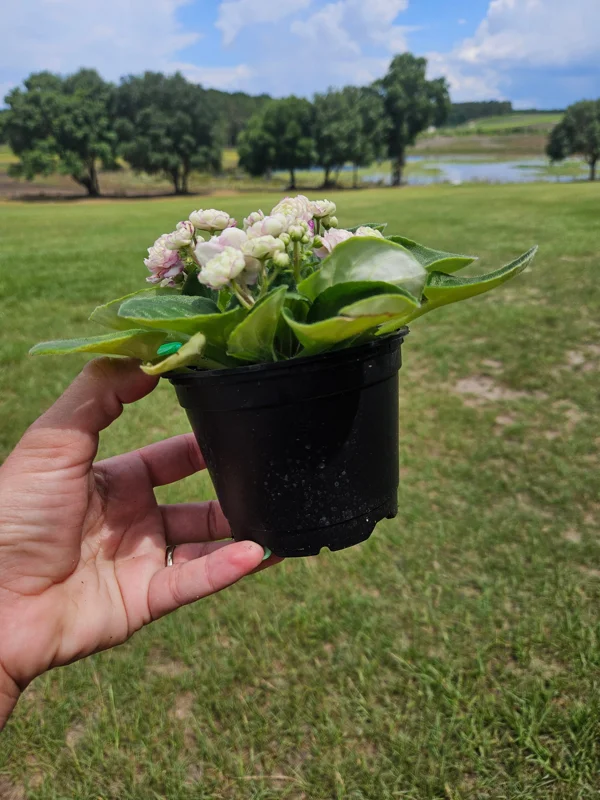
The Blush Rosette African Violet is presented as a vibrant live plant, perfectly sized for immediate enjoyment in your home or office. Each plant comes established in a durable 4 Inch pot, providing a stable foundation for its continued growth. At this size, the plant typically measures approximately 4-6 inches in height and spread, making it a compact yet impactful decorative element. African Violets are known for their moderate growth rate, and with proper African Violet care, you can expect it to gradually fill its pot and produce an abundance of its characteristic blush-pink blooms. This potted specimen is ready to display upon arrival, bringing instant color and charm to any indoor setting.
Frequently Asked Questions
- Q: How big will this African Violet live plant get? A: The ‘Blush Rosette’ African Violet typically grows to a compact size of about 6-10 inches in diameter, making it perfect for windowsills, shelves, or desks. Its manageable size is one of its many appealing characteristics as an African Violet houseplant.
- Q: Is this an indoor or outdoor plant? A: This African Violet live plant is primarily an indoor houseplant. It thrives in controlled indoor environments with consistent temperatures and indirect light, making it unsuitable for most outdoor conditions.
- Q: How much sunlight does my Blush Rosette African Violet need? A: Your Blush Rosette African Violet requires bright, indirect light. An east-facing window is ideal, or a north-facing window. Avoid direct sunlight, which can scorch its leaves.
- Q: Is this plant easy to care for? A: Yes, with an understanding of its specific needs, African Violets are relatively easy to care for. Consistent watering with room temperature water and appropriate light are key to successful African Violet care.
- Q: What condition will the African Violet live plant arrive in? A: Your plant will arrive healthy and well-packaged in its 4 Inch pot, ready to be placed in your chosen location. We take great care to ensure it reaches you in excellent condition.
- Q: Can I use tap water for my African Violet? A: Tap water can be used if it’s allowed to sit out for 24 hours to allow chlorine to dissipate and to reach room temperature. However, distilled or filtered water is often preferred for sensitive plants like the African Violet houseplant.
- Q: When is the best time to repot my African Violet? A: African Violets prefer to be slightly root-bound. Repot only when necessary, typically every 6-12 months, into a pot that is only slightly larger than the current one, using fresh African Violet potting mix.
- Q: Why are the leaves on my African Violet turning yellow? A: Yellowing leaves can indicate several issues, including too much direct sunlight, overwatering, or a nutrient deficiency. Adjusting light exposure and reviewing your African Violet care routine can help resolve this.
- Q: Is this African Violet safe for pets? A: African Violets are generally considered non-toxic to cats and dogs, making them a relatively safe choice for homes with pets. However, it’s always best to discourage pets from ingesting plants.
- Q: How do I encourage my African Violet to bloom more? A: To encourage more blooms, ensure your African Violet live plant receives adequate bright, indirect light, consistent watering, and regular feeding with a fertilizer formulated for African Violets. Removing spent blooms also helps.







Reviews
There are no reviews yet.