Overview
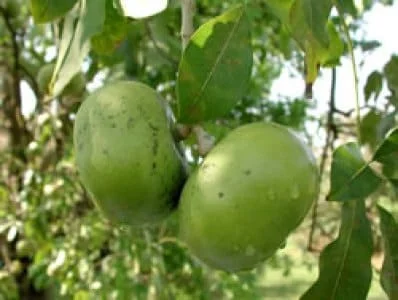
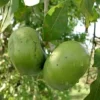
Bring the tropics to your home with a black sapote live plant. Often referred to as the “chocolate pudding fruit tree” due to its rich, dark, and creamy pulp, the Black Sapote (Diospyros nigra) is a fascinating and rewarding fruit tree to grow. This unique plant offers an exotic taste experience that truly lives up to its delicious nickname. Originating from Mexico and Central America, the black sapote live plant is a beautiful evergreen that can become a stunning focal point in your landscape or a productive container plant in cooler regions. Our plants are carefully nurtured to ensure they arrive healthy and ready to flourish, providing you with the opportunity to harvest your very own chocolatey fruit.
The black sapote live plant is not only prized for its distinctive fruit but also for its attractive foliage and easy-care nature in suitable climates. It’s a fantastic choice for fruit enthusiasts, home gardeners looking for something out of the ordinary, or anyone wanting to add a touch of the exotic to their edible garden. Growing your own chocolate pudding fruit tree allows you to enjoy the freshest, most flavorful fruit, free from pesticides and picked at peak ripeness. Experience the joy of harvesting a superfood that’s as delicious as it is nutritious.
Key Benefits
Investing in a black sapote live plant offers a multitude of benefits, from its unique fruit to its aesthetic appeal in your garden. Here are some of the compelling reasons to add this tropical gem to your collection:
Exotic & Delicious Fruit
Enjoy the rich, creamy, chocolate-like flavor of fresh black sapote fruit. Perfect for desserts, smoothies, or eating straight from the spoon, it’s a healthy alternative to traditional chocolate without the added sugar and fat.
Ornamental Value
The black sapote live plant features attractive, glossy green leaves, making it a beautiful addition to any garden or patio. Its lush foliage provides a tropical ambiance even before it starts producing fruit.
Nutrient-Rich Superfood
Black sapote is packed with vitamins (especially Vitamin C), minerals, and dietary fiber, contributing to a healthy diet. It’s a guilt-free treat that nourishes your body.
Relatively Low Maintenance
Once established, the chocolate pudding fruit tree is a robust plant that requires moderate care, making it suitable for both experienced and novice gardeners who can provide the right climate.
Conversation Starter
Its unusual appearance and intriguing flavor make the diospyros nigra plant a fantastic talking point. Impress your friends and family with this rare and delicious fruit.
Adaptable Growth
While tropical, the black sapote live plant can be grown in containers in cooler climates, allowing you to move it indoors during cold spells and still enjoy its bounty.
Sustainable & Organic Option
Growing your own black sapote ensures you have access to fresh, organic fruit, reducing your reliance on store-bought produce and fostering a more sustainable lifestyle.
Plant Care & Growing Tips
To ensure your black sapote live plant thrives, providing the right growing conditions is crucial. This tropical tree prefers warm, humid environments and can be a prolific producer when given proper care. Understanding its specific needs will help you enjoy bountiful harvests of this unique fruit. The key to successful cultivation often lies in replicating its native tropical habitat as closely as possible, especially concerning light, water, and soil conditions.
Sunlight requirements: The black sapote live plant flourishes in full sun, meaning at least 6-8 hours of direct sunlight per day. In very hot climates, some afternoon shade can be beneficial to prevent leaf scorch. If growing indoors or in a greenhouse, place it near a south-facing window or use supplemental grow lights to ensure it receives adequate light. Proper light exposure is essential for fruit production and overall plant health, especially if you want to know how to grow black sapote successfully.
Watering schedule and soil moisture preferences: Black sapote trees prefer consistently moist, but not waterlogged, soil. Water deeply when the top 1-2 inches of soil feel dry to the touch. During hot, dry periods, more frequent watering will be necessary. Reduce watering in cooler months or if the plant is dormant. Good drainage is paramount to prevent root rot. The chocolate pudding fruit tree is somewhat drought-tolerant once established, but consistent moisture will lead to better fruit quality and yield.
Soil type and drainage requirements: This tree thrives in rich, well-draining soil with a slightly acidic to neutral pH (6.0-7.0). A mix of quality potting soil, compost, and perlite or sand will provide the ideal conditions for container-grown plants. For in-ground planting, amend heavy clay soils with organic matter to improve drainage and aeration. The diospyros nigra plant will benefit from a soil rich in organic material that retains moisture but drains freely.
Temperature range and USDA hardiness zone: Black sapote is a tropical plant, hardy in USDA Zones 10-11. It prefers temperatures between 60°F and 90°F (15°C-32°C) and is sensitive to frost. Temperatures below 30°F (-1°C) can cause significant damage or even kill the tree. If you live in a colder zone, grow your black sapote live plant in a large container that can be moved indoors during winter months to protect it from cold temperatures.
Fertilization schedule and type: Fertilize your black sapote tree with a balanced, slow-release fertilizer or an organic fruit tree fertilizer during the growing season (spring and summer). Follow the product instructions for application rates. Young trees benefit from more frequent, lighter applications, while mature trees can be fertilized 2-3 times a year. A balanced fertilizer with micronutrients will support healthy growth and fruiting for your black sapote live plant.
Common problems and solutions: Black sapote trees are generally robust, but can occasionally face issues. Watch out for common pests like aphids or scale, which can be treated with insecticidal soap or neem oil. Fungal issues, often caused by overwatering or poor air circulation, can be prevented by ensuring good drainage and proper spacing. Yellowing leaves can indicate nutrient deficiencies or improper watering; adjust your care routine accordingly. Regular inspection will help you catch and address problems early.
Size & Details
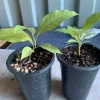
This black sapote live plant is currently 2 to 3 feet tall, providing a substantial start for your tropical fruit tree journey. It is shipped in a 3-gallon nursery pot, ensuring a well-established root system ready for transplanting. Black sapote trees are moderate growers, typically reaching heights of 20-30 feet in ideal tropical conditions, though they can be kept smaller with pruning or grown in containers. When grown in a container, expect a more compact size, usually 6-10 feet tall, making it manageable for indoor-outdoor living. The fruit typically matures 3-5 years after planting, depending on growing conditions and care, offering a rewarding long-term investment. This size makes it ideal for immediate planting into a larger container or directly into your garden if your climate permits.
Frequently Asked Questions
- Q: How big does this plant get? A: This black sapote live plant is currently 2 to 3 feet tall. In ideal outdoor conditions, it can grow to 20-30 feet, but can be maintained at 6-10 feet in containers with regular pruning.
- Q: What size pot does it come in? A: Your black sapote live plant will be shipped in a sturdy 3-gallon nursery pot, ensuring its roots are well-established and ready for transplanting.
- Q: Is this an indoor or outdoor plant? A: Black sapote is a tropical outdoor plant in USDA Zones 10-11. In colder climates, it can be grown outdoors in summer and brought indoors during winter, making it a versatile chocolate pudding fruit tree.
- Q: How much sunlight does it need? A: The black sapote live plant thrives in full sun, requiring at least 6-8 hours of direct sunlight daily for optimal growth and fruit production.
- Q: Is this plant easy to care for? A: Once established and provided with the correct tropical conditions, the diospyros nigra plant is relatively low-maintenance. Consistent watering and feeding are key.
- Q: What condition will it arrive in? A: Your black sapote live plant will arrive healthy and carefully packaged to minimize stress during transit, ready to be acclimated to its new home.
- Q: Can I use black sapote in cooking? A: Absolutely! The fruit of the black sapote live plant is often used in desserts, smoothies, pies, and even as a healthy spread, thanks to its unique chocolate-like flavor and creamy texture.
- Q: How long until it blooms and fruits? A: Typically, a black sapote live plant starts to bloom and produce fruit within 3-5 years after planting, depending on its growing conditions and care.
- Q: What’s the minimum temperature this plant can tolerate? A: Black sapote is sensitive to cold. It prefers temperatures above 60°F (15°C) and can be severely damaged or killed by temperatures below 30°F (-1°C), making protection vital.
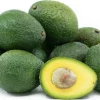
- Q: What does the fruit taste like? A: The ripe fruit of the black sapote live plant has a smooth, custard-like texture and a sweet, mild flavor often compared to chocolate pudding.



Reviews
There are no reviews yet.