Overview
Introduce a classic and adaptable beauty to your garden with the blackhaw viburnum tree plant. This offering is for a live plant, typically 6 to 12 inches tall, ready to establish itself in your landscape. Known botanically as Viburnum prunifolium live plant, the Blackhaw Viburnum is a versatile native shrub or small tree, cherished for its multi-season appeal. Its rounded, upright growth habit makes it an excellent choice for a variety of landscaping needs, whether you’re looking to create a dense, natural hedge, a privacy screen, or a distinctive specimen plant in your yard. The Blackhaw Viburnum is celebrated for its attractive foliage, charming spring blooms, and unique fruit that transitions through a spectrum of colors before maturing to a dark, bird-friendly hue. This resilient plant is a valuable addition to any garden seeking both aesthetic charm and ecological benefit.
The blackhaw viburnum tree plant is a superb choice for gardeners seeking a low-maintenance yet high-impact addition. Its ability to adapt to various soil conditions and its hardiness across a wide range of USDA zones make it a reliable performer. From the delicate white flower clusters appearing in spring to the berries that offer sustenance to local wildlife, this viburnum provides continuous interest. Its striking fall color, transforming from dark green to rich red and purple, adds a dramatic flair to the autumn landscape, ensuring your garden remains vibrant long after other plants have faded.
Key Benefits
The blackhaw viburnum tree plant offers a multitude of benefits, making it an excellent choice for diverse garden designs and environmental enhancements. Its unique characteristics contribute positively to both the aesthetic and ecological value of your outdoor space. Here are some of the key advantages:
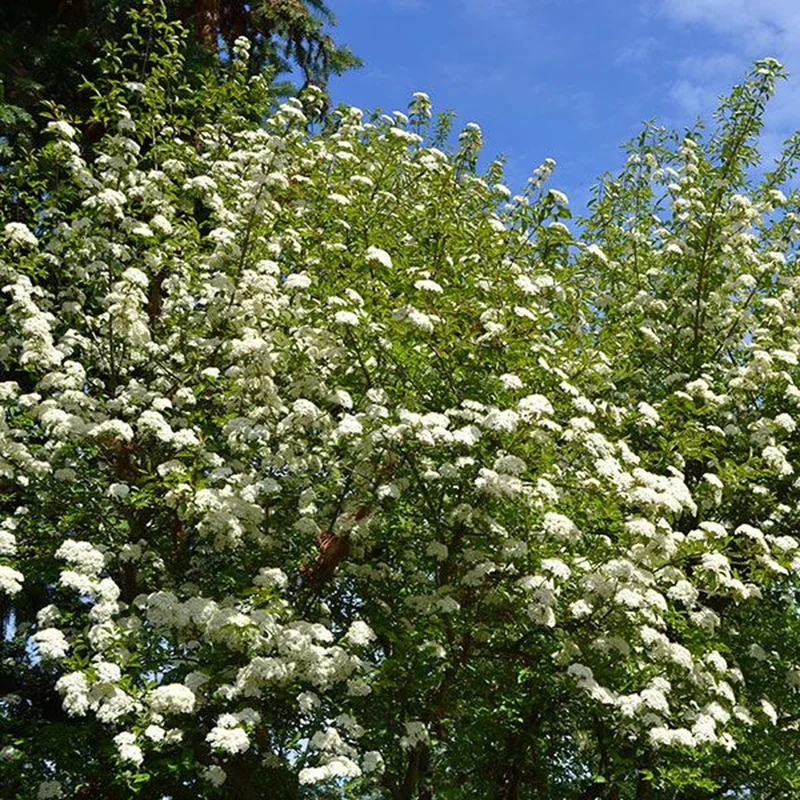
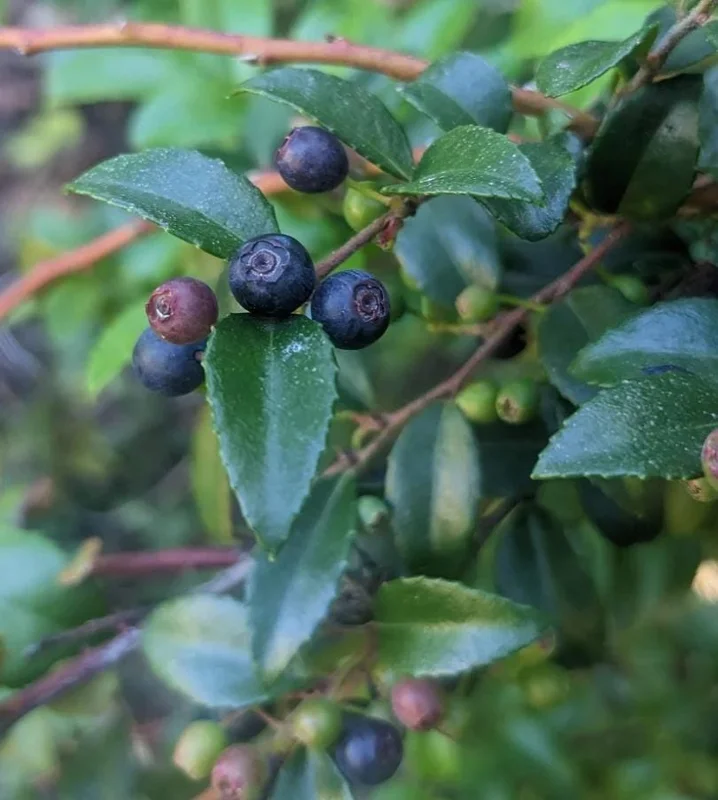
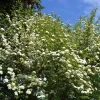
- Year-Round Visual Interest: Enjoy beautiful flat clusters of white flowers in spring, followed by berries that change from yellow to blue/black, and finally, dark green foliage that turns a stunning red-purple in autumn. This continuous display ensures your garden remains captivating throughout the year.
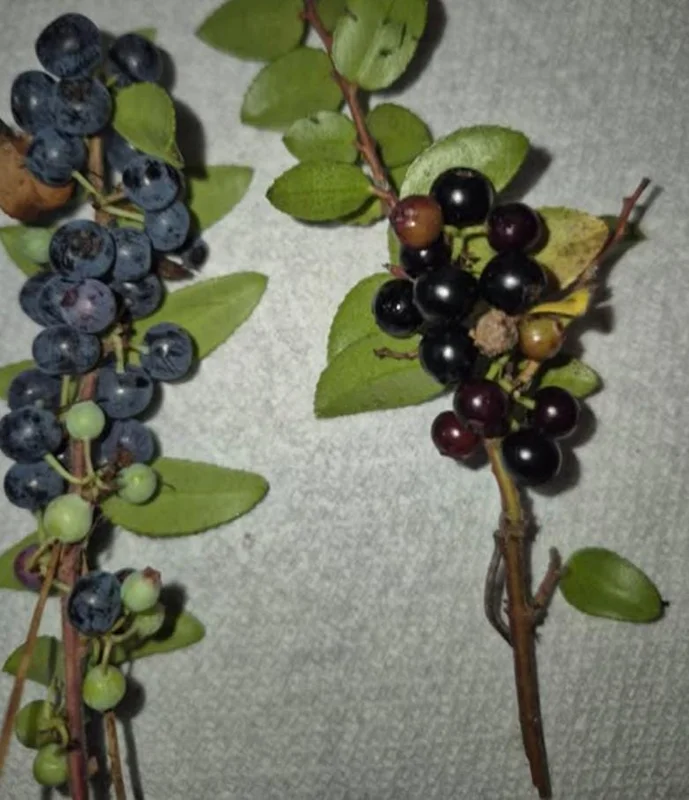
- Wildlife Attraction: The dark berries produced by the viburnum prunifolium live plant are highly desirable to birds, providing a natural food source and encouraging local wildlife to visit your garden. The berries can also be used in preserves.
- Versatile Landscaping: With its rounded, upright growth form, this viburnum is ideal for various uses, including creating tall, natural hedges, privacy screens, or as an attractive individual specimen tree or shrub.
- Hardy and Resilient: This plant is remarkably hardy, thriving in USDA zones 3-9, making it suitable for a wide range of climates. It tolerates various conditions once established, contributing to its reputation as an easy-care plant.
- Stunning Fall Foliage: The dark green leaves of the blackhaw viburnum care for themselves, transforming into brilliant shades of red and purple, offering a spectacular autumnal show that enhances any garden setting.
- Low Maintenance: Once established, the ornamental viburnum shrub requires minimal care, making it an excellent choice for both experienced and novice gardeners. Its natural resistance to many pests and diseases further simplifies its upkeep.
- Native Charm: As a native species, viburnum for hedges supports local ecosystems and integrates seamlessly into naturalized garden designs, promoting biodiversity.
Plant Care & Growing Tips
Proper blackhaw viburnum care ensures a healthy and thriving plant that will provide years of beauty. This hardy shrub or small tree is relatively easy to grow, but understanding its specific needs will help it reach its full potential. The blackhaw viburnum tree plant prefers a location with full sun to partial shade. Full sun (at least 6 hours of direct sunlight daily) will generally promote the best flowering and fruiting, as well as the most vibrant fall color. While it can tolerate some shade, too much will result in sparser blooms and less fruit production. It’s adaptable to a variety of soil types, but thrives best in well-draining, moist, slightly acidic to neutral soil. Amending heavy clay soils with organic matter can improve drainage and aeration, which is crucial for root health. Ensure the planting site is not prone to standing water.
When it comes to watering, the viburnum prunifolium live plant benefits from consistent moisture, especially during its establishment period and during dry spells. Water deeply and regularly, allowing the top soil to dry out slightly between waterings. Once established, it becomes more drought-tolerant but will still appreciate supplemental watering during extended dry periods. Fertilization is not always necessary for healthy growth, especially in rich soils. However, if your soil is poor or you notice slow growth, a balanced slow-release fertilizer applied in early spring can be beneficial. Pruning should be done in late winter or early spring before new growth begins, primarily to remove dead, damaged, or crossing branches, and to maintain the desired shape and size. The Blackhaw Viburnum is generally hardy in USDA zones 3-9, making it resilient to a wide range of temperatures. While generally pest and disease resistant, monitor for common issues like aphids or leaf spot and address them promptly if they arise. Remember that for reliable fruit production, cross-pollination is often needed, so planting two or three viburnum for hedges is recommended.
Size & Details
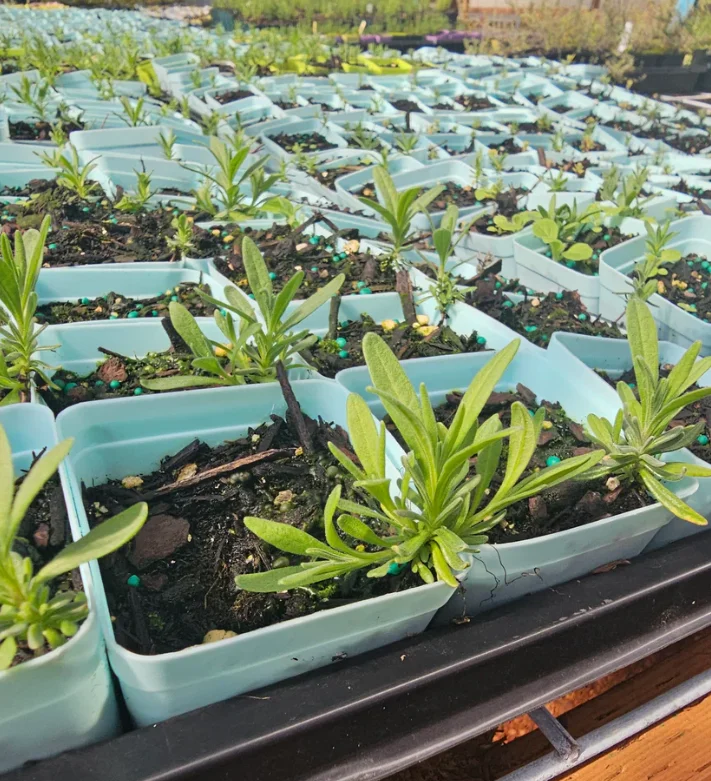
This offering is for a live blackhaw viburnum tree plant, typically ranging from 6 to 12 inches tall upon arrival, and nurtured in a 4-inch pot. This size is ideal for planting, allowing the young plant to establish quickly in its new environment. The Blackhaw Viburnum (Viburnum prunifolium) is a moderately fast-growing plant. When mature, it typically reaches heights of 12-15 feet with a spread of around 5 feet, developing a beautiful rounded, upright growth habit. Its multi-stemmed nature contributes to a full and lush appearance, making it well-suited for creating dense screens or as an attractive stand-alone specimen. The plants are shipped as actively growing specimens, ready to be transplanted into your garden.
Expect this ornamental viburnum shrub to begin producing its characteristic flat white flower clusters in spring, followed by berries that transition from yellow to a dark blue/black. The dark green foliage will provide a lush backdrop throughout the summer, culminating in a spectacular display of red-purple hues in the autumn. The “perfect” flowers, containing both male and female parts, are self-fertile, but for ample fruit production, cross-pollination is most reliable. Therefore, planting two or three specimens is often recommended to ensure a bountiful berry harvest, which will not only enhance the plant’s beauty but also attract birds to your garden. This blackhaw viburnum care ensures it will mature into a significant and attractive feature in your landscape.
Frequently Asked Questions
- Q: How big does this blackhaw viburnum tree plant get? A: This blackhaw viburnum tree plant typically grows to a mature height of 12-15 feet with a spread of about 5 feet. It forms a rounded, upright shrub or small tree.
- Q: What size pot does it come in? A: The viburnum prunifolium live plant you receive will be shipped in a 4-inch nursery pot, providing a healthy root system for successful transplanting.
- Q: Is this an indoor or outdoor plant? A: The Blackhaw Viburnum is primarily an outdoor plant, hardy in USDA zones 3-9. It thrives in garden settings and is not suitable for long-term indoor cultivation.
- Q: How much sunlight does it need? A: For optimal growth, flowering, and fruiting, the blackhaw viburnum care regimen includes full sun to partial shade. Full sun exposure generally yields the best results.
- Q: Is this plant easy to care for? A: Yes, the Blackhaw Viburnum is considered an easy-care plant once established. It’s adaptable to various soil types and generally pest and disease resistant.
- Q: What condition will it arrive in? A: Your ornamental viburnum shrub will arrive as a live, actively growing plant, carefully packaged to ensure its health during transit, ready for planting.
- Q: When is the best time to plant a blackhaw viburnum? A: The best time to plant a Blackhaw Viburnum is in spring or early fall, allowing the plant sufficient time to establish its root system before extreme temperatures.
- Q: Will it survive winter in my zone? A: The viburnum for hedges is hardy in USDA zones 3-9, meaning it can tolerate winter conditions within this range. Check your local USDA zone to confirm suitability.
- Q: Does it produce berries, and are they edible? A: Yes, the Blackhaw Viburnum produces berries that ripen to a dark blue/black. They are desirable to birds and can be used in preserves, but are generally not consumed raw in large quantities.
- Q: Do I need more than one plant for fruit production? A: While Blackhaw Viburnum flowers are perfect (contain both male and female parts), cross-pollination significantly increases reliable and ample fruit production. Planting two or three shrubs is recommended for best results.



Reviews
There are no reviews yet.