Overview
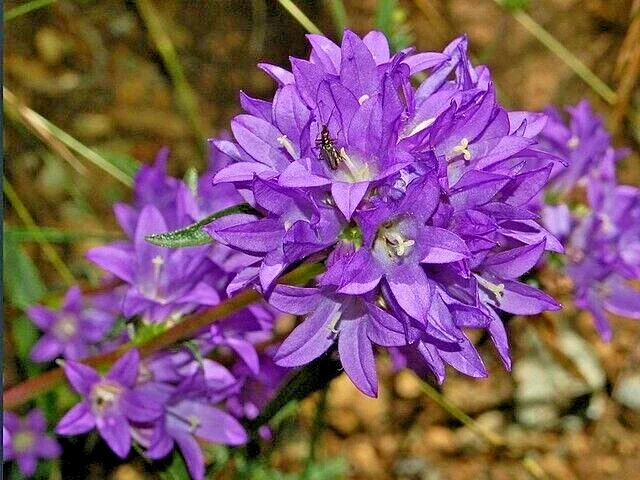
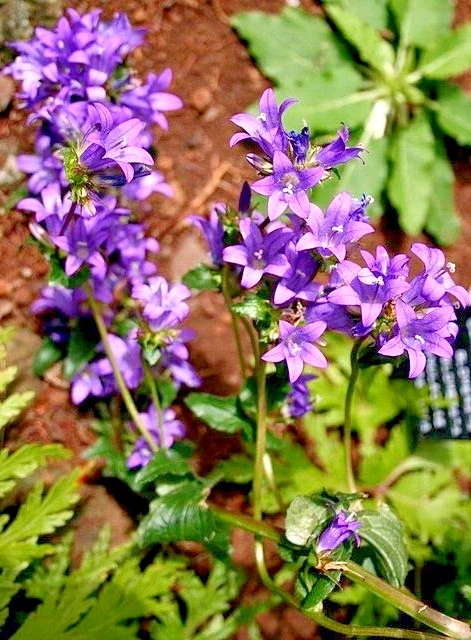
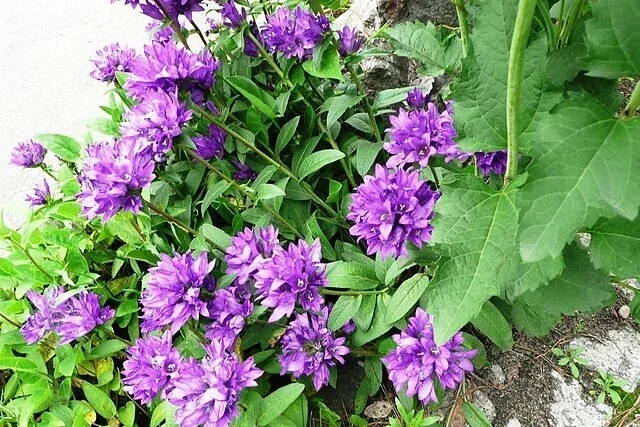
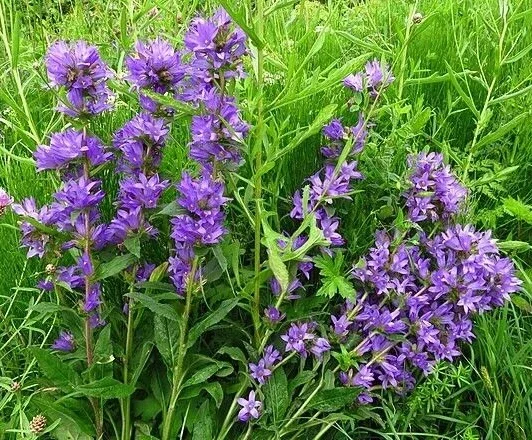
Transform your garden into a vibrant haven with these exquisite blue clustered bellflower seeds. Each packet contains 200 premium seeds of Campanula Glomerata ‘Superba’, a beloved perennial known for its distinctive globe-shaped clusters of rich blue-purple flowers. Originating from Europe and Asia, this charming plant, also commonly called clustered bellflower, brings a touch of classic garden beauty to any landscape. Ideal for borders, rock gardens, or naturalized areas, these seeds promise a stunning display of color from late spring through early summer. They are a fantastic choice for gardeners looking for reliable and beautiful perennial bellflower seeds that establish well and return year after year, offering a continuous show of captivating blooms.
The ‘Superba’ variety is particularly prized for its larger, more intensely colored flower clusters, making it a standout in any garden setting. These seeds are a simple and rewarding way to introduce a splash of vibrant blue into your outdoor spaces. With proper care, these bellflowers will thrive, attracting pollinators and adding an elegant, cottage-garden feel to your home. Whether you’re an experienced horticulturist or just starting your gardening journey, these easy to grow flower seeds offer an accessible path to a breathtaking floral display.
Key Benefits
Adding blue clustered bellflower seeds to your garden offers numerous advantages, enhancing both the aesthetic appeal and ecological health of your outdoor space. These hardy perennials provide a long-lasting, low-maintenance solution for beautiful blooms.
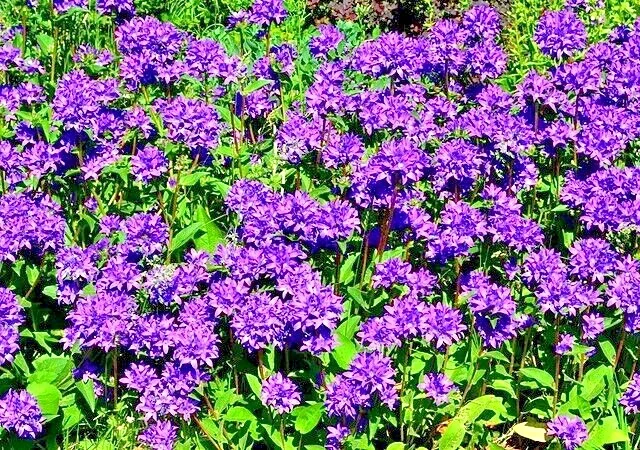
- Stunning Visual Impact: The vibrant blue-purple, bell-shaped flowers grow in dense clusters, creating a dramatic and eye-catching display. This makes them perfect for adding bold patches of color to your garden beds and borders, ensuring a spectacular show of outdoor blue flowers.
- Attracts Pollinators: These bellflowers are a magnet for bees and butterflies, contributing to the biodiversity and health of your local ecosystem. By planting campanula glomerata seeds, you’re not just growing flowers, you’re supporting local wildlife.
- Low Maintenance: Once established, these plants are remarkably self-sufficient, requiring minimal care. They are drought-tolerant and disease-resistant, making them an excellent choice for gardeners seeking easy to grow flower seeds that don’t demand constant attention.
- Hardy Perennial: Enjoy beautiful blooms year after year without the need for replanting. As a perennial, the clustered bellflower reliably returns each spring, growing stronger and more abundant with time, providing enduring beauty from your perennial bellflower seeds.
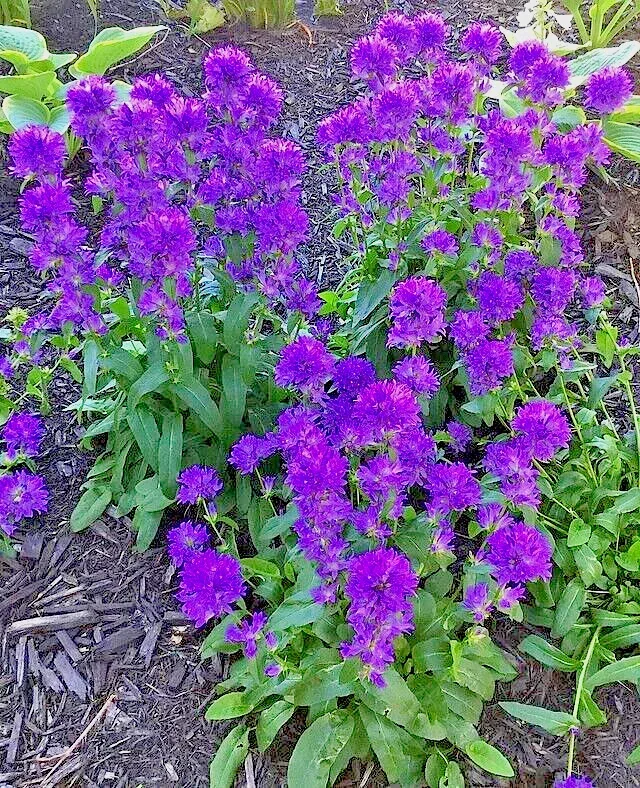
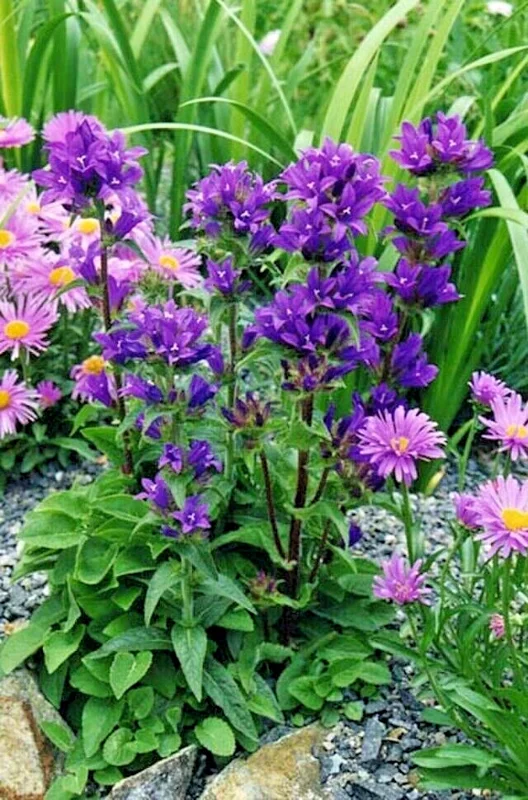
- Versatile Landscaping: Ideal for various garden applications, including cottage gardens, rock gardens, naturalized areas, and mixed borders. Their clumping growth habit ensures a neat appearance while providing abundant blooms.
- Extended Bloom Time: With proper deadheading, these bellflowers can provide continuous blooms from late spring through early summer, extending the period of color in your garden.
- Cold Resistant: Known for their robust nature, these plants can withstand colder climates, making them suitable for a wide range of USDA hardiness zones.
Plant Care & Growing Tips
Growing blue clustered bellflower seeds is a rewarding experience, especially with the right care. These hardy perennials flourish with minimal fuss, making them a great addition to almost any garden. For best results, sow your Campanula Glomerata ‘Superba’ seeds directly outdoors in early spring or late fall. Lightly cover the seeds with soil and keep them moist until germination, which typically occurs within 14-21 days. Thin seedlings to about 12-18 inches apart to allow for proper growth and air circulation. Ensure the planting site has good drainage to prevent root rot, as these plants do not tolerate soggy conditions.
Sunlight requirements for the clustered bellflower are quite flexible; it performs best in full sun to partial shade. In hotter climates, some afternoon shade can help protect the foliage from scorching. Aim for at least 6 hours of direct sunlight daily for the most prolific blooms. Watering should be consistent, especially during dry spells and the plant’s establishment phase. Once mature, these bellflowers are moderately drought-tolerant, but regular watering during prolonged dry periods will promote better flowering. The ideal soil type is well-draining loam, sand, or silt with a neutral pH. Amending heavy clay soils with organic matter will improve drainage and overall plant health. These plants are remarkably adaptable to various climates, thriving in Cold, Temperate, Highland, Humid Continental, Humid Subtropical, Marine West Coast, and Mediterranean regions.
The USDA hardiness zone for perennial bellflower seeds like these is typically 3-9, indicating their excellent cold resistance. Fertilization is generally not heavily required; a balanced, slow-release granular fertilizer applied in early spring can boost growth and flowering. Deadheading spent flower clusters will encourage new blooms and prevent self-seeding if desired. Keep an eye out for common garden pests, though clustered bellflowers are generally quite resilient. With these straightforward care tips, your outdoor blue flowers will thrive and provide years of beauty.
Size & Details
This offering includes 200 blue clustered bellflower seeds, providing an ample supply for establishing a beautiful patch of these stunning perennials. Each seed is fresh and ready for planting to ensure optimal germination. Once mature, the Campanula Glomerata ‘Superba’ plants typically grow to a height of 18-24 inches (45-60 cm) with a similar spread, forming an attractive clumping habit. The growth rate is moderate, with plants generally reaching their full size and flowering potential within their second year. They are best suited for outdoor cultivation, thriving in various garden settings.
The seeds should be planted in spring to early summer for blooms in the following year, or they can be fall-sown for earlier spring germination. These easy to grow flower seeds produce robust plants that are deciduous, meaning their foliage will die back in winter and re-emerge in spring. Expect abundant, intensely blue flower clusters that are a highlight of the late spring and early summer garden. The mature plants are cold resistant and suitable for a wide range of climates, making them a durable and long-lasting choice for your landscape.
Frequently Asked Questions
- Q: How big does this plant get? A: The blue clustered bellflower typically grows to a height of 18-24 inches (45-60 cm) and spreads similarly, forming a bushy, clumping plant habit.
- Q: What is the best time to plant these seeds? A: The ideal time to plant these campanula glomerata seeds is in early spring after the last frost or in late fall for germination the following spring.
- Q: Is this an indoor or outdoor plant? A: The clustered bellflower is an outdoor plant, best suited for garden beds, borders, and naturalized areas where it can receive adequate sunlight and space to grow.
- Q: How much sunlight does it need? A: These perennial bellflower seeds will grow best when planted in an area that receives full sun to partial shade, ideally at least 6 hours of direct sunlight per day.
- Q: Is this plant easy to care for? A: Yes, the blue clustered bellflower is considered very easy to grow and maintain, making it an excellent choice for gardeners of all experience levels seeking easy to grow flower seeds.
- Q: What condition will the seeds arrive in? A: The seeds are fresh and packaged to ensure optimal viability upon arrival, ready for you to start your garden.
- Q: How long until it blooms? A: Typically, plants grown from these blue clustered bellflower seeds will begin to bloom in their second year, providing a spectacular display from late spring to early summer.
- Q: What type of soil is best for these flowers? A: These bellflowers prefer well-draining soil types such as loam, peat, sand, or silt with a neutral pH.
- Q: Will it survive winter in my zone? A: Yes, the Campanula Glomerata ‘Superba’ is a hardy perennial suitable for USDA Zones 3-9, meaning it is cold resistant and will return each year in those regions.
- Q: Do these flowers attract pollinators? A: Absolutely! These beautiful outdoor blue flowers are known to attract beneficial pollinators like bees and butterflies to your garden.





Reviews
There are no reviews yet.