Overview
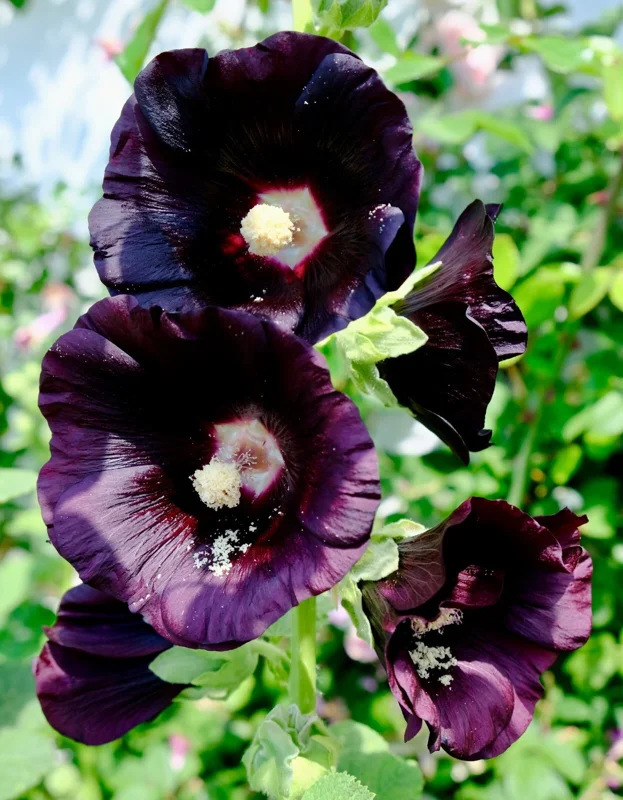
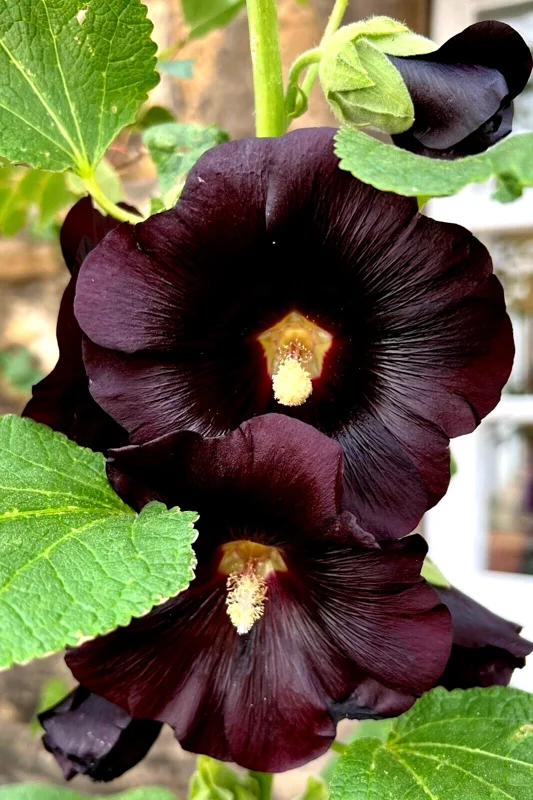
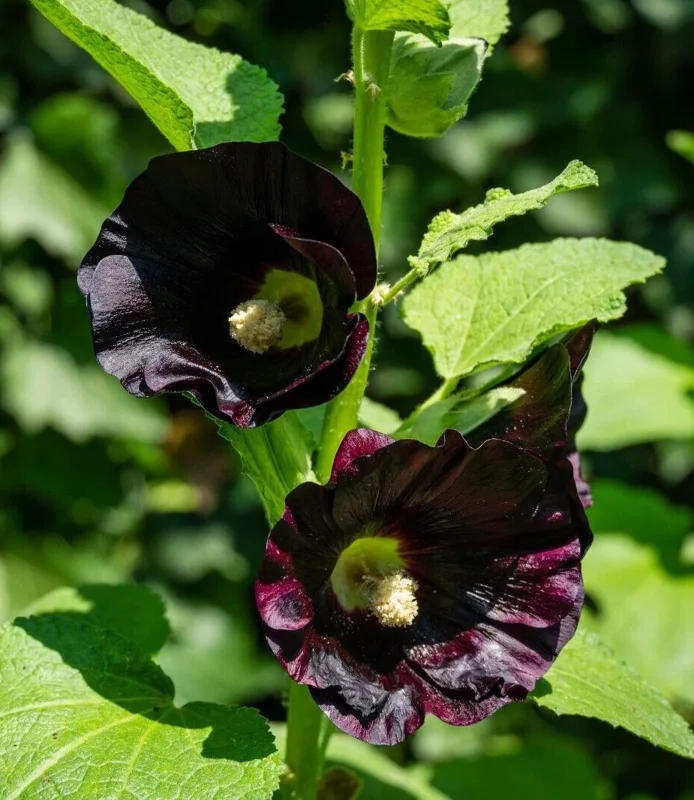
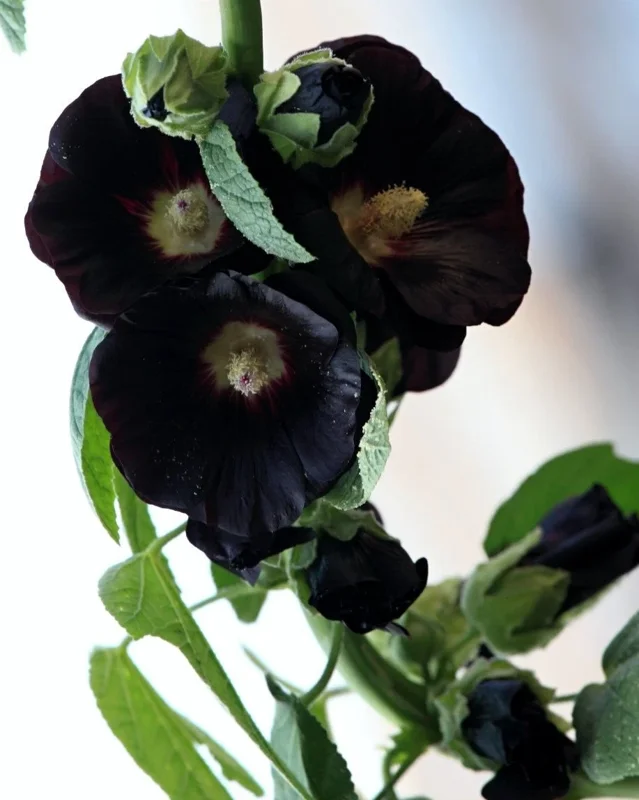
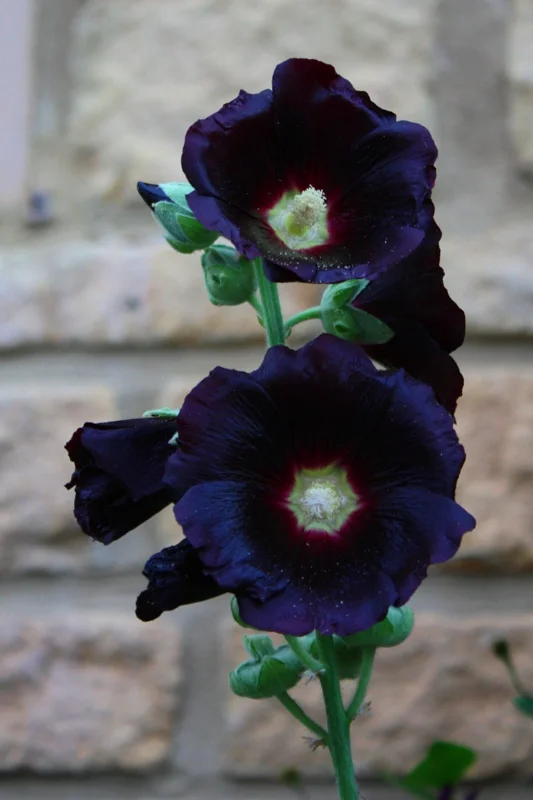
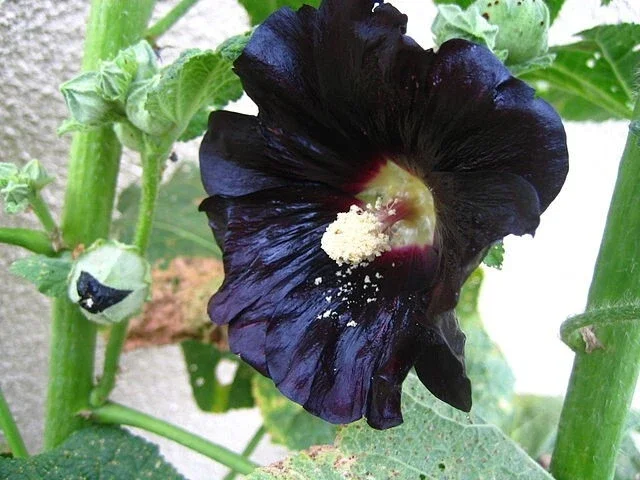
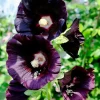
Transform your garden into a captivating masterpiece with these exquisite Giant Black Hollyhock seeds. Each packet contains 51 high-quality seeds, offering a generous start to cultivating these stunning, tall-growing perennials. Known for their dramatic, dark-hued blossoms, the Giant Black Hollyhock (Alcea Rosea ‘Nigra’) stands out in any landscape. These hardy perennial seeds are a fantastic choice for gardeners looking to add vertical interest and a touch of gothic elegance to their outdoor spaces. The deep, almost black, maroon flowers create a striking contrast against lighter foliage and structures, making them a focal point in cottage gardens, borders, or against fences. They are surprisingly robust and, once established, require minimal fuss, proving that beauty doesn’t always demand high maintenance. With these Alcea Rosea seeds, you’re not just planting flowers; you’re cultivating a statement.
Key Benefits
Embrace the many advantages of growing Giant Black Hollyhock seeds in your garden. These majestic plants offer a combination of aesthetic appeal and ecological benefits that will enrich your outdoor living space.
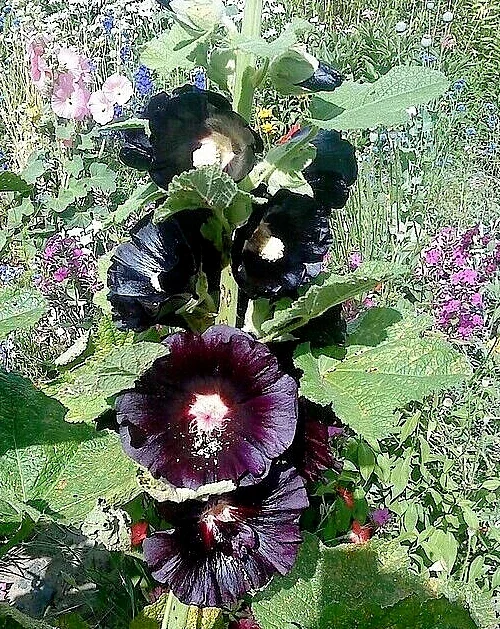
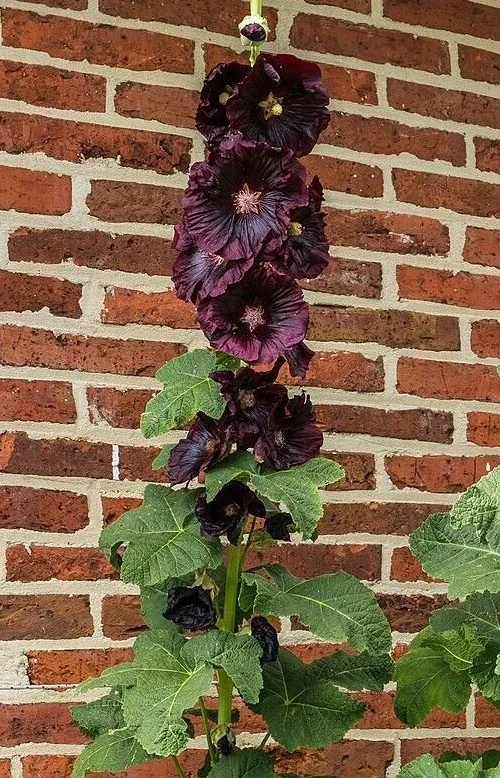
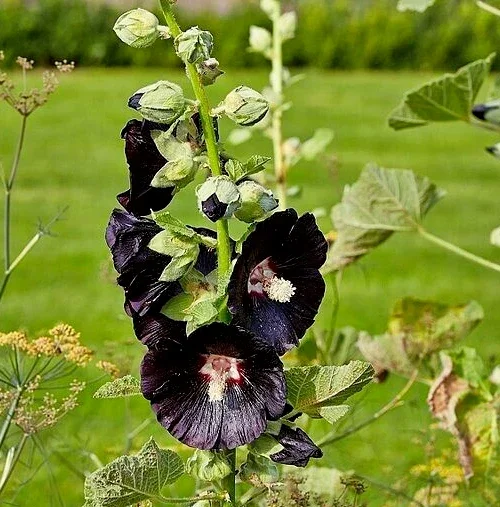
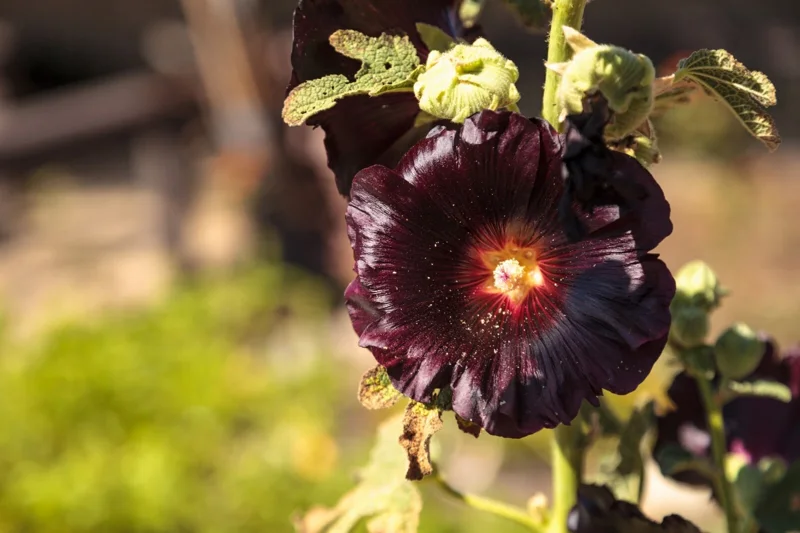
- Dramatic Visual Impact: The deep, velvety black-red flowers of the Giant Black Hollyhock create an unforgettable visual statement, drawing the eye and adding a unique, sophisticated touch to any garden design. Their impressive height makes them ideal for back-of-border plantings.
- Attracts Pollinators: These beautiful blooms are not just for show; they are a magnet for bees, butterflies, and other beneficial pollinators, contributing to a healthier and more vibrant garden ecosystem. Planting these easy to grow flower seeds helps support local wildlife.
- Hardy and Resilient: As a hardy perennial seeds variety, these hollyhocks are well-suited for a wide range of climates, particularly USDA Zones 4-9. They are known for their ability to withstand varying conditions once established, providing reliable beauty year after year.
- Low Maintenance: Once established, Giant Black Hollyhocks are relatively low-maintenance plants, requiring basic care to thrive. This makes them an excellent choice for both experienced and novice gardeners looking to grow black hollyhock without excessive effort.
- Versatile Garden Use: Their tall, stately form makes them perfect for creating dramatic backdrops, softening hardscape elements, or adding structure to mixed perennial beds. They complement a variety of garden styles from formal to wild and natural.
- Prolific Blooms: These plants produce an abundance of flowers throughout their blooming season, ensuring a continuous display of their striking dark petals for weeks on end, offering prolonged enjoyment.
- Easy to Grow: Despite their exotic appearance, these are easy to grow flower seeds, making them accessible for anyone eager to add a touch of grandeur to their garden.
Plant Care & Growing Tips
Growing Giant Black Hollyhock seeds successfully involves understanding their basic needs. These hardy perennials thrive with proper care, rewarding you with spectacular blooms. Start by selecting a site with full sun exposure, meaning at least 6-8 hours of direct sunlight daily. While they can tolerate partial shade, full sun promotes the strongest stems and most abundant flowering. The soil should be well-draining, fertile, and ideally with a neutral pH. Amending heavy clay soils with organic matter like compost will improve drainage and provide essential nutrients. When planting your Alcea Rosea seeds, sow them directly outdoors after the last frost, or start them indoors 6-8 weeks before to get a head start. Plant seeds about 1/4 inch deep and 18-24 inches apart to allow for mature growth.
Watering is crucial, especially during dry spells and for young plants. Keep the soil consistently moist but not waterlogged. Once established, they are somewhat drought-tolerant but will perform best with regular watering. Fertilize sparingly; a balanced, all-purpose fertilizer once in spring is usually sufficient. Over-fertilization can lead to lush foliage at the expense of flowers. Provide support for taller varieties, especially in windy areas, to prevent stems from toppling. Staking can be done with bamboo canes or specialized plant supports. Deadhead spent flowers to encourage more blooms and prevent unwanted self-seeding. Watch out for common issues like rust, a fungal disease that can affect hollyhocks. Good air circulation and proper spacing can help prevent this. Knowing how to grow black hollyhock will ensure these beauties flourish.
Size & Details
This offering includes a packet of 51 high-quality Giant Black Hollyhock seeds (Alcea Rosea ‘Nigra’). These seeds will grow into impressive perennial plants known for their towering stature. Mature plants typically reach heights of 5 to 8 feet, with a spread of about 1 to 2 feet, creating a strong vertical element in your garden. The flowers themselves are large, often 3-5 inches in diameter, showcasing their iconic deep, dark, almost black-maroon color. These plants are deciduous, losing their foliage in winter and returning with vigor in spring. They are best suited for USDA Hardiness Zones 4-9, demonstrating excellent cold resistance. The seeds are fresh and ready for planting to start your journey to grow black hollyhock. Expect blooms from mid-summer to early fall, providing a long season of dramatic color. The ease with which you can grow black hollyhock from these seeds makes them an ideal choice for both beginner and experienced gardeners.
Frequently Asked Questions
- Q: How big does this plant get? A: The Giant Black Hollyhock seeds will grow into plants that typically reach an impressive height of 5 to 8 feet, with a spread of 1 to 2 feet. Their tall stature makes them excellent for creating a dramatic backdrop in your garden.
- Q: Is this an indoor or outdoor plant? A: These are outdoor plants, ideally suited for garden beds, borders, or along fences. They require full sun exposure to thrive and produce their best blooms, which is why they are perfect for growing directly in your garden.
- Q: How much sunlight does it need? A: For optimal growth and flowering, Alcea Rosea seeds require full sun, meaning at least 6-8 hours of direct sunlight per day. While they can tolerate some partial shade, consistent full sun will yield the most robust plants and abundant blossoms.
- Q: Is this plant easy to care for? A: Yes, Giant Black Hollyhocks are considered relatively easy to grow, especially once established. They are a great choice for gardeners of all experience levels who want to grow black hollyhock without extensive maintenance.
- Q: What condition will the seeds arrive in? A: The seeds will arrive in a fresh, viable condition, ready for planting. They are carefully packaged to ensure their quality is maintained during transit, providing you with the best start for your gardening project.
- Q: How long until it blooms? A: Hollyhocks typically bloom in their second year from seed, as they are biennials or short-lived perennials. If started early indoors, you might see some blooms in the late season of the first year, but a full display is usually expected in year two.
- Q: Will it survive winter in my zone? A: These hardy perennial seeds are suitable for USDA Hardiness Zones 4-9. In these zones, they are cold resistant and will typically survive winter, returning to bloom again in the following growing season.
- Q: What’s the best soil type for these seeds? A: Giant Black Hollyhock seeds prefer well-draining, fertile soil with a neutral pH. Amending your garden soil with organic compost can significantly improve its structure and nutrient content, leading to healthier plants.
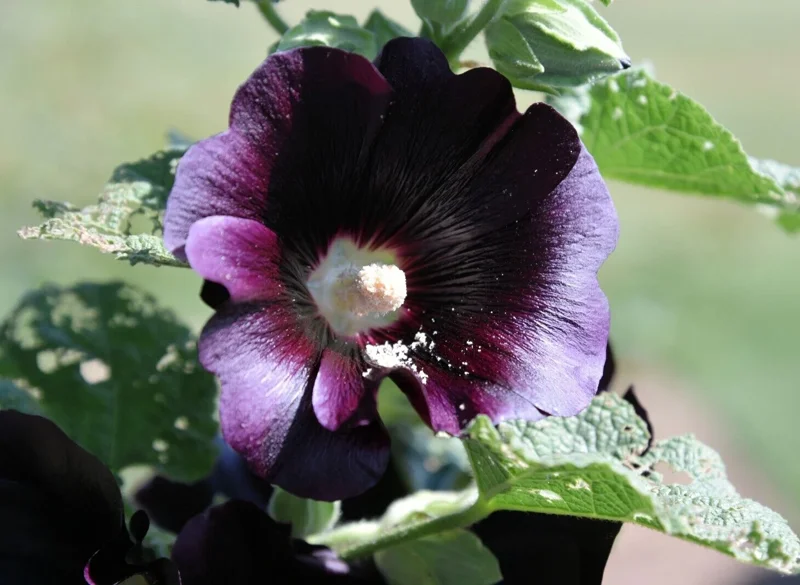
- Q: Can I really get black flowers from these seeds? A: Yes, the ‘Nigra’ variety of Alcea Rosea is famous for its very deep, dark maroon flowers that appear almost black, especially in certain lighting conditions. These easy to grow flower seeds will produce those striking dark blooms.
- Q: What is the best time to plant these seeds? A: You can sow the Alcea Rosea seeds directly outdoors in late spring after the last frost, or start them indoors 6-8 weeks before the last frost date for earlier blooms. This gives you flexibility in planning your garden.





Reviews
There are no reviews yet.