Overview
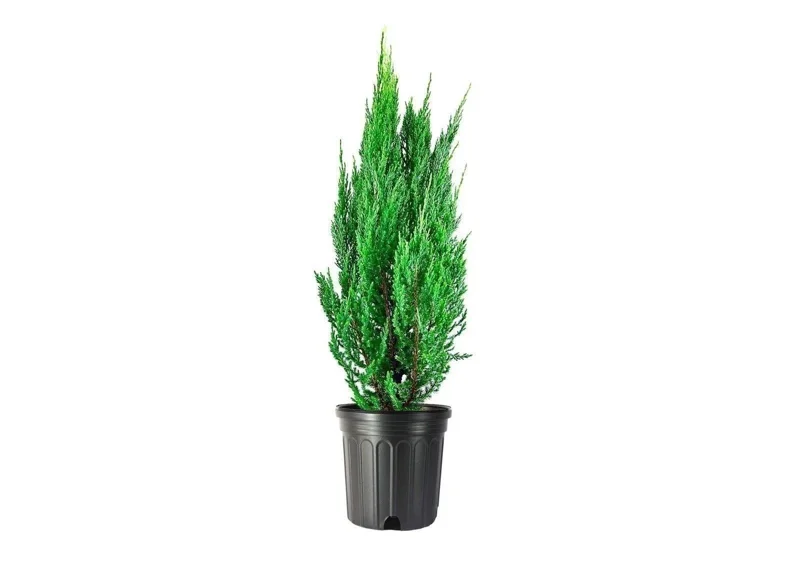
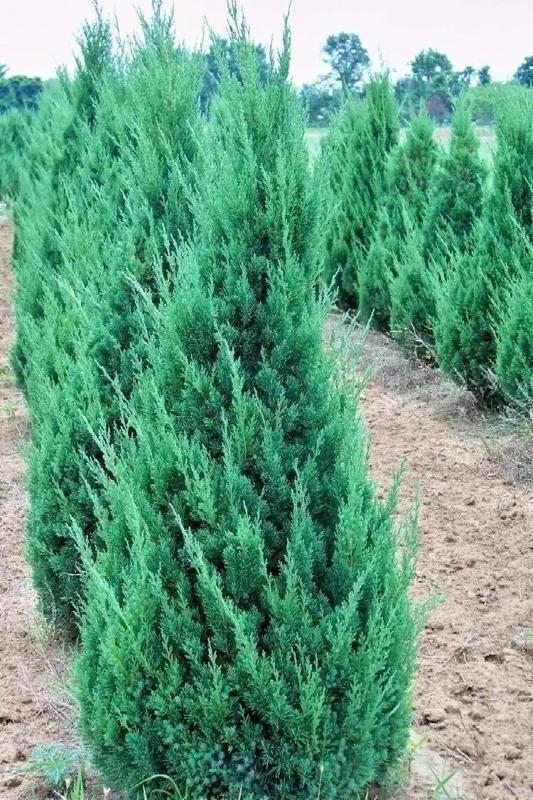
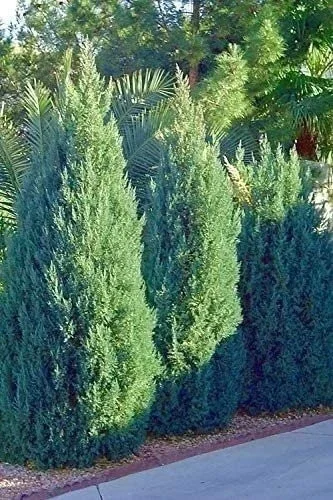
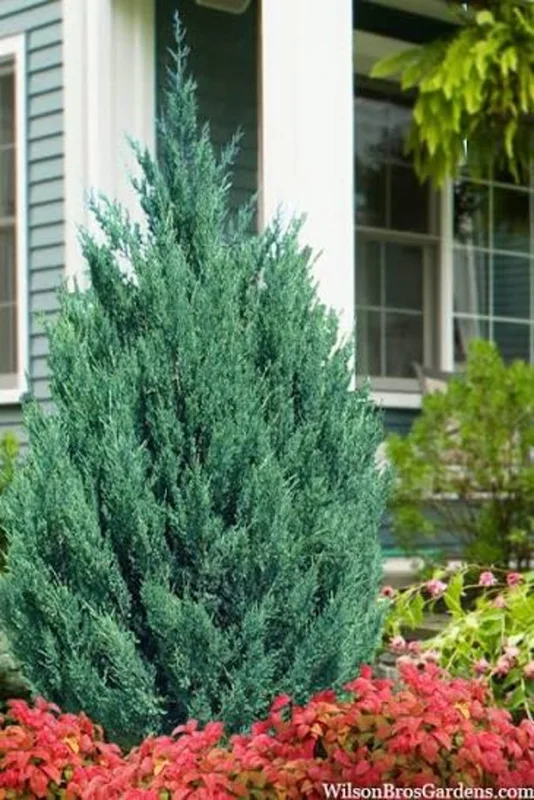
Introduce a touch of sophisticated greenery to your outdoor space with the stunning blue point juniper plant. This live evergreen shrub, scientifically known as Juniperus chinensis ‘Blue Point’, is celebrated for its dense, upright, and naturally conical growth habit, making it an excellent choice for a variety of landscaping applications. Whether you’re looking to create a formal hedge, add a striking specimen plant, or even cultivate a beautiful blue juniper bonsai, this versatile conifer delivers year-round beauty. Originating from East Asia, the Juniperus chinensis has been admired for centuries, and the ‘Blue Point’ cultivar stands out with its attractive blue-green foliage and compact form. It’s a robust and adaptable plant, perfectly suited for the American garden, offering a low-maintenance solution for continuous visual appeal.
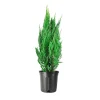
Our blue point juniper plant arrives healthy and ready to thrive in your garden. Its distinctive pyramidal shape and vibrant coloration make it a focal point in any design, from traditional to contemporary. This plant is not just about aesthetics; it’s also incredibly hardy and resilient, capable of withstanding various environmental conditions once established. Ideal for those seeking a durable and attractive evergreen, the ‘Blue Point’ Juniper is a testament to nature’s enduring beauty, providing structure and color even during the colder months.
Key Benefits
The blue point juniper plant offers numerous advantages for both novice and experienced gardeners, enhancing any outdoor setting with its unique characteristics and ease of care. Its robust nature and aesthetic appeal make it a highly desirable addition.
- Year-Round Beauty: Provides consistent blue-green foliage throughout all seasons, ensuring your garden remains vibrant even in winter. This evergreen quality is a significant benefit for continuous landscape interest.
- Versatile Landscaping: Excellent for use as a privacy screen, foundation planting, accent shrub, or in rock gardens. Its naturally conical shape requires minimal pruning to maintain its form.
- Low Maintenance: Once established, this juniper is drought-tolerant and requires very little care, making it an ideal choice for busy gardeners or those new to gardening.
- Adaptable Growth: Thrives in a wide range of soil types and can tolerate various environmental conditions, including urban pollution, making it a highly resilient plant.
- Bonsai Potential: Its dense growth and manageable size make it an exceptional candidate for training as a blue juniper bonsai, offering a rewarding horticultural project.
- Deer Resistant: Generally not favored by deer, which helps protect your landscape from browsing damage, a common concern in many regions.
- Structural Element: Its strong, upright form provides excellent architectural structure to garden designs, anchoring beds and borders with its defined shape.
Plant Care & Growing Tips
Caring for your blue point juniper plant is straightforward, ensuring it remains a healthy and beautiful component of your landscape for years to come. These plants are known for their resilience, but providing optimal conditions will encourage the best growth and color. For a thriving outdoor juniper shrub, proper planting and ongoing maintenance are key.
When it comes to sunlight, the ‘Blue Point’ Juniper thrives in full sun, meaning it needs at least 6 hours of direct sunlight per day. While it can tolerate partial shade, its growth may be less dense and its blue coloration less vibrant. Ensure it is planted in a location where it will receive ample light. Regarding watering, juvenile plants require regular watering to establish strong roots. Once mature, the blue point juniper plant is remarkably drought-tolerant. Water deeply but infrequently, allowing the soil to dry out completely between waterings. Overwatering can lead to root rot, so good drainage is crucial. The best soil type for this juniper is well-draining, slightly acidic to neutral soil. It can adapt to sandy or clay soils as long as drainage is adequate. Incorporating organic matter into heavy clay soils can improve drainage significantly.
The ‘Blue Point’ Juniper is cold-hardy, generally thriving in USDA Zones 4-9. It can withstand a wide range of temperatures, from cold winters to hot summers. Fertilization is typically not a high-priority task for established junipers. If growth appears slow or foliage is sparse, a balanced, slow-release fertilizer can be applied in early spring. Pruning is minimal; usually, it involves removing any dead or damaged branches and light shaping to maintain its conical form. Avoid heavy pruning, as junipers do not readily sprout from old wood. Common problems are few, but watch for spider mites in hot, dry conditions, and address any signs of fungal diseases with appropriate treatments. Understanding juniperus chinensis care ensures a long-lived and attractive plant.
Size & Details
The blue point juniper plant is cultivated for its distinctive and manageable size, making it suitable for a variety of landscape applications. Typically, this juniper grows to a mature height of 10-12 feet with a spread of 4-5 feet, forming a naturally dense, pyramidal or conical shape. Its growth rate is moderate, adding approximately 6-12 inches per year, allowing for predictable landscaping design. This live plant is shipped in a 1 Qt container, providing a well-established root system ready for planting. At the time of shipment, the plant usually stands between 6-12 inches tall, offering a fantastic starter size for immediate integration into your garden or for beginning your journey into cultivating a blue juniper bonsai. Expect it to fill out and increase in stature over several seasons, developing its characteristic full form.
Frequently Asked Questions
- Q: How big does this plant get? A: The blue point juniper plant typically reaches a mature height of 10-12 feet and a width of 4-5 feet, forming a dense, conical shape. Its moderate growth rate means it will gradually achieve its full size over several years, providing consistent beauty.
- Q: Is this an indoor or outdoor plant? A: The blue point juniper plant is primarily an outdoor evergreen shrub. It requires full sun exposure and is hardy in USDA Zones 4-9, making it suitable for a wide range of climates across the United States.
- Q: How much sunlight does it need? A: This juniper thrives in full sun, ideally receiving at least 6 hours of direct sunlight daily. While it can tolerate some partial shade, optimal growth and the most vibrant blue-green color are achieved with ample sunlight.
- Q: Is this plant easy to care for? A: Yes, the blue point juniper plant is considered low-maintenance once established. It is drought-tolerant and requires minimal pruning, making it an excellent choice for both beginner and experienced gardeners seeking an easy-care evergreen.
- Q: What condition will it arrive in? A: Your blue point juniper plant will arrive as a healthy, live plant in a 1 Qt container, with its root system intact and soil moist. It will be carefully packaged to ensure its safe journey to your home, ready for planting.
- Q: Can it be used for bonsai? A: Absolutely! The dense growth habit and manageable size of the ‘Blue Point’ Juniper make it an excellent candidate for training as a blue juniper bonsai. Its natural conical shape lends itself well to various bonsai styles.
- Q: What is the best time to plant this juniper? A: The best times to plant the blue point juniper plant are in the spring or fall. This allows the plant to establish its root system before the onset of extreme summer heat or winter cold, improving its chances of success.
- Q: What kind of soil does it prefer? A: This juniper prefers well-draining soil, ideally slightly acidic to neutral. It is adaptable to various soil types, including sandy or clay soils, as long as proper drainage is ensured to prevent waterlogging.
- Q: Will it survive winter in my zone? A: The blue point juniper plant is very cold-hardy and is suitable for USDA Zones 4-9. It can tolerate freezing temperatures and snow, maintaining its green foliage throughout the winter months, making it a reliable evergreen landscape plant.
- Q: How often should I water it? A: Once established, water deeply but infrequently, allowing the soil to dry out between waterings. Young plants will need more consistent moisture until their root systems are well-developed. Overwatering is more detrimental than underwatering for this species.




Reviews
There are no reviews yet.